
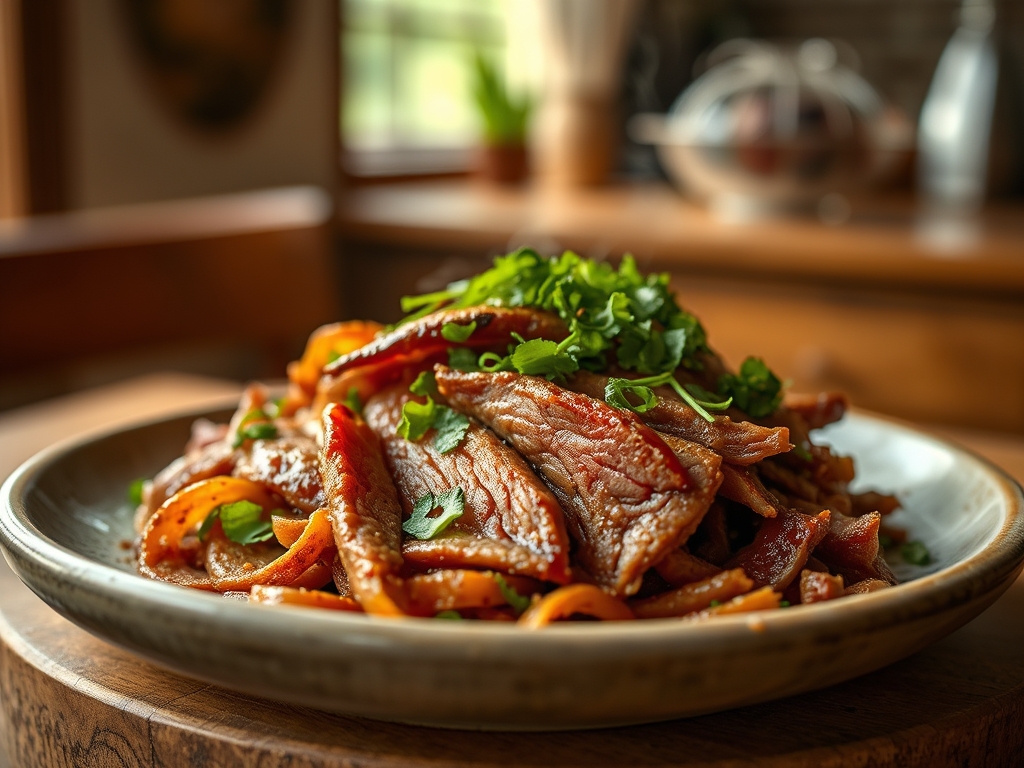
Imagine the scent of buttery, laminated dough shattering under a knife while the savory perfume of seared ribeye fills your kitchen. We are not just cooking; we are orchestrating a textural masterpiece. When you master trader joes shaved beef recipes, you unlock the secret to high-end appetizers that look like they cost fifty dollars at a bistro but cost less than a movie ticket to produce. We are taking that paper-thin, marbled beef and cocooning it in golden puff pastry to create eight elegant beef treats that will make your guests think you have a secret culinary degree.
The beauty of this specific cut lies in its surface area. Because the beef is shaved into translucent ribbons, it offers an incredible ratio for the Maillard reaction to occur across every square inch. We are going to harness that chemical browning and pair it with the steam-powered lift of high-quality pastry. It is crunchy, it is succulent, and it is scientifically designed to be the perfect bite. Grab your favorite heavy-bottomed skillet and a glass of something sparkling; we are about to turn a simple grocery haul into a gourmet event.
The Gathers:
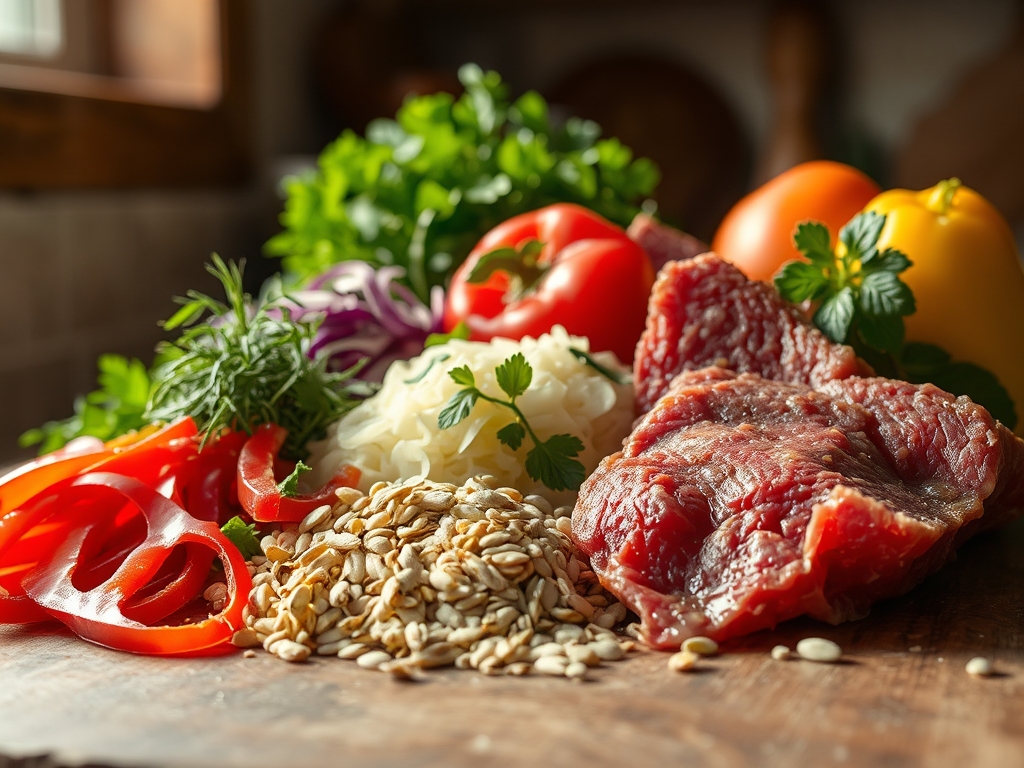
To execute these treats with precision, your mise-en-place must be impeccable. You will need one package of Trader Joe's Shaved Beef Steak; look for a package with vibrant red color and visible white intramuscular fat. You also need two sheets of frozen puff pastry, which rely on hundreds of layers of chilled butter to create that iconic flake. For the aromatic base, gather three cloves of garlic, one shallot, and a bundle of fresh thyme.
For the "glue" and flavor profile, have a jar of Dijon mustard, a block of sharp Gruyere cheese, and one large egg for an egg wash. You will also need kosher salt and freshly cracked black pepper. Smart Substitutions: If you cannot find Gruyere, a sharp white cheddar or even a viscous Provolone works beautifully. For a dairy-free alternative, use a plant-based butter spread for the sauté and skip the cheese in favor of a piquant horseradish aioli drizzled over the top after baking. Professional tools required include a microplane for the garlic, a bench scraper to handle the delicate pastry, and a digital scale if you want to be perfectly precise with your portioning.
The Clock:
The total investment for these treats is approximately 45 minutes. Your "Chef's Flow" begins with 15 minutes of prep, which includes thawing the pastry just enough to be pliable but not so warm that the butter melts. The active cooking time for the beef is a mere 5 minutes because of its thinness. The final 20 to 25 minutes are spent in the oven, where the thermal energy transforms the dough.
The strategy here is "parallel processing." While your oven preheats to 400 degrees Fahrenheit, you will be searing the beef and prepping the aromatics. By the time the beef has cooled slightly to prevent "soggy bottom" syndrome, your pastry will be sliced and ready for assembly. This flow ensures that the dough stays cold until the very second it hits the heat, which is the non-negotiable secret to a professional rise.
The Masterclass:
1. The High-Heat Sear
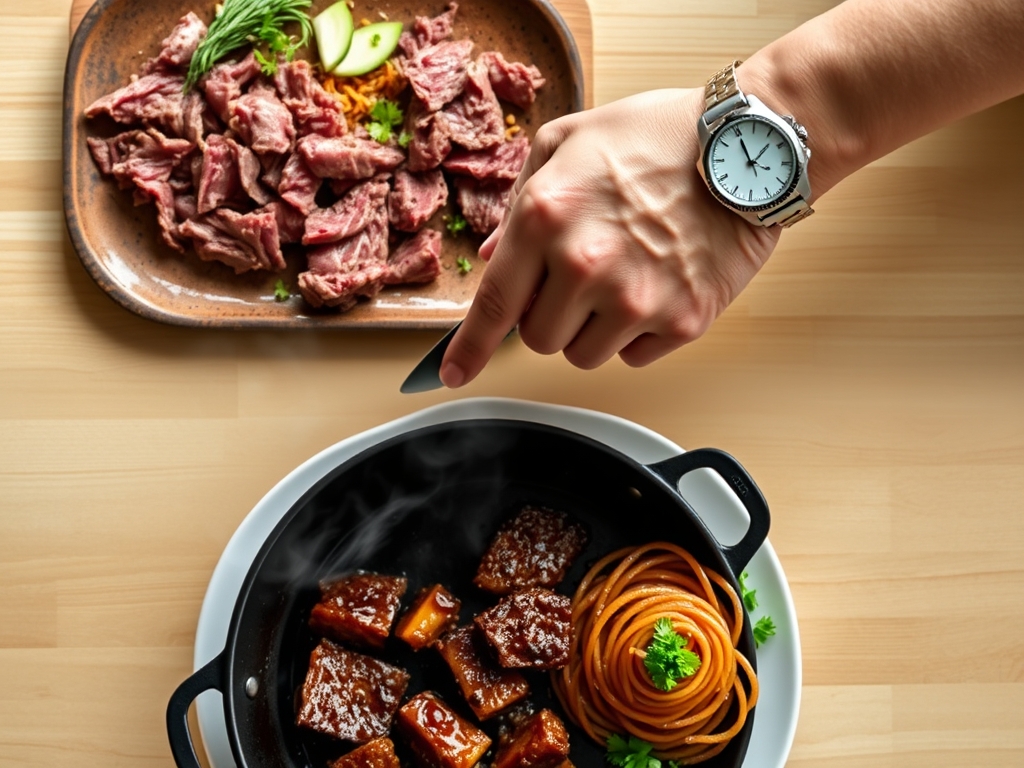
Start by heating your heavy-bottomed skillet over medium-high heat with a splash of high-smoke-point oil. Pat the shaved beef dry with paper towels to remove surface moisture. Sear the beef in small batches, ensuring you do not crowd the pan. Use tongs to toss the ribbons until they are just browned but still tender.
Pro Tip: This step relies on enzymatic browning and the Maillard reaction. By removing surface moisture, you ensure the energy of the pan goes into browning the proteins rather than steaming them, resulting in a deeper, more complex flavor profile.
2. Deglaze and Infuse
Once the beef is removed, lower the heat and add your minced shallots and garlic. Use a splash of beef stock or dry white wine to deglaze the pan, scraping up all the "fond" (those delicious brown bits). Stir in your fresh thyme and a teaspoon of Dijon mustard until the liquid becomes viscous and coats the aromatics.
Pro Tip: Deglazing is a chemical process where the acidity and liquid dissolve the caramelized proteins stuck to the pan. This creates a concentrated "umami bomb" that will season the beef from the inside out.
3. The Pastry Prep
Unfold your chilled puff pastry onto a lightly floured surface. Use a bench scraper or a sharp knife to cut each sheet into four equal squares, giving you eight total treats. Lightly score a border half an inch from the edge of each square, being careful not to cut all the way through.
Pro Tip: Scoring the pastry creates a physical "break" in the gluten structure. This allows the outer edge to aerate and rise significantly higher than the center, creating a natural "nest" for your beef filling.
4. Assembly and Egg Wash
Place a tablespoon of the beef mixture into the center of each square. Top with a generous pinch of shredded Gruyere. In a small saucier or bowl, whisk your egg with a teaspoon of water and use a pastry brush to coat the exposed edges of the dough.
Pro Tip: The egg wash acts as a protein-rich glaze. During baking, the proteins in the egg undergo rapid browning, providing that professional, lacquered mahogany finish that distinguishes home cooking from bakery-quality results.
5. The Thermal Transformation
Slide your baking sheet into the center of the oven. Bake for 18 to 22 minutes, or until the pastry has tripled in height and the cheese is bubbling and golden. Resist the urge to open the oven door during the first 15 minutes.
Pro Tip: Puff pastry relies on mechanical leavening. The heat of the oven turns the water in the butter layers into steam; this steam expands, pushing the layers of dough apart before the flour sets. Opening the door drops the temperature and can cause the pastry to collapse.
The Deep Dive:
From a nutritional perspective, these treats are protein-dense thanks to the ribeye, though the puff pastry adds significant fats and carbohydrates. To make these Keto-friendly, you can ditch the pastry and wrap the seasoned beef and cheese inside large mushroom caps or bell pepper slices. For a Gluten-Free version, many specialty grocers now carry GF puff pastry, which uses rice flour and starches to mimic the lamination.
If you run into trouble, here is "The Fix-It" guide. If your pastry is "slumping" and losing its shape, your dough was likely too warm; pop the assembled treats in the freezer for 10 minutes before baking to firm up the butter. If the bottom is soggy, you may have used too much liquid in your deglazing step; next time, ensure the beef mixture is relatively dry before placing it on the dough. If the beef feels tough, you likely overcooked it in the skillet; remember that thermal carryover will continue to cook the beef once it is inside the oven.
For meal prep, these are best served fresh, but you can achieve "day-one" quality by reheating them in an air fryer or toaster oven at 350 degrees for 5 minutes. Avoid the microwave at all costs, as it will turn the crisp pastry into a rubbery, sad mess.
The Wrap-Up:
There you have it; a sophisticated, scientifically-backed approach to trader joes shaved beef recipes that will turn your kitchen into the hottest bistro in town. By understanding the relationship between high-heat searing and the physics of laminated dough, you have created a dish that is as intellectually satisfying as it is delicious. These eight treats are proof that with the right tools and a little bit of chemistry, you can transform humble ingredients into something truly elegant. Now, go serve these while they are hot and enjoy the sound of that first, perfect crunch!
The Kitchen Table:
Can I use frozen beef for this recipe?
Yes, but you must thaw it completely in the refrigerator first. Pat the beef dry with paper towels to remove excess moisture, which prevents steaming and ensures a proper Maillard sear in the heavy-bottomed skillet.
What is the best way to prevent a soggy pastry bottom?
Ensure your beef filling has cooled slightly and is not dripping with liquid. You can also pre-heat your baking sheet in the oven to give the bottom of the pastry an immediate thermal boost when you slide it on.
How do I store leftovers without losing the crunch?
Store leftovers in an airtight container in the fridge for up to two days. To restore the texture, reheat them in a 350-degree oven or air fryer until the pastry becomes crisp and the internal cheese is melted.
Can I make these ahead of time for a party?
Absolutely. You can assemble the treats and keep them chilled on a baking sheet for up to four hours before baking. This actually helps the gluten relax and the butter stay cold for a better rise.