
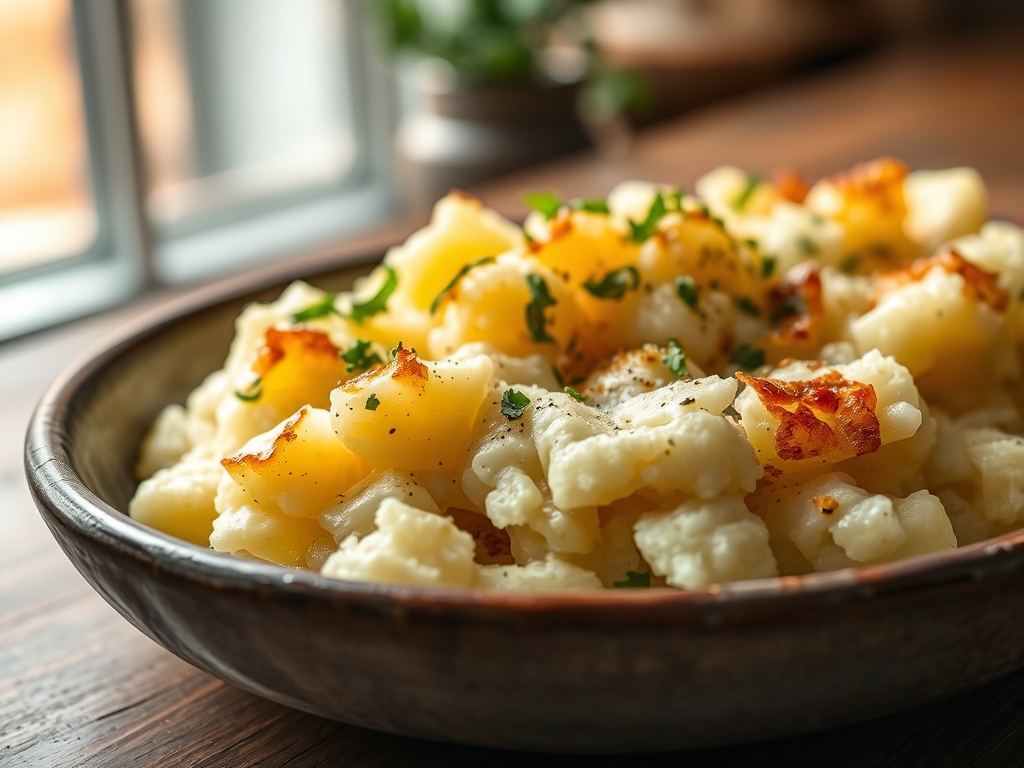
Imagine the steam rising from a heavy bottomed pot as the scent of earthy, buttery goodness fills your kitchen. We are not talking about those thin, baby food purées today. We are mastering chunky mashed potato recipes that celebrate texture, bite, and the rustic charm of a farmhouse kitchen. This is the ultimate comfort food, elevated by a little bit of molecular magic and a lot of soul.
The secret to a perfect mash lies in the balance between creamy suspension and structural integrity. You want a forkful that feels substantial; a dish that can hold a well of rich gravy without collapsing into a puddle. When you dive into chunky mashed potato recipes, you are choosing to highlight the potato itself rather than masking it behind a veil of heavy cream. It is about honoring the tuber. We are going to use a blend of high starch and waxy varieties to achieve a multidimensional mouthfeel that will make your guests wonder if you secretly attended culinary school over the weekend. Grab your apron and your favorite wooden spoon; we are going to transform the humble spud into a masterpiece of texture and flavor.
The Gathers:
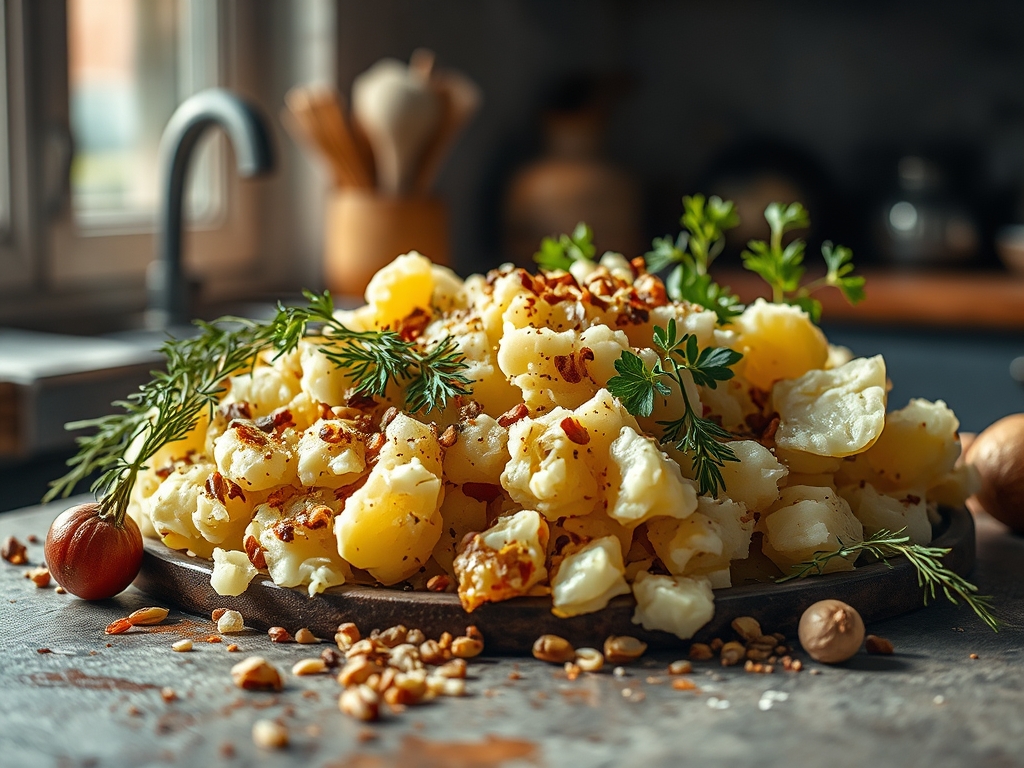
To execute this properly, your mise-en-place must be precise. We are looking for a specific ratio of amylopectin to amylose to ensure the mash stays fluffy yet chunky. Start with three pounds of Yukon Gold potatoes for their buttery, viscous interior, and two pounds of Russets for that classic, floury finish. You will need high quality fats: unsalted European style butter with at least 82 percent butterfat and full fat sour cream for a piquant tang.
For the aromatics, gather fresh thyme, rosemary, and six cloves of garlic. Do not just chop them; we will use a microplane to grate the garlic into a paste for even distribution. Your liquid gold will be a mix of whole milk and heavy cream. For the "Smart Substitutions," if you are looking for a lighter profile, swap the sour cream for Greek yogurt to maintain the acidity. If you need a vegan alternative, use a high quality cashew cream and a neutral oil like avocado oil to mimic the mouthfeel of animal fats. Always keep a digital scale nearby to ensure your salt ratios are perfect; 1.5 percent salt by weight is the golden rule for seasoning starchy vegetables.
The Clock:
The "Chef's Flow" is all about overlapping tasks to maximize efficiency. Total prep time is roughly 15 minutes, while the active cooking and assembly take about 35 minutes. Start by peeling and cubing your potatoes; use a bench scraper to clear your station quickly. While the potatoes simmer, use a saucier to infuse your dairy with herbs and garlic. This prevents the "rushed" flavor of raw garlic and ensures the fats are warm when they hit the starch, preventing the potatoes from becoming gummy. By the time the potatoes reach the perfect fork tender state, your infused cream is ready to be folded in. This synchronicity ensures the potatoes never drop below 140 degrees Fahrenheit, which is the critical temperature for maintaining an airy texture.
The Masterclass:
1. The Cold Start Submerge
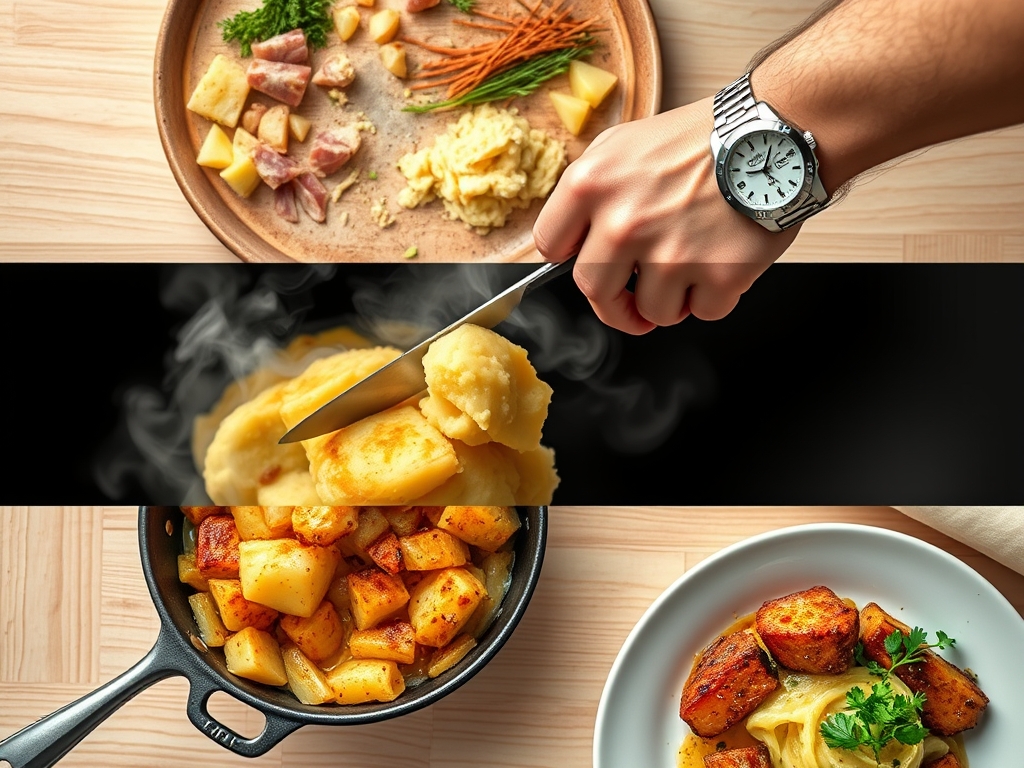
Place your cubed potatoes into a large pot and cover them with cold, heavily salted water. Starting with cold water ensures that the exterior and interior of the potato cook at the same rate.
Pro Tip: This technique prevents thermal carryover from overcooking the outside before the center is soft. If you start with boiling water, the outside starch granules burst too early, leading to a soggy, waterlogged texture.
2. The Gentle Simmer
Bring the water to a boil, then immediately reduce to a steady simmer. You want to avoid a violent boil, which can knock the potatoes against each other and cause them to lose too much starch into the water.
Pro Tip: Maintaining a temperature just below boiling prevents the enzymatic browning of the starch while ensuring the pectin bonds break down evenly for that perfect "chunk" potential.
3. The Steam Dry Phase
Once tender, drain the potatoes and return them to the hot pot over low heat for two minutes. Shake the pot constantly to let the excess moisture evaporate.
Pro Tip: This is known as dehydrating the starch. By removing residual water, you create space within the potato cells to soak up the butter and cream, resulting in a much richer flavor profile.
4. The Fat First Rule
Add your cold, cubed butter to the hot potatoes before adding any liquid. Use a hand masher or a sturdy fork to break them down to your desired level of chunkiness.
Pro Tip: Coating the starch molecules in fat first creates a barrier. This limits starch gelatinization when the liquid is added, which is the primary reason mashed potatoes turn into "glue."
5. The Warm Infusion Fold
Slowly pour in your warm, herb infused cream and milk mixture. Use a silicone spatula to fold the liquid into the potatoes rather than stirring vigorously.
Pro Tip: Minimal agitation is key. Overworking the potatoes releases too much amylose, which creates a sticky, elastic texture rather than the fluffy, chunky bite we want.
6. The Aromatic Finish
Fold in your grated garlic, fresh chives, and a generous crack of black pepper. Taste for seasoning and add a final pinch of sea salt if the flavors do not "pop."
Pro Tip: Adding fresh herbs at the very end preserves their volatile oils, ensuring the scent is bright and the flavor is sharp rather than muted by the heat.
The Deep Dive:
From a nutritional standpoint, chunky mashed potato recipes are a powerhouse of potassium and Vitamin C, especially if you leave some of the skins on for added fiber. For dietary swaps, Keto followers can use a 50/50 mix of cauliflower florets and radishes to mimic the texture, though the starch chemistry will differ. For a Vegan version, use a nutritional yeast slurry to add a savory, cheesy depth without the dairy.
"The Fix-It" guide: If your mash is too runny, whisk in a tablespoon of instant potato flakes or dehydrated milk powder to absorb excess moisture. If they are too gummy, you cannot "un-glue" them, but you can spread them in a baking dish, top with cheese, and bake until a crust forms to mask the texture. If they are too salty, add a splash of heavy cream or a squeeze of lemon juice to balance the sodium.
For meal prep, reheating is a science. Avoid the microwave if possible. Instead, place the potatoes in a heavy bottomed skillet with a splash of milk over low heat. Cover with a lid to create steam, which rehydrates the starches without drying out the fats, ensuring "day-one" quality.
The Wrap-Up:
Mastering chunky mashed potato recipes is a rite of passage for any home cook who values soul-warming food. By understanding the relationship between starch, fat, and temperature, you have moved beyond a simple side dish into the realm of culinary art. Remember to keep your movements intentional, your ingredients high quality, and your textures bold. Now, go forth and mash with confidence; your dinner table will never be the same!
The Kitchen Table:
Why are my mashed potatoes gummy?
Gummy potatoes happen when you overwork the starch. Using a food processor or over-mixing releases too much amylose, creating a sticky, glue-like consistency. Always use a hand masher and stop as soon as you reach your desired chunky texture.
Can I make these ahead of time?
Yes. Store them in an airtight container for up to three days. Reheat slowly on the stovetop with an extra splash of milk or cream to restore the original creamy, chunky texture without breaking the fat emulsion.
Should I peel the potatoes for chunky mash?
It is a matter of preference. Leaving the skins on Yukons adds rustic texture and extra nutrients. If using Russets, the skins can be tough, so peeling is usually recommended for a better mouthfeel in chunky mashed potato recipes.
What is the best potato for a chunky texture?
A mix of Yukon Gold and Russet potatoes is ideal. Yukons provide a creamy, waxy base that holds its shape, while Russets offer a light, fluffy component that fills the gaps for a perfectly balanced, substantial bite.