
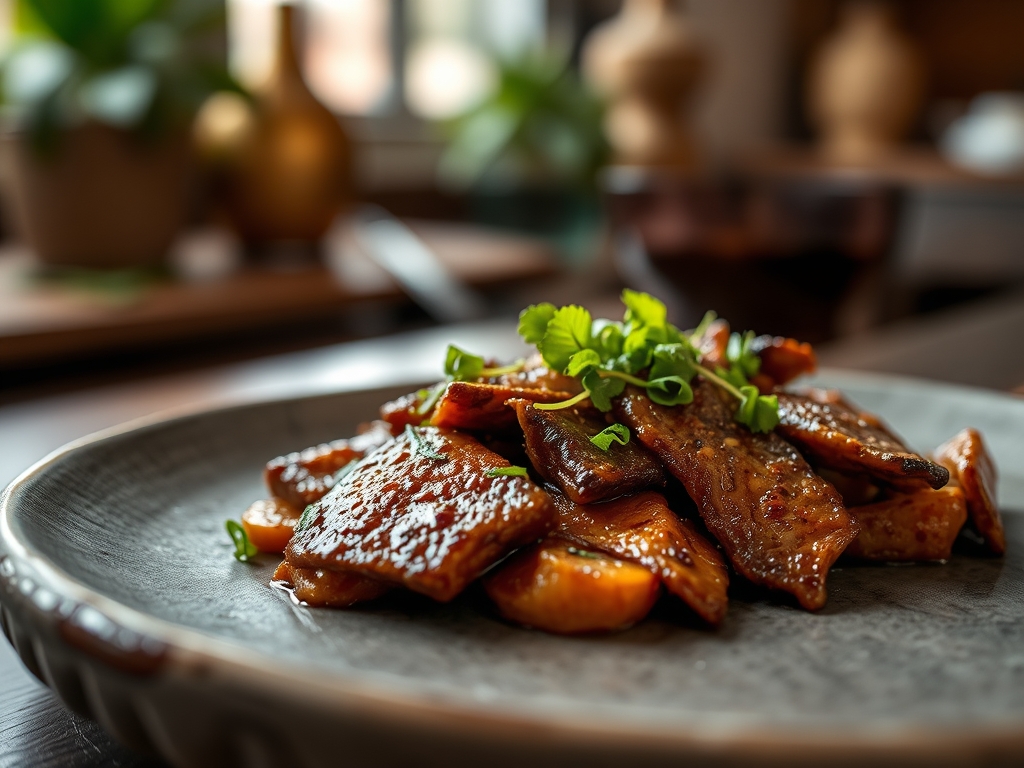
Imagine a kitchen filled with the scent of caramelized pineapple and ginger; it is the ultimate sensory shortcut to paradise. When you are craving the salty, sweet, and tangy profile of hawaiian beef recipes, Trader Joe's Shaved Beef is your absolute best friend. This paper thin cut of ribeye or sirloin is a culinary cheat code because it offers maximum surface area for flavor absorption. We are not just making dinner; we are engineering a masterpiece of texture and taste that feels like a tropical vacation.
The magic of shaved beef lies in its versatility. Because the fibers are sliced across the grain by a high speed industrial slicer, the meat is incredibly tender and cooks in under three minutes. This makes it the perfect protein for high heat applications where you want to achieve a deep sear without toughening the core. Whether you are tossing it into a piquant stir fry or layering it onto toasted rolls with melted provolone, the goal is to respect the delicate nature of the cut while maximizing the Maillard reaction. Grab your favorite heavy bottomed skillet and let us dive into the science of making this grocery store staple taste like a five star meal.
The Gathers:
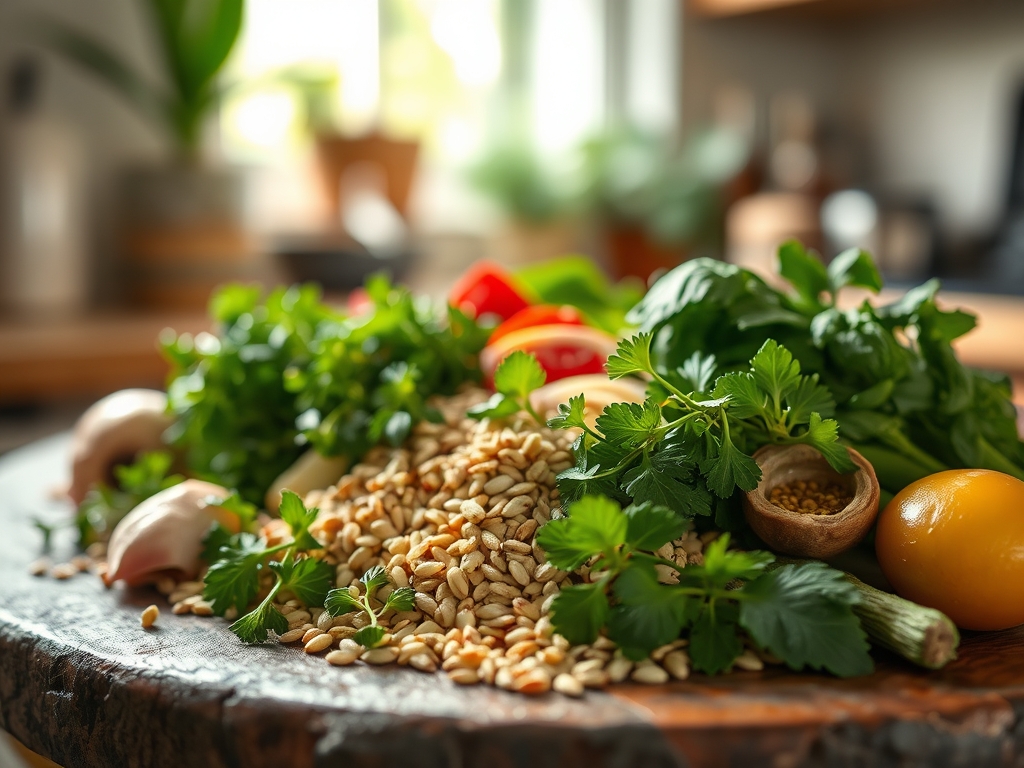
Setting up your mise-en-place is critical because this beef cooks faster than you can say aloha. You will need one package of Trader Joe's Shaved Beef, which typically weighs around one pound. For the base of our Hawaiian inspired profile, gather fresh ginger, garlic, and a bottle of soy sauce or tamari. To achieve that signature viscous glaze, you will need brown sugar and pineapple juice. The acidity in the juice acts as a natural tenderizer thanks to bromelain, an enzyme that breaks down protein chains.
For tools, reach for a microplane to grate your aromatics into a fine paste; this ensures they meld into the sauce rather than burning in the pan. You will also need tongs for precise flipping and a saucier if you prefer to thicken your glaze separately. Smart Substitutions: If you are watching your sodium, swap the soy sauce for coconut aminos. If you cannot find fresh pineapple, a splash of rice vinegar and a squeeze of lime will provide the necessary piquant brightness to balance the richness of the rendered beef fat.
The Clock
Efficiency is the name of the game here. Total prep time is roughly 10 minutes, mostly spent on mincing aromatics and whisking your sauce. The cook time is a lightning fast 5 to 7 minutes. This follows the "Chef's Flow" principle: prepare your cold elements first, then move to high heat execution. By the time your rice is fluffed and your garnishes are chopped, the beef will be hitting the pan. Do not crowd the skillet; if you are doubling the recipe, cook in batches to ensure the temperature does not drop, which would cause the meat to steam in its own juices rather than sear.
The Masterclass
1. The Tempering Phase
Take the beef out of the refrigerator 15 minutes before cooking. Pat the meat dry with paper towels to remove excess moisture. This is crucial because water is the enemy of a good sear.
Pro Tip: This phase reduces the temperature gradient between the meat and the pan. When beef is too cold, it shocks the metal and prevents enzymatic browning, leading to a grey, boiled appearance rather than a rich crust.
2. The High Heat Sear
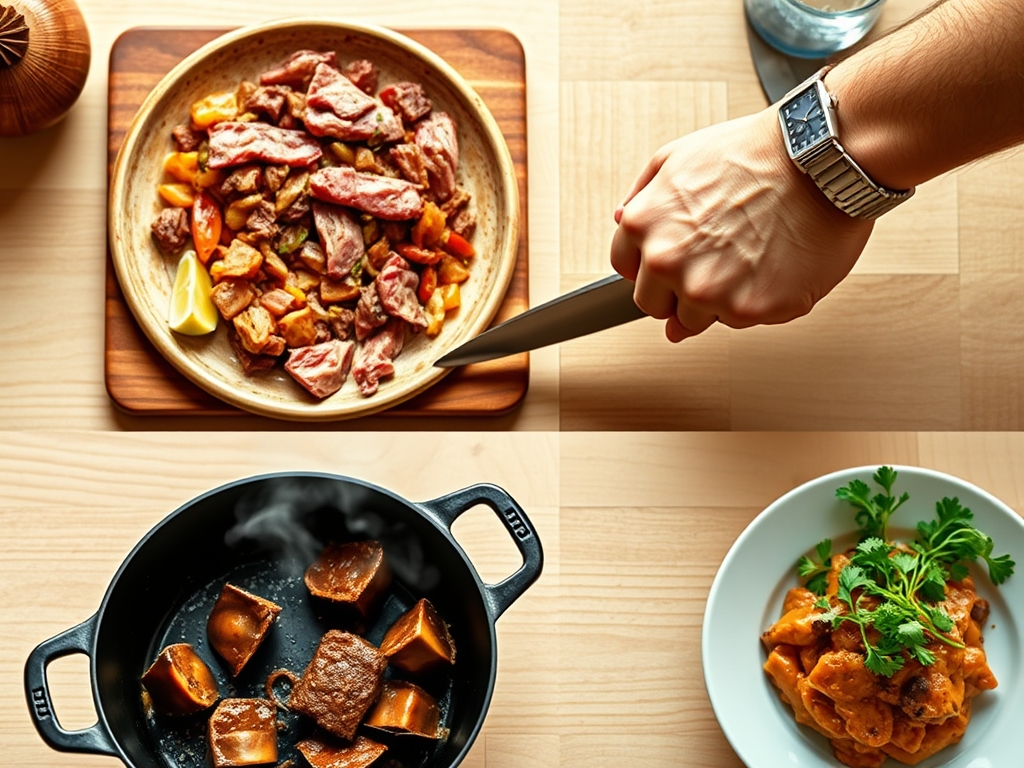
Heat two tablespoons of neutral oil in a heavy bottomed skillet until it reaches the shimmering point. Add the beef in a single, loose layer. Do not stir immediately; let it sit for 60 seconds.
Pro Tip: This allows the Maillard reaction to occur. This chemical reaction between amino acids and reducing sugars creates hundreds of different flavor compounds that give seared meat its savory, complex depth.
3. The Aromatic Infusion
Once the beef is 70 percent browned, push it to the perimeter of the pan. Add your grated ginger and garlic to the center. Use a bench scraper or spatula to move them quickly so they do not burn.
Pro Tip: Fat is a solvent for flavor. By tossing the aromatics in the rendered beef fat, you allow the essential oils to infuse the entire dish, creating a more cohesive flavor profile.
4. The Deglaze and Glaze
Pour in your mixture of soy sauce, pineapple juice, and brown sugar. Use your spatula to scrape up any brown bits stuck to the bottom of the pan.
Pro Tip: This process is called deglazing. Those browned bits, known as fond, contain concentrated umami. The sugar in the sauce will eventually caramelize, creating a glossy, viscous coating that clings to every ribbon of beef.
5. The Rest and Carryover
Remove the pan from the heat while the meat still looks slightly underdone. Transfer to a warm plate and let it rest for two minutes before serving.
Pro Tip: This accounts for thermal carryover. The internal temperature will continue to rise by 5 to 10 degrees after leaving the heat. Resting also allows the muscle fibers to relax and reabsorb juices, ensuring a succulent bite.
The Deep Dive
From a nutrition standpoint, this shaved beef is a protein powerhouse, offering roughly 22 grams of protein per 4 ounce serving. It is naturally low in carbohydrates, though our Hawaiian glaze adds sugars. For a Keto version, replace the brown sugar with monk fruit sweetener and use coconut aminos. For a Vegan swap, you can actually use the same marinade on shaved king oyster mushrooms or soy curls to mimic the texture.
"The Fix-It": If your beef ends up tough, you likely overcooked it; next time, pull it off the heat earlier. If the sauce is too thin, whisk a teaspoon of cornstarch with cold water and stir it into the simmering pan to aerate and thicken. If the dish is too salty, add a splash of water and a squeeze of lime to balance the sodium. For meal prep, store the beef and sauce separately if possible. When reheating, use a damp paper towel over the container in the microwave to create steam, which prevents the thin ribbons of meat from drying out.
The Wrap-Up
Mastering Trader Joe's Shaved Beef is like unlocking a secret level in the game of home cooking. It is fast, flavorful, and incredibly impressive when paired with the right hawaiian beef recipes. By focusing on the science of the sear and the balance of your glaze, you transform a simple package of meat into a gourmet experience. Now, grab your tongs, fire up that skillet, and show your kitchen who is boss. You have got the skills, the science, and the style to make this your new signature dish!
The Kitchen Table
How do I prevent shaved beef from clumping?
Separate the ribbons of meat before they hit the pan. Use tongs to spread them out in a single layer. This ensures even heat distribution and prevents the meat from steaming in a large, grey mass.
Can I freeze Trader Joe's Shaved Beef?
Yes, it freezes beautifully. For the best results, thaw it completely in the refrigerator before cooking. Pat it dry with paper towels once thawed to ensure you can still achieve a high quality Maillard reaction.
What is the best way to reheat leftovers?
Reheat gently in a skillet over medium low heat with a splash of beef broth. This reintroduces moisture. Avoid high microwave settings, which can turn the delicate ribbons of beef rubbery and dry within seconds.
Is shaved beef the same as steak strips?
No, shaved beef is much thinner, usually under 1/8 inch. Steak strips are thicker and require longer cook times. Shaved beef is designed for rapid searing and maximum surface area for sauces and marinades.