
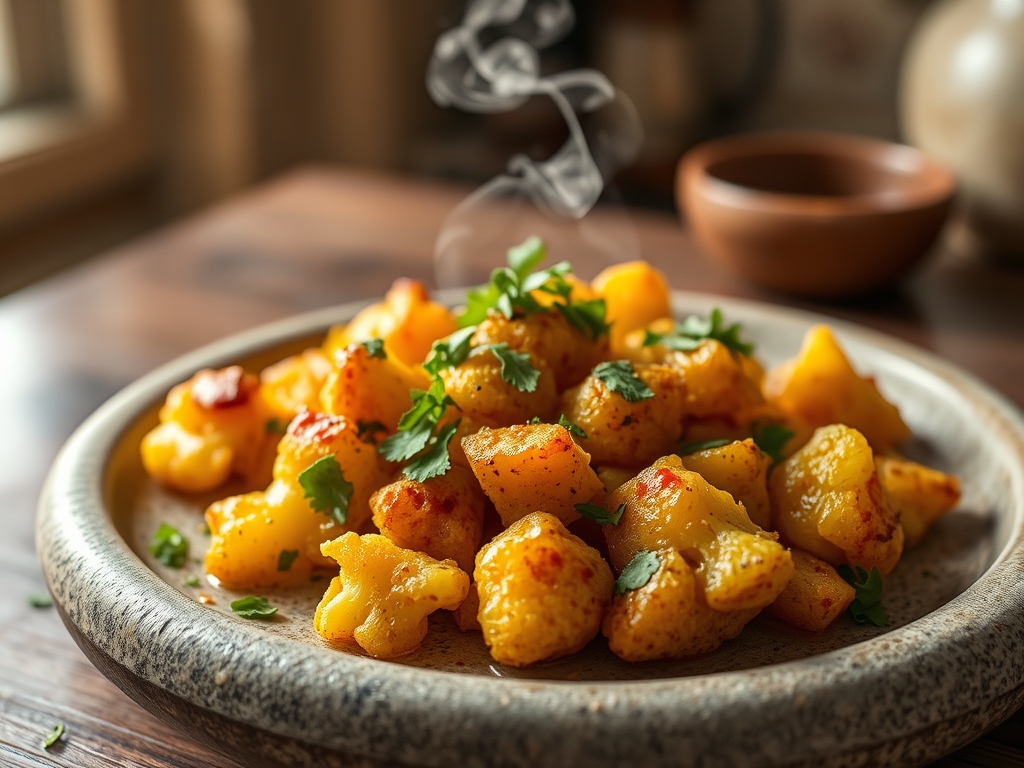
Imagine the sound of a heavy bottomed skillet meeting a high flame; it is the opening chord of a culinary masterpiece. The air thickens with the scent of toasted cumin and the sharp, piquant sting of fresh ginger. When you master indian cauliflower potato recipes, you are not just cooking; you are conducting a symphony of textures. The goal is a delicate balance where the potato is creamy and the cauliflower retains a structural snap. Most home cooks fail because they steam the vegetables into a sad, mushy heap. We are going for gold. We want charred edges, translucent onions, and spices that have been bloomed to their full potential. This is the dish that defines the soul of North Indian comfort food. It is humble, yet when executed with scientific precision, it becomes a gourmet experience that rivals any five star kitchen. Grab your apron and your favorite chef's knife; we are about to transform these cruciferous globes into something truly legendary.
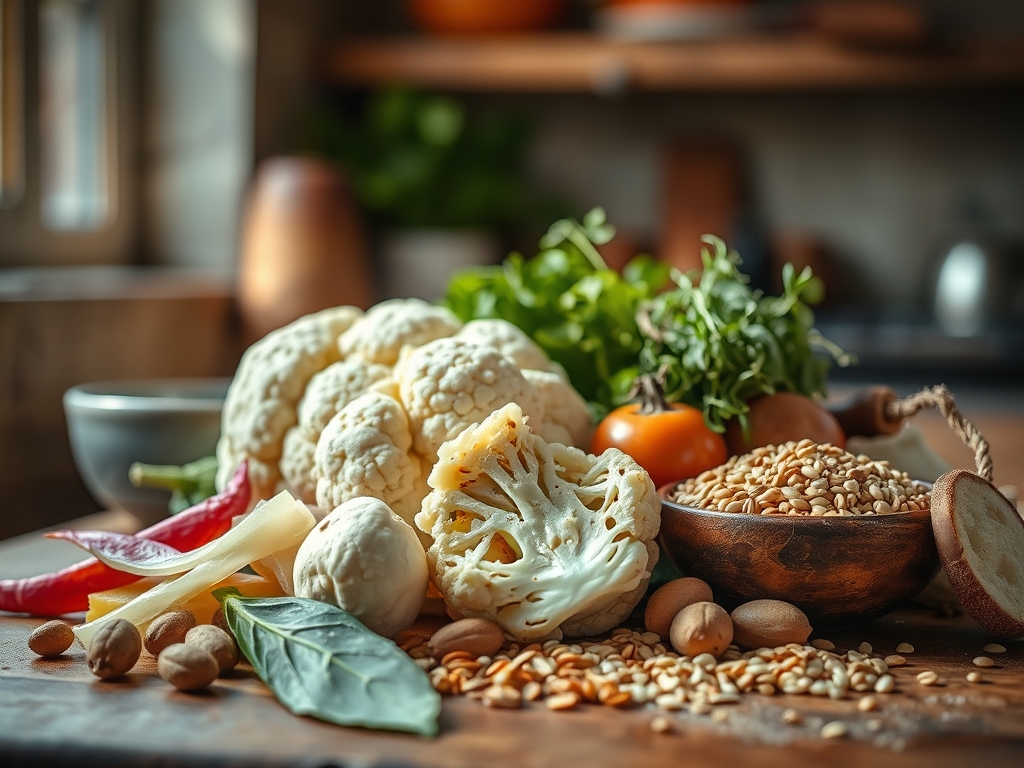
The Gathers:
To achieve a professional result, your mise-en-place must be impeccable. Start with one large head of cauliflower, broken into uniform florets. Uniformity is not just for aesthetics; it ensures even heat distribution. You will need two medium Yukon Gold potatoes. I prefer these over Russets because their waxier starch content holds shape during the tossing process.
For the aromatics, gather fresh ginger and garlic to be processed into a paste using a microplane or mortar and pestle. The spice kit includes turmeric, Kashmiri red chili powder for vibrant color without overwhelming heat, and amchur (dried mango powder) for a necessary acidic lift. You will also need a high smoke point fat like avocado oil or traditional ghee.
Smart Substitutions: If you cannot find amchur, a squeeze of fresh lemon juice added at the very end provides the same brightening effect. For a lower glycemic index, you can swap the potatoes for cubed daikon radish or even firm tofu, though the cooking times will shift slightly. If you lack Kashmiri chili, a mix of paprika and a pinch of cayenne will replicate that deep crimson hue and mild kick.
The Clock
Efficiency in the kitchen is about the "Chef's Flow." Total preparation time should take approximately 15 minutes, primarily focused on the precision of your vegetable cuts. The cooking process spans 25 to 30 minutes.
The flow begins with the potatoes, as they require more time to soften their dense cellular structure. While the potatoes undergo their initial sear, you can finish prepping the ginger and garlic. This staggered approach ensures that no ingredient is overcooked. The final five minutes are reserved for "the rest," a crucial period where residual heat finishes the core of the cauliflower without turning the exterior into mush.
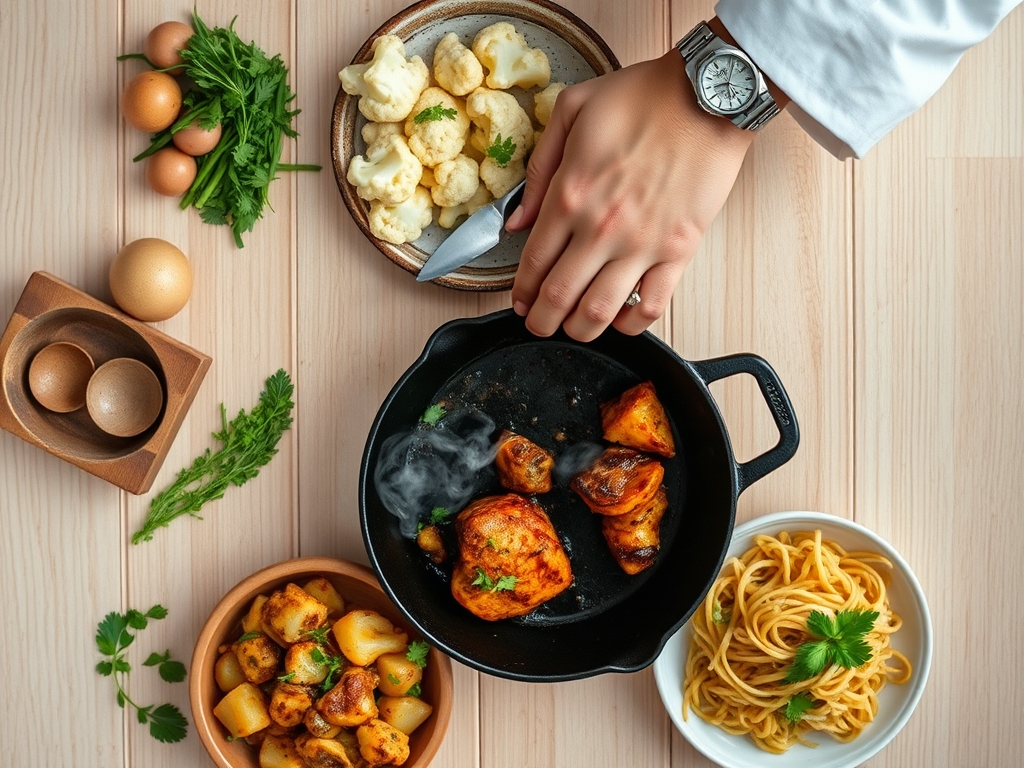
The Masterclass
1. The Tempering Phase
Heat your oil in a heavy bottomed skillet until it shimmers. Add cumin seeds and wait for them to crackle and dance. This is the process of fat infusion, where the essential oils of the spices are released into the cooking medium.
Pro Tip: This is known as the Leidenfrost effect in action. If the oil is too cold, the seeds will soak up fat and become heavy; if it is too hot, they will burn and turn bitter. Aim for 350 degrees Fahrenheit.
2. Searing the Potatoes
Add your cubed potatoes to the hot oil. Do not crowd the pan. Use a bench scraper to move them occasionally, ensuring every side develops a golden crust.
Pro Tip: This stage utilizes the Maillard reaction. By browning the exterior first, you create a flavor depth that boiling or steaming simply cannot replicate. This crust also acts as a structural "exoskeleton" to prevent the potato from falling apart later.
3. Introducing the Cauliflower
Add the cauliflower florets to the skillet. Increase the heat slightly to account for the temperature drop from the cold vegetables. Toss vigorously to coat every piece in the infused oil.
Pro Tip: Cauliflower contains high water content. By using a wide skillet instead of a deep pot, you allow moisture to evaporate quickly, preventing the dreaded "steaming effect" and promoting caramelization.
4. The Aromatic Infusion
Create a small well in the center of the pan and add your ginger-garlic paste and green chilies. Let them sizzle for 30 seconds until the raw sulfurous scent dissipates, then fold them into the vegetables.
Pro Tip: Garlic contains allicin, which is released upon crushing. Cooking it briefly mellows the bite while preserving the aromatic compounds that would otherwise evaporate during a long simmer.
5. The Dry Spice Bloom
Sprinkle the turmeric, chili powder, and coriander powder over the mixture. Add a splash of water (about two tablespoons) to create a light steam and prevent the spices from scorching.
Pro Tip: This is called deglazing. The small amount of liquid picks up the "fond" (browned bits) from the bottom of the pan and redistributes that concentrated flavor back onto the vegetables.
6. The Covered Simmer
Reduce the heat to low and cover the pan with a tight fitting lid. Let the vegetables steam in their own juices for about 8 to 10 minutes. Use tongs to check the tenderness of a potato cube.
Pro Tip: This stage relies on conductive heat. The trapped steam softens the pectin in the cell walls of the vegetables, making them tender while the dry heat from the bottom continues to crisp the edges.
7. The Final Temper and Garnish
Remove the lid and turn the heat back up to cook off any remaining moisture. Fold in the amchur and a generous handful of chopped cilantro.
Pro Tip: The amchur provides a chemical balance. The acidity cuts through the richness of the oil and the starchiness of the potatoes, making the entire dish feel lighter on the palate.
The Deep Dive
Macro Nutrition: A standard serving of Aloo Gobi is surprisingly balanced. It is rich in Vitamin C and K from the cauliflower and provides complex carbohydrates for sustained energy. One cup typically contains 150 to 180 calories, depending on the amount of oil used.
Dietary Swaps: For a Vegan version, stick with high quality vegetable oil. For Keto enthusiasts, replace the potatoes with extra cauliflower or radishes. The dish is naturally Gluten Free, provided your compounded asafoetida (hing) does not use wheat starch as a filler.
The Fix-It:
- Mushy Texture: If you overcook it, do not toss it. Mash the mixture, add breadcrumbs, and fry them into "Aloo Gobi Tikki" patties.
- Bitter Spices: If you burn the spices, you must start over. Bitterness cannot be masked.
- Blandness: If it tastes flat, it usually needs salt or acid. Add a splash of lime or an extra pinch of chaat masala.
Meal Prep: To reheat, avoid the microwave as it turns the cauliflower rubbery. Instead, use a saucier over medium heat with a teaspoon of water. This recreates the steaming environment and restores the original texture.
The Wrap-Up
Mastering indian cauliflower potato recipes is a rite of passage for any serious home cook. It teaches you the importance of heat management, the science of aromatics, and the beauty of simple ingredients. When you serve this, ensure it is piping hot, perhaps with a side of buttery naan or cooling raita. You have moved beyond a simple recipe into the realm of technical excellence. Enjoy the crunch, the spice, and the satisfaction of a dish done right.
The Kitchen Table
How do I prevent the cauliflower from getting mushy?
The secret is to sauté the cauliflower on high heat initially to sear the exterior and then finish with a very brief covered simmer. Never add excess water; the moisture within the vegetables is usually sufficient for steaming.
Can I make this dish in an Instant Pot?
Yes, but be cautious. Use the "Sauté" function for the potatoes and spices first. Pressure cook on high for only 0 to 1 minute followed by a quick release to prevent the cauliflower from disintegrating into a puree.
What is the best potato for Aloo Gobi?
Yukon Gold potatoes are the gold standard. They possess a medium starch content that allows them to maintain their shape while still developing a creamy, buttery interior that absorbs the spices better than waxy red potatoes.
Why does my Aloo Gobi look yellow instead of red?
The color depends on the ratio of turmeric to chili powder. For a vibrant red orange hue, use Kashmiri red chili powder, which provides intense color with mild heat. Increasing the turmeric will lean the dish toward a bright yellow.