
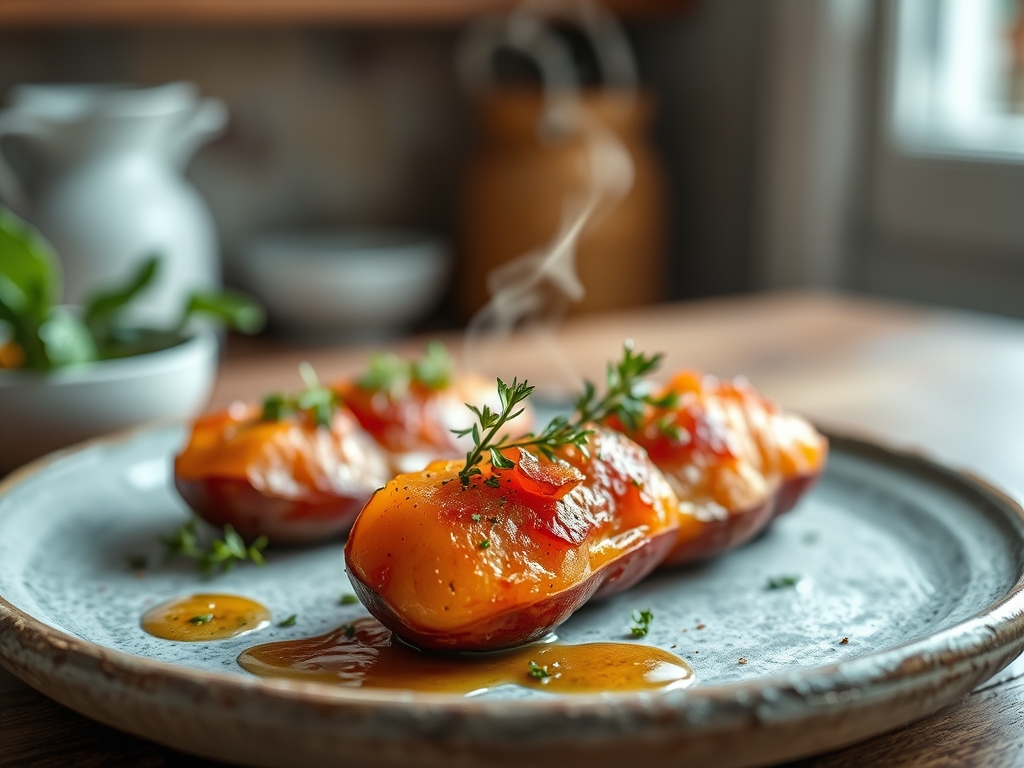
Steam rises in a fragrant, earthy cloud as you slice through a taut, ruby-red skin to reveal the creamy ivory interior. There is something inherently nostalgic about red new potato recipes; they are the culinary equivalent of a warm hug at a summer garden party. Unlike their starchy Russet cousins, these young tubers possess a high moisture content and a waxy cell structure that holds its shape under pressure. Whether you are aiming for a crisp, salt-crusted exterior or a velvety herb-flecked salad, mastering these small wonders requires a blend of intuition and molecular understanding. We are moving beyond the basic boil to explore ten refreshing variations that will turn your weeknight side dish into the star of the table. These recipes are designed for busy families who refuse to sacrifice flavor for speed, utilizing clever techniques to maximize the natural sweetness of the potato while keeping the prep work minimal.
The Gathers:
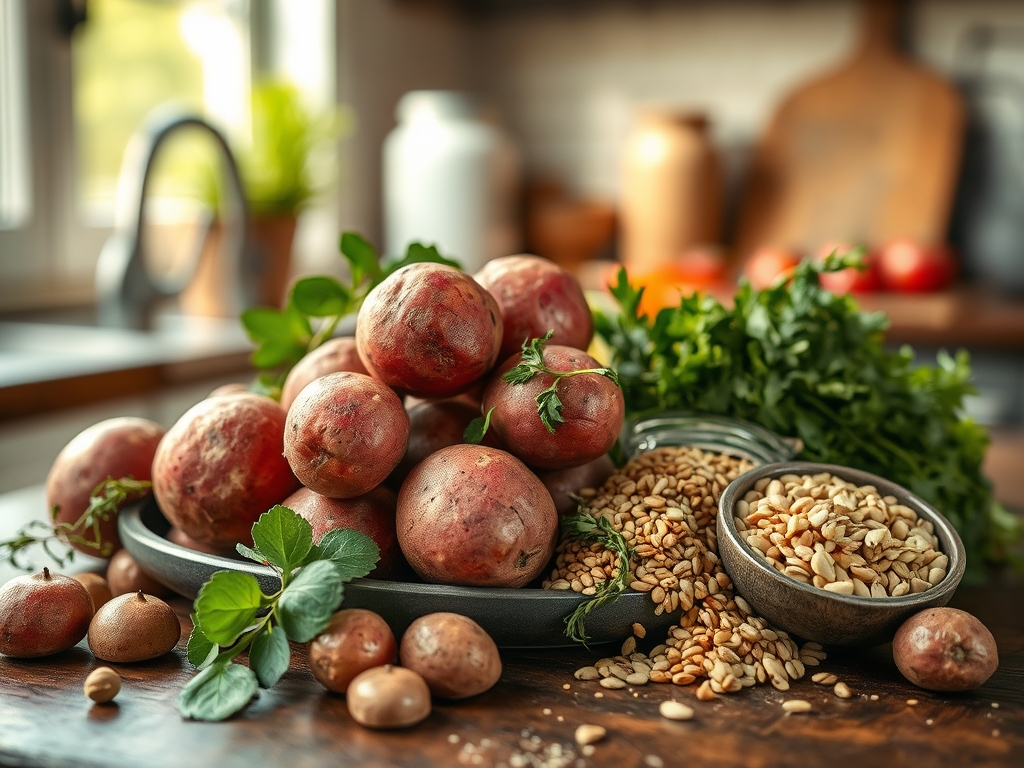
Setting up your station is the first step toward professional-grade results. You will need a digital scale for precision, as potato sizes vary wildly and weight is the only true constant in cooking. For these red new potato recipes, gather three pounds of "B-size" or "C-size" tubers; these are naturally small and require less knife work. You will also need high-quality fats with varied smoke points: extra virgin olive oil for cold emulsifications and duck fat or clarified butter for high-heat roasting.
Fresh aromatics are non-negotiable. Grab a bunch of dill, flat-leaf parsley, and chives. Use a microplane to zest two lemons and grate three cloves of garlic into a fine paste. This creates a piquant base that infuses the oil without the risk of burning large chunks in the oven. For the "Refreshing" element, we utilize acidic components like champagne vinegar or Greek yogurt to cut through the density of the starch.
Smart Substitutions:
If you cannot find red new potatoes, fingerlings are a suitable replacement due to their similar waxy profile. For a dairy-free version of creamy salads, swap mayo for a viscous cashew cream or an avocado-based emulsion. If you are looking to lower the glycemic index, parboil the potatoes the night before and refrigerate them; this process creates resistant starch, which changes how your body processes the carbohydrates.
The Clock:
Efficiency in the kitchen is all about the Chef's Flow. Total active prep time for these recipes is approximately 15 minutes, with a cook time ranging from 20 to 40 minutes depending on the method.
The "Flow" works like this: start your water boiling in a large saucier or stockpot immediately. While the water reaches a boil, wash your potatoes and prep your herbs. By the time the potatoes are simmering, your dressing is whisked and your garnishes are chopped. This overlap ensures that the moment the potatoes reach fork-tender status, they are ready to be dressed while the starch molecules are still open and receptive to flavor.
The Masterclass:
1. The Precision Wash and Sort
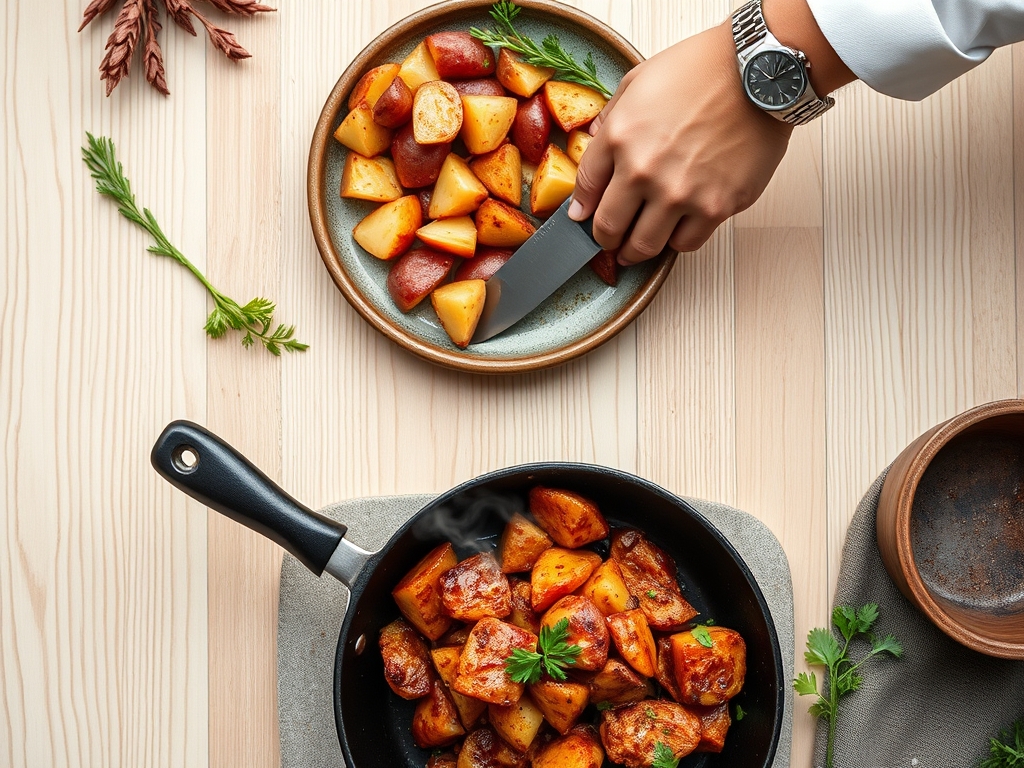
Scrub the potatoes under cold running water to remove residual grit. Sort them by size so they cook at an even rate. Use a bench scraper to move them into your pot.
Pro Tip: Starting potatoes in cold water rather than dropping them into boiling water ensures the exterior does not turn to mush before the center is cooked. This prevents uneven gelatinization of the starches.
2. The Controlled Simmer
Add a generous palmful of kosher salt to the water. It should taste like the sea. Bring to a boil, then immediately drop to a simmer. Use tongs to check for doneness after 12 minutes.
Pro Tip: Adding salt to the water does more than season; it raises the boiling point and helps strengthen the pectin in the potato skins, preventing them from bursting during the cook cycle.
3. The Steam Dry Phase
Drain the potatoes in a colander and let them sit for three minutes. This allows surface moisture to evaporate. If you are roasting, this step is vital for the Maillard reaction.
Pro Tip: This is known as thermal carryover. The internal heat continues to cook the center while the surface dries, which is essential for achieving a crisp texture rather than a soggy one.
4. The Flavor Infusion
While the potatoes are steaming hot, toss them with your vinaigrette or fat. If you are making the "Refreshing Lemon-Dill" version, use your heavy-bottomed skillet to lightly toast the spices before adding the oil.
Pro Tip: Hot potatoes absorb liquid through capillary action. If you wait until they are cold to dress them, the dressing will simply slide off the surface instead of penetrating the flesh.
5. The Final Crisp or Emulsion
For roasted recipes, spread the potatoes on a preheated sheet pan. For cold salads, fold in your creamy elements (like Greek yogurt) only after the potatoes have dropped to room temperature.
Pro Tip: Adding dairy to hot potatoes causes the fats to render and separate, resulting in an oily mess. Cooling them first preserves the creamy, aerated texture of the dressing.
The Deep Dive:
Macro Nutrition: Red new potatoes are a powerhouse of potassium and Vitamin C. A standard serving contains roughly 110 calories, 3 grams of protein, and zero fat (until you add the good stuff). They are naturally gluten-free and highly satiating.
Dietary Swaps:
- Vegan: Use tahini and lemon juice to create a creamy, nut-free dressing.
- Keto: While potatoes are high-carb, you can use this same "Refreshing" flavor profile on roasted cauliflower florets.
- GF: This recipe is naturally safe; just ensure your mustard or bouillon brands are certified.
The Fix-It:
- Soggy Potatoes: You likely skipped the steam-dry phase. Fix it by tossing them in a hot pan for two minutes to cook off excess moisture.
- Bland Center: This means the water wasn't salty enough. Fix it by tossing the cut potatoes in a splash of brine or extra fine sea salt while hot.
- Broken Dressing: If your mayo-based sauce separates, whisk in a teaspoon of warm water to re-emulsify the fats.
Meal Prep Science: To reheat and maintain "day-one" quality, avoid the microwave. Use an air fryer at 350 degrees for five minutes. This re-activates the fats and recrisps the skin without making the interior rubbery.
The Wrap-Up:
There you have it; ten ways to elevate the humble red potato into a sophisticated, family-friendly side. By understanding the science of starch and the importance of temperature control, you can pivot from a zesty Mediterranean salad to a crispy garlic-parmesan roast with ease. Remember to dress your potatoes while they are thirsty and salt your water like you mean it. These recipes are not just about feeding a crowd; they are about mastering the subtle art of the perfect texture. Get into the kitchen, grab your favorite saucier, and start experimenting with these refreshing flavors today.
The Kitchen Table:
Why do my red potatoes get gummy?
Gumminess occurs when potatoes are overworked or overcooked, causing the starch cells to rupture. To prevent this, simmer gently and avoid over-mixing. Use a sharp knife to slice rather than mashing them with a blunt tool.
Should I peel red new potatoes?
No, the skins of red new potatoes are incredibly thin and nutrient-dense. They provide a structural contrast to the creamy interior and add vibrant color to your plate. Simply scrub them well to remove any surface debris.
Can I make these potato recipes ahead of time?
Yes, red new potato salads actually improve after a few hours as the flavors infuse. However, if you are making a crispy roasted version, it is best served immediately to maintain the textural contrast between the skin and flesh.
What is the best way to store leftovers?
Store leftovers in an airtight glass container in the refrigerator for up to four days. For the best texture, avoid freezing cooked potatoes, as the ice crystals will destroy the waxy cell structure and lead to a mealy mouthfeel.