
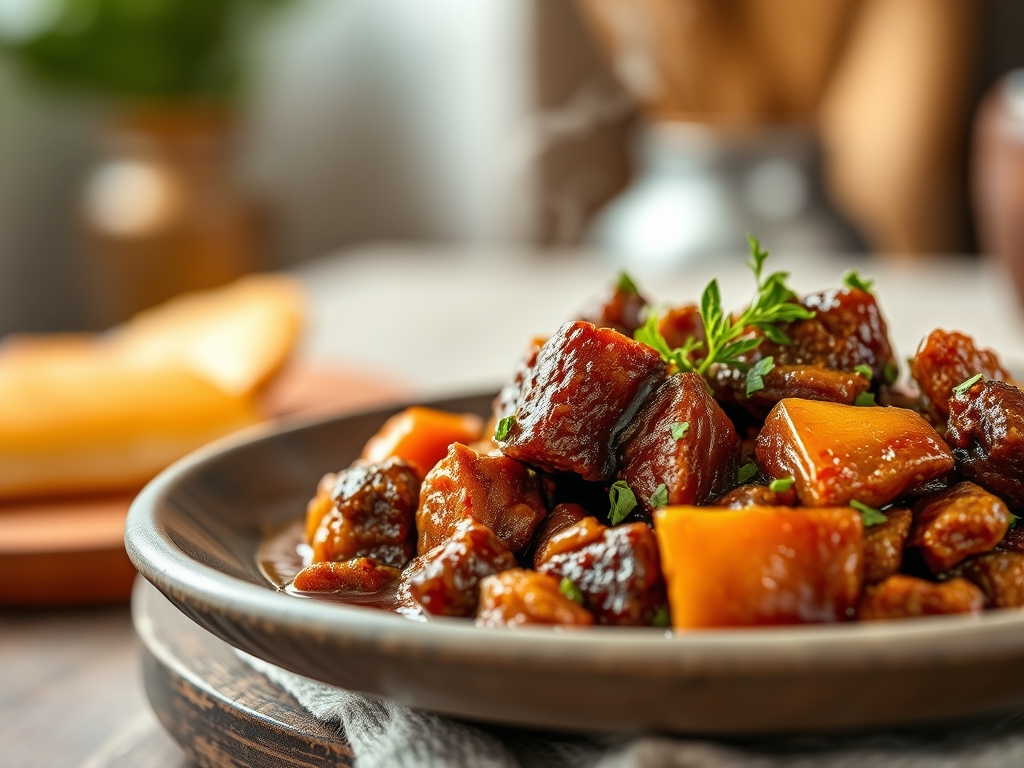
Imagine the scent of caramelized pineapple colliding with the deep, earthy richness of slow simmered chuck. It is a sensory bridge between the volcanic soils of the Pacific and the rustic kitchens of the Mediterranean. When you master spanish stew beef recipes, you are not just making dinner; you are conducting a symphony of high heat and low moisture. The beef transforms from a tough, fibrous cut into velvet morsels that practically dissolve against the roof of your mouth. We are taking that classic technique and infusing it with tropical electricity; think ginger, soy, and bright citrus acidity. This is comfort food with a passport, designed to make your kitchen smell like a five star resort at sunset.
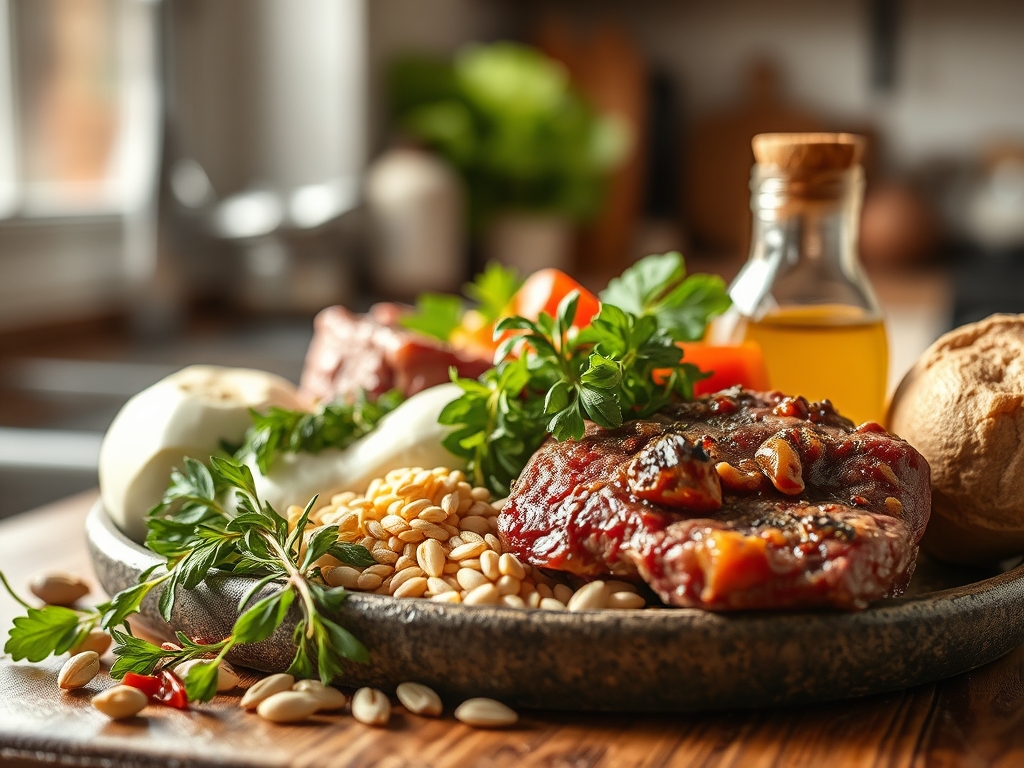
The Gathers:
To achieve that specific, viscous sauce consistency, your mise en place must be precise. Start with three pounds of grass fed beef chuck, cubed into uniform two inch pieces. You will need high smoke point fats like avocado oil to facilitate the Maillard reaction without scorching. The tropical profile requires fresh aromatics: grated ginger, smashed garlic cloves, and a quart of unsweetened pineapple juice. For the Spanish influence, grab high quality smoked paprika (pimenton) and a bottle of dry sherry for deglazing.
Smart Substitutions: If you cannot find beef chuck, use boneless short ribs for a higher fat content and richer mouthfeel. Instead of sherry, a splash of apple cider vinegar mixed with a pinch of brown sugar mimics that piquant acidity. For a nightshade free version, swap the paprika for a blend of toasted cumin and turmeric to keep the warmth without the pepper heat. Use a microplane for your ginger and garlic to ensure they melt into the emulsion rather than leaving gritty textures.
The Clock
Preparation requires a focused thirty minutes of knife work. You must trim the silver skin and excess gristle to ensure every bite is tender. The cooking phase is where the magic happens; it takes approximately three hours of gentle simmering. This is the Chef's Flow: use the first hour for the heavy lifting of searing and building the base, then let the thermal energy do the work while you reclaim your afternoon. A digital scale is your best friend here to ensure the salt to liquid ratio is exactly 1.5 percent by weight for optimal seasoning.
The Masterclass
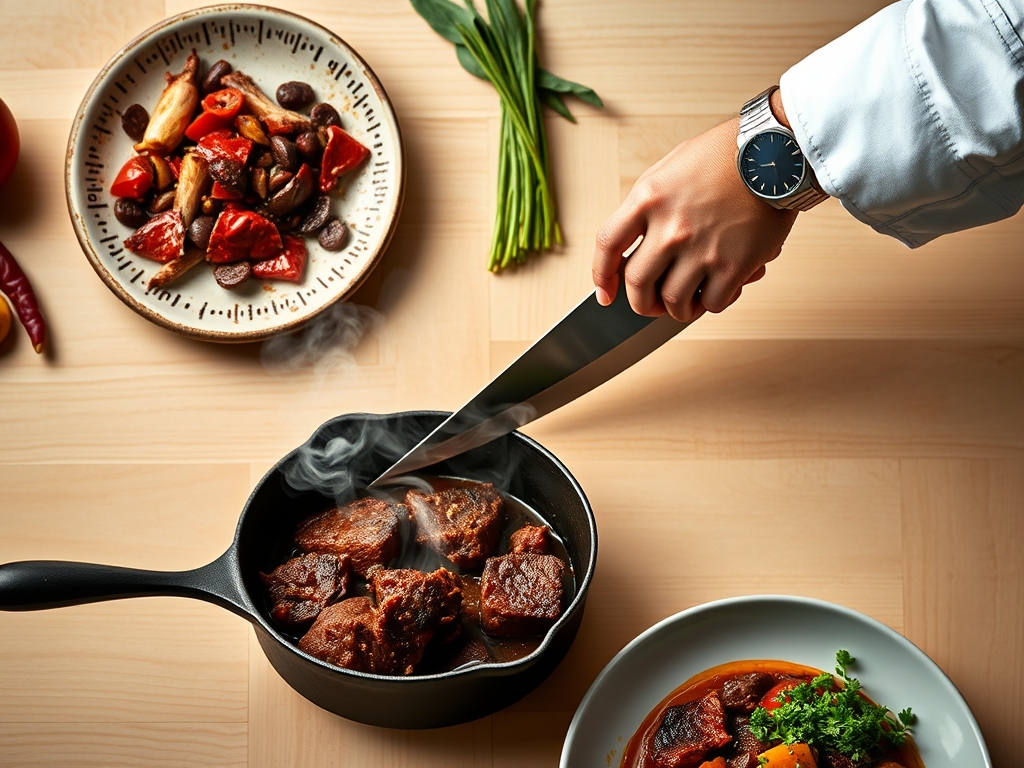
1. The Sear and the Science of Maillard
Pat the beef completely dry with paper towels. Moisture is the enemy of browning. Heat your heavy-bottomed skillet until the oil shimmers. Sear the beef in batches, ensuring pieces do not touch.
Pro Tip: This stage relies on the Maillard reaction, a chemical dance between amino acids and reducing sugars that occurs above 285 degrees Fahrenheit. If you crowd the pan, the temperature drops and the meat steams in its own juices, resulting in a gray, rubbery texture instead of a crusty, umami rich exterior.
2. Deglazing the Fond
Once the meat is removed, the bottom of your pan will be covered in dark, flavorful bits called fond. Pour in your sherry and use a bench scraper or wooden spoon to lift every speck.
Pro Tip: Deglazing is a solvent based extraction. The alcohol in the sherry dissolves flavor compounds that water alone cannot reach. This creates a complex, layered base that defines the best spanish stew beef recipes.
3. The Aromatic Infusion
Lower the heat and add your aromatics. Sauté the onions until translucent, then add the garlic, ginger, and pimenton. Stir constantly for sixty seconds until the oils in the spices are bloomed and fragrant.
Pro Tip: Spices are fat soluble. By toasting them in the rendered beef fat before adding liquid, you are "blooming" the volatile oils, which significantly amplifies the flavor profile throughout the entire pot.
4. The Low and Slow Braise
Return the beef to the pot and add the pineapple juice and beef stock until the meat is two thirds submerged. Bring to a bare simmer, then cover tightly.
Pro Tip: Transitioning from dry heat to moist heat breaks down collagen. Over three hours, the tough connective tissue transforms into gelatin. This process requires a steady temperature between 180 and 190 degrees Fahrenheit; boiling will toughen the muscle fibers, so keep those bubbles lazy.
5. Emulsifying the Sauce
Once the beef is fork tender, remove it. Increase the heat to reduce the liquid by half. Whisk in a knob of cold butter or a splash of coconut cream to finish.
Pro Tip: This is a reduction emulsion. By boiling off the water, you concentrate the solutes. Adding a fat source at the end "mounts" the sauce, creating a glossy, velvet sheen that coats the back of a spoon perfectly.
The Deep Dive
From a nutritional standpoint, this dish is a powerhouse of bioavailable iron and zinc. A standard serving contains roughly 35 grams of protein and 12 grams of healthy fats. If you are following a Keto lifestyle, omit the pineapple juice in favor of extra beef broth and a squeeze of lime. For a Vegan twist, swap the beef for king oyster mushrooms or seitan, though you should reduce the cooking time to forty minutes to avoid mushiness.
The Fix-It:
- Too Salty: Do not add water; it dilutes the body. Instead, drop in a peeled potato for twenty minutes to absorb excess sodium, or add a teaspoon of honey to balance the palate.
- Too Thin: Create a slurry using one tablespoon of arrowroot powder and cold water. Whisk it into the boiling sauce for an instant, clear thicken.
- Tough Meat: This usually means you haven't cooked it long enough. If the beef is still chewy, it simply hasn't hit the collagen breakdown point. Give it another thirty minutes.
Meal Prep: To reheat, avoid the microwave. Use a saucier over low heat and add two tablespoons of water or stock. This prevents the gelatin from breaking and ensures the beef stays hydrated, maintaining that "day-one" silky texture.
The Wrap-Up
There is a profound joy in mastering a dish that feels both exotic and familiar. These tropical spanish stew beef recipes are the ultimate crowd pleasers because they hit every flavor note: salty, sweet, sour, and savory. Whether you are serving this over coconut rice or with a side of crusty sourdough, the result is always the same; a quiet table because everyone is too busy eating. Grab your tongs, fire up the stove, and let the science of slow cooking transform your kitchen into a tropical escape.
The Kitchen Table
Why is my stew beef still tough after two hours?
Toughness usually indicates the collagen hasn't fully converted to gelatin. Ensure your liquid is at a consistent simmer, not a boil. Some tougher cuts simply require an extra thirty to sixty minutes to reach peak tenderness.
Can I make this in a slow cooker?
Yes, but sear the beef in a heavy-bottomed skillet first. Transfer everything to the slow cooker and cook on low for six to eight hours. Searing is essential for the deep umami flavor typical of Spanish recipes.
What is the best way to thicken the sauce?
The most professional method is a reduction. Simmer the liquid without a lid until it coats a spoon. For a faster fix, whisk in a small amount of cornstarch slurry or cold butter at the very end.
How long does beef stew last in the fridge?
The flavor actually improves after twenty four hours as the aromatics continue to infuse. Store it in an airtight container for up to four days, or freeze it for up to three months without losing quality.