
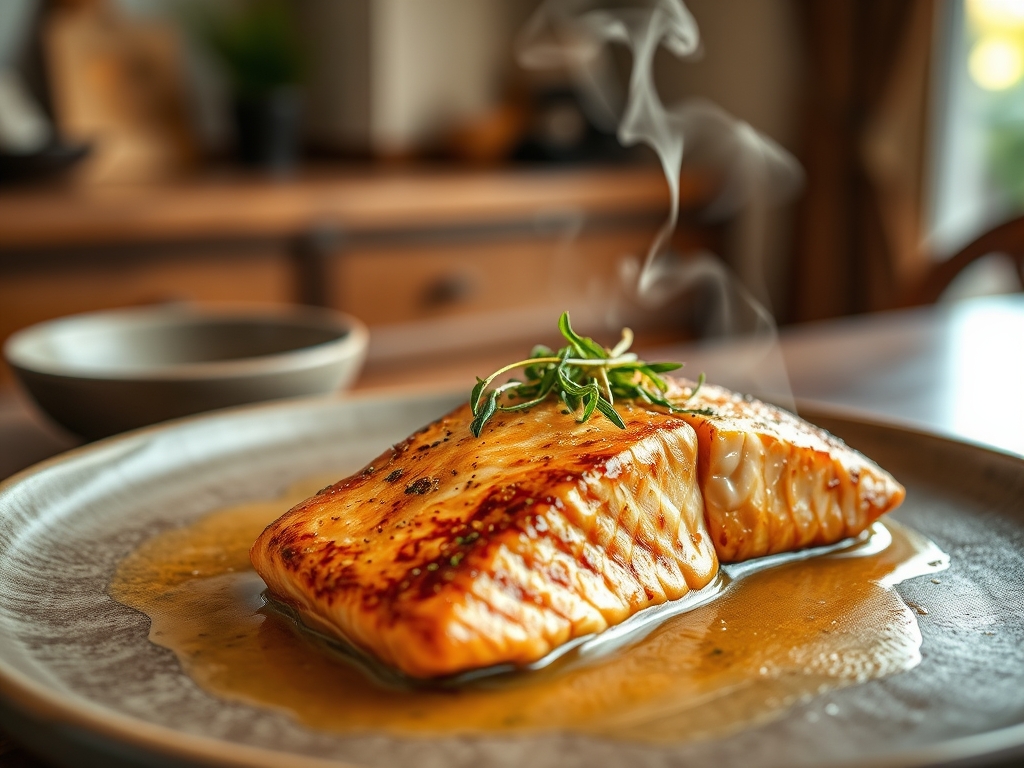
Picture a heavy-bottomed skillet shimmering with a thin veil of oil; the air is thick with the scent of sea salt and citrus. If you are tired of the same old pan-seared routine, it is time to explore truly interesting salmon recipes that bridge the gap between home cooking and molecular gastronomy. We are moving beyond the basic fillet to unlock the hidden potential of this fatty, versatile fish.
Salmon is a culinary chameleon. Its high lipid content makes it the perfect canvas for complex chemical reactions, from the caramelization of natural sugars to the delicate emulsification of fat-based sauces. Most people treat salmon as a chore, but we are treating it as an experiment in texture and temperature. Whether you are aiming for a glass-like skin or a center that melts like butter, the secret lies in understanding the cellular structure of the protein. By the time we finish, you will possess a repertoire of interesting salmon recipes that rely on precision rather than luck. We are going to harness the Maillard reaction, master the art of the gentle poach, and use professional tools to elevate your kitchen game to executive chef levels.
The Gathers:
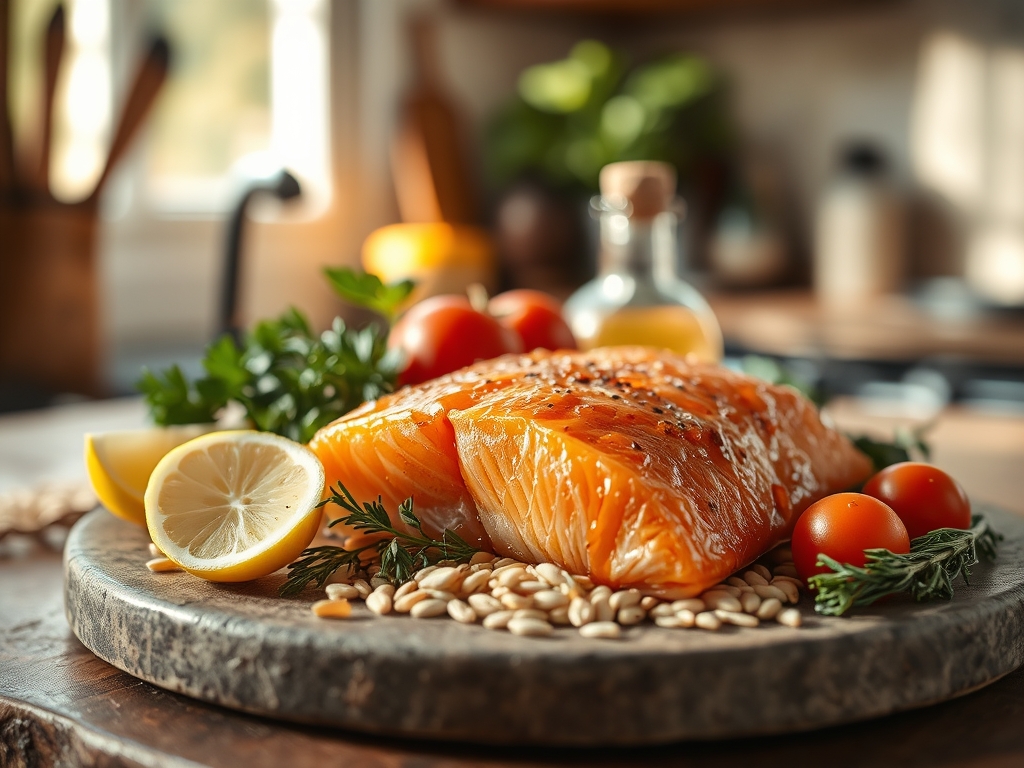
Before we ignite the burner, we must assemble our mise-en-place with surgical precision. Professional cooking is 80 percent preparation and 20 percent execution. You will need a high-quality, center-cut fillet; look for vibrant color and a firm texture that springs back when touched. For the flavor profile, gather piquant capers, fresh dill, and a bulb of garlic. You will also need a high-smoke-point fat, such as avocado oil or clarified butter, to ensure we do not reach the acrid point of carbonization during searing.
The tools of the trade are non-negotiable for these interesting salmon recipes. Reach for your microplane to zest citrus without hitting the bitter white pith. A digital scale is essential for measuring your dry brine, as salt density varies wildly between brands. You will also need a saucier for whisking together a silky emulsion and a heavy-bottomed skillet, preferably cast iron or stainless steel, to maintain consistent thermal mass.
Smart Substitutions:
If you cannot find fresh dill, use tarragon for a subtle anise note. If you are avoiding dairy, replace the butter in your sauces with a high-quality coconut cream or a neutral-flavored avocado oil to maintain a viscous mouthfeel. For those who prefer a deeper umami profile, a splash of liquid aminos can replace traditional salt in your initial seasoning phase.
The Clock:
Mastering the "Chef's Flow" is about timing your actions so that every component of the dish reaches its peak simultaneously. Preparation takes approximately 15 minutes; this includes the crucial step of dry-brining your fish to draw out excess moisture. The cooking process itself is swift, usually spanning 8 to 12 minutes depending on the thickness of the cut.
The flow begins with the brine, followed by the preparation of your aromatic base while the fish rests. While the pan preheats, you prepare your side components. The goal is to minimize the time the fish spends away from the heat before it hits the plate. Remember, salmon continues to cook even after it leaves the pan due to thermal carryover, so your timing must account for this invisible heat.
The Masterclass:
1. The Dry Brine Technique
Start by patting your salmon bone-dry with paper towels. Sprinkle a precise mixture of kosher salt and a touch of sugar over the flesh. Allow it to sit for 10 minutes. You will see moisture bead on the surface; this is osmosis in action. Wipe this moisture away before the fish hits the pan.
Pro Tip: This process seasons the fish deeply while removing water that would otherwise steam the protein. By removing surface moisture, you facilitate a faster Maillard reaction, resulting in a golden-brown crust rather than a grey, boiled texture.
2. Cold-Pan Skin Rendering
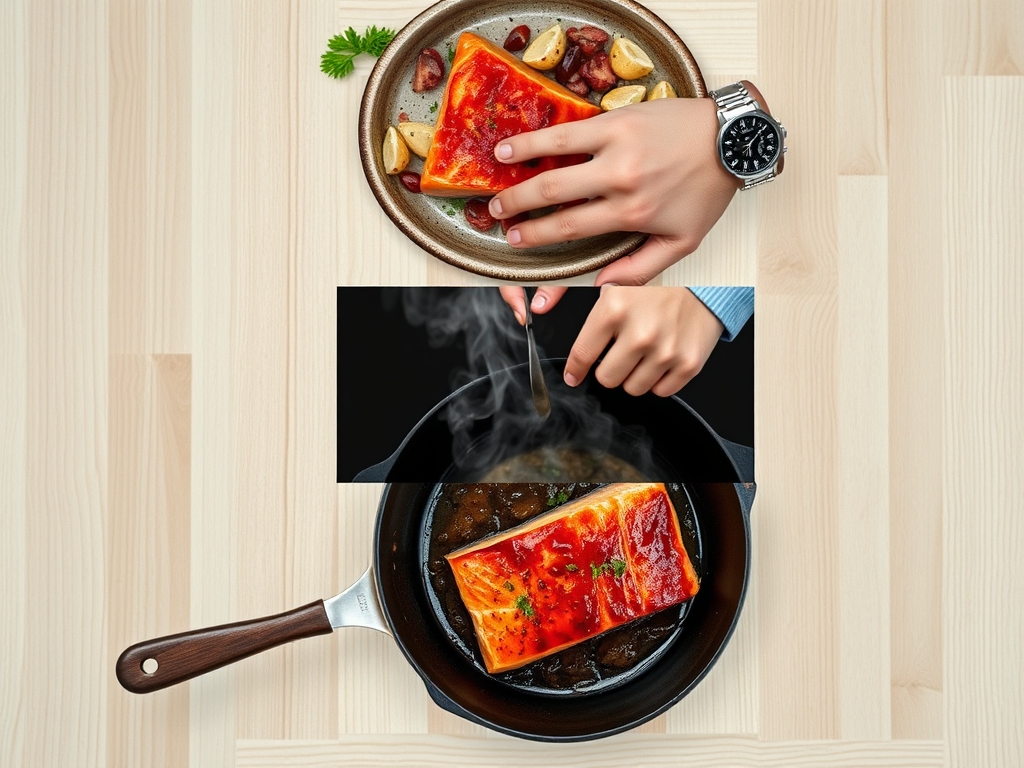
Place the salmon skin-side down in a cold, heavy-bottomed skillet with a teaspoon of oil. Turn the heat to medium-low. As the pan heats, the fat under the skin begins to render slowly. Use your tongs to press the fish down firmly for the first 30 seconds to prevent the skin from curling.
Pro Tip: Starting with a cold pan prevents the protein fibers from "shocking" and tightening too quickly. This slow render allows the collagen in the skin to break down into gelatin, resulting in a texture as crisp as a potato chip.
3. The Aromatic Infusion
Once the skin is crispy and the flesh is cooked about 70 percent of the way through, toss in crushed garlic cloves, a sprig of thyme, and a knob of butter. Tilt the pan and use a large spoon to infuse the hot, bubbling fat over the raw top of the fish.
Pro Tip: This technique, known as "arrosage," uses fat as a heat transfer medium. The butter solids undergo enzymatic browning, adding a nutty aroma that penetrates the delicate flakes without overcooking the center.
4. Deglazing for the Pan Sauce
Remove the salmon and set it on a warm plate. Immediately deglaze the hot skillet with a splash of dry white wine or citrus juice. Use a bench scraper or whisk to lift the "fond" (the browned bits) from the bottom of the pan.
Pro Tip: The fond contains concentrated flavor molecules created during searing. By adding a liquid, you create a chemical suspension that forms the base of a highly flavorful, professional-grade sauce.
5. Emulsifying the Finish
Reduce the heat to low and whisk in cold cubes of butter or a spoonful of creme fraiche. Use your saucier to vigorously aerate the mixture until it becomes thick and glossy. This is a temporary emulsion that requires constant motion to stay stable.
Pro Tip: Cold fat added to a warm liquid creates a stable emulsion because the fat droplets are dispersed before they can fully melt and separate. This provides a luxurious, coating consistency without the need for flour-based thickeners.
6. The Resting Period
Allow the salmon to rest for exactly three minutes before serving. This allows the internal juices, which were pushed to the center by the heat, to redistribute throughout the fillet.
Pro Tip: Resting accounts for thermal carryover, where the internal temperature can rise by as much as 5 degrees after removal from heat. Skipping this step results in all the flavorful juices running out onto the plate the moment you cut into it.
The Deep Dive:
Macro Nutrition:
Salmon is a powerhouse of Omega-3 fatty acids, specifically EPA and DHA, which are vital for cognitive function. A standard 6-ounce serving provides roughly 34 grams of high-quality protein and zero carbohydrates, making it a staple for metabolic health.
Dietary Swaps:
For a Vegan alternative, use thick slices of marinated "watermelon steak" or firm tofu, though the cooking times will vary. For Keto followers, double down on the butter emulsion. If you are Gluten-Free, ensure your deglazing liquid is a pure wine or citrus, avoiding pre-mixed sauces that may contain hidden starches.
The Fix-It:
- White Gunk (Albumin): If white bubbles appear on the surface, you are cooking too fast. Fix it by lowering the heat immediately; next time, try a longer dry brine.
- Sticking Skin: This happens if the pan wasn't clean or you moved the fish too soon. Fix it by letting it sit; the skin will naturally release once the proteins have fully denatured and browned.
- Dry Texture: You have overshot the internal temperature. Fix it by serving with an extra-fatty emulsion or a drizzle of olive oil to add moisture back to the palate.
Meal Prep:
To reheat salmon without it turning into rubber, use the "low and slow" method. Place it in a 275-degree oven with a tablespoon of water and cover it tightly with foil. This creates a mini-steam chamber that gently rehydrates the proteins.
The Wrap-Up:
You are now equipped with the technical prowess to turn a simple piece of fish into a masterpiece of interesting salmon recipes. By focusing on the science of heat transfer and the chemistry of emulsions, you have moved beyond the recipe card and into the realm of true culinary intuition. Go forth, grab your skillet, and make your kitchen the most interesting place in the house!
The Kitchen Table:
How do I prevent salmon from smelling "fishy"?
Freshness is key, but soaking the fillet in milk for twenty minutes before cooking can neutralize trimethylamine, the compound responsible for that pungent odor. Always pat the fish completely dry after the soak to ensure a proper sear.
What is the ideal internal temperature for salmon?
For a moist, flaky texture, aim for an internal temperature of 125 degrees Fahrenheit for medium-rare or 135 degrees for medium. Remember that carryover cooking will increase the temperature by several degrees once the fish is removed from the pan.
Can I use frozen salmon for these recipes?
Yes, provided you thaw it slowly in the refrigerator. To maintain texture, ensure you pat it extremely dry to remove excess moisture from the freezing process. This prevents the fish from steaming rather than searing in the skillet.
Why is my salmon skin not getting crispy?
The most common culprit is residual moisture or a pan that isn't heavy enough to hold heat. Ensure the skin is bone-dry and use a heavy-bottomed skillet to maintain the consistent temperature needed for the rendering process.