
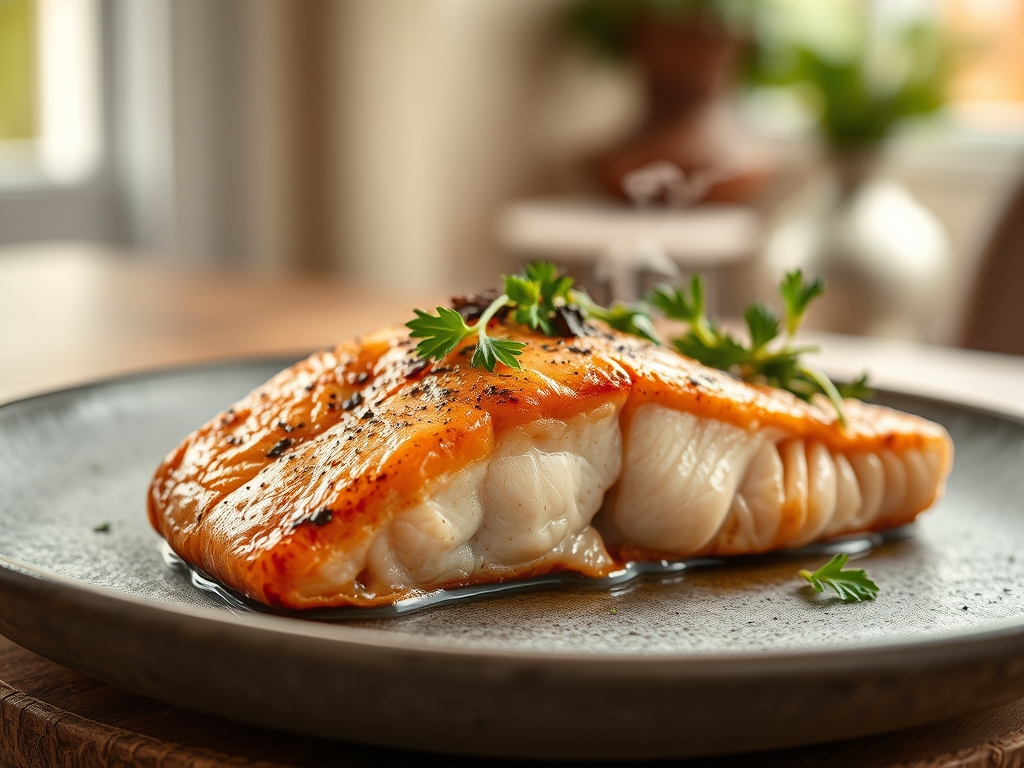
Imagine the sound of a cold, heavy-bottomed stainless steel skillet meeting a dry fillet of King salmon; it is a sharp, percussive hiss that signals the start of a chemical transformation. When you explore high-end bon appetit salmon recipes, you are not just cooking a piece of fish; you are orchestrating a delicate balance between heat and protein structure. The air fills with the scent of rendered fats and toasted aromatics, turning your kitchen into a sanctuary of high-density flavor. Achieving that glass-like skin and succulent, translucent interior requires more than luck. It requires an understanding of how amino acids react under pressure and how moisture management dictates texture. We are moving beyond the basic weeknight bake into the realm of professional culinary styling where every sear is intentional and every glaze is a calculated reduction. By the end of this guide, your approach to seafood will be fundamentally altered by the intersection of molecular science and aesthetic plating.
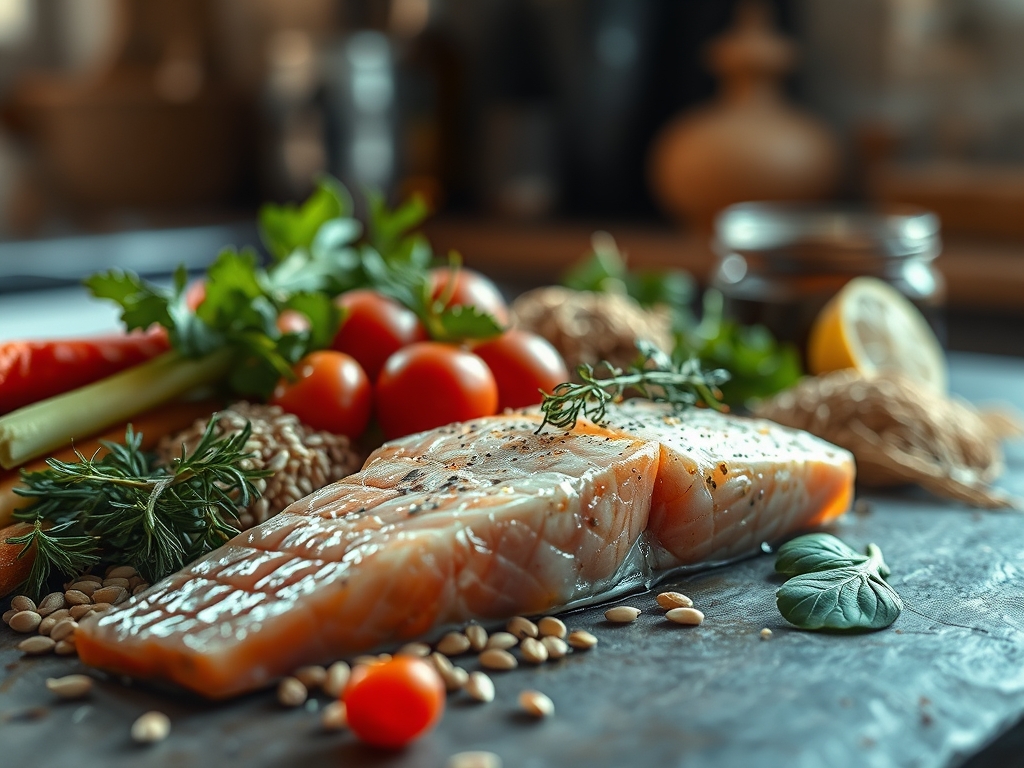
The Gathers:
To execute these bon appetit salmon recipes with precision, your mise-en-place must be impeccable. Start with the centerpiece: center-cut fillets, ideally skin-on to provide a structural thermal barrier during the searing process. You will need a high-smoke-point lipid, such as avocado oil or clarified butter, to facilitate the Maillard reaction without scorching. For the flavor profile, gather piquant aromatics like shallots, garlic, and ginger; use a microplane to zest citrus fruits, ensuring you capture the volatile oils without the bitter white pith.
The pantry staples for these masterpieces include flaky sea salt for textural contrast and a viscous sweetener like Manuka honey or maple syrup to help the glaze infuse the surface of the fish. If you find yourself missing an ingredient, utilize smart substitutions. Swap heavy cream for full-fat coconut milk to maintain a velvety mouthfeel while adding a tropical note. If fresh dill is unavailable, fennel fronds offer a similar herbaceous quality with a subtle anise finish. Always use a digital scale for your dry rubs to ensure consistency in salinity and spice density.
The Clock
The "Chef's Flow" is the secret to a stress-free kitchen. A sophisticated salmon dish typically requires 15 minutes of active preparation and 12 to 18 minutes of cooking time, depending on the thickness of the fillet. Begin by tempering your fish; let it sit at room temperature for 20 minutes. This prevents the muscle fibers from seizing when they hit the hot pan, which leads to a more even cook. While the salmon tempers, use a bench scraper to organize your chopped aromatics. The goal is to have all components ready before the first drop of oil hits the skillet, as the window between "perfectly medium-rare" and "overextended" is less than sixty seconds.
The Masterclass
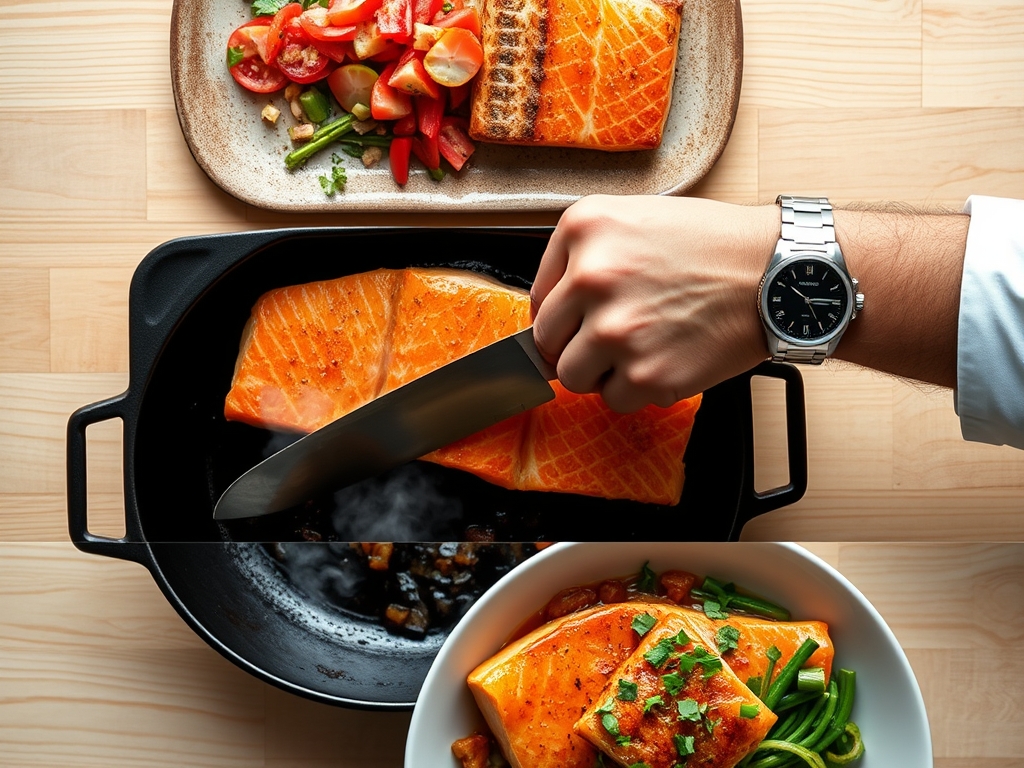
1. Moisture Extraction and Surface Prep
Use a paper towel to pat the skin side of the salmon until it is bone-dry. Any residual moisture will create steam, preventing the skin from becoming crisp.
Pro Tip: This is known as hygroscopy. By removing surface water, you allow the heat to immediately begin breaking down the collagen in the skin rather than wasting energy evaporating water.
2. The Initial Sear
Place the salmon skin-side down in a preheated heavy-bottomed skillet. Use a flexible fish spatula to apply firm pressure for the first 30 seconds.
Pro Tip: This prevents the natural curling of the fish caused by protein denaturation. Pressing the fillet ensures maximum surface contact for a uniform, golden-brown crust.
3. Arrosage and Basting
Once the skin is crisp, add cold butter, crushed garlic, and thyme to the pan. Tilt the skillet and use a large spoon to continuously bathe the fish in the foaming fat.
Pro Tip: This technique, called arrosage, uses hot fat to gently cook the top of the fillet while it remains skin-side down. It builds a complex flavor profile through the infusion of toasted milk solids.
4. Deglazing the Pan
Remove the fish and set it aside on a warm plate. Add a splash of dry white wine or citrus juice to the skillet, scraping up the browned bits with a wooden spoon.
Pro Tip: This process is deglazing. You are capturing the fond, which is the concentrated essence of caramelized proteins and sugars, to create a deeply savory pan sauce.
5. Emulsifying the Saucier
Slowly whisk cold cubes of butter into your reduction using a saucier. Continue until the sauce is glossy and coats the back of a spoon.
Pro Tip: This creates a stable emulsion. The cold butter prevents the sauce from breaking, resulting in a luxurious texture that clings to the salmon without feeling greasy.
6. The Rest and Carryover
Allow the salmon to rest for three to five minutes before serving.
Pro Tip: This accounts for thermal carryover. The internal temperature will continue to rise by about five degrees, allowing the juices to redistribute through the muscle fibers for a succulent bite.
7. The Final Garnish
Finish with a sprinkle of Maldon salt and a final pass of the microplane with fresh lemon zest.
Pro Tip: The salt provides a sensory pop that enhances the perception of other flavors, while the fresh zest provides bright, aromatic top notes that cut through the richness of the fish.
The Deep Dive
From a macro perspective, salmon is a nutritional powerhouse, offering high concentrations of Omega-3 fatty acids and roughly 25 grams of protein per six-ounce serving. For those following a Keto lifestyle, this dish is naturally compliant due to its high healthy fat content. To make it Vegan, swap the salmon for a thick "steak" of roasted cauliflower or king oyster mushrooms, using miso paste to replicate the umami depth. Gluten-free diners can rest easy as long as they ensure their tamari or soy sauce substitutes are certified.
The Fix-It: Common Pitfalls
- The Albumin Ooze: If you see white goop seeping out, your heat is too high. This is albumin, a protein that escapes when fibers contract too quickly. Fix: Lower the flame and pull the fish off the heat slightly earlier.
- Sticking Skin: If the fish resists being flipped, it is not ready. The Maillard reaction creates a natural release once the crust is formed. Fix: Wait another 30 seconds before attempting to move it.
- Broken Sauce: If your pan sauce looks oily and separated, it has overheated. Fix: Whisk in a teaspoon of heavy cream or a splash of water to re-emulsify the fats.
Meal Prep Science: To reheat salmon without it becoming rubbery, avoid the microwave. Instead, use a low-temperature oven (275 degrees Fahrenheit) with a splash of water covered in foil. This creates a gentle steam environment that rehydrates the proteins without overcooking the core.
The Wrap-Up
Mastering these bon appetit salmon recipes is about more than just following a list of instructions; it is about developing an intuition for the heat and the ingredients. When you understand why we dry the skin or why we rest the meat, you transition from a cook to a creator. These seven masterpieces are designed to impress, but they are also designed to nourish. So, grab your tongs, fire up that skillet, and prepare to serve a dish that is as intellectually satisfying as it is delicious. Your kitchen is now a laboratory of flavor.
The Kitchen Table
How do I get the skin extra crispy?
Ensure the skin is completely dry before cooking. Use a bench scraper to remove excess moisture and start in a cold pan or a very hot one with high-smoke-point oil. Press down firmly with a spatula to ensure even contact.
Why does my salmon always turn out dry?
Dryness is usually caused by overcooking. Salmon is best served medium-rare to medium. Use a digital thermometer to pull the fish at 125 degrees Fahrenheit; thermal carryover will bring it to a perfect 130 degrees while resting.
Can I use frozen salmon for these recipes?
Yes, but thaw it completely in the refrigerator first. Frozen fish often retains more moisture, so you must be extra diligent about drying the surface with paper towels to ensure you still achieve a proper Maillard reaction sear.
What is the best pan for searing salmon?
A heavy-bottomed stainless steel or cast iron skillet is best. These materials retain heat efficiently, providing the consistent temperature needed to render the fat in the skin and create a professional-grade, golden-brown crust without sticking.