
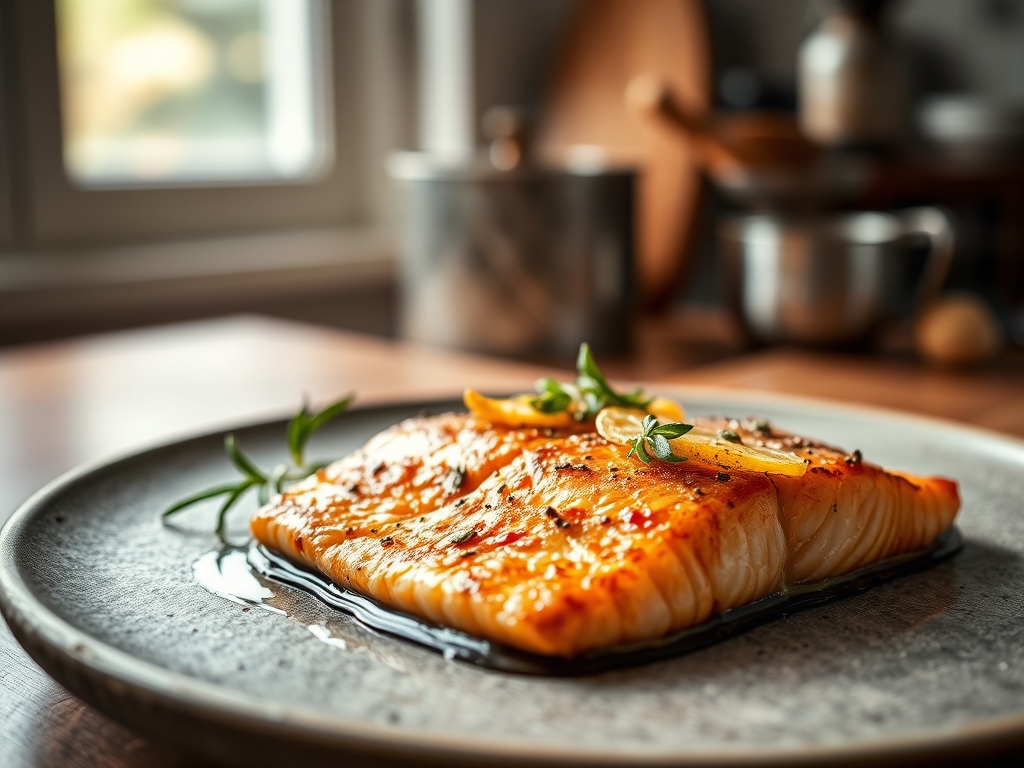
Imagine the sound of cold, pink flesh hitting a preheated sheet pan; that sharp, rhythmic sizzle is the sound of dinner being solved. We have all been there, standing in front of the refrigerator at 6:00 PM with nothing but a dream and a deadline. This is where quick salmon recipes in oven become your absolute superpower. Within twenty minutes, you can transform a raw fillet into a masterpiece of flaky, butter-soft protein that rivals any high-end bistro. It is not just about speed; it is about the chemistry of high-heat roasting that locks in moisture while creating a delicate, golden crust on the exterior.
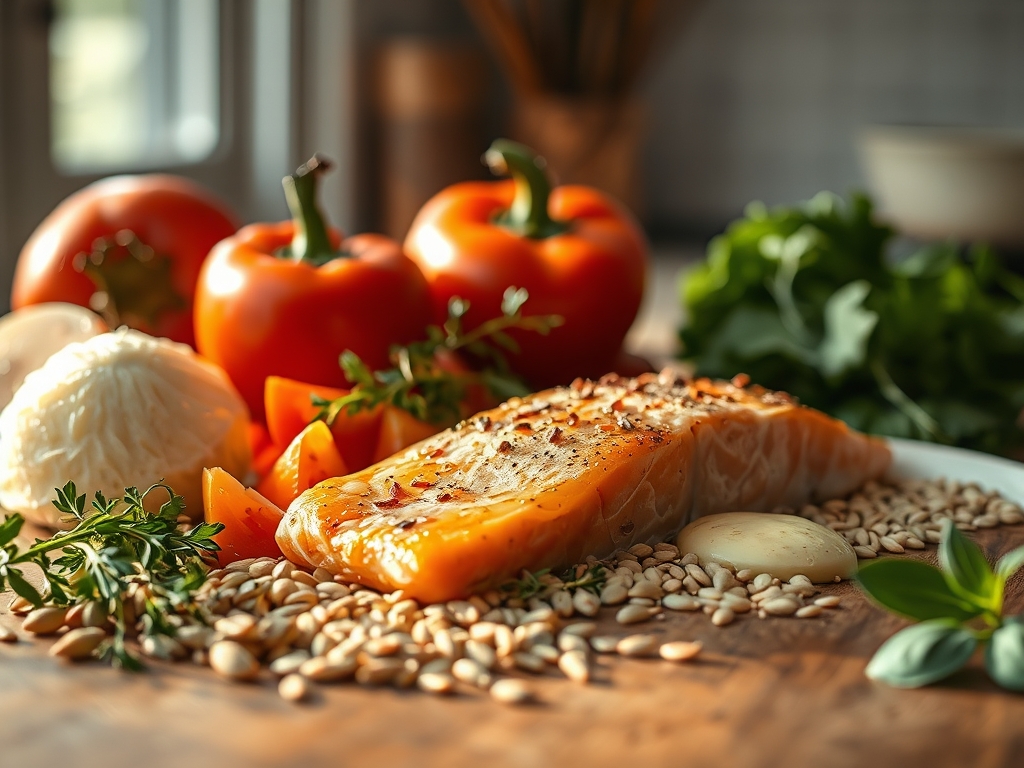
The Gathers:
To execute these nine variations, your mise-en-place must be tight and intentional. Start with high-quality Atlantic or Sockeye fillets, ideally cut into uniform six-ounce portions to ensure even heat distribution. You will need a high-smoke-point fat like avocado oil or clarified butter to prevent acrid flavors at 425 degrees Fahrenheit.
Gather your aromatics: fresh dill, flat-leaf parsley, and garlic cloves that you will crush with a bench scraper to release their essential oils. For acidity, keep a bowl of lemons and limes ready; use a microplane to harvest the zest, which contains the volatile oils that provide a bright, floral punch without the harshness of the juice.
Smart Substitutions: If you are out of fresh herbs, a high-quality dried oregano or thyme works, but reduce the volume by two-thirds because dried herbs are more concentrated. No honey for your glaze? Maple syrup or agave nectar offers a similar viscous quality that promotes caramelization. If you lack a traditional roasting pan, a heavy-bottomed skillet or even a cast-iron pan is superior for heat retention and a crispier skin.
The Clock: 20 Minutes to Glory
The "Chef's Flow" is the secret to beating the clock. Spend the first five minutes on prep: preheat the oven to 425 degrees, pat the fish bone-dry with paper towels, and whisk your glaze in a small saucier. The next twelve minutes are for the roast. While the fish is under the heat, you have exactly three minutes to toss a salad or steam some greens. The final two minutes are reserved for the most important part: the rest. This allows the internal juices to redistribute, ensuring every bite is succulent rather than dry.
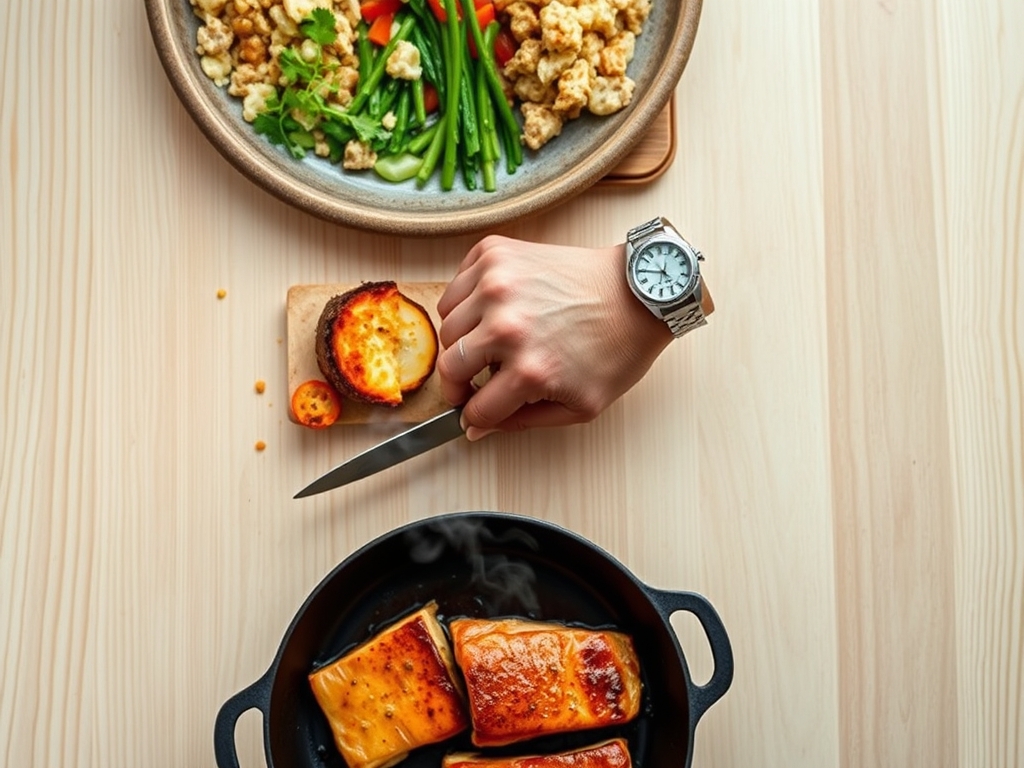
The Masterclass
1. The Prep and Dry
Lay your fillets on a clean surface and use a paper towel to remove every trace of surface moisture. Moisture is the enemy of the Maillard reaction; if the fish is damp, it will steam rather than sear.
Pro Tip: This is known as surface dehydration. Removing water allows the surface temperature to rise rapidly above 300 degrees, triggering the chemical reaction between amino acids and reducing sugars that creates savory depth.
2. The Seasoning Layer
Generously coat the fillets with your oil of choice and a heavy pinch of kosher salt. Use a digital scale if you want to be precise; 1.5 percent of the meat's weight in salt is the golden ratio for seasoning.
Pro Tip: Salt acts as a denaturant. It begins to break down the protein structures on the surface, allowing flavors to penetrate deeper into the muscle fibers before the heat sets them.
3. The High-Heat Roast
Place the salmon skin-side down on your preheated pan using tongs to avoid tearing the delicate flesh. Slide it into the center rack of the oven.
Pro Tip: This utilizes convection heat. The hot air circulates around the fish, while the conductive heat from the pan crisps the skin, creating a dual-textured experience.
4. The Glaze Application
If your recipe calls for a sweet or acidic glaze, apply it only during the last three to four minutes of cooking. Use a silicone brush to paint the top of the fillets evenly.
Pro Tip: Sugars burn at high temperatures. By waiting until the end, you allow the glaze to reduce into a thick, viscous coating without carbonizing the sugars and turning them bitter.
5. The Carryover Rest
Remove the pan from the oven when a digital thermometer reads 125 degrees for medium-rare or 135 degrees for medium. Move the fish to a warm plate immediately.
Pro Tip: This is thermal carryover. The internal temperature will continue to rise by 5 to 10 degrees after the fish is removed from the heat. Pulling it early prevents the albumin (the white protein) from leaking out and making the fish dry.
The Deep Dive
Macro Nutrition: Salmon is a nutritional powerhouse, offering roughly 20 grams of protein and 12 grams of healthy fats per 100-gram serving. It is rich in Omega-3 fatty acids, which are essential for brain health and reducing inflammation.
Dietary Swaps:
- Keto: Replace honey or maple glazes with a compound butter made of roasted garlic and herbs.
- Vegan: While this guide focuses on salmon, the same roasting techniques apply to thick-cut cauliflower steaks or firm tofu.
- Gluten-Free: Ensure your soy sauce is replaced with tamari or coconut aminos for any Asian-inspired glazes.
The Fix-It:
- The Albumin Bleed: If you see white goo on your salmon, it is overcooked. Fix it by reducing your cook time by two minutes next time or brining the fish in a salt-water solution for ten minutes before cooking.
- Soggy Skin: Your pan wasn't hot enough. Fix it by preheating the sheet pan in the oven for ten minutes before adding the fish.
- Uneven Cooking: Your fillets are different thicknesses. Fix it by tucking the thin "tail" portion under itself to create a uniform thickness across the piece.
Meal Prep Science: To reheat salmon without it becoming rubbery, avoid the microwave. Use a low-temperature oven (275 degrees) with a splash of water and a foil cover to create a mini-steamer. This prevents the proteins from tightening further, maintaining that "day-one" flake.
The Wrap-Up
Mastering quick salmon recipes in oven is about more than just a fast meal; it is about reclaiming your evening with a technique that is foolproof and sophisticated. By understanding the physics of heat and the chemistry of seasoning, you turn a simple fillet into a restaurant-quality dinner. Put down the takeout menu and pick up your tongs. You are twenty minutes away from the best meal of your week.
The Kitchen Table
How do I know when the salmon is done?
The most reliable method is using a digital thermometer to check for an internal temperature of 130 degrees. Visually, the flesh should change from translucent to opaque and flake easily when pressed gently with a fork or a bench scraper.
Can I cook salmon from frozen in 20 minutes?
It is possible but not recommended for the best texture. If you must, rinse the ice glaze off, pat it dry, and add five to seven minutes to the roasting time. The exterior may overcook before the center thaws completely.
Why is my salmon skin sticking to the pan?
This usually happens because the pan wasn't preheated or there wasn't enough fat. Ensure you use a high-smoke-point oil and let the pan get hot in the oven before placing the fish down to create an instant sear.
What is the best rack position for roasting salmon?
The middle rack is ideal for even cooking. If you want a more charred, caramelized top, move the pan to the top rack for the final two minutes of cooking and turn on the broiler for an intense heat burst.