
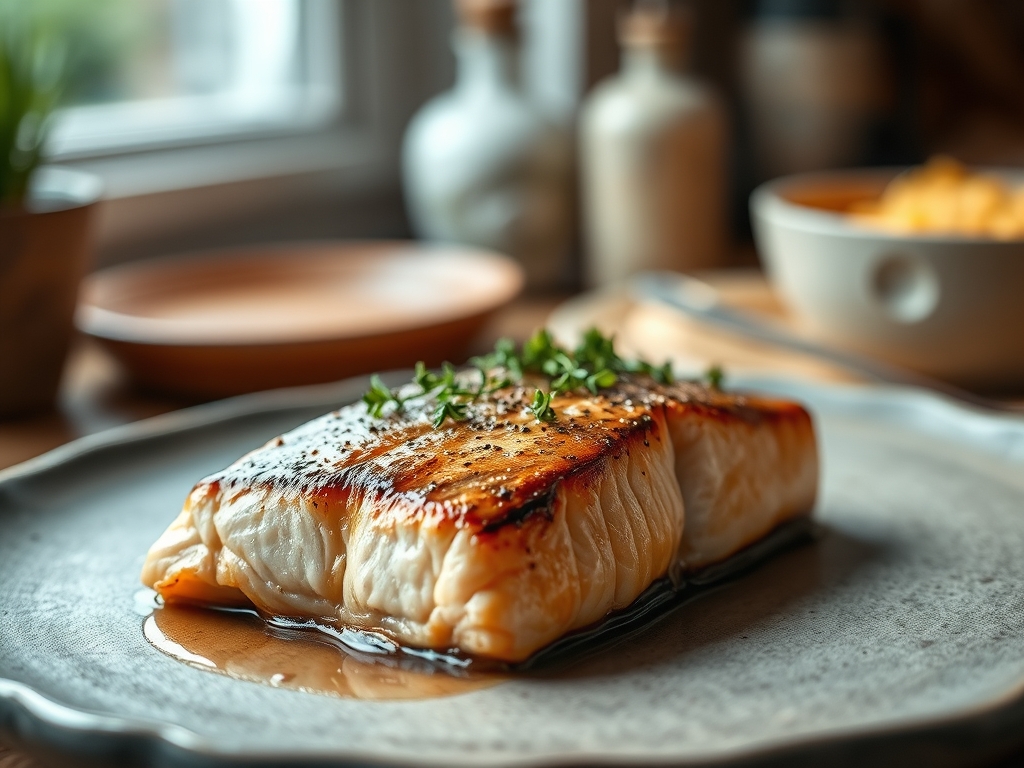
Imagine a kitchen filled with the scent of wild cedar and bright citrus. You are standing over a fillet of Pacific Northwest gold; its flesh is a vibrant, lean crimson that puts standard Atlantic varieties to shame. When you search for coho salmon recipes oven styles, you are looking for more than just a meal; you are seeking that elusive, buttery flake that melts against the tongue without becoming a chalky disappointment. Coho is the goldilocks of the sea. It is leaner than King salmon but more substantial than Pink, meaning it requires a delicate touch and a bit of molecular savvy to keep those juices locked inside the muscle fibers. We are going to treat this fish like the royalty it is. Forget dry, overcooked planks. We are diving into a world where heat is a precision tool and moisture is our primary objective. Grab your apron and your favorite glass of crisp white wine; we are about to transform your kitchen into a high-end bistro where the salmon is always tender and the skin is perpetually crisp.
The Gathers:
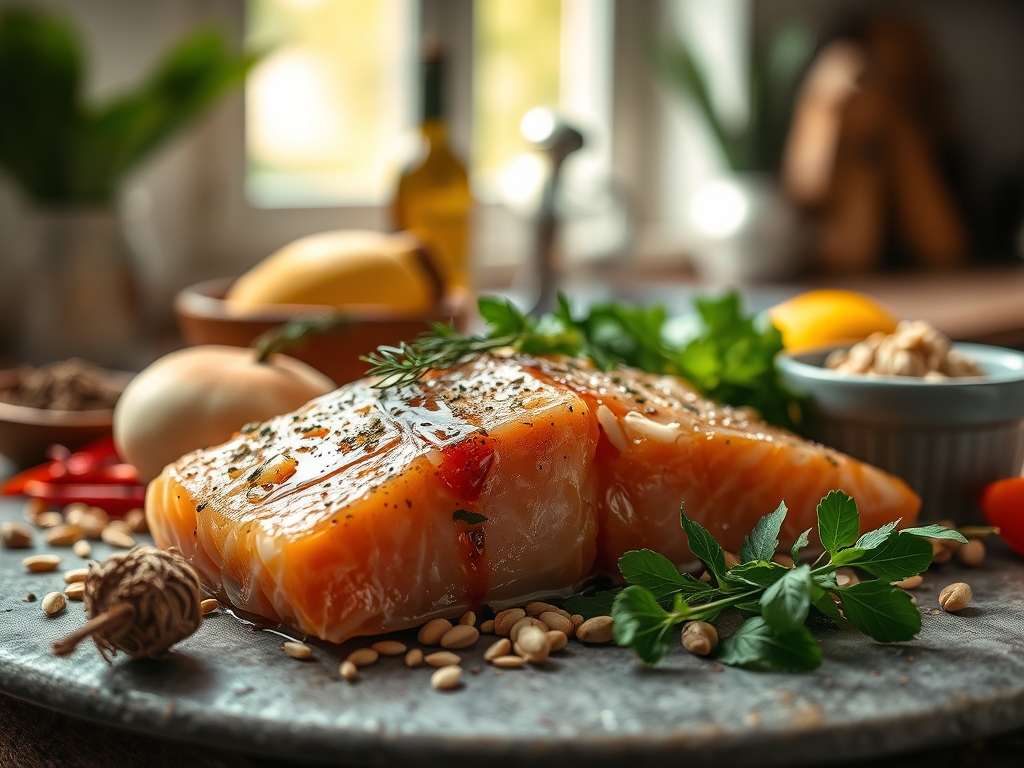
Setting up your station is the first step in culinary success. You need a heavy-bottomed baking sheet to ensure even heat distribution and prevent the fish from scorching on the bottom before the top is opaque. For the aromatics, reach for your microplane to zest a lemon; this tool releases the essential oils without the bitter white pith. You will need high-quality fats to compensate for Coho's lower lipid content compared to Chinook. I recommend grass-fed butter or a viscous extra virgin olive oil.
The flavor profile relies on a piquant blend of fresh dill, minced shallots, and capers. If you want to elevate the umami, keep a small bottle of white miso or high-quality soy sauce nearby. For "Smart Substitutions," if you find yourself without fresh dill, use tarragon for a licorice-like finish. If you are avoiding dairy, a refined coconut oil provides the necessary fat without an overpowering tropical scent. Always have your digital scale ready; weighing your fillets ensures that your cooking times remain consistent across the board.
The Clock
Efficiency in the kitchen is all about "Chef's Flow." Total active prep time should take no more than 15 minutes, with a cook time ranging from 12 to 18 minutes depending on the thickness of your fillet. The flow begins with the "Chill Break." Take your salmon out of the refrigerator 20 minutes before cooking to take the chill off. This prevents a "thermal shock" where the outside overcooks while the center remains raw. Use this time to preheat your oven and prepare your glaze. Once the fish enters the heat, your only job is to monitor the internal temperature. The total investment is under 40 minutes, making this a perfect weeknight luxury.
The Masterclass
1. The Desiccation Ritual
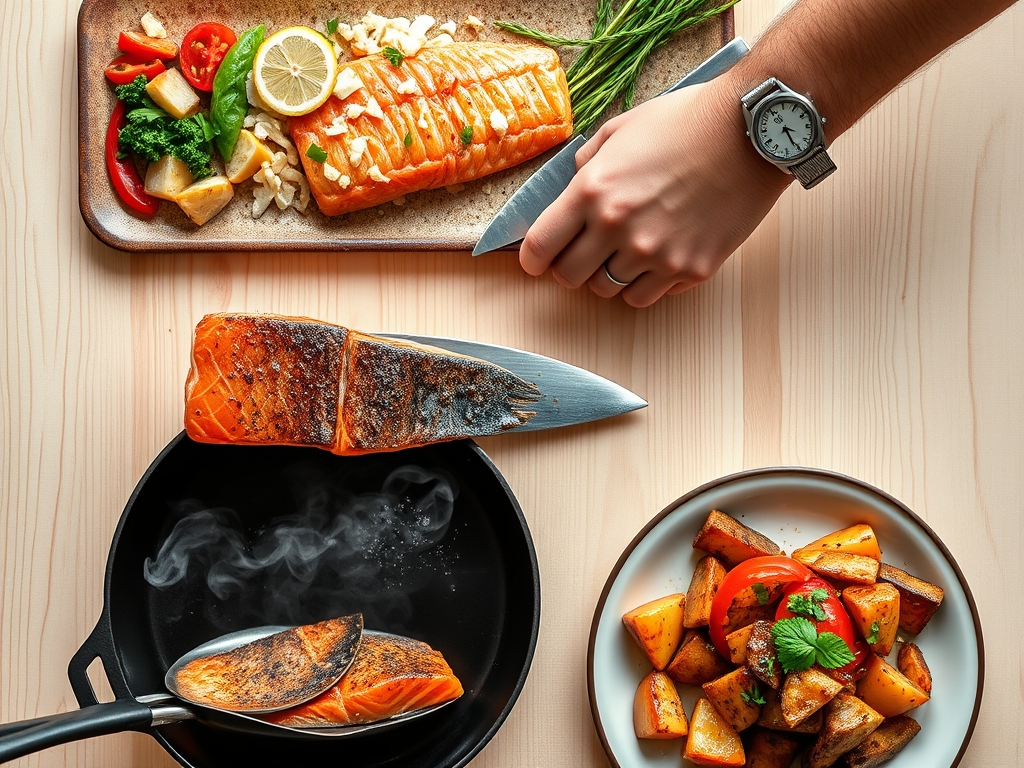
Pat the skin and flesh of the salmon bone-dry using paper towels. Moisture is the enemy of the Maillard reaction. If the surface is wet, the fish will steam rather than sear. Use a bench scraper to move the fillets onto a wire rack set over your baking sheet.
Pro Tip: This process is called surface dehydration. By removing moisture, you allow the heat to immediately begin breaking down proteins into savory amino acids rather than wasting energy evaporating water.
2. The Fat Infusion
Brush the salmon generously with your chosen lipid. Because Coho is leaner, you must manually introduce fat to protect the delicate proteins. Use a silicone pastry brush to ensure even coverage into every crevice of the muscle fibers.
Pro Tip: Fat acts as a thermal conductor. It helps the heat penetrate the meat more evenly while creating a barrier that prevents the internal juices from escaping into the dry oven air.
3. The Piquant Seasoning
Dust the fillet with kosher salt and freshly cracked black pepper from a height of twelve inches. This ensures an even distribution. Add your microplaned lemon zest and finely chopped herbs now so they can infuse into the fat layer as the temperature rises.
Pro Tip: Salt performs "denaturation." It slightly unwinds the protein strands, allowing them to hold onto more water during the cooking process; this is essentially a "dry brine" that guarantees juiciness.
4. The Precision Roast
Slide your tray into a 375 degree Fahrenheit oven. Position the rack in the center to allow for maximum air circulation. If you are using a convection setting, drop the temperature by 25 degrees to account for the increased efficiency of moving air.
Pro Tip: Coho lacks the heavy fat "insulation" of King salmon. Cooking at a moderate temperature prevents the albumin (that white goop) from being squeezed out of the muscle fibers too quickly.
5. The Internal Check
Use a digital probe thermometer to check the thickest part of the fish. You are looking for 125 degrees Fahrenheit for a perfect medium-rare or 130 degrees for medium. Do not wait until it reaches 145 degrees in the oven.
Pro Tip: This accounts for thermal carryover. The internal temperature will continue to rise by 5 to 7 degrees after you remove it from the heat source due to the residual energy trapped in the flesh.
6. The Acid Brightening
Once the fish is out of the oven, immediately squeeze fresh lemon juice over the top. The acid cuts through the richness of the fat and "wakes up" the flavor profile. Use tongs to gently plate the fish to avoid breaking the delicate flakes.
Pro Tip: Acid triggers salivation, which chemically enhances your perception of flavor. It also balances the pH of the fats, making the dish feel lighter on the palate.
7. The Rest Period
Allow the salmon to rest on a warm plate for at least five minutes before serving. This is the most skipped step, but it is the most vital for texture.
Pro Tip: Resting allows the muscle fibers to relax and reabsorb the juices. If you cut into it immediately, the moisture will leak out onto the plate, leaving the fish dry.
The Deep Dive
From a macro nutrition perspective, Coho is a powerhouse. It is packed with Omega-3 fatty acids, which are essential for brain health, and provides roughly 23 grams of protein per 4-ounce serving. For those on specific diets, this recipe is naturally Keto and Gluten-Free. To make it Vegan, you would swap the salmon for a thick "steak" of cauliflower or a large King Oyster mushroom, though the cooking times will vary significantly.
The Fix-It: Common Pitfalls
- The White Gunk: If you see white "stuff" (albumin) leaking out, your oven is too hot or you overcooked it. Fix it by lowering the temp next time and pulling the fish 5 degrees earlier.
- Soggy Skin: This happens if the pan wasn't preheated or the skin was wet. Fix it by starting the salmon skin-side down in a heavy-bottomed skillet for 2 minutes before moving to the oven.
- Bland Flavor: Coho is mild. If it tastes flat, you need more salt or a hit of acid like apple cider vinegar or lemon.
Meal Prep & Reheating
To maintain "day-one" quality, never microwave salmon. The high frequency vibrates water molecules so violently that it toughens the protein. Instead, reheat in a 275 degree oven with a splash of water and a foil cover to create a gentle steam chamber.
The Wrap-Up
Mastering coho salmon recipes oven techniques is about respecting the biology of the fish. By controlling the moisture, managing the thermal carryover, and using the right tools like a microplane and digital thermometer, you transform a simple fillet into a masterpiece. Coho is a seasonal gift; treat it with precision, and it will reward you with a flavor that is both sophisticated and deeply satisfying. Go forth and roast with confidence!
The Kitchen Table
How do I know when Coho salmon is done?
The most reliable method is using a digital thermometer to reach 125-130 degrees Fahrenheit. Visually, the flesh should change from translucent red to opaque pink and flake easily when pressed gently with a fork.
Should I cook Coho salmon covered or uncovered?
Roast it uncovered to allow for slight surface caramelization. If you find the top is browning too fast before the center is cooked, you can tent it loosely with foil, but starting uncovered is best for texture.
Is Coho salmon better than Atlantic salmon?
Coho is wild-caught with a cleaner, more intense flavor and a firmer texture. Atlantic salmon is usually farmed and contains more fat, but Coho is prized for its superior nutritional profile and sustainable harvesting.
Can I cook Coho salmon from frozen?
It is possible, but not recommended for the best texture. Thawing in the refrigerator overnight allows the protein structures to remain intact, ensuring the fish stays tender and juicy rather than becoming tough and watery.