
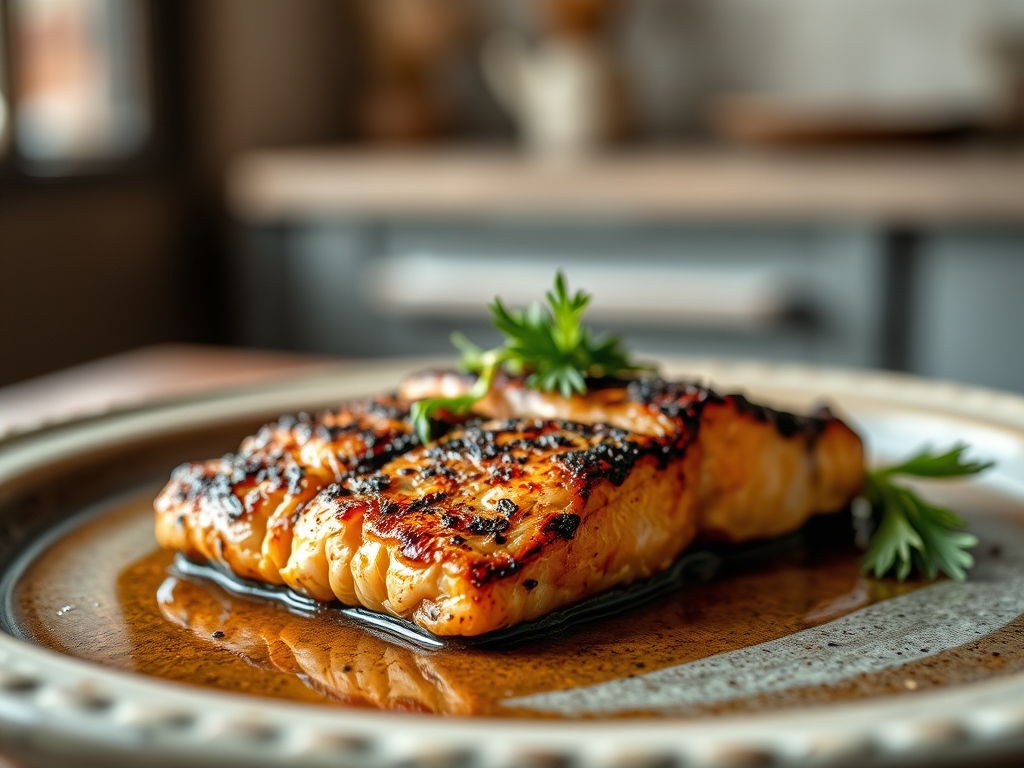
Imagine the sound of a heavy cast iron skillet meeting a roaring flame. There is a specific, violent hiss that occurs when cold protein hits a surface heated to five hundred degrees. That sound is the overture to one of the most transformative meals in the culinary canon. If you are hunting for the ultimate blackened grilled salmon recipes, you have likely realized that the line between a charred masterpiece and a bitter, burnt mess is thinner than a fish scale. True blackening is not about burning the meat; it is a controlled chemical reaction where a dense crust of spices and butter undergoes the Maillard effect to create a savory, glass-like veneer. We are going for a texture that is shatteringly crisp on the outside while the interior remains succulent, translucent, and buttery. Grab your apron and your favorite tongs. We are about to turn your kitchen into a high-end bayou bistro.
The Gathers:
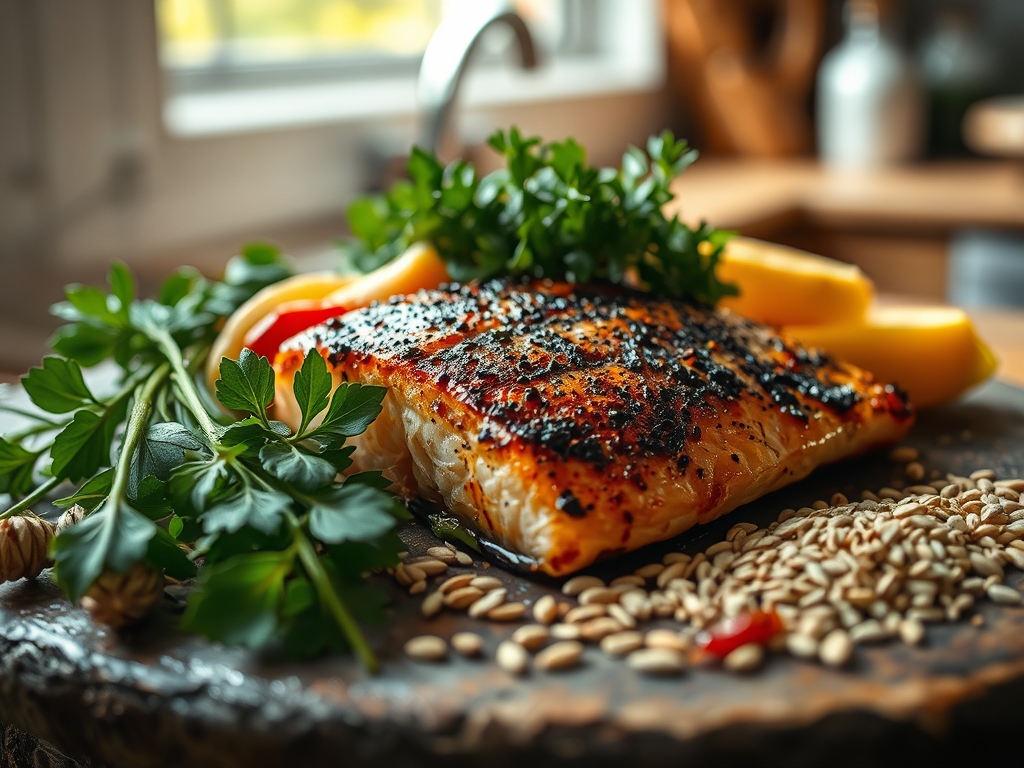
Setting up your mise-en-place is the difference between a frantic kitchen and a fluid one. For the salmon, seek out King or Sockeye fillets with a high fat content. You want a thickness of at least one inch to ensure the interior does not overcook before the crust sets. You will need high-quality unsalted butter to act as your lipid binder. Using a microplane, zest a fresh lemon to add bright citrus oils to your spice blend. Your dry rub is a piquant symphony: smoked paprika for color, cayenne for a slow burn, dried thyme for earthiness, and garlic powder for that savory "umami" punch. Do not use fresh garlic here; it contains too much moisture and will scorch into a bitter charcoal before the fish is done.
Smart Substitutions: If you are watching your dairy intake, swap the butter for avocado oil. It has a high smoke point of 520 degrees, making it perfect for high-heat searing. For a lower sodium profile, replace half the salt with nutritional yeast. It provides a nutty, savory depth without the hypertensive kick. If you lack smoked paprika, a drop of liquid smoke whisked into your oil can mimic that campfire depth.
The Clock
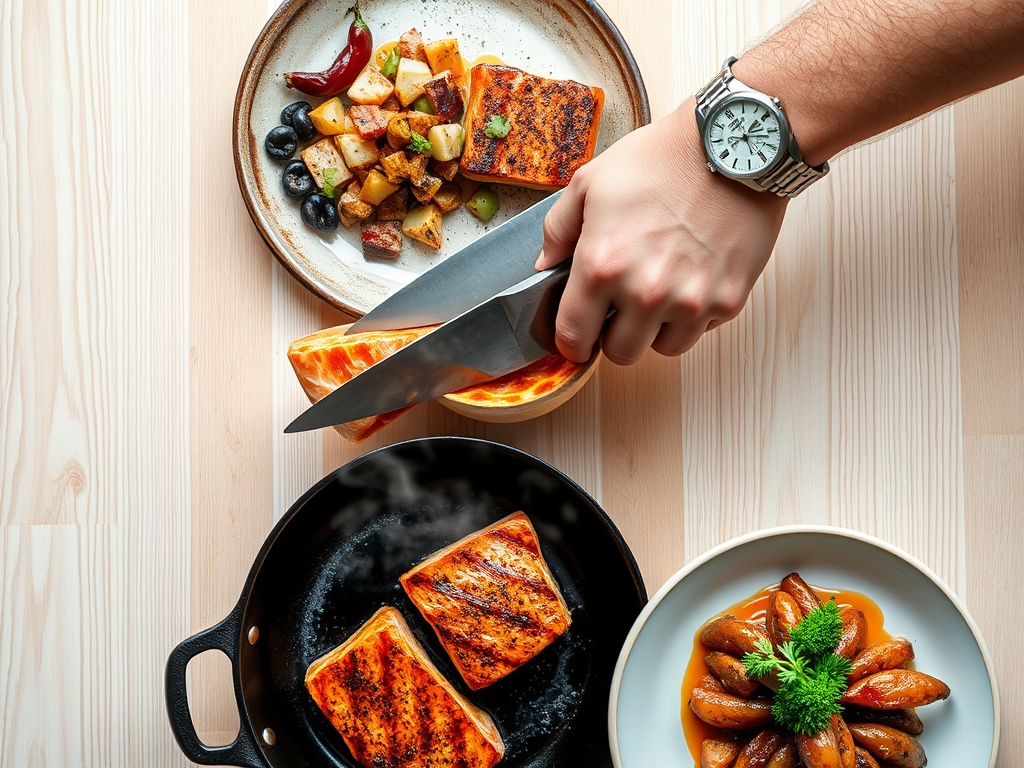
Efficiency in the kitchen is all about the "Chef's Flow." Total active prep time should take no more than 15 minutes. This includes portioning the fish with a sharp chef's knife and blending your spices. The actual cooking time is remarkably fast: approximately 3 to 4 minutes per side. However, the most critical part of the clock is the resting period. You must allow the fish to rest for 3 to 5 minutes after it leaves the heat. This allows the muscle fibers to relax and reabsorb the internal juices. If you cut in too early, the moisture will evacuate onto the plate, leaving you with a dry fillet.
The Masterclass
1. The Desiccation Ritual
Use a paper towel to pat the salmon fillets until they are bone dry. Moisture is the enemy of the crust. If the surface is damp, the fish will steam rather than sear.
Pro Tip: This is known as surface evaporation. By removing water, you allow the heat to immediately begin the Maillard reaction rather than wasting energy boiling off surface liquid.
2. The Butter Bath
Melt your butter in a small saucier until it is liquid but not bubbling. Dip each fillet into the butter, ensuring every crevice is coated. This acts as the "glue" for your spices and provides the fat necessary for the blackening reaction.
Pro Tip: Butter contains milk solids which caramelize at high temperatures. This pyrolysis of the milk proteins creates the signature dark color and nutty flavor profile.
3. The Spice Application
Dredge the buttered fish into your spice blend. Press firmly so the rub adheres. You want a thick, even coating. Use a bench scraper to clean up any excess spice on your board to prevent cross-contamination.
Pro Tip: The spices act as a thermal insulator, protecting the delicate fish flesh from the direct intensity of the heat while they toast and release their essential oils.
4. The High-Heat Sear
Heat your cast iron skillet or grill until it is wisps of smoke are visible. Place the salmon flesh-side down. Do not move it. You need sustained contact to build the crust.
Pro Tip: This is conduction heating. Moving the fish prematurely disrupts the formation of the crust and can cause the delicate proteins to tear away from the skin.
5. The Flip and Finish
Use a wide spatula to gently flip the fish. The crust should be dark brown to black. Cook the skin side until the internal temperature reaches 125 degrees Fahrenheit on a digital thermometer.
Pro Tip: Thermal carryover will occur once the fish is removed from the heat. The internal temperature will rise another 5 degrees while resting, bringing it to a perfect medium-rare 130 degrees.
The Deep Dive
From a nutritional standpoint, blackened grilled salmon recipes are a powerhouse. A standard 6-ounce fillet provides roughly 34 grams of high-quality protein and is rich in Omega-3 fatty acids, which are essential for brain health and reducing inflammation.
Dietary Swaps: For a Keto version, ensure your spice rub contains no added sugars or cornstarch. For Vegan guests, this same spice technique works beautifully on thick "steaks" of cauliflower or firm tofu. If you are Gluten-Free, simply double-check that your smoked paprika hasn't been processed with flour as an anti-caking agent.
The Fix-It:
- The Crust is Bitter: You likely used too much dried oregano or the heat was too high for too long. Next time, pull the fish 30 seconds earlier.
- The Fish is Sticking: Your pan wasn't hot enough, or you didn't use enough fat. Ensure the oil is shimmering before the fish touches the metal.
- The Interior is Raw: The fillet was too thick. Finish the fish in a 350-degree oven for 4 minutes after the initial sear to ensure even cooking.
Meal Prep Magic: To reheat salmon without it becoming rubbery, avoid the microwave. Use a "low and slow" method in a toaster oven at 275 degrees with a splash of water covered by foil. This creates a mini-steam chamber that restores the viscous texture of the fats without over-coagulating the proteins.
The Wrap-Up
Mastering the art of the sear is a rite of passage for any home cook. When you pull that perfectly blackened salmon off the grates, you aren't just serving dinner; you are serving a technical achievement. The contrast of the spicy, smoky crust against the cool, fatty richness of the fish is a culinary high-wire act. Remember to trust your senses: listen for the sear, watch for the color change, and always, always let it rest. Now, get out there and set those taste buds on fire.
The Kitchen Table
How do I know when the salmon is done?
The most reliable method is using a digital thermometer to check for an internal temperature of 125 to 130 degrees Fahrenheit. The flesh should also slightly flake when pressed gently with a fork at the thickest part.
Can I blacken salmon on a gas grill?
Yes. Use a heavy-duty cast iron griddle placed directly on the grill grates. Preheat the grill to its highest setting for at least 15 minutes to ensure the metal has enough thermal mass to sear the fish instantly.
Why is my blackening seasoning not sticking?
The fish must be completely dry before dipping in butter or oil. If the salmon is "weeping" moisture, the spices will slide off. Pat the fillets dry with paper towels immediately before seasoning to ensure a strong bond.
Is blackened salmon supposed to be burnt?
No. Blackening is the caramelization of spices and milk solids in butter. It should taste savory and smoky, not acrid or like ash. If it tastes like charcoal, the heat was too high or the spices scorched.