
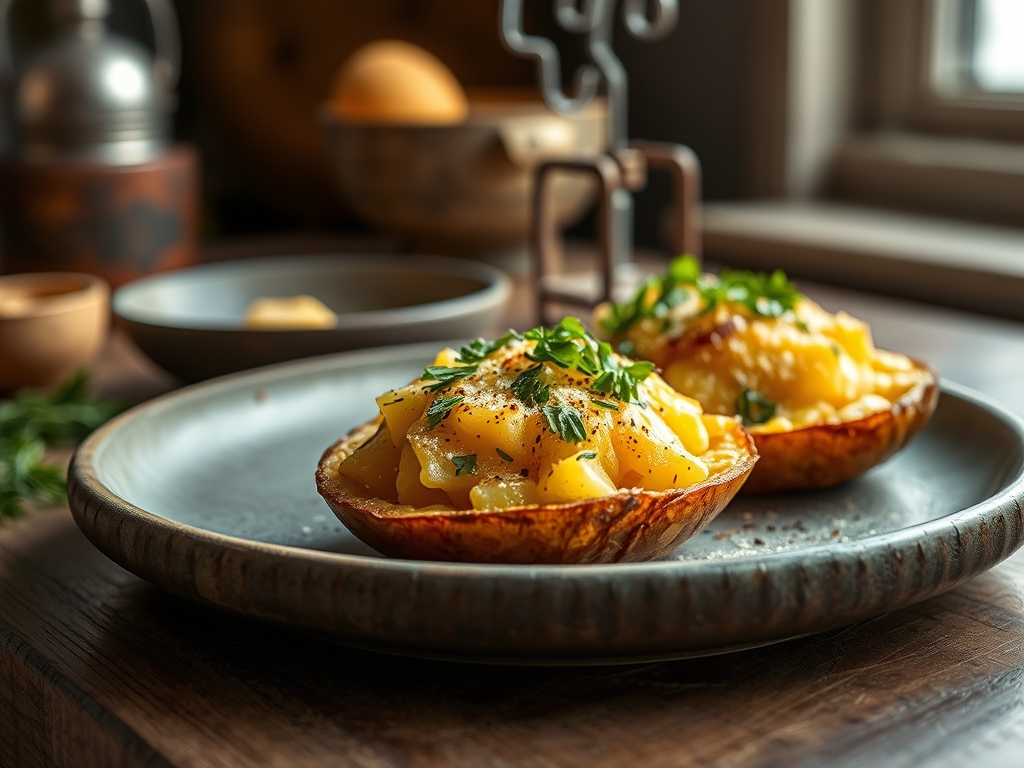
Imagine the scent of golden butter hitting a hot pan; it is the olfactory equivalent of a warm hug. When you crave true soul food, nothing competes with the velvety texture of cheesy potato recipes with real potatoes. We are moving past the frozen bags and dehydrated flakes to embrace the glorious chemistry of a humble tuber transformed by heat and dairy. This is about that perfect moment when a fork pierces a crisp, Maillard-browned crust to reveal a molten, creamy interior. We are talking about the kind of comfort that settles in your bones and makes the rest of the world go quiet for a while.
To master these dishes, we have to respect the starch. Whether you are aiming for the structural integrity of a Russet or the waxy, buttery silkiness of a Yukon Gold, the magic lies in how we manipulate those cells. When we marry the earthy notes of the potato with the sharp, piquant bite of an aged cheddar or the nutty depth of Gruyere, we create a flavor profile that is scientifically designed to trigger our happiest brain chemicals. Grab your apron; we are about to turn your kitchen into a sanctuary of starch and steam.
The Gathers:
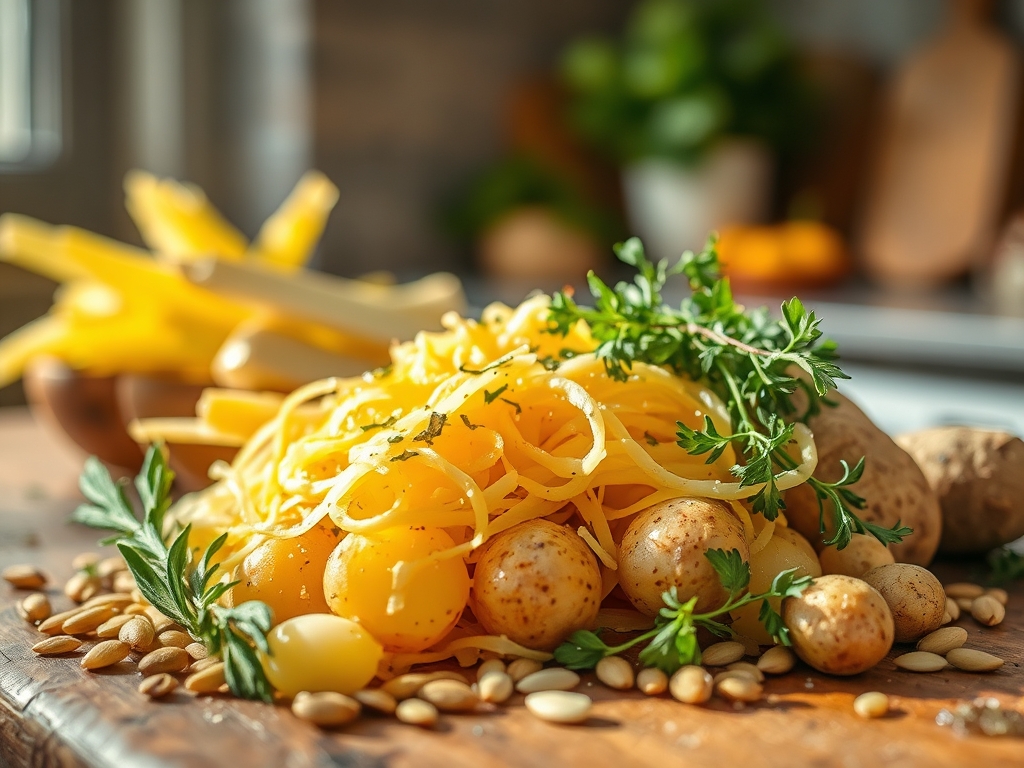
Your mise-en-place is the foundation of culinary success. For these cheesy potato recipes with real potatoes, start with high-starch Russets for fluffiness or Yukon Golds for a natural, viscous creaminess. You will need a digital scale to ensure your ratios are precise; baking is a science, and potato density matters. Gather high-fat heavy cream, unsalted European-style butter for its lower water content, and a variety of cheeses. Use a microplane to finely grate your cheese; pre-shredded bags contain cellulose that prevents a smooth melt.
Fresh aromatics are non-negotiable. Have garlic cloves, sprigs of thyme, and fresh chives ready on your bench scraper. For the liquid components, keep a high-quality chicken or vegetable stock nearby to deglaze your pans. Smart Substitutions: If you need to lighten the load, swap heavy cream for evaporated milk. It provides the same protein density without the high fat, ensuring your sauce stays emulsified rather than breaking into an oily mess. For a tangier profile, Greek yogurt can replace sour cream, adding a probiotic punch and a sharper acidity to cut through the richness.
The Clock
Efficiency in the kitchen is about "Chef's Flow," the art of overlapping tasks so no heat is wasted. Prep time for these masterpieces generally clocks in at 25 minutes, mostly focused on the precision of your knife work. Use a mandoline for uniform slices to ensure even cooking. Total cook time varies from 45 to 75 minutes depending on the density of the dish.
The flow begins with the oven preheat; never put potatoes into a cold oven, or they will absorb fat before they begin to crisp. While the potatoes undergo their initial roast or boil, use that window to render your aromatics in a heavy-bottomed skillet. By the time the starch is ready to receive the dairy, your sauce should be infused and warm. This synchronization prevents thermal shock, which can cause the potatoes to turn gummy or the cheese to seize.
The Masterclass
1. The Precision Slice
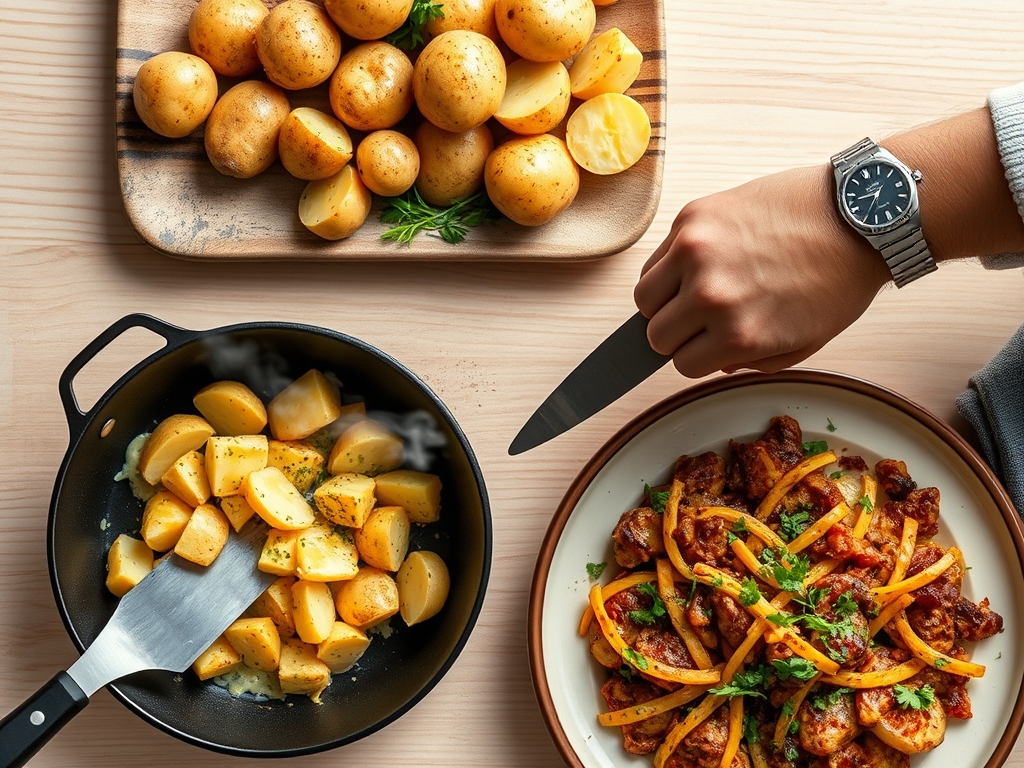
Uniformity is the secret to a professional mouthfeel. Use a sharp chef knife or mandoline to slice your real potatoes into 1/8-inch rounds. If the slices are uneven, the thin ones will disintegrate into mush while the thick ones remain crunchy and undercooked.
Pro Tip: This prevents enzymatic browning. When you cut a potato, you rupture cells and release polyphenol oxidase. Submerging slices in cold water washes away excess surface starch, ensuring a cleaner bite and preventing the grey oxidation that ruins the visual appeal.
2. The Infusion Phase
In a saucier, combine your cream, smashed garlic, and woody herbs. Bring the mixture to a gentle simmer, but do not boil. You want to infuse the fats with the essential oils of the herbs without scorching the milk solids.
Pro Tip: This step utilizes fat-soluble flavor extraction. Many aromatic compounds in garlic and thyme are not water-soluble; they require the lipids in the cream to carry the flavor deep into the potato starch during the baking process.
3. The Aeration Mash
If you are making a mashed variant, use a potato ricer instead of a masher. Pressing the cooked potatoes through small holes aerates the starch granules without smashing them.
Pro Tip: Over-working potatoes develops gluten-like elasticity. By using a ricer, you avoid shearing the starch cells. If those cells rupture, they release amylopectin, which turns your beautiful side dish into a literal bowl of glue.
4. The Layering Logic
Grease your baking dish with cold butter. Arrange the potato slices in overlapping shingles. Season every single layer with salt and white pepper. Pour the infused cream over the top until it reaches three-quarters of the way up the sides.
Pro Tip: This creates a steam-and-bake environment. The bottom layers poach in the flavored cream, while the exposed tops undergo the Maillard reaction, a chemical reaction between amino acids and reducing sugars that creates that savory, browned flavor.
5. The Cheese Emulsification
Wait until the final 15 minutes of baking to add your cheese. Distribute the finely grated blend evenly over the surface. Use a mix of a high-melt cheese like Fontina and a flavor-heavy cheese like sharp Cheddar.
Pro Tip: Adding cheese too early can lead to "breaking." High heat for extended periods causes the protein in cheese to tighten and squeeze out the fat, resulting in a greasy, rubbery layer rather than a smooth, cohesive melt.
6. The Broil Finish
Switch your oven to the broil setting for the last 2 minutes. Watch intensely. You are looking for "leopard spotting," where the cheese bubbles and develops deep brown toasted spots.
Pro Tip: This is the final stage of caramelization. The intense overhead heat rapidly dehydrates the surface of the cheese, concentrating the sugars and proteins to create a complex, smoky finish that balances the rich cream underneath.
7. The Resting Period
Remove the dish from the heat and let it sit for at least 10 minutes before serving. Use tongs to check the tenderness one last time.
Pro Tip: This allows for thermal carryover and starch retrogradation. As the dish cools slightly, the starches firm up and the sauce thickens. If you cut into it immediately, the liquid will run to the bottom of the plate, leaving the potatoes dry.
8. The Garnish Pop
Just before serving, hit the dish with a spray of fresh chives or parsley and a final dusting of flaky sea salt.
Pro Tip: The acidity in fresh herbs provides a necessary contrast to the heavy fats. It brightens the palate, making the second and third bites feel just as exciting as the first by preventing "palate fatigue."
9. The Texture Check
The final result should have a distinct "give" when pressed. The edges should be crisp and dehydrated, while the center remains a lush, unified mass of starch and silk.
Pro Tip: Check the viscosity of the sauce. It should coat the back of a spoon. If it is too thin, the potatoes were likely too waxy; if too thick, they were high-starch Russets that absorbed more liquid than anticipated.
The Deep Dive
From a macro perspective, cheesy potato recipes with real potatoes are carbohydrate-dense powerhouses. A standard serving provides significant potassium and Vitamin C, though the caloric load is high due to the lipids in the dairy. For those with dietary restrictions, the swaps are simple. Vegan: Use full-fat coconut milk and nutritional yeast for a "cheesy" umami hit. Keto: Replace the potatoes with steamed cauliflower florets, keeping the cream and cheese the same. GF: This dish is naturally gluten-free, provided you avoid using flour as a thickener for your sauce.
"The Fix-It" section: If your sauce curdles, it is likely due to high acidity or heat; whisk in a splash of warm cream to try and re-emulsify. If the potatoes are still hard after the timer goes off, cover the dish with foil to trap steam and continue baking. If the dish is too salty, add a squeeze of lemon juice; the acid masks the sodium perception. For meal prep, reheating is a science. Avoid the microwave, which turns potatoes rubbery. Instead, reheat in a 350-degree oven with a splash of milk to restore the moisture balance.
The Wrap-Up
There you have it; the definitive guide to conquering the world of cheesy potato recipes with real potatoes. We have covered the molecular necessity of the ricer, the chemistry of the Maillard reaction, and the art of the perfect cheese melt. Cooking is an act of love, but it is also an act of physics. When you understand why the starch behaves the way it does, you gain the freedom to experiment. So, go forth, get that oven humming, and create a masterpiece that will have your friends begging for the "secret" ingredient. Hint: It is the science!
The Kitchen Table
Can I use red potatoes for these recipes?
Yes, but red potatoes are waxy and hold their shape firmly. They will not create a creamy, thick sauce like Russets or Yukons. They are best for rustic, chunky dishes where you want the potato to remain distinct.
Why did my cheese sauce turn out oily?
Your sauce likely reached too high a temperature, causing the fat to separate from the protein. This often happens with pre-shredded cheese or if the dish is boiled too vigorously. Use freshly grated cheese and a gentle simmer.
How do I stop my potatoes from turning brown?
Keep your peeled and sliced potatoes in a bowl of cold water until the very moment you are ready to layer them. This blocks oxygen from reaching the enzymes in the potato, preventing the oxidation process entirely.
Can I make these potato dishes ahead of time?
Absolutely. You can assemble the dish and par-bake it for 30 minutes. Let it cool, refrigerate, and finish the final baking and cheese-melting step just before you plan to serve. This actually improves the flavor.