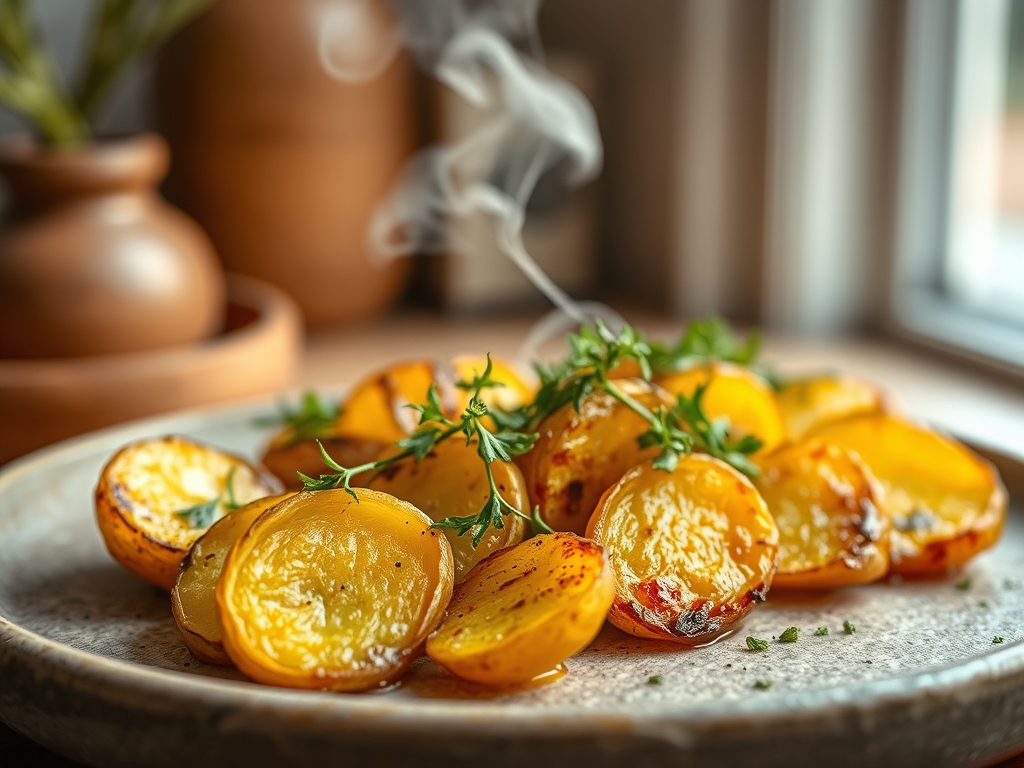
Picture the scent of rendered duck fat meeting crushed rosemary in a searing oven; it is the olfactory equivalent of a warm hug from a Michelin star chef. When you master roasted yellow potato recipes, you are not just making a side dish; you are manipulating starch and heat to create a textural masterpiece that is shatteringly crisp on the outside and buttery within.
The yellow potato, specifically the Yukon Gold or Yellow Finn, is the undisputed champion of the roasting tray. Unlike starchy Russets that can turn mealy or waxy reds that refuse to crisp, the yellow potato contains a medium starch content that creates a creamy, custard-like interior. This unique cellular structure allows for a superior Maillard reaction, the chemical process where amino acids and reducing sugars transform under heat to create that signature golden crust. Today, we are moving beyond basic salt and pepper to explore eight elegant variations that will turn your kitchen into a high-end bistro. Grab your favorite heavy-bottomed roasting pan and let us get scientific with our spuds.
The Gathers:
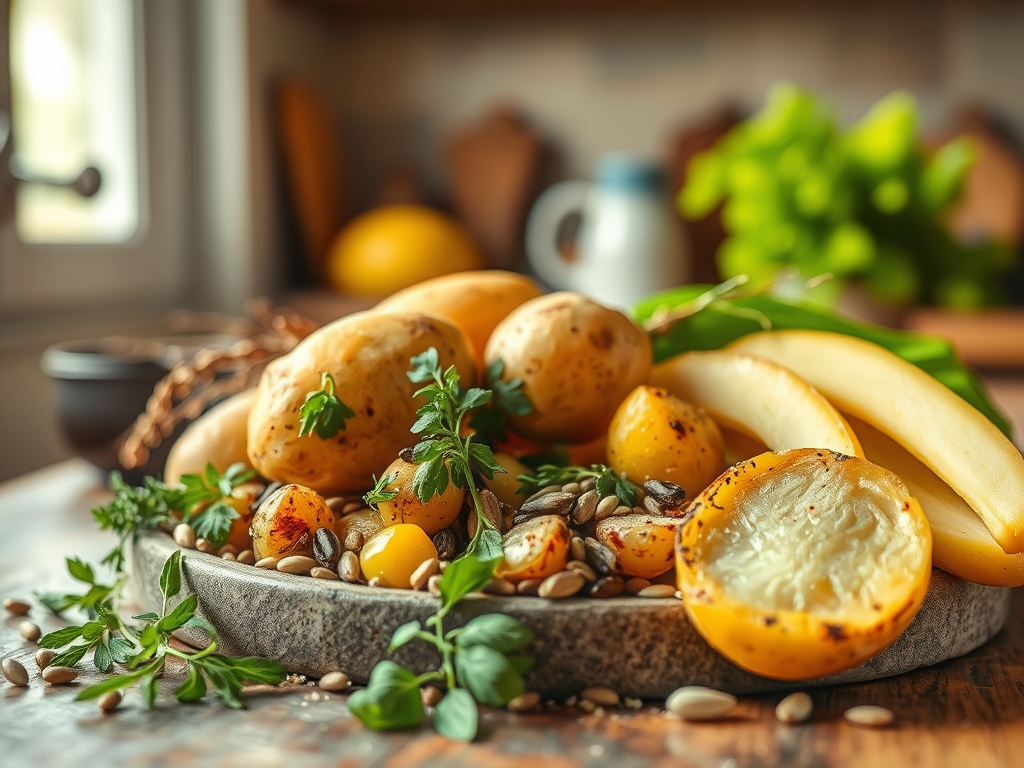
To execute these roasted yellow potato recipes with precision, your mise-en-place must be impeccable. Start with three pounds of firm, unblemished yellow potatoes. You will need a high-smoke-point fat; avocado oil or clarified butter (ghee) works best to prevent acrid flavors at 425 degrees Fahrenheit. Gather your aromatics: fresh thyme, whole garlic cloves still in their husks to prevent burning, and Maldon sea salt for that specific crystalline crunch.
Smart Substitutions: If you are out of fresh herbs, use a high-quality dried Herbes de Provence, but rehydrate them in your oil first to prevent scorching. For a vegan profile that mimics the richness of animal fat, use a refined coconut oil mixed with a teaspoon of nutritional yeast; this creates a savory, umami-rich coating that browns beautifully. If you lack a traditional roasting pan, a heavy-bottomed cast iron skillet is your best friend for heat retention and even browning.
The Clock
Efficiency in the kitchen is about the "Chef's Flow," which means overlapping tasks to minimize downtime. Expect a total active prep time of 15 minutes and a passive roasting time of 45 to 55 minutes.
The Breakdown:
- Prep (0-15 mins): Scrubbing, dicing, and parboiling.
- The Initial Roast (15-40 mins): Developing the structural crust.
- The Flip and Infuse (40-55 mins): Adding delicate aromatics and finishing the crisp.
By parboiling your potatoes in alkaline water (add a pinch of baking soda), you break down the exterior pectin. This creates a starchy slurry on the surface that, once roasted, dehydrates into the ultimate crunchy shell.
The Masterclass
1. The Alkaline Parboil
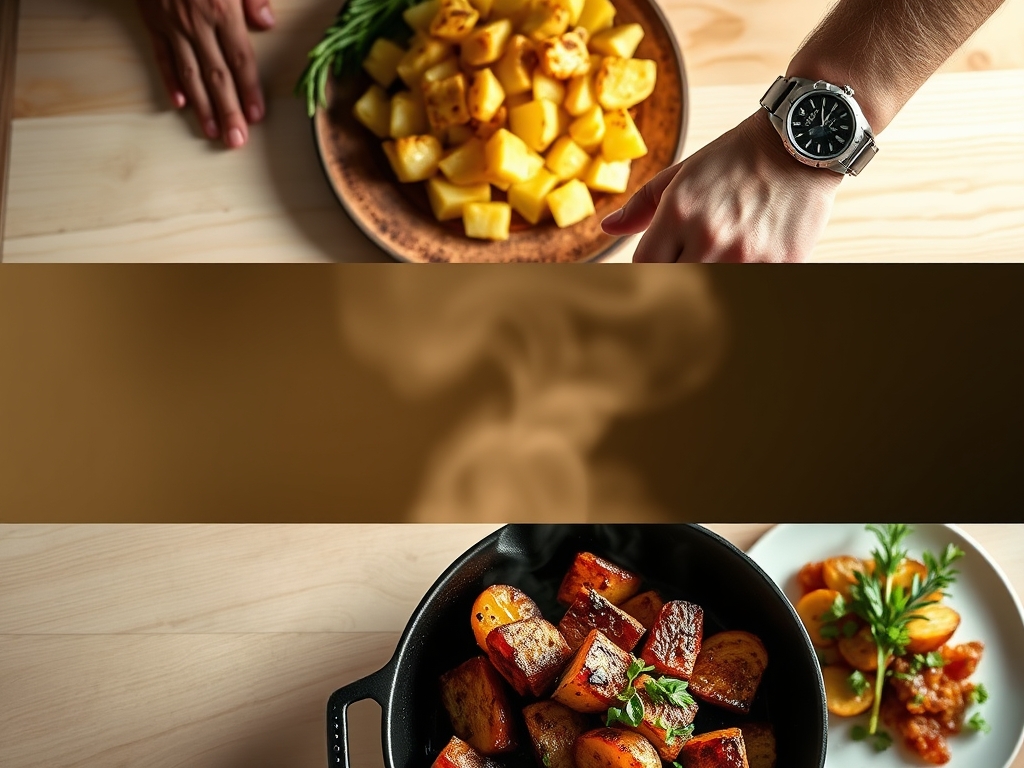
Start by cubing your potatoes into uniform one-inch pieces using a sharp chef's knife. Place them in a pot of cold, salted water with a half-teaspoon of baking soda. Bring to a boil and simmer for exactly eight minutes until the edges are frayed but the centers are firm.
Pro Tip: The baking soda raises the pH of the water, which breaks down the potato's pectin more effectively. This creates more surface area for the oil to cling to, resulting in a thicker, crunchier crust via increased starch gelatinization.
2. The Rough-Up Technique
Drain the potatoes in a colander and let the steam escape for two minutes. Use a bench scraper or simply shake the colander vigorously to scuff the edges of the potatoes. They should look almost mashed on the outside.
Pro Tip: This "scuffing" increases the surface-area-to-volume ratio. More surface area means more room for the Maillard reaction to occur, which is the key to deep, savory flavor profiles in roasted yellow potato recipes.
3. The Fat Infusion
While the potatoes air-dry, heat your roasting pan in the oven with your chosen fat until it is shimmering. Carefully toss the potatoes into the hot oil using metal tongs to ensure every crevice is coated.
Pro Tip: This prevents the potatoes from sticking to the metal. When the cold starch hits the hot oil, it creates an immediate sear, preventing the potato from absorbing excess grease and becoming heavy.
4. The First Roast
Spread the potatoes in a single layer; crowding the pan is the enemy of crispiness. Roast at 425 degrees Fahrenheit for 25 minutes without touching them.
Pro Tip: This stage focuses on thermal carryover. The high heat drives moisture out of the exterior cells, creating a dehydrated "skin" that will eventually become the crunch we crave.
5. The Aromatics Addition
After 25 minutes, remove the pan and add smashed garlic cloves and woody herbs like rosemary or thyme. Use a wide spatula to flip the potatoes, ensuring the golden side is now facing up.
Pro Tip: Adding garlic too early leads to bitterness due to the high sugar content in garlic burning. Adding it halfway through allows the oils to infuse into the fat without carbonizing the solids.
6. The Acid Brightening
For the final ten minutes, zest a lemon over the pan using a microplane. The citrus oils will cut through the richness of the fats.
Pro Tip: Volatile aromatic compounds in lemon zest are heat-sensitive. Adding them at the end preserves their piquant brightness while allowing the residual heat to release the essential oils.
7. The Final Crisp
Increase the oven temperature to 450 degrees Fahrenheit for the last five minutes. Watch for a deep mahogany color.
Pro Tip: This final blast of heat utilizes the "Leidenfrost effect" in reverse; any remaining surface moisture is flash-evaporated, leaving behind a glass-like starch structure.
8. The Resting Phase
Transfer the potatoes to a wire rack set over a baking sheet rather than a paper towel. Season immediately with fine sea salt.
Pro Tip: Resting on a rack prevents steam from being trapped underneath the potato. If you place them on a flat surface, the bottom will become soggy due to trapped condensation.
The Deep Dive
Macro Nutrition: Yellow potatoes are naturally fat-free and high in potassium and Vitamin C. A standard serving provides approximately 150 calories and 3 grams of fiber. By using heart-healthy fats like olive oil, you increase the satiety index without compromising the nutritional profile.
Dietary Swaps:
- Vegan: Use avocado oil or a high-quality vegan butter.
- Keto: While potatoes are high-carb, you can apply these same roasting techniques to cauliflower florets or radishes for a similar textural experience.
- Gluten-Free: Yellow potatoes are naturally GF, making them the perfect safe starch for dinner parties.
The Fix-It:
- Soggy Potatoes: Usually caused by overcrowding. Fix: Spread them across two pans or use a larger roasting tray.
- Burnt Garlic: Added too early. Fix: Strain out the burnt bits and toss with fresh parsley and a squeeze of lemon to mask the bitterness.
- Sticking to Pan: Not enough fat or the pan wasn't preheated. Fix: Use a thin metal spatula to gently pry them up; next time, ensure the oil is shimmering before adding the spuds.
Meal Prep: To reheat, avoid the microwave at all costs; it turns the starch into a gummy mess. Instead, use an air fryer at 375 degrees for five minutes or a hot dry skillet to re-crisp the exterior while maintaining the fluffy interior.
The Wrap-Up
Mastering roasted yellow potato recipes is a fundamental skill that elevates your culinary repertoire from "home cook" to "kitchen scientist." By understanding the relationship between pH levels, surface area, and thermal transition, you can produce a side dish that steals the spotlight from the main course. Remember, the secret lies in the parboil and the patience. Now, go forth and create something shatteringly delicious; your dinner guests will thank you for the crunch.
The Kitchen Table
Which potato is best for roasting?
Yellow potatoes like Yukon Golds are ideal because their medium starch content creates a creamy interior and a crisp exterior. They hold their shape better than Russets while providing more flavor than waxy red varieties.
Why add baking soda to the boiling water?
Baking soda creates an alkaline environment that breaks down the potato's exterior pectin. This creates a starchy paste on the surface which dehydrates in the oven to form an exceptionally thick and crunchy crust.
Can I roast potatoes at a lower temperature?
Roasting below 400 degrees Fahrenheit often results in "leathery" skin rather than a crisp crust. High heat is necessary to trigger the Maillard reaction and evaporate surface moisture quickly enough to prevent sogginess.
How do I keep roasted potatoes crispy?
Never cover them with foil or a lid after roasting, as the trapped steam will soften the crust. Serve them immediately or keep them in a warm oven on a wire rack to allow air circulation.