
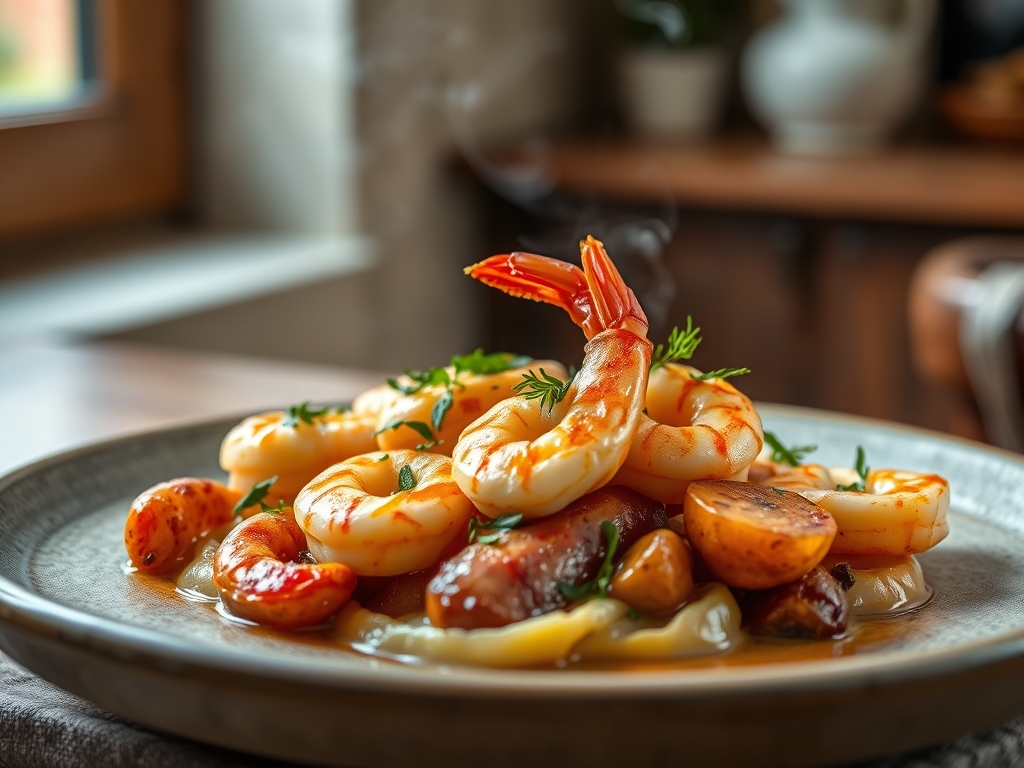
Picture the sound of a heavy-bottomed cast iron skillet meeting a roaring flame. That rhythmic sizzle is the opening note of a culinary masterpiece. When you master shrimp sausage and potato recipes, you are balancing three distinct textures: the snappy pop of protein, the earthy creaminess of starch, and the savory richness of rendered fat.
This is not just a one-pan dinner; it is a lesson in timing and temperature control. We are aiming for that golden-brown crust on the spuds while keeping the seafood tender and translucent in the center. It is the ultimate weeknight flex because it feels like a high-end bistro meal but cleans up in a single swipe. Whether you are craving the piquant kick of andouille or the herbaceous notes of Italian links, these shrimp sausage and potato recipes provide a versatile canvas for your wildest seasoning dreams.
The secret lies in the sequence. Most home cooks throw everything in at once, resulting in rubbery shrimp and chalky potatoes. We are going to change that today. We will treat each ingredient with the respect its molecular structure deserves. By the time we are done, you will understand how to layer flavors like a professional chef, ensuring every bite is a harmonious blend of salt, fat, acid, and heat.
The Gathers:
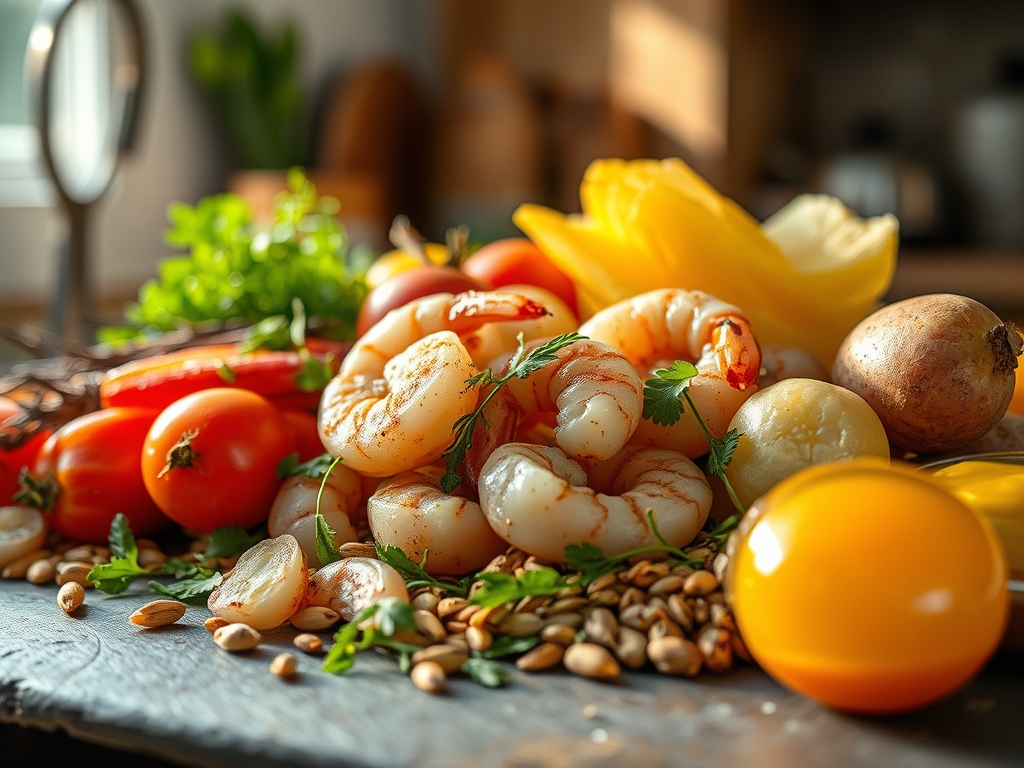
To execute these shrimp sausage and potato recipes with precision, your mise-en-place must be impeccable. Start with the starch. I recommend Yukon Gold potatoes because their medium-starch content allows them to hold their shape while developing a buttery interior. If you use a digital scale, aim for 500 grams of potatoes diced into uniform half-inch cubes. Uniformity is the soul of even cooking.
Next, select your sausage. A pre-cooked, smoked andouille or kielbasa is ideal because it contains stabilized fats that render beautifully without shrinking. For the shrimp, look for 21/25 count (large) tail-on specimens. The tails act as a handle and infuse the cooking oil with a deep, oceanic essence. You will also need a high-smoke-point fat like avocado oil or clarified butter to facilitate the Maillard reaction without scorching.
Smart Substitutions:
If you are looking to lighten the caloric load, swap the traditional pork sausage for a high-quality chicken apple sausage or a plant-based chorizo. For a lower-carb profile, replace half of the potatoes with cauliflower florets or radishes. Radishes lose their peppery bite when roasted and take on a texture remarkably similar to a red bliss potato. Always have a microplane ready for fresh garlic and lemon zest; these volatile aromatics provide the acidic lift needed to cut through the viscous fats of the sausage.
The Clock:
Efficiency in the kitchen is about "Chef's Flow." This refers to the overlap of active tasks and passive cooking time. Total prep time for these shrimp sausage and potato recipes is approximately 15 minutes, primarily focused on knife work. The total cook time is 25 minutes.
Your flow should look like this: while the potatoes are par-cooking or searing, you are peeling the shrimp and slicing the aromatics. Never stand idle. By the time the potatoes reach their peak crispness, your sausage should be sliced and ready to hit the pan. This synchronized approach ensures that no ingredient sits on the counter losing its optimal temperature or texture.
The Masterclass:
1. The Starch Foundation
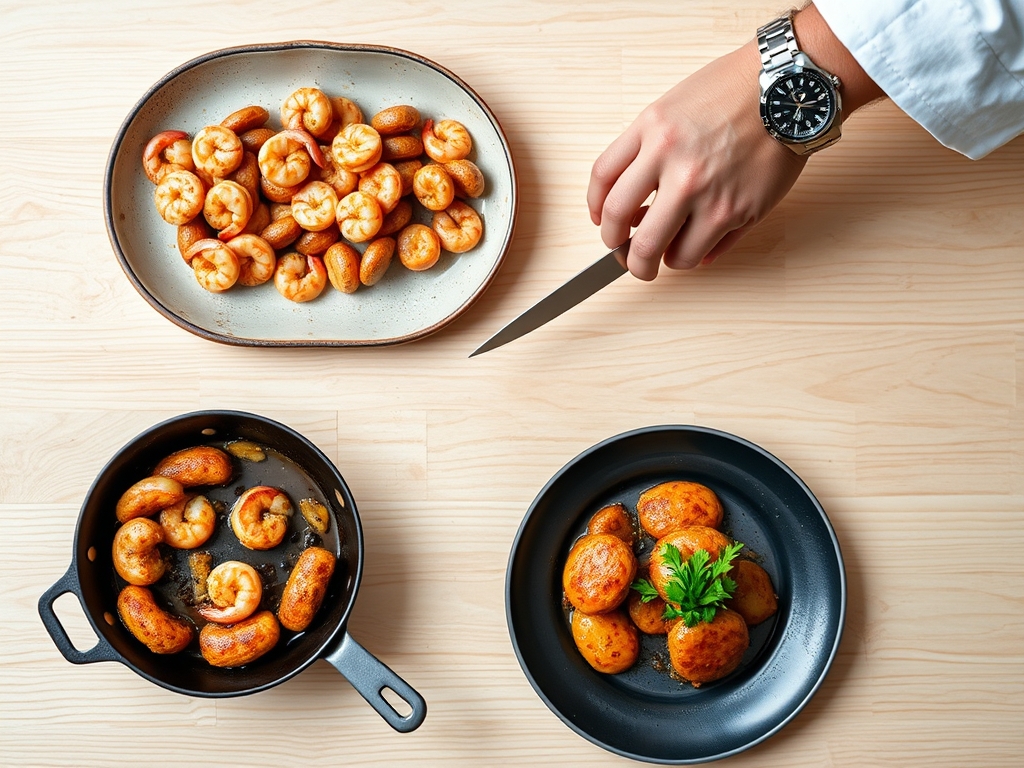
Place your heavy-bottomed skillet over medium-high heat. Add two tablespoons of oil. Once the oil shimmers, add the diced potatoes in a single layer. Do not crowd the pan; crowding creates steam, which leads to mushy potatoes rather than crispy ones.
Pro Tip: This stage relies on the Maillard reaction, a chemical reaction between amino acids and reducing sugars that gives browned food its distinctive flavor. Avoid stirring for the first four minutes to allow a structural crust to form.
2. Rendering the Sausage
Once the potatoes are 70 percent cooked, push them to the perimeter of the skillet. Add your sliced sausage to the center. Use tongs to ensure each coin makes direct contact with the hot surface.
Pro Tip: As the sausage heats, it will render its internal fats. These fats are infused with spices like paprika and garlic, which will then migrate to the potatoes, creating a secondary layer of seasoning known as flavor bridging.
3. The Aromatic Infusion
Lower the heat to medium. Add your minced garlic, shallots, and a pinch of red pepper flakes. Use a wooden spoon or a bench scraper to toss the aromatics with the potatoes and sausage.
Pro Tip: Garlic contains sulfurous compounds that can become bitter if burned. By adding it later in the process, you protect the volatile oils from excessive thermal degradation while still allowing them to permeate the dish.
4. Searing the Shrimp
Clear a space in the center once more and add the shrimp. Season them immediately with kosher salt and black pepper. Cook for about 90 seconds per side until they turn an opaque, pearly pink.
Pro Tip: Shrimp are prone to thermal carryover. This means they continue to cook even after being removed from the heat. Pull them when they form a "C" shape; if they curl into an "O," they are overcooked and will be rubbery.
5. The Deglaze and Emulsification
Pour in a splash of dry white wine or chicken stock. Use your spoon to scrape up the browned bits (the fond) from the bottom of the pan. Finish with a cold pat of butter and a squeeze of fresh lemon juice.
Pro Tip: This step creates a pan sauce emulsion. The cold butter binds with the acidic liquid and the starch from the potatoes to create a glossy, velvet-like coating that clings to every ingredient.
The Deep Dive:
When we look at the macro nutrition of shrimp sausage and potato recipes, we see a balanced profile of complex carbohydrates, lean protein, and healthy fats. A standard serving provides approximately 35 grams of protein and 30 grams of carbohydrates.
Dietary Swaps:
For my keto friends, swap the potatoes for turnips or daikon radish. For a vegan version, use a soy-based sausage and king oyster mushroom "scallops" in place of shrimp; use nutritional yeast to mimic the savory depth of the sausage fat.
The Fix-It:
- Soggy Potatoes: Your pan was too small. Next time, use two skillets or cook in batches to allow moisture to evaporate.
- Tough Shrimp: You likely added them too early. Remember, shrimp only need three minutes of total heat.
- Bland Flavor: You missed the deglazing step. The fond on the bottom of the pan contains the most concentrated flavor; you must lift it with acid.
Meal Prep:
To reheat, avoid the microwave. The high-frequency waves will turn your shrimp into erasers. Instead, use a saucier over low heat with a tablespoon of water or stock. Cover the pan to create a gentle steam environment that restores moisture without overcooking the proteins.
The Wrap-Up:
There you have it; the science of the perfect skillet dinner. These shrimp sausage and potato recipes are more than just a meal; they are a masterclass in heat management and ingredient synergy. By focusing on the Maillard reaction and the delicate timing of seafood, you have elevated a simple rustic dish into something truly sophisticated. Now, grab your favorite bowl, a cold glass of sauvignon blanc, and enjoy the fruits of your culinary labor. You earned it.
The Kitchen Table:
What are the best potatoes for shrimp and sausage skillets?
Yukon Gold potatoes are the gold standard. They possess a waxy texture that holds its shape during searing but contains enough starch to create a creamy interior. Red bliss potatoes are a solid secondary choice for a firmer bite.
Can I use frozen shrimp for this recipe?
Yes, but they must be completely thawed and patted dry with paper towels. Excess moisture on the surface of the shrimp will prevent searing and lead to steaming, which ruins the texture and prevents flavor development.
How do I prevent the garlic from burning?
Add the garlic only during the last two minutes of cooking. Garlic has a high sugar content and very little water, meaning it undergoes the Maillard reaction and then burns much faster than potatoes or sausage.
What is the best way to store leftovers?
Store in an airtight glass container for up to three days. When reheating, use the stovetop rather than the microwave to preserve the snappy texture of the shrimp and the crispness of the potatoes. Add a splash of broth to refresh.