
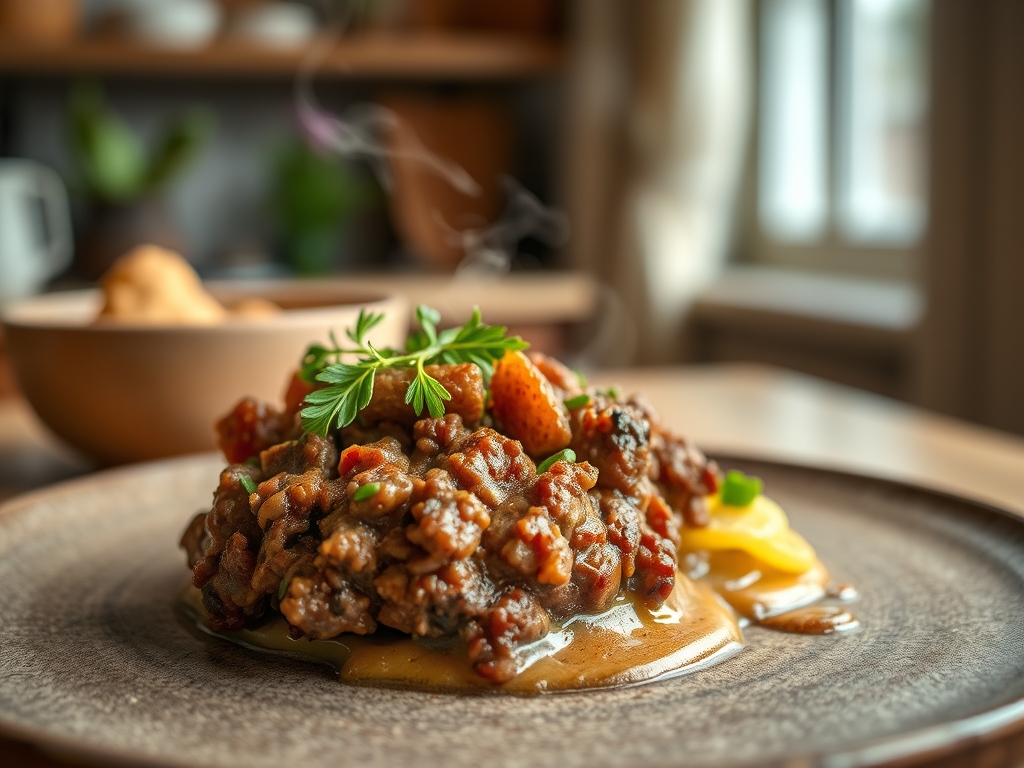
Picture the sizzle of a heavy-bottomed skillet meeting lean protein; it is a sound that promises comfort without the compromise of heavy saturated fats. Many home cooks assume that red meat is off-limits for cardiovascular wellness, but the truth lies in the selection and the science of the sear. By mastering heart healthy ground beef recipes, you are not just making dinner; you are optimizing your lipid profile while indulging in the deep, savory umami that only quality beef provides. We are looking for that perfect 93/7 or 96/4 lean-to-fat ratio, where the flavor is built through the Maillard reaction rather than excess grease. It is about the piquant bite of fresh herbs and the way a splash of balsamic can deglaze a pan to create a rich, viscous sauce without a drop of butter. Let us reclaim the classic comfort of beef by using intelligent techniques that prioritize your ticker as much as your taste buds.
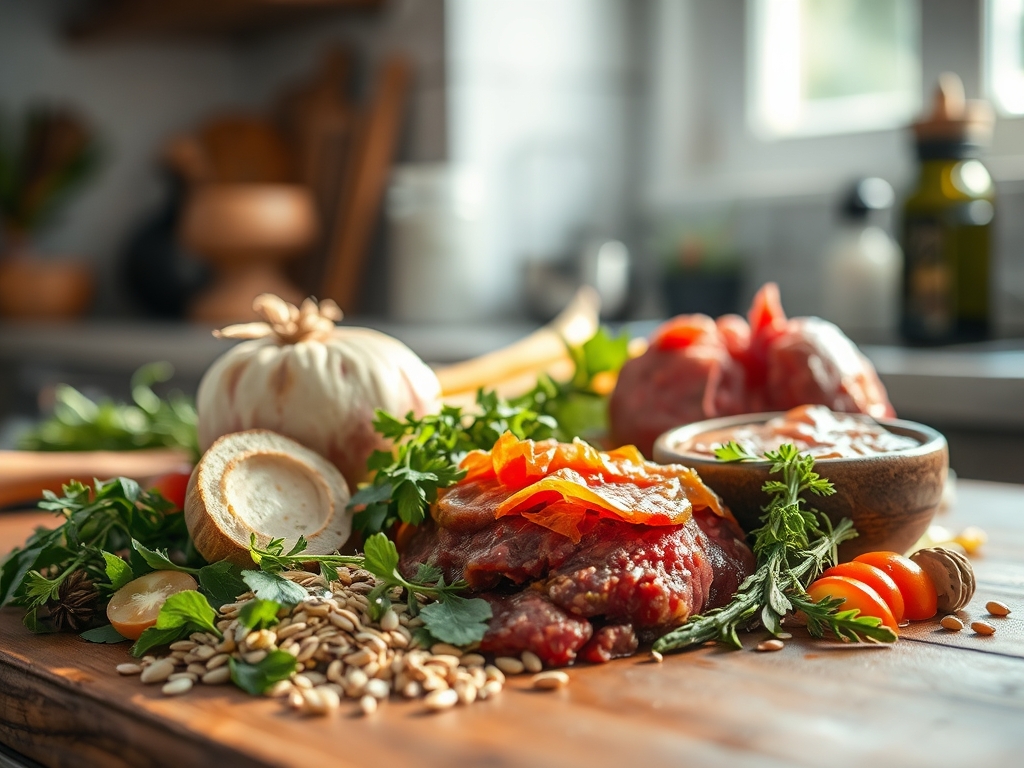
The Gathers:
Your mise-en-place is the foundation of culinary success. For these heart healthy ground beef recipes, your digital scale is your best friend to ensure precise portioning of lean proteins. Gather your aromatics: yellow onions for their high sulfur content, garlic cloves ready for the microplane, and colorful bell peppers packed with Vitamin C. The star is the extra-lean ground beef, which should be a vibrant cherry red, indicating high myoglobin levels and freshness.
Smart Substitutions are the secret weapon of the witty chef. Instead of using breadcrumbs as a binder, which can spike glycemic loads, use pulsed rolled oats or cooked quinoa. These add soluble fiber, specifically beta-glucan, which actively works to lower LDL cholesterol. Replace heavy creams in sauces with a silken tofu puree or Greek yogurt for a probiotic boost and a velvety mouthfeel. Always have a bottle of high-smoke-point avocado oil nearby; it contains monounsaturated fats that remain stable under the high heat required to render beef effectively without creating harmful polar compounds.
The Clock
Efficiency in the kitchen is about understanding the Chef's Flow. For these seven dishes, expect a total prep time of 20 minutes and a cook time of 25 minutes. The flow begins with the cold prep: dicing vegetables with a sharp chef's knife and measuring spices. While the beef tempers on the counter for ten minutes to ensure even heat distribution, you preheat your stainless steel or cast iron.
The middle phase is the active sear, where you must resist the urge to crowd the pan. Crowding lowers the surface temperature, causing the meat to steam in its own juices rather than brown. The final phase is the rest. Just as a marathon runner needs a cool-down, your beef needs three to five minutes for the muscle fibers to relax and reabsorb their internal moisture, ensuring a succulent result every time.
The Masterclass
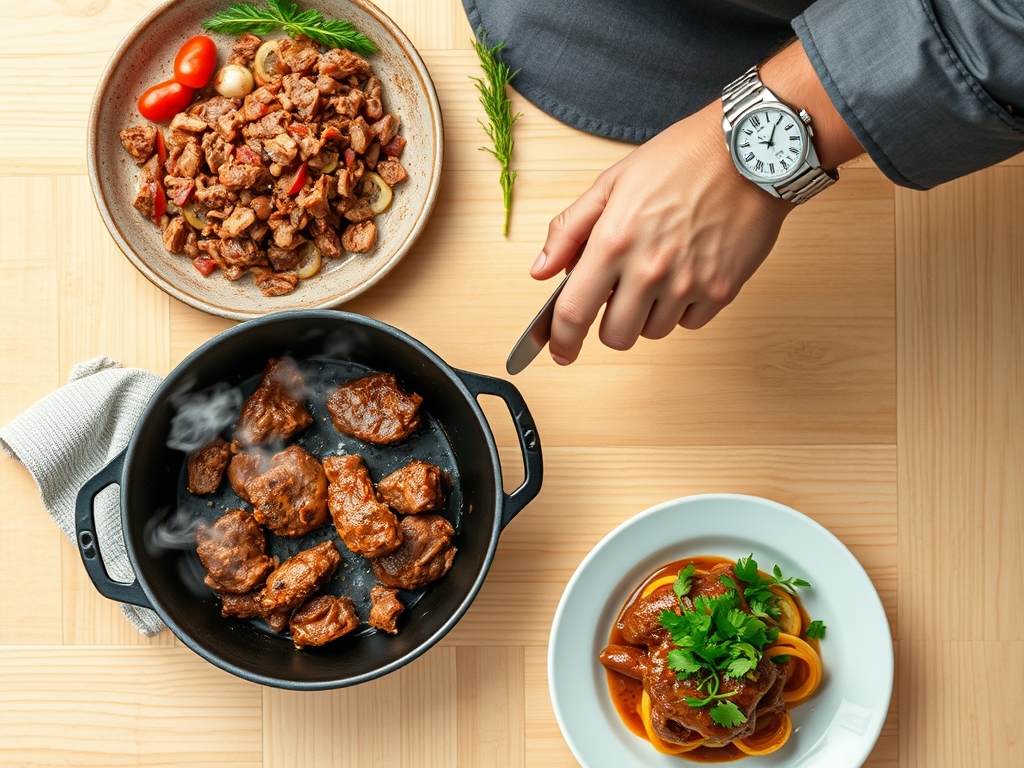
1. The Temper and Sear
Start by bringing your lean beef to room temperature. Pat the surface dry with a paper towel to remove excess moisture. Heat your heavy-bottomed skillet until a drop of water dances on the surface. Add a teaspoon of avocado oil and crumble the beef in, leaving space between the pieces.
Pro Tip: This technique maximizes the Maillard reaction, a chemical reaction between amino acids and reducing sugars. By removing surface moisture, you prevent the latent heat of vaporization from stalling the browning process, resulting in a deeper flavor profile.
2. The Deglaze and Infuse
Once the beef is browned, move it to the perimeter of the pan. Add your aromatics like shallots and minced ginger. As they soften, use a wooden spoon or bench scraper to lift the "fond" (the brown bits stuck to the bottom) by adding a splash of low-sodium beef stock or red wine vinegar.
Pro Tip: Deglazing is not just for cleaning the pan; it incorporates concentrated flavor compounds back into the dish. The acidity in the liquid also helps to tenderize the lean protein fibers by breaking down connective tissues.
3. The Fiber Integration
Fold in your "bulking" agents. For a heart-healthy profile, we use a 1:1 ratio of beef to finely chopped mushrooms or riced cauliflower. Use your heat-resistant spatula to incorporate these until they are fully integrated and have released their moisture.
Pro Tip: This is known as The Blend. Mushrooms contain glutamate, which provides a synergistic umami boost. Because mushrooms have a similar cellular structure to meat, they mimic the texture while significantly reducing the caloric density and saturated fat of the meal.
4. The Emulsified Sauce
If your recipe calls for a sauce, create a slurry using arrowroot powder and cold liquid. Pour this into the simmering pan and stir constantly with a whisk or saucier spoon until the liquid becomes translucent and thick.
Pro Tip: Starch gelatinization occurs when granules absorb liquid and swell. Unlike flour-based roux, arrowroot provides a glossy finish and remains stable at higher acidities, making it perfect for heart-healthy, tomato-based sauces.
5. The Herb Finish
Turn off the heat before adding fresh herbs like parsley, basil, or cilantro. Use your kitchen shears to snip them directly over the pan. Toss gently to distribute the oils without bruising the delicate leaves.
Pro Tip: Volatile aromatic oils are highly sensitive to heat. By adding herbs at the very end, you preserve the enzymatic integrity and bright flavor notes that would otherwise be lost to evaporation during the boiling process.
The Deep Dive
When we analyze the macro nutrition of these heart healthy ground beef recipes, we see a balanced profile: roughly 25g of protein, 8g of healthy fats, and 15g of complex carbohydrates per serving. This ratio prevents insulin spikes and keeps you satiated.
Dietary Swaps:
For those on a Keto path, swap the oats for crushed walnuts to maintain the binder without the carbs. Vegan friends can follow the exact flavor profiles using a pea-protein crumble, though you should add a dash of soy sauce to mimic the iron-rich depth of beef. For a Gluten-Free version, ensure your beef stock is certified and use tamari instead of standard soy sauce.
The Fix-It:
- Gray Meat: If your beef looks gray instead of brown, you overcrowded the pan. Fix it by removing half the meat and cranking the heat to evaporate the liquid quickly.
- Dry Texture: Lean beef can dry out. Fix it by adding two tablespoons of tomato paste or unsweetened applesauce; the pectin and natural sugars provide a "fatty" mouthfeel without the lard.
- Blandness: If the dish lacks "pop," it likely needs acid, not salt. Add a squeeze of fresh lemon or a teaspoon of apple cider vinegar to brighten the flavors.
Meal Prep:
To maintain "day-one" quality, store your beef in airtight glass containers. When reheating, use the "low and slow" method. Add a tablespoon of water or stock before microwaving or reheating on the stovetop to create a steam environment. This prevents the proteins from tightening and becoming rubbery through thermal carryover.
The Wrap-Up
Cooking heart healthy ground beef recipes is an act of self-care that tastes like a celebration. By focusing on lean cuts, maximizing browning through science, and bulking with nutrient-dense vegetables, you have transformed a humble ingredient into a nutritional powerhouse. Your kitchen is now a laboratory of flavor where wellness and wit collide. So, grab those tongs, trust the sear, and enjoy the vibrant, savory results of your culinary expertise!
The Kitchen Table
Can I use frozen ground beef for these recipes?
Yes, but you must thaw it completely in the refrigerator first. Pat it extremely dry with paper towels to ensure you still achieve a proper Maillard sear rather than steaming the meat in excess ice crystals.
What is the best way to drain fat from lean beef?
Even lean beef has some runoff. Tilt your skillet and use a spoon to move the meat to the top. Use a crumpled paper towel held with tongs to blot the rendered fat from the bottom of the pan.
How do I keep lean ground beef from falling apart?
Use a natural binder like whisked egg whites or mashed black beans. These proteins coagulate during the cooking process, creating a structural matrix that holds the lean meat together without adding unnecessary saturated fats or refined flours.
Is grass-fed beef actually better for heart health?
Grass-fed beef typically contains higher levels of Omega-3 fatty acids and Conjugated Linoleic Acid (CLA). These specific fats are associated with improved heart health and reduced inflammation compared to grain-finished beef, making it a superior choice for these recipes.