
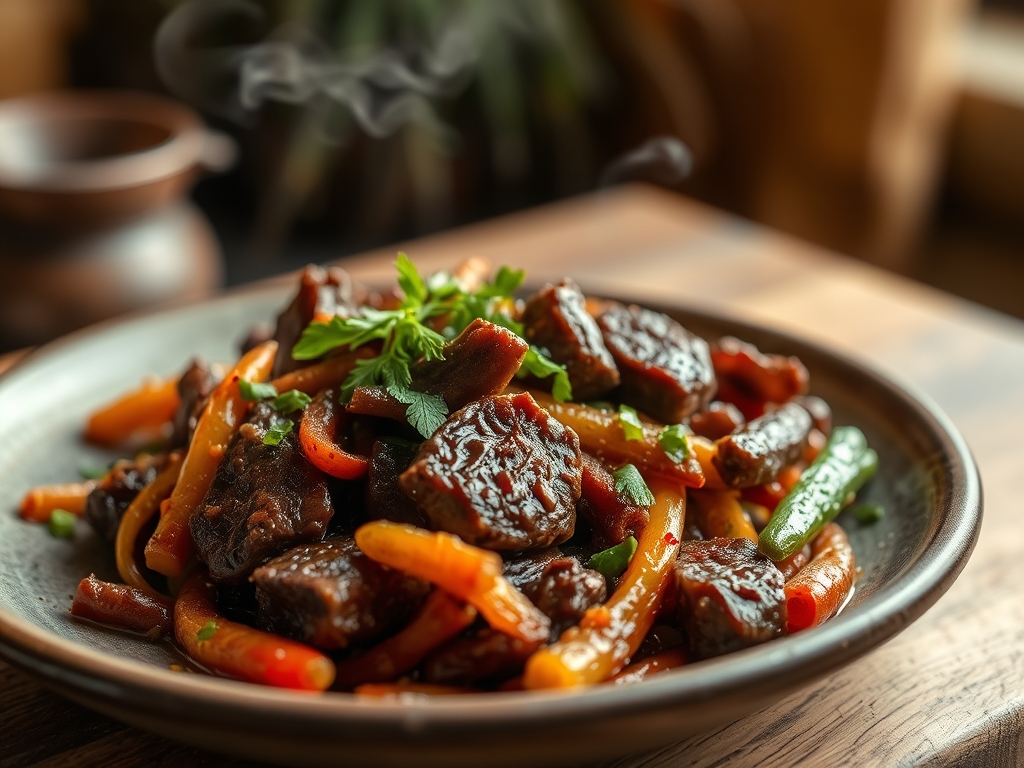
Imagine the sharp, metallic tang of a carbon steel wok meeting the high-octane heat of a gas flame. There is a specific, rhythmic percussion to the kitchen when you master stir fry beef recipes with vegetables; the sizzle of protein hitting oil and the crisp snap of garden-fresh produce. It is a sensory dance of heat and timing.
This is not just a quick dinner. It is a lesson in thermodynamics and the Maillard reaction. When you get it right, the beef is buttery and charred, while the vegetables retain a vibrant, structural integrity. We are moving past the soggy, grey takeout boxes of the past. Today, we are building nine distinct flavor profiles that utilize professional techniques to ensure every bite is a balanced masterpiece of texture and piquant seasoning. Whether you are craving the deep umami of a classic ginger soy or the bright, citrusy lift of a lemongrass infusion, the foundation remains the same. It is about speed, precision, and the courage to let the pan get screaming hot.
The Gathers:
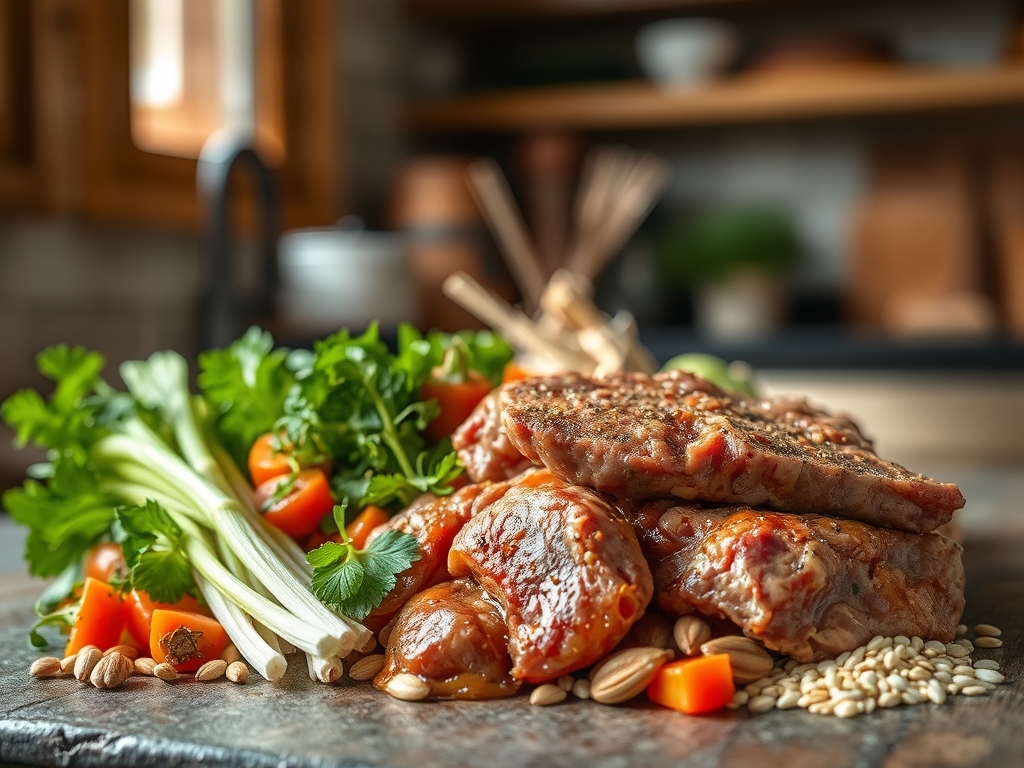
To execute world-class stir fry beef recipes with vegetables, your mise-en-place must be flawless. Because the cooking process happens in under five minutes, you cannot afford to be chopping mid-sizzle. Start with your protein. Choose flank steak, skirt steak, or top sirloin. These cuts possess long muscle fibers that, when sliced against the grain, provide a tender mouthfeel. Use a sharp chef's knife or a bench scraper to organize your piles of aromatics: minced garlic, matchstick ginger, and scallion whites.
The vegetable component requires a variety of textures. Think of "The Crunch" (bell peppers, snap peas, or water chestnuts) and "The Soakers" (mushrooms, baby corn, or broccoli florets). For the sauce, you will need a high-quality soy sauce, toasted sesame oil, and a splash of Shaoxing wine or dry sherry to deglaze the pan.
Smart Substitutions:
If you are out of fresh ginger, a microplane can grate frozen ginger root with ease. No flank steak? Use thinly sliced chicken thighs or firm tofu pressed with a digital scale to remove excess moisture. For a soy-free alternative, coconut aminos offer a similar viscous quality with a lower sodium profile. Always keep a cornstarch slurry nearby; it is the secret to that glossy, restaurant-grade sheen that coats every ingredient perfectly.
The Clock
Efficiency in the kitchen is about the Chef's Flow. The total time for these recipes is approximately 30 minutes, but only 5 to 7 minutes are spent at the stove.
- The Prep (20 Minutes): This is the most labor-intensive phase. Slicing the beef thinly (pro tip: freeze it for 20 minutes first to make it firm) and prepping the vegetables takes the bulk of your time.
- The Sear (3 Minutes): Cooking the beef in small batches prevents the temperature of the pan from dropping, which would cause the meat to steam rather than sear.
- The Assembly (2 Minutes): This is the high-heat finish where the vegetables are flash-cooked and the sauce is emulsified into a thick glaze.
The Masterclass
1. The Velvet Marination
Place your sliced beef in a bowl with a pinch of baking soda, cornstarch, and soy sauce. This process, known as velveting, chemically breaks down tough muscle fibers.
Pro Tip: The baking soda raises the pH level on the surface of the meat, hindering the proteins from bonding too tightly. This ensures the beef remains incredibly tender even under intense heat.
2. The High-Smoke Point Sear
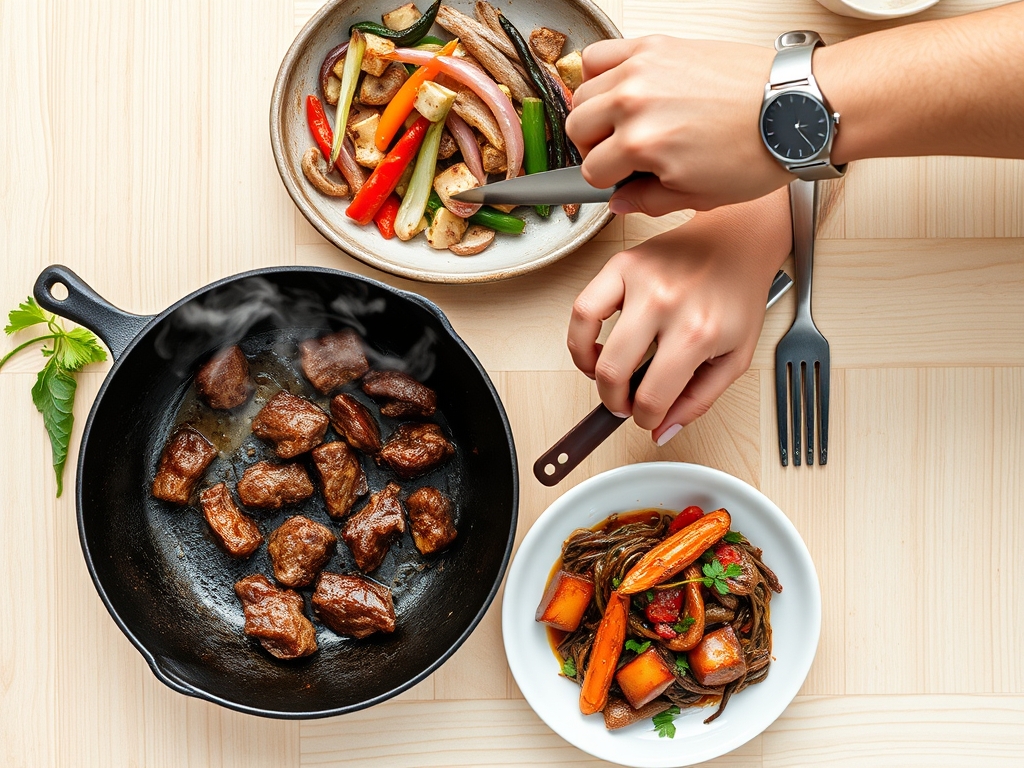
Heat your wok or a heavy-bottomed skillet until a drop of water evaporates instantly. Add a high-smoke point oil like grapeseed or peanut oil. Sear the beef in a single layer using tongs to ensure maximum surface contact.
Pro Tip: This is where the Maillard reaction occurs. By not crowding the pan, you allow moisture to escape as steam, permitting the surface temperature to exceed 300 degrees Fahrenheit for optimal browning.
3. The Aromatic Infusion
Remove the beef and add your aromatics (garlic, ginger, chilies) to the residual oil. Stir constantly for 30 seconds until the oil becomes fragrant.
Pro Tip: This is a fat-soluble extraction. The essential oils in the aromatics infuse into the cooking fat, which then carries those flavors to every other ingredient in the dish.
4. The Vegetable Flash-Cook
Toss in your hard vegetables first, followed by the softer greens. Add a tablespoon of water or broth and cover for 30 seconds to create a steam-flash.
Pro Tip: This utilizes latent heat to soften the interior of dense vegetables like broccoli while keeping the exterior crisp and bright green.
5. The Deglaze and Emulsify
Return the beef to the pan and pour in your sauce mixture. Stir vigorously as the liquid hits the hot metal.
Pro Tip: As the liquid boils, the cornstarch granules swell and trap the water and fat, creating a stable emulsion. This results in a sauce that clings to the food rather than pooling at the bottom of the bowl.
The Deep Dive
Macro Nutrition:
Stir fry beef recipes with vegetables are a nutritional powerhouse. A standard serving provides approximately 30 grams of protein and a massive dose of Vitamin C and Vitamin K from the greens. By controlling the oil, you keep the healthy fats in check while maximizing fiber intake.
Dietary Swaps:
- Keto: Omit the cornstarch and sugar; use xanthan gum for thickening and erythritol for sweetness.
- Vegan: Replace beef with seitan or tempeh and use "no-fish" sauce made from seaweed and mushrooms.
- Gluten-Free: Always use Tamari or liquid aminos in place of traditional soy sauce.
The Fix-It:
- Soggy Vegetables: You likely overcrowded the pan. Next time, cook in smaller batches or increase the heat.
- Tough Beef: Ensure you are cutting against the grain. If the grain runs vertically, your knife should cut horizontally.
- Bland Sauce: It needs acidity. Add a teaspoon of rice vinegar or a squeeze of lime at the very end to aerate the heavy flavors.
Meal Prep Science:
To maintain "day-one" quality, undercook your vegetables slightly if you plan to reheat them. When reheating, use a saucier on the stovetop with a splash of water rather than the microwave. This prevents the beef from becoming rubbery through thermal carryover.
The Wrap-Up
Mastering stir fry beef recipes with vegetables is your ticket to becoming a weeknight hero. It is a technique-driven approach that rewards organization and heat management. Once you understand the science of the sear and the chemistry of the sauce, you can improvise with whatever is in your crisper drawer. Grab your wok, get that oil shimmering, and let the kitchen roar. You have the tools, the tips, and the talent to make something legendary tonight!
The Kitchen Table
What is the best cut of beef for stir fry?
Flank steak is the gold standard due to its lean profile and intense beefy flavor. Skirt steak and top sirloin are excellent alternatives. Always slice thin and against the grain to ensure the meat remains tender during high-heat cooking.
How do I stop my stir fry from getting watery?
Watery stir fry usually results from overcrowding the pan or washing vegetables right before cooking. Ensure your vegetables are bone-dry. Cook in batches to maintain high heat, allowing moisture to evaporate instantly rather than pooling and steaming the ingredients.
Can I make stir fry without a wok?
Absolutely. A large, heavy-bottomed cast iron or stainless steel skillet is a perfect substitute. The goal is heat retention. Avoid non-stick pans if possible, as they cannot safely reach the high temperatures required for a proper sear and Maillard reaction.
Why is my stir fry beef chewy?
Chewy beef is often caused by skipping the velveting step or slicing with the grain. A 15-minute marinade with a little cornstarch and soy sauce creates a protective barrier, while cutting against the grain shortens the muscle fibers for easy chewing.