
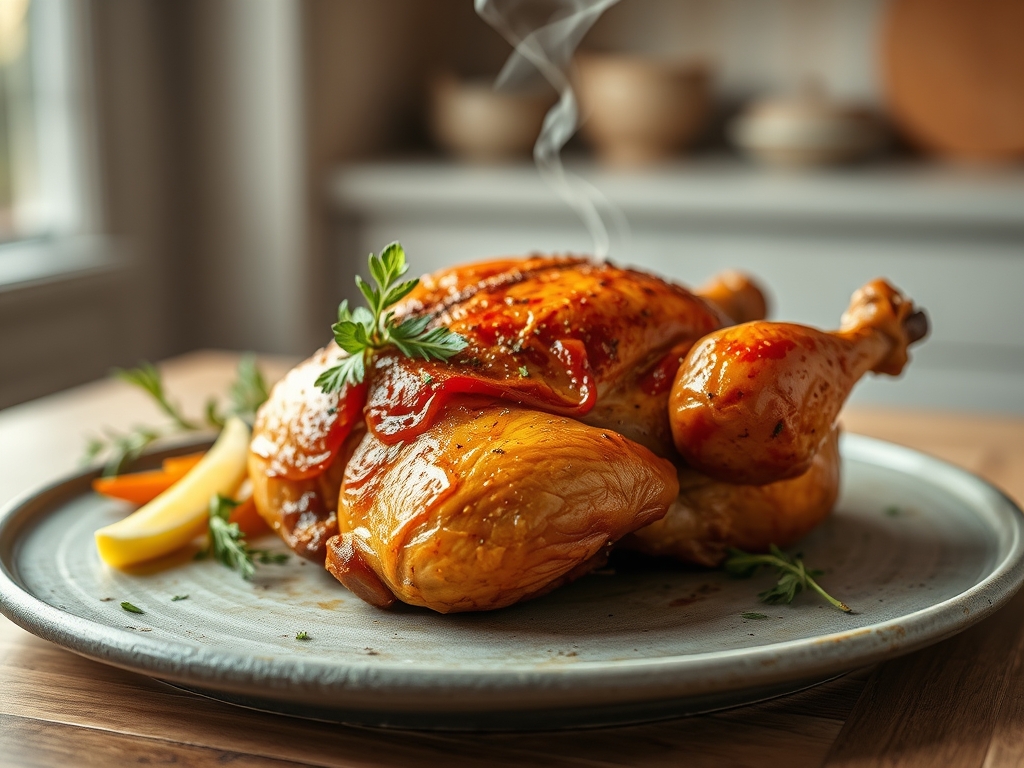
Picture the scene: you are standing in the grocery store aisle, and that unmistakable, savory perfume hits you. It is the scent of rendered fat and salt, a siren song of golden skin and succulent meat. While we often view these birds as a quick Tuesday night fix, the best rotisserie chicken recipes actually serve as a masterclass in culinary efficiency. They are the ultimate "cheat code" for the modern kitchen. If you have ever wondered how to transform a humble supermarket bird into a five-star dining experience, you have come to the right place. We are going to move beyond the basic carving board and dive into the molecular magic that makes this bird the MVP of your refrigerator. From understanding the chemistry of the skin to mastering the art of the perfect reheat, we are elevating your kitchen game. Grab your favorite heavy-bottomed skillet and a sharp pair of kitchen shears; it is time to turn a simple rotisserie bird into a series of gourmet masterpieces that will leave your friends wondering if you secretly attended Le Cordon Bleu.
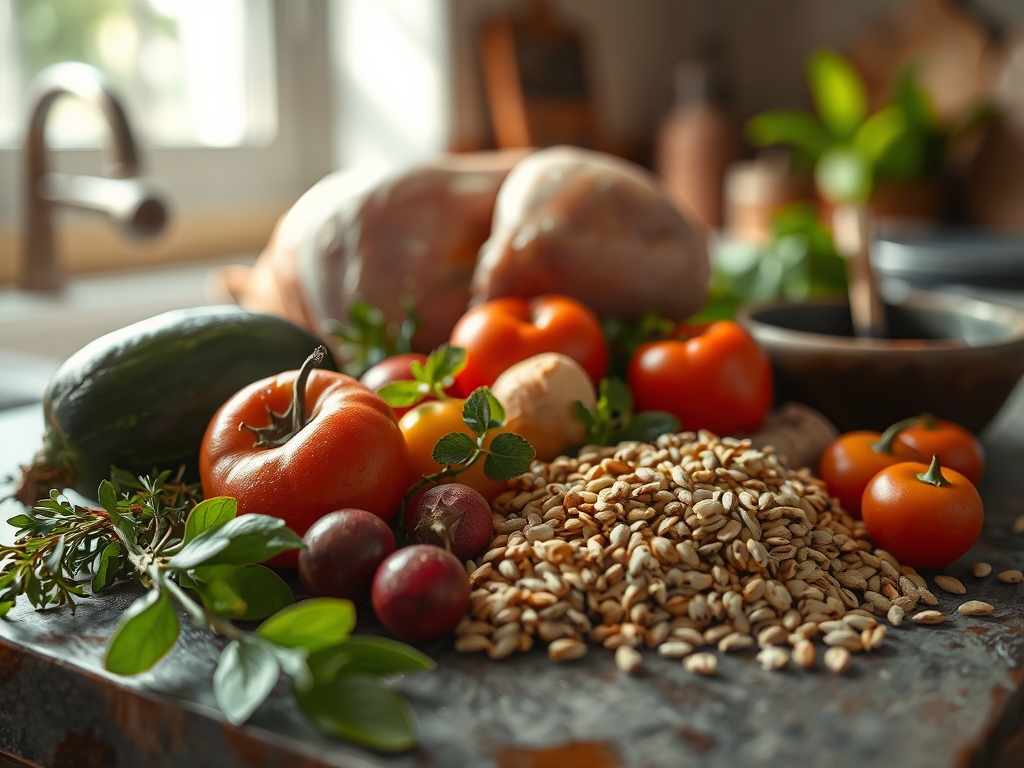
The Gathers:
To execute the best rotisserie chicken recipes, your mise-en-place must be intentional. We are looking for high-contrast textures and flavors that complement the pre-existing salt profile of the bird. You will need a digital scale to ensure your ratios are precise, especially when building sauces. Gather high-quality fats like grass-fed butter or a cold-pressed olive oil; these act as a viscous carrier for aromatics. Fresh herbs are non-negotiable. Think woody rosemary, bright thyme, and piquant flat-leaf parsley.
For the "Smart Substitutions," if you find yourself without fresh aromatics, do not reach for the dusty spice rack. Instead, use a microplane to zest a lemon or lime directly into your prep bowl. The essential oils in the zest provide a brighter, more immediate flavor profile than dried herbs. If you are avoiding dairy, a high-quality tahini can mimic the creamy mouthfeel of butter when building a pan sauce. Always keep a bottle of dry white wine or a splash of sherry vinegar nearby to deglaze your pans; acidity is the secret weapon that cuts through the richness of the rendered chicken fat.
The Clock:
Efficiency in the kitchen is all about the "Chef's Flow." When working with a pre-cooked bird, your active prep time should never exceed 15 minutes. The goal is to maximize flavor while minimizing the time the meat spends exposed to direct heat, which can lead to cellular dehydration. Think of your cooking process in three distinct phases: the Disassembly, the Infusion, and the Plating.
The Disassembly takes about five minutes with a sharp bench scraper or chef's knife. The Infusion, where you combine the chicken with your chosen flavor profile, takes roughly eight to ten minutes. Finally, the Plating is where you use your tongs to create height and visual interest. By following this flow, you ensure the chicken remains at the optimal serving temperature of 145 to 155 degrees Fahrenheit, avoiding the "leathery" texture of overcooked protein.
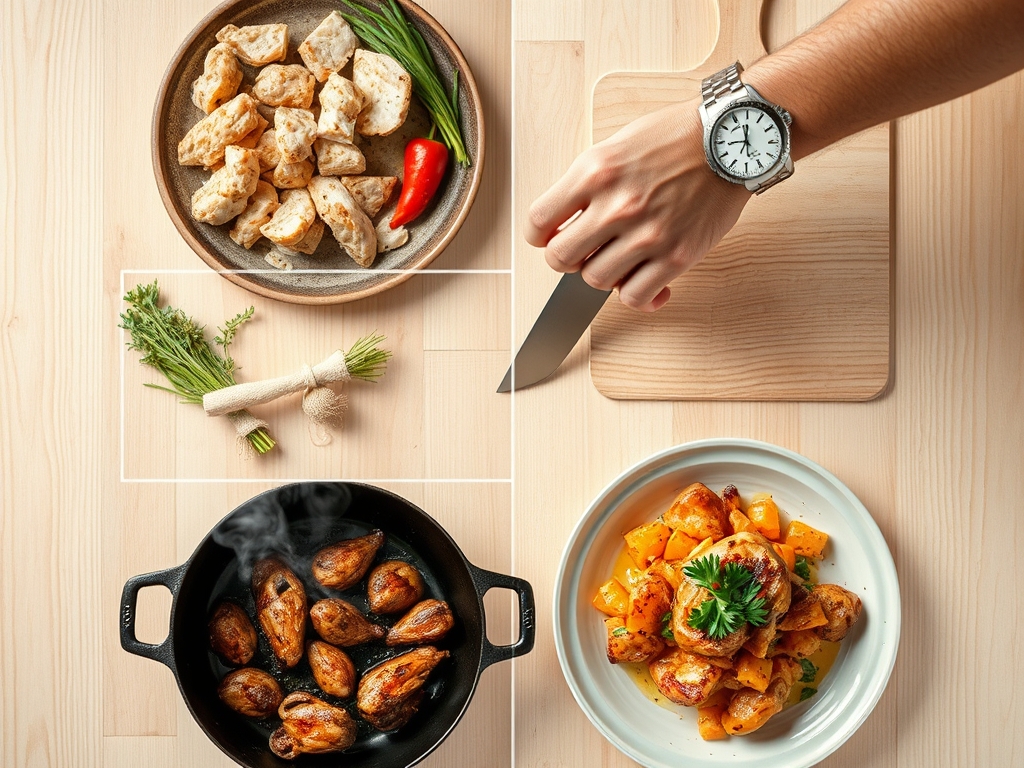
The Masterclass:
1. The Strategic Carve
Do not just hack away at the bird. Use your kitchen shears to remove the backbone first, then separate the joints. This preserves the integrity of the muscle fibers.
Pro Tip: This technique minimizes surface area exposure. By keeping the meat in larger chunks until the final moment, you prevent moisture loss via evaporation, ensuring the interior remains succulent.
2. The Skin Crisping Ritual
If the skin has gone soft in the plastic container, remove it and flash-fry it in a heavy-bottomed skillet with a touch of oil.
Pro Tip: This triggers a secondary Maillard reaction. The heat re-dehydrates the surface proteins and re-renders the fat, returning that crunch through a process of rapid thermal moisture expulsion.
3. The Saucier Emulsion
Take the juices from the bottom of the rotisserie container and whisk them into a saucier with cold butter and a splash of acid.
Pro Tip: This is the science of emulsification. The proteins in the chicken drippings act as a stabilizer, allowing the fat and water-based liquids to bind into a silky, glossy sauce that coats the palate.
4. The Aromatic Bloom
Before adding your chicken to a stir-fry or pasta, toast your dry spices in a dry pan for 30 seconds until fragrant.
Pro Tip: This process, known as tempering, releases the fat-soluble volatile compounds within the spices. It creates a deeper, more complex flavor profile that permeates the meat more effectively than raw spices.
5. The Cold-Start Shred
If you are making a chicken salad, shred the meat while it is still cold from the fridge using a bench scraper.
Pro Tip: Cold fat is solid. Shredding while chilled prevents the fat from melting away, keeping the meat "plump." This allows your dressing to adhere to the surface rather than sliding off a greasy exterior.
6. The Bone Broth Extraction
Never throw away the carcass. Simmer it with mirepoix and peppercorns for at least four hours.
Pro Tip: This is a lesson in collagen hydrolysis. Long, slow heat breaks down the connective tissues into gelatin, resulting in a broth with a rich mouthfeel and high protein density that store-bought stocks cannot match.
7. The Residual Heat Rest
If you are reheating the chicken in a sauce, turn off the burner when the liquid reaches a simmer and cover the pan.
Pro Tip: This utilizes thermal carryover. The gentle, indirect heat warms the chicken to the center without tightening the protein strands, which happens at high, aggressive temperatures.
The Deep Dive:
From a macro perspective, rotisserie chicken is a nutritional powerhouse. A standard 3-ounce serving offers roughly 24 grams of protein with zero carbohydrates, making it a staple for Keto and Paleo enthusiasts. For those following a Vegan lifestyle, you can replicate the "rotisserie" experience using oyster mushrooms or young green jackfruit, which mimic the fibrous texture of chicken when roasted with smoked paprika and liquid smoke. If you are Gluten-Free, simply ensure your seasoning blends do not contain hidden flour as an anti-caking agent.
"The Fix-It" section is your safety net. If your chicken is too salty, add an acid like lemon juice or a fat like avocado to neutralize the sodium perception. If the meat is too dry, toss it in a warm, viscous vinaigrette to artificially restore moisture. If the skin is soggy and won't crisp, remove it entirely, mince it, and fry it into "chicken croutons" for a textural garnish. For meal prep, always reheat chicken in a damp paper towel in the microwave or in a covered dish with a tablespoon of water; this creates a steam chamber that prevents the meat from turning into rubber.
The Wrap-Up:
Mastering the best rotisserie chicken recipes is about more than just convenience; it is about respecting the chemistry of the ingredients. By using the right tools, like a saucier for your emulsions or a microplane for your aromatics, you elevate a simple grocery item into a culinary event. Remember to always prioritize texture and acidity to balance the richness of the bird. Now, go forth and turn that plastic-domed chicken into a dinner that would make a professional chef proud!
The Kitchen Table:
How do I keep rotisserie chicken from getting dry?
Reheat the chicken using gentle, moist heat. Place it in a baking dish with a splash of broth, cover tightly with foil, and warm at 325 degrees. This creates a steam environment that preserves the internal cellular moisture.
Can I freeze a whole rotisserie chicken?
It is better to shred the meat first. Store it in airtight, vacuum-sealed bags to prevent freezer burn. This preserves the texture and makes it easier to incorporate into future recipes like soups, stews, or enchiladas later on.
What is the best way to use the leftover carcass?
Simmer the bones with aromatics to create a gelatin-rich bone broth. This process extracts collagen and minerals, providing a nutrient-dense base for sauces or soups that far surpasses the flavor profile of any boxed or canned chicken stock.
Is rotisserie chicken actually healthy?
Yes, it is an excellent source of lean protein. To optimize the health benefits, remove the skin to reduce saturated fat intake and pair the meat with high-fiber vegetables. Always check labels for added sugars in the seasoning rubs.