
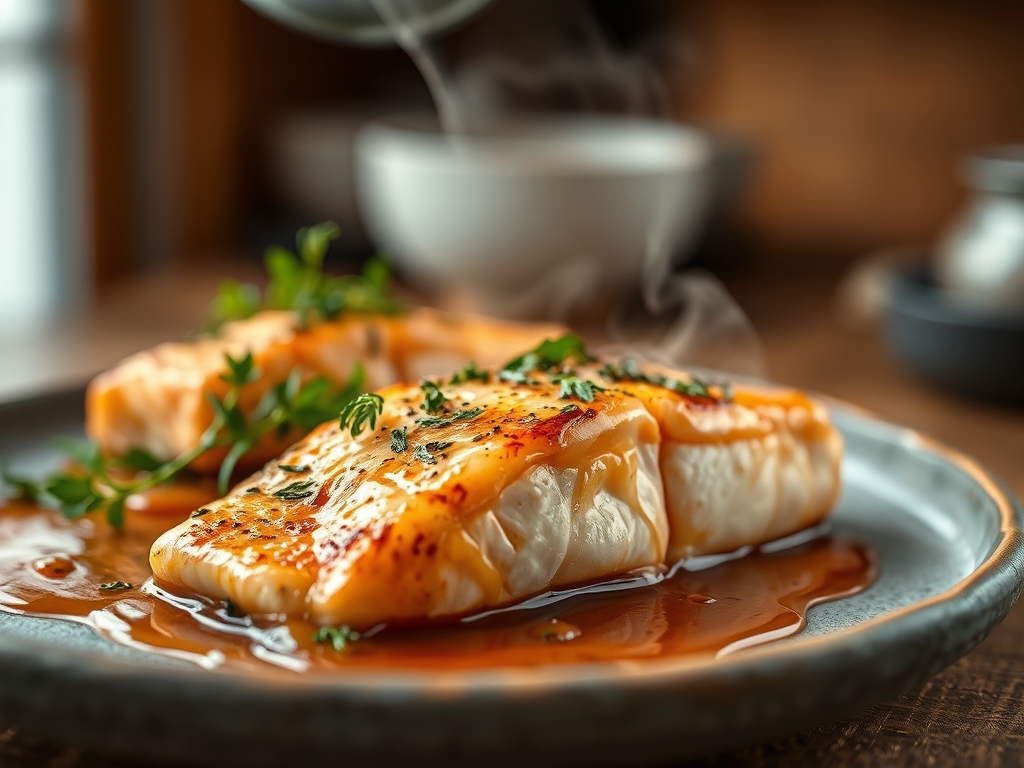
Imagine the sound of cold protein hitting a shimmering, hot stainless steel surface. That sharp sizzle is the sound of moisture evaporating and proteins rearranging into a golden, savory crust. Salmon is the ultimate canvas for culinary creativity, but even the most perfectly seared fillet feels incomplete without a structural companion. Whether you are looking for a bright citrus emulsion or a deep, umami glaze, finding the best sauces for salmon recipes is the secret to transforming a simple weeknight meal into a five star experience. We are moving beyond basic lemon butter into the world of complex viscosity and balanced acidity.
The relationship between salmon and its sauce is fundamentally about managing fat. Salmon is a naturally oily fish, rich in long chain omega 3 fatty acids. To create a balanced bite, we need sauces that provide contrast through sharp acids, pungent aromatics, or heat. From a velvety Miso Maple glaze to a vibrant Chimichurri, these six sauces are designed to interact with the fish at a molecular level, cutting through the richness while enhancing the natural sweetness of the flesh. Let us get your saucier ready and dive into the mechanics of flavor.
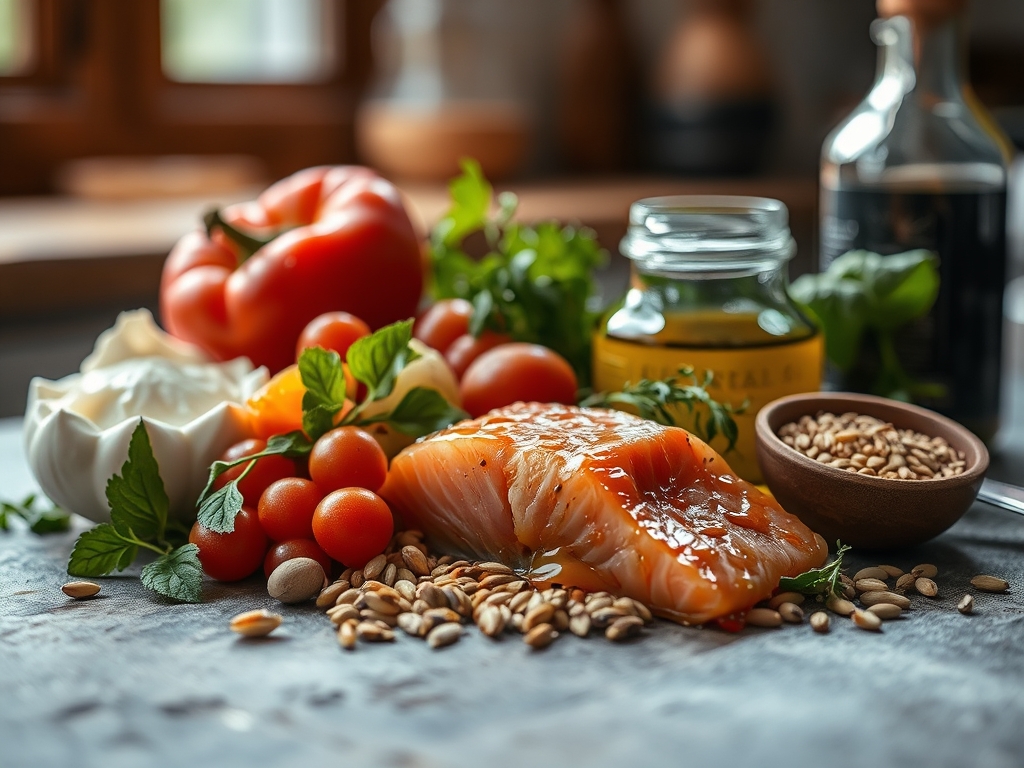
The Gathers:
Before we ignite the burners, we must organize our mise en place. Success in the kitchen is 90 percent preparation and 10 percent execution. You will need a high quality microplane for zest, a whisk for emulsifying, and a digital scale if you want to be precise with your ratios.
- The Citrus Emulsion: Freshly squeezed Meyer lemon juice, cold unsalted butter cubes, and minced shallots. Smart Substitution: Use yuzu juice for a more floral, complex acidity.
- The Umami Glaze: White miso paste, pure maple syrup, and tamari. Smart Substitution: Coconut aminos work perfectly for a soy free alternative.
- The Green Herbaceous: Flat leaf parsley, cilantro, garlic, and extra virgin olive oil. Smart Substitution: Swap parsley for tarragon if you want a sophisticated anise note.
- The Creamy Dill: Full fat Greek yogurt, fresh dill, and capers. Smart Substitution: Use silken tofu blended with lemon for a vegan base.
- The Spicy Honey: Hot honey, apple cider vinegar, and smoked paprika. Smart Substitution: Agave with a pinch of cayenne achieves a similar profile.
- The Beurre Blanc: Dry white wine, heavy cream, and cold butter. Smart Substitution: A splash of verjus provides acidity without the alcohol.
The Clock
Efficiency in the kitchen relies on "Chef's Flow." This is the practice of overlapping tasks so that nothing sits idle. For these sauces, the total active prep time is approximately 15 minutes. The "Clock" breaks down as follows: 5 minutes for precision chopping and zesting, 5 minutes for the initial reduction of liquids, and 5 minutes for the final emulsification or thickening.
Most of these sauces are "finishers," meaning they should be prepared while the salmon rests. This timing is critical because it allows the internal temperature of the fish to stabilize through thermal carryover while you focus on the sauce's final texture. Never let a delicate butter sauce sit for too long, or the emulsion will break as the fats and solids separate.
The Masterclass
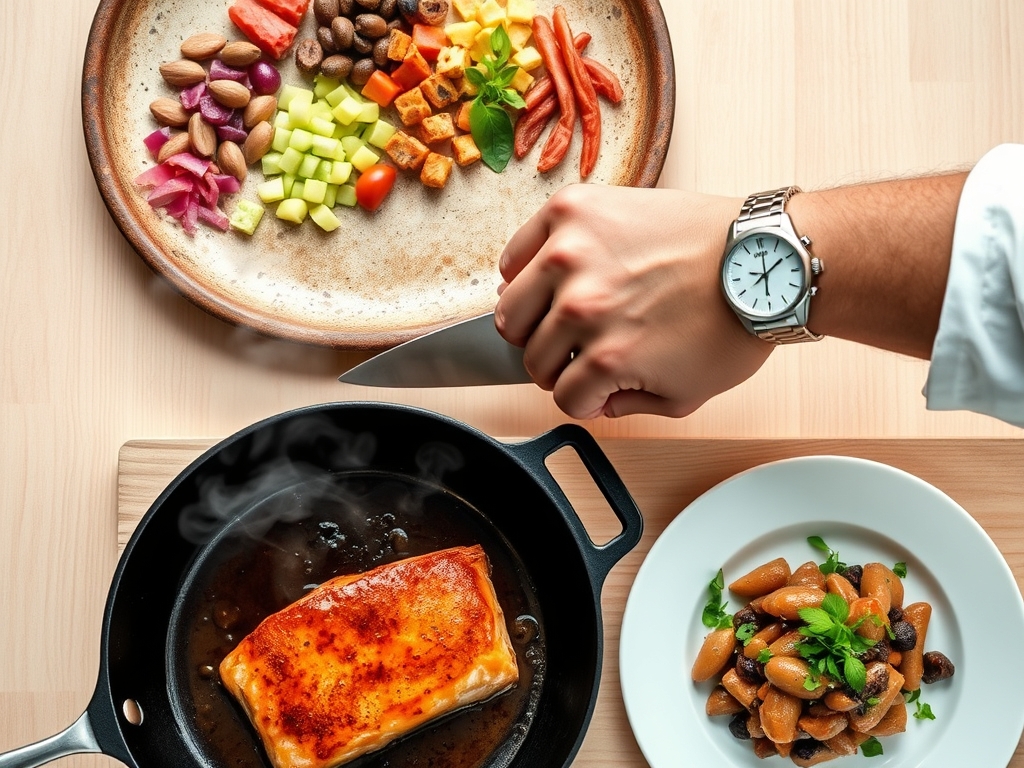
1. Deglaze the Pan
After searing your salmon in a heavy-bottomed skillet, remove the fish and look at the brown bits stuck to the bottom. This is fond, a concentrated treasure of flavor created by the Maillard reaction. Pour in your liquid base, such as white wine or stock, and use a wooden spoon to scrape the bottom.
Pro Tip: This process captures denatured proteins and sugars that add incredible depth to your sauce through a process called deglazing.
2. Reduce for Density
Allow your liquid to simmer until it reaches a viscous consistency. We are looking for "nappe," a French term meaning the sauce is thick enough to coat the back of a spoon. This concentrates the solutes and intensifies the flavor profile.
Pro Tip: Reducing the volume of your liquid increases the concentration of natural pectins and sugars, ensuring the sauce clings to the salmon rather than sliding off.
3. Emulsify with Fat
For butter based sauces, whisk in cold butter one cube at a time off the heat. This is known as monter au beurre. The goal is to suspend milk solids within the liquid to create a smooth, opaque finish.
Pro Tip: Keeping the butter cold is essential; the slow melt allows the milk solids to act as an emulsifier before the fat can fully liquefy and separate.
4. Aerate and Infuse
For herb based sauces like Chimichurri, use a mortar and pestle or a small food processor to break down the cell walls of the herbs. This releases essential oils and creates a more vibrant, aromatic infusion.
Pro Tip: Bruising herbs rather than cleanly slicing them increases the surface area for oil extraction, leading to a more piquant and flavorful result.
The Deep Dive
When considering the nutritional profile, salmon is a powerhouse of protein and healthy fats. Most of these sauces add minimal carbohydrates but can increase caloric density through fats. For a Keto approach, lean heavily into the Beurre Blanc or Citrus Emulsion. If you are following a Vegan or Dairy Free protocol, substitute butter with high quality avocado oil or coconut cream.
The Fix-It: Technical Troubleshooting
- The sauce is too salty: Do not add water. Instead, add a splash of acid (lemon) or a pinch of sugar to balance the sodium perception on the tongue.
- The emulsion broke: If your butter sauce looks oily and separated, whisk in a teaspoon of heavy cream or a splash of warm water to re-bind the fats.
- The glaze is burning: Sugar heavy glazes (like Miso Maple) can burn due to pyrolysis. If it darkens too quickly, move the pan off the heat immediately and add a tablespoon of water to lower the temperature.
Meal Prep and Reheating
To maintain "day-one" quality when reheating salmon and sauce, avoid the microwave. The high energy waves cause the protein fibers to tighten and the fats in the sauce to break. Instead, use a low temperature oven (275F) and cover the dish with foil. This creates a gentle steam environment that preserves the delicate texture of the fish and the integrity of the sauce.
The Wrap-Up
Mastering the best sauces for salmon recipes is about more than just following a list of ingredients; it is about understanding how heat, acid, and fat dance together on the plate. Whether you are whisking a glossy reduction in a saucier or smashing garlic for a fresh herb oil, you are engaging in a beautiful bit of edible chemistry. These six variations offer a spectrum of flavors that ensure you will never have a boring dinner again. Now, grab your tongs, get that pan screaming hot, and let's make some magic.
The Kitchen Table
Can I make these sauces ahead of time?
Yes, most oil or vinegar based sauces last five days in the fridge. However, butter based emulsions like Beurre Blanc are best made fresh to prevent separation. Always store herb sauces with a layer of oil on top to prevent oxidation.
What is the best way to thicken a runny sauce?
The most effective way is reduction over medium heat to evaporate excess water. For a quicker fix, whisk in a small slurry of cornstarch and water, or stir in a cold knob of butter to add body and shine.
Why does my cream sauce curdle?
Cream usually curdles when high acidity or extreme heat is introduced too quickly. To prevent this, reduce your acidic base first, then lower the heat before slowly tempering in the cream. Using full fat dairy also provides more stability.
How do I get a glossy finish on my glaze?
A professional "mirror" shine comes from emulsifying a cold fat at the very end or using a sweetener like honey or maple syrup. These ingredients create a smooth, reflective surface as they cool slightly on the protein.