
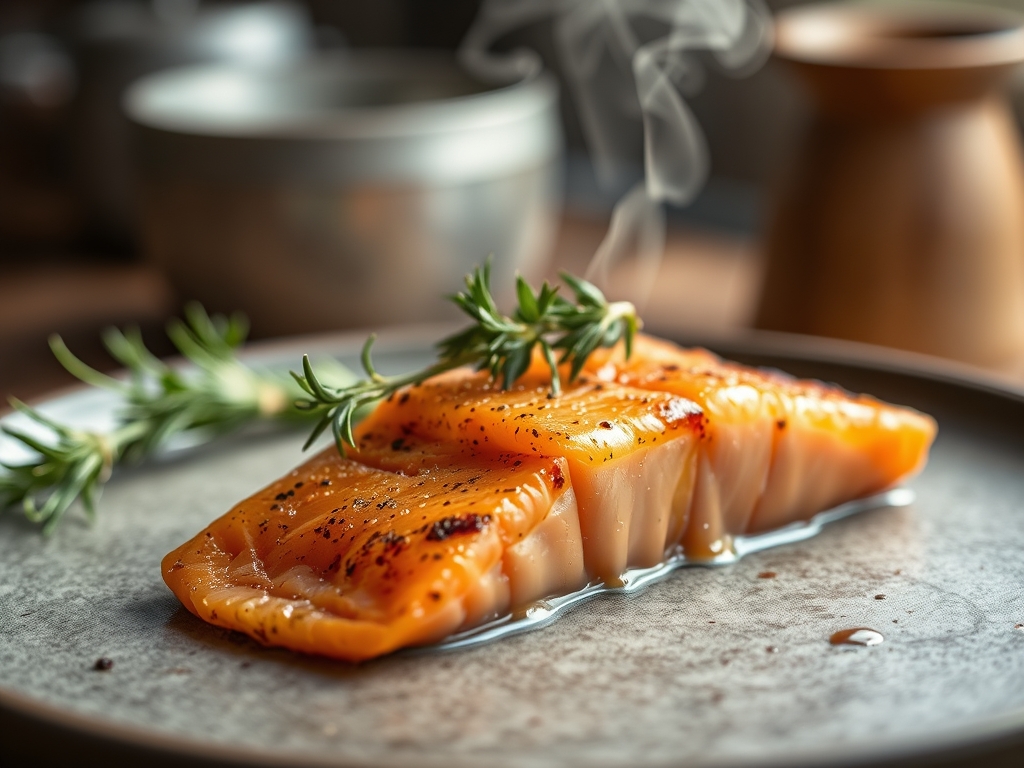
Imagine standing on a rugged shoreline where the air tastes of salt and ancient cedar. The scent of smoldering alder wood drifts through the mist; it is the olfactory signature of the North. When you master alaska smoked salmon recipes, you are not just cooking; you are preserving a seasonal miracle through the precise application of salt, sugar, and smoke.
The alchemy of this process transforms raw, translucent muscle into a firm, lacquer-coated delicacy. It is a dance of chemistry where moisture is drawn out to concentrate flavor, and phenols from the wood smoke act as both a preservative and a perfume. We are looking for that perfect balance: a texture that is buttery yet resilient, and a flavor profile that sings of the deep Pacific. Whether you are aiming for a traditional hard smoke or a delicate cold cure, the secret lies in the integrity of the wild-caught fish and the patience of the cure. Grab your apron and clear your counters; we are about to turn your kitchen into a high-end smokehouse.
The Gathers:
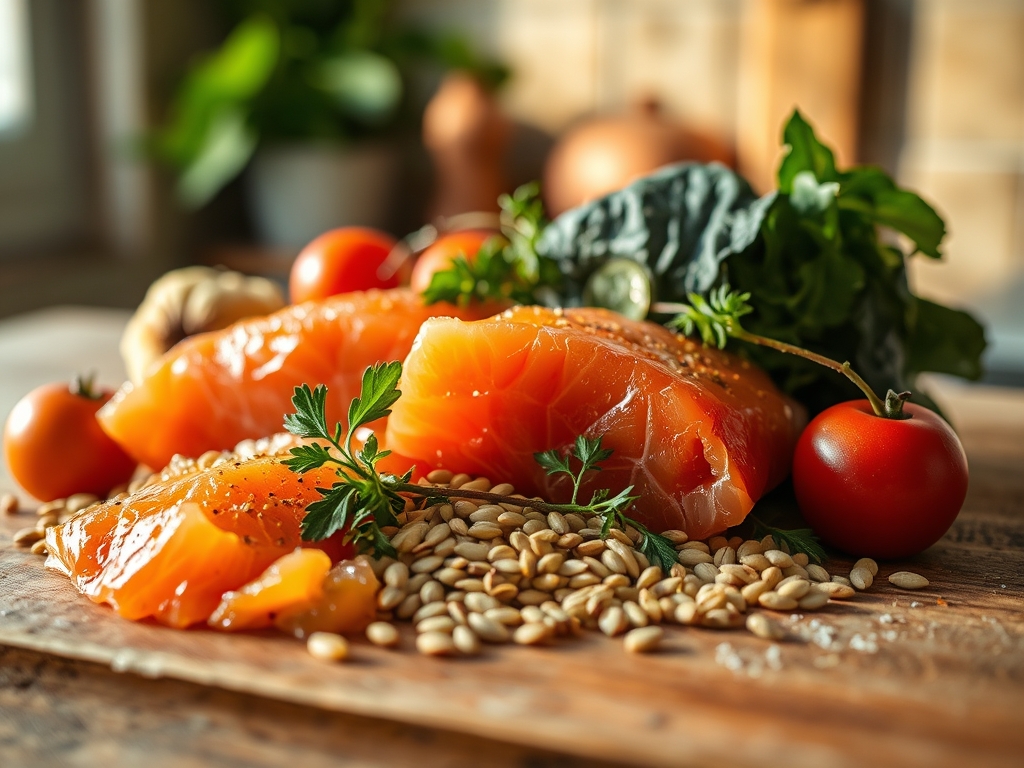
To achieve professional results, your mise-en-place must be exact. Start with a side of wild-caught King or Sockeye salmon. You will need a digital scale to measure your cure; precision here prevents the fish from becoming a salt lick. The base cure requires coarse kosher salt and dark brown sugar. The molasses in the sugar provides a viscous quality that aids in pellicle formation.
For the aromatics, gather cracked black peppercorns, dried dill, and perhaps a touch of crushed coriander. You will also need a bench scraper to manage your workspace and a microplane if you choose to infuse the cure with fresh lemon zest.
Smart Substitutions:
If you are watching your glycemic index, replace the brown sugar with a monk fruit sweetener blend, though you will lose some of the traditional caramelization. No alder wood? Applewood or cherry wood chips provide a similar fruity, mild smoke profile that does not overwhelm the delicate fats of the fish. Avoid mesquite; its intensity is too aggressive for the elegant oils of Alaskan salmon.
The Clock
Greatness cannot be rushed. The "Chef's Flow" for smoked salmon is divided into three distinct phases: the cure, the air-dry, and the smoke.
Prep Time: 20 minutes (slicing and applying the cure).
Curing Time: 8 to 12 hours (depending on the thickness of the fillets).
Pellicle Drying: 2 to 4 hours (crucial for smoke adhesion).
Smoking Time: 2 to 6 hours (depending on your desired internal temperature).
The total commitment is roughly 24 hours. The flow is simple: cure overnight, rinse and dry in the morning, and smoke in the afternoon. This schedule ensures the fish spends the least amount of time in the "danger zone" of temperature while maximizing flavor infusion.
The Masterclass
1. The Precision Cut
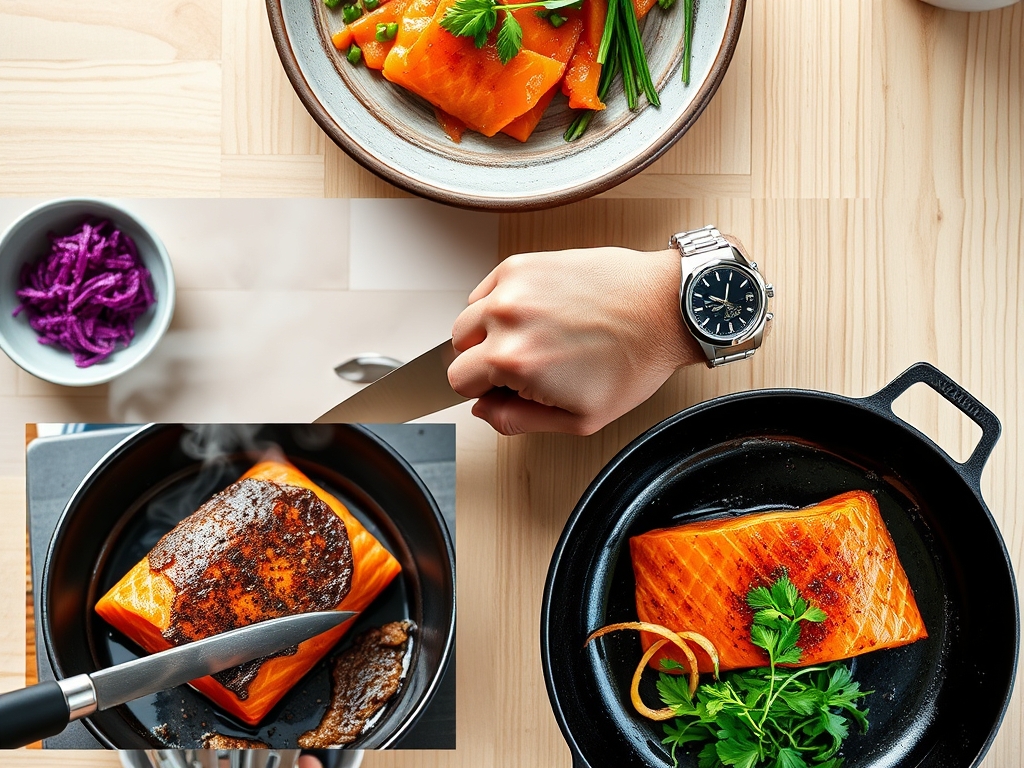
Using a sharp fillet knife, remove the pin bones with tongs or specialized fish tweezers. Slice the salmon into uniform strips about two inches wide. Uniformity is key for even salt absorption and consistent cooking times across the entire batch.
Pro Tip: This is about surface area. By cutting the fish into strips, you increase the "real estate" available for the cure to penetrate, which speeds up the osmotic pressure required to draw out moisture.
2. The Dry Brine Application
Mix your salt and sugar in a 1:2 ratio. Lay the fish in a non-reactive glass dish and coat every inch. The salt begins to denature the proteins immediately, changing the structure of the flesh from soft to firm.
Pro Tip: This process is called denaturation. The salt breaks down the tightly wound protein coils, allowing them to reform into a tighter matrix that traps flavor while expelling excess water.
3. The Cold Rinse and Pat
After the cure, rinse the fish under cold, filtered water to remove excess salt. Use lint-free paper towels to pat the salmon bone-dry. Any residual moisture on the surface will prevent the smoke from sticking.
Pro Tip: Failure to rinse thoroughly results in salt crystallization on the surface once the fish hits the heat, which creates an unpleasant, gritty texture.
4. Developing the Pellicle
Place the fish on a wire rack over a baking sheet and set it in a cool, breezy spot (or in front of a fan). Let it sit until the surface feels tacky and looks like shiny lacquer. This is the pellicle.
Pro Tip: The pellicle is a thin, sticky layer of proteins. Without it, the smoke cannot effectively infuse the meat; instead, it simply rolls off the surface.
5. The Low and Slow Smoke
Load your smoker with alder wood. Aim for a consistent temperature between 150F and 175F. Place the fish skin-side down on the grates. This is where the magic of the Maillard reaction begins, albeit at a very slow pace.
Pro Tip: Keep the temperature low to prevent albumin (that white, unappealing protein) from leaking out. If you see white beads forming, your heat is too high.
6. The Glaze Infusion
During the final hour, use a saucier to warm a mixture of maple syrup and bourbon. Lightly brush this over the salmon. The sugars will render into a gorgeous, piquant crust that balances the salt.
Pro Tip: This adds a layer of hygroscopic sweetness, which helps keep the interior of the fish moist even as the exterior firms up.
7. Monitoring Internal Temps
Use a probe thermometer to track the internal temperature. For a "hot smoke" style, you are aiming for 140F. The fish will continue to cook slightly once removed from the heat.
Pro Tip: This is known as thermal carryover. Removing the fish 2 to 3 degrees early prevents the delicate fats from oxidizing and becoming "fishy" in flavor.
8. The Controlled Cool Down
Do not eat the salmon immediately. Let it rest at room temperature for thirty minutes, then refrigerate. This allows the smoke flavors to "mellow" and distribute evenly through the flesh.
Pro Tip: Resting allows the viscous oils to redistribute. If you cut into it hot, the juices will run out, leaving the salmon dry and crumbly.
The Deep Dive
Macro Nutrition: Alaskan smoked salmon is a powerhouse of Omega-3 fatty acids, specifically EPA and DHA. It is high in bioavailable protein and Vitamin D. A standard 3-ounce serving contains roughly 18 grams of protein and zero carbohydrates, making it a staple for metabolic health.
Dietary Swaps: For a vegan "smoked" alternative, use large carrots peeled into ribbons and marinated in liquid smoke, salt, and maple syrup. For Keto followers, omit the brown sugar in the cure and use an erythritol-based sweetener to maintain the low-carb profile.
The Fix-It:
- Fish is too salty: Soak the finished salmon in cold water for 30 minutes to "leach" the salt, then pat dry.
- White spots (Albumin): Your smoker was too hot. Carefully scrape them off with a bench scraper; the fish is still delicious, just less "pretty."
- Dry texture: You overshot the internal temp. Flake the fish and mix it with cream cheese or Greek yogurt to create a dip; the added fats will mask the dryness.
Meal Prep: Smoked salmon lasts 10 days in the fridge. To reheat without losing quality, use a heavy-bottomed skillet on low heat with a splash of water and a lid. This creates a steam-saturated environment that gently warms the fish without further cooking the proteins.
The Wrap-Up
Mastering alaska smoked salmon recipes is a rite of passage for any serious home cook. It requires a blend of scientific discipline and sensory intuition. When you pull those burnished, mahogany strips of fish from the smoker, you are holding the result of hours of careful chemistry. Serve it on a cedar board with capers, red onion, and a dollop of creme fraiche to truly honor the ingredient. You have officially leveled up your culinary game.
The Kitchen Table
How long does smoked salmon last in the fridge?
Properly cured and smoked salmon will stay fresh for up to 10 days when stored in an airtight container. For longer storage, vacuum seal and freeze it for up to six months without losing texture or flavor.
What is the best wood for smoking Alaskan salmon?
Alder wood is the traditional choice because it provides a light, slightly sweet smoke that does not mask the natural flavor of the fish. Fruitwoods like apple or cherry are excellent secondary options for a mild finish.
Why did my salmon develop white goo on top?
That white substance is albumin, a protein that pushes to the surface when the fish is cooked too quickly or at too high a temperature. To prevent this, keep your smoker below 175F and ramp up heat gradually.
Do I need to keep the skin on during smoking?
Yes, keeping the skin on acts as a heat shield and prevents the fish from falling through the grates. It also helps retain the natural oils and moisture within the fillet during the long smoking process.