
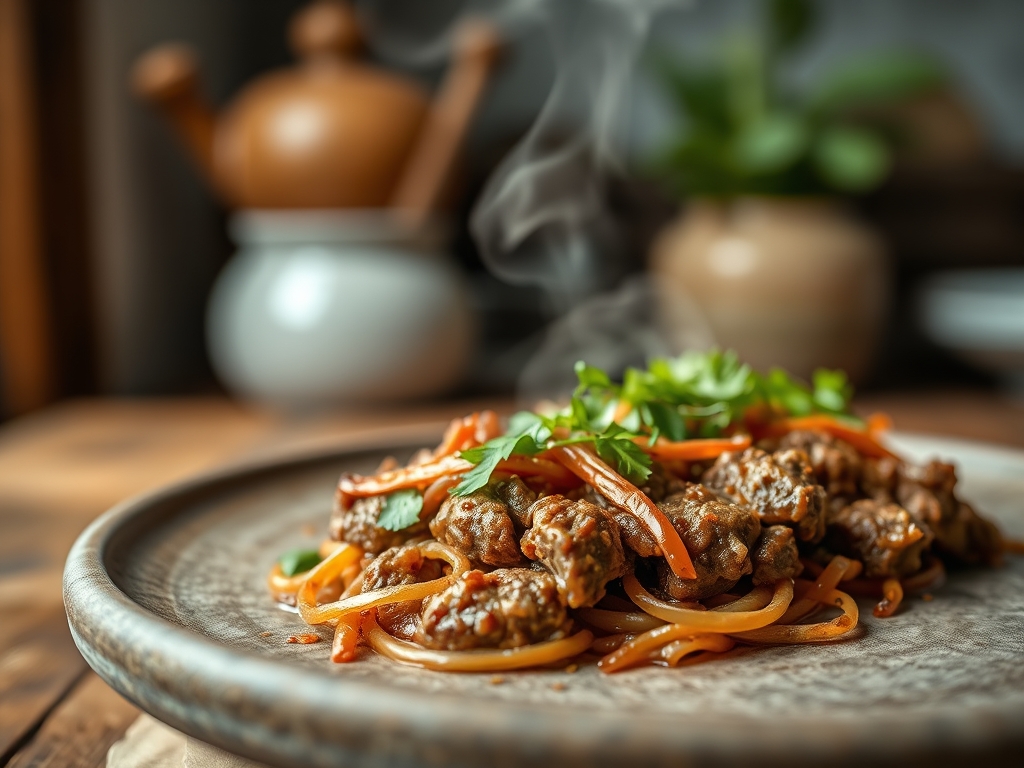
The scent of charred lemongrass and caramelized sugar hitting a screaming hot wok is my personal love language. If you have been searching for versatile vietnamese ground beef recipes, you are about to discover that minced meat is the ultimate canvas for bold, high-contrast flavors. We are moving far beyond the basic stir fry into the realm of crispy edges and umami bombs.
Imagine the sizzle of fat rendering out of premium ground chuck as it meets the piquant bite of fish sauce. Vietnamese cuisine is a masterclass in balance; it is the constant tug-of-war between salty, sweet, sour, and spicy. By using ground beef, we increase the surface area available for the Maillard reaction. This means every single bite is packed with more savory depth than a standard steak could ever dream of providing. Whether we are wrapping this beef in betel leaves or tossing it with chilled rice noodles, the goal is always the same: maximum flavor with minimal fuss. Grab your favorite heavy-bottomed skillet and let us get started.
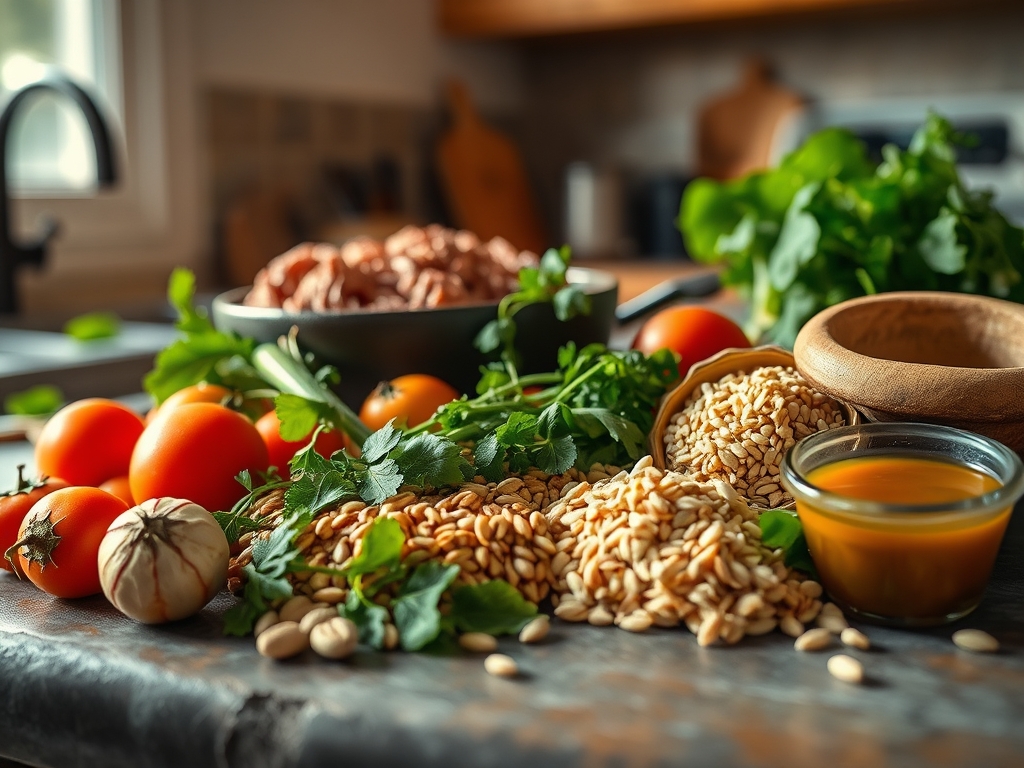
The Gathers:
To execute these vietnamese ground beef recipes with precision, your mise-en-place must be flawless. Start with your aromatics. You will need fresh lemongrass, which should be finely minced using a sharp chef knife until it resembles sawdust; this ensures the woody fibers break down during the quick sear. Garlic and shallots are non-negotiable. I prefer using a microplane for the garlic to create a paste that emulsifies into the cooking oil instantly.
For the liquids, source a high-quality fish sauce (nuoc mam) with a high protein content, usually marked as 40N on the bottle. This provides the viscous, savory backbone of every dish. You will also need palm sugar for its low melting point and earthy sweetness, along with toasted sesame oil to infuse a nutty aroma at the very end of the cooking process.
Smart Substitutions: If you cannot find lemongrass, a combination of lemon zest and a pinch of fresh ginger provides a similar bright, citrusy lift. For those avoiding refined sugar, coconut aminos offer a fantastic alternative that mimics the sweetness and saltiness of the traditional marinade. If you are looking for a leaner profile, ground turkey can be substituted, though you may need to add a teaspoon of neutral oil to prevent sticking since turkey lacks the fat content to render effectively.
The Clock:
Efficiency in the kitchen is all about the "Chef's Flow." For these recipes, the active prep time is approximately 20 minutes. This involves the rhythmic chopping of herbs like mint, cilantro, and Thai basil, along with the fine dicing of aromatics. The cook time is surprisingly brief; most ground beef dishes require only 8 to 12 minutes over high heat.
The secret to the flow is "The Rest." While your beef is marinating for 15 minutes to allow the salt to denature the proteins, use that window to prep your cold components. Shred your carrots, slice your cucumbers, and boil your vermicelli noodles. By the time your skillet is smoking, everything else should be plated and ready. This ensures the beef goes from the heat to the table while the fat is still liquefied and aromatic.
The Masterclass:
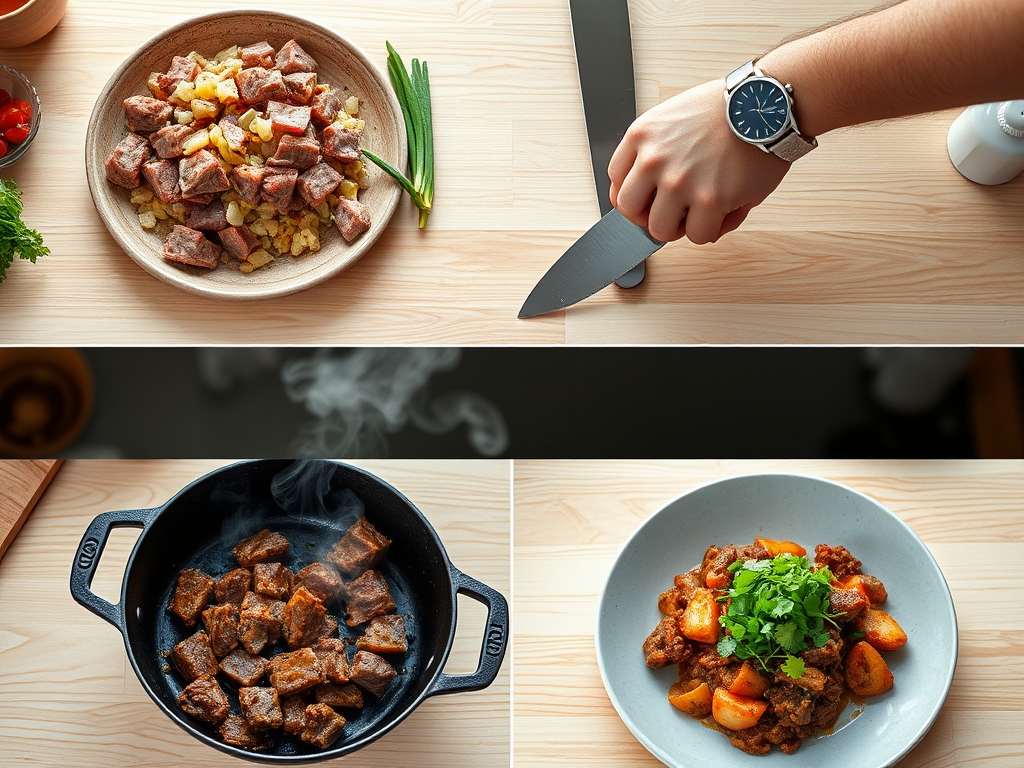
1. The High-Heat Sear
Place your heavy-bottomed skillet over medium-high heat until a drop of water flicked onto the surface dances and evaporates instantly. Add a high-smoke-point oil and crumble the beef in. Do not crowd the pan; work in batches if necessary to avoid steaming the meat.
Pro Tip: This stage relies on the Maillard reaction, a chemical reaction between amino acids and reducing sugars that gives browned food its distinctive flavor. If you move the meat too much, you drop the surface temperature and lose that crust.
2. Infusing the Aromatics
Once the beef is 70 percent browned, push it to the perimeter of the pan. Add your minced lemongrass, shallots, and garlic to the center. Use a silicone spatula to stir them in the rendered beef fat until they become translucent and fragrant.
Pro Tip: This is called blooming. Fat is a highly efficient carrier for flavor compounds; by frying the aromatics in the beef fat, you infuse the entire dish with a deeper aromatic profile than if you added them to the liquid sauce.
3. Deglazing and Emulsifying
Pour in your mixture of fish sauce, sugar, and lime juice. Use a wooden spoon or bench scraper to scrape up any browned bits (fond) stuck to the bottom of the pan. Stir vigorously to ensure the sugar dissolves and the liquid coats every morsel of beef.
Pro Tip: Deglazing captures the concentrated flavors in the fond. The acidity in the lime juice helps balance the heavy fats, creating a bright, balanced finish that prevents the dish from feeling overly greasy.
4. The Herb Flash
Turn off the heat entirely before adding your fresh herbs. Toss the mint and cilantro through the beef using tongs. The residual heat is enough to wilt them slightly without turning them into a brown, mushy mess.
Pro Tip: This utilizes thermal carryover. Herbs contain volatile oils that dissipate under prolonged high heat. By adding them at the end, you preserve their vibrant color and sharp, refreshing flavor profile.
The Deep Dive:
When we look at the macro nutrition of these vietnamese ground beef recipes, they are remarkably balanced. A standard serving provides roughly 25 grams of protein and 15 grams of fat. By serving the beef over a bed of greens or cauliflower rice instead of traditional white rice, you can easily control the glycemic load of the meal.
Dietary Swaps: For a keto-friendly version, replace the palm sugar with an erythritol-based sweetener. To make the dish gluten-free, ensure your fish sauce is certified GF, as some lower-end brands use wheat-based thickeners. For a vegan "beef" alternative, use crumbled extra-firm tofu that has been pressed for 30 minutes; it mimics the texture and absorbs the lemongrass marinade beautifully.
The Fix-It:
- Too Salty: If you were heavy-handed with the fish sauce, add a splash of rice vinegar or extra lime juice. The acid cuts through the sodium perception.
- Too Greasy: If the beef released too much liquid, tilt the pan and use a spoon to remove excess fat, or toss in a handful of shredded cabbage to absorb the juices.
- Meat is Tough: This usually happens if the beef was overcooked. Next time, pull the meat off the heat while it still has a hint of pink; the carryover heat will finish the job.
Meal Prep: To maintain "day-one" quality, store the cooked beef separately from the fresh herbs and vegetables. When reheating, use a saucier over medium heat with a tablespoon of water to re-hydrate the proteins. Avoid the microwave if possible, as it can cause the fat to separate and make the meat rubbery.
The Wrap-Up:
Mastering vietnamese ground beef recipes is like unlocking a superpower in the kitchen. It is fast, affordable, and delivers a complexity of flavor that usually takes hours to achieve. By focusing on the science of the sear and the timing of your aromatics, you can transform a humble pound of mince into a restaurant-quality feast. Don't be afraid to let that pan get hot and let those flavors sing. Now, get cooking and show that skillet who is boss!
The Kitchen Table:
Can I use lean ground beef for these recipes?
Yes, but 80/20 beef is preferred for flavor. If using 90/10 lean beef, add a teaspoon of neutral oil to the pan to ensure the aromatics bloom properly and the meat does not become excessively dry during the searing process.
What is the best way to store leftovers?
Store the cooked beef in an airtight glass container for up to four days. Keep fresh herbs and garnishes in a separate container to prevent them from wilting. Reheat the beef in a skillet with a splash of water for best results.
How do I make the beef extra crispy?
Pat the beef dry with paper towels before cooking to remove surface moisture. Press the meat into a thin layer in a preheated, heavy skillet and let it sit undisturbed for three minutes to develop a deep, caramelized crust.
What can I use instead of fish sauce?
For a similar umami profile, substitute fish sauce with a mixture of soy sauce and a small amount of minced anchovies or a dash of Worcestershire sauce. However, high-quality fish sauce is recommended for the most authentic flavor profile.