
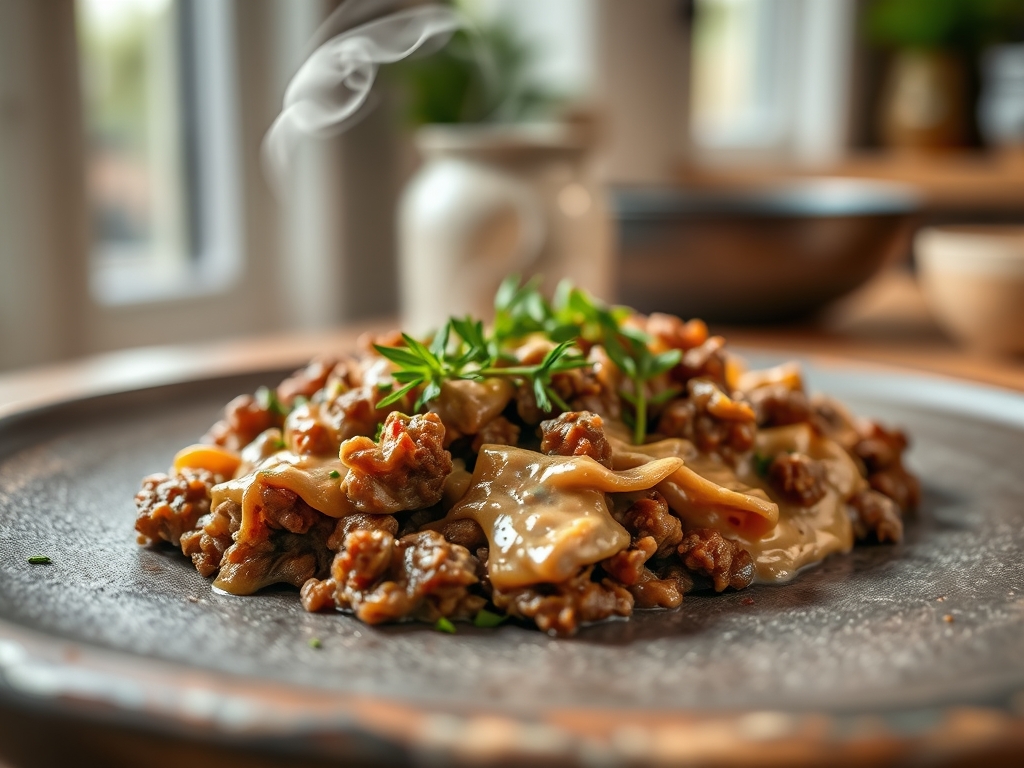
Imagine the sound of a heavy-bottomed stainless steel skillet meeting the flame; it is the opening chord to a culinary masterpiece. There is something primal and deeply comforting about the scent of searing protein mingling with the velvet richness of high-fat dairy. When you are craving a meal that feels like a warm hug but tastes like a five-star bistro, creamy ground beef recipes are the undisputed champions of the weeknight rotation. These dishes rely on the delicate balance between the rugged, savory depth of browned meat and the luxurious, viscous coating of a well-executed sauce. We are moving far beyond the basic hamburger helper of your childhood. We are talking about emulsified pan sauces, complex flavor profiles, and textures that coat the back of a spoon with glossy perfection. Whether it is a stroganoff that pushes the limits of umami or a cheesy pasta bake that defies the laws of gravity, mastering the art of the cream sauce is your ticket to domestic legend status. Let us dive into the chemistry of comfort.

The Gathers:
To execute these creamy ground beef recipes with precision, your mise-en-place must be impeccable. Start with the foundation: high-quality ground chuck. I recommend an 80/20 fat ratio because that rendered bovine lipid is essential for creating a stable emulsion later. You will need your aromatics: yellow onions diced to a uniform three-millimeter brunoise and garlic cloves ready for the microplane. For the "creamy" element, keep heavy cream, full-fat sour cream, or block cream cheese at room temperature to prevent curdling upon heat contact.
Smart Substitutions are your best friend when the pantry looks bare. If you lack heavy cream, a blonde roux made from equal parts flour and butter whisked into whole milk creates a sturdy bechamel. For a piquant kick, swap standard paprika for a smoked pimenton to add a faux-grill depth. If you are watching your acidity, a splash of dry white wine like a Sauvignon Blanc is perfect for the deglaze phase; it cuts through the fat and brightens the entire profile. Always use a digital scale for your pasta or starch components to ensure the sauce-to-carb ratio remains elite.
The Clock:
Efficiency in the kitchen is about understanding the "Chef's Flow." For most creamy ground beef recipes, you are looking at a total commitment of 30 to 45 minutes. The first 10 minutes are dedicated to the "Cold Prep," where you chop, measure, and organize. The "Active Fire" phase takes about 20 minutes; this is where you render the fat and build your flavor base. The final 5 to 10 minutes are the "Melt and Meld" phase, where dairy is incorporated and the sauce thickens through reduction. By synchronizing your pasta water boil with the browning of the beef, you ensure that the starch is perfectly al dente just as the sauce reaches its peak viscosity.
The Masterclass:
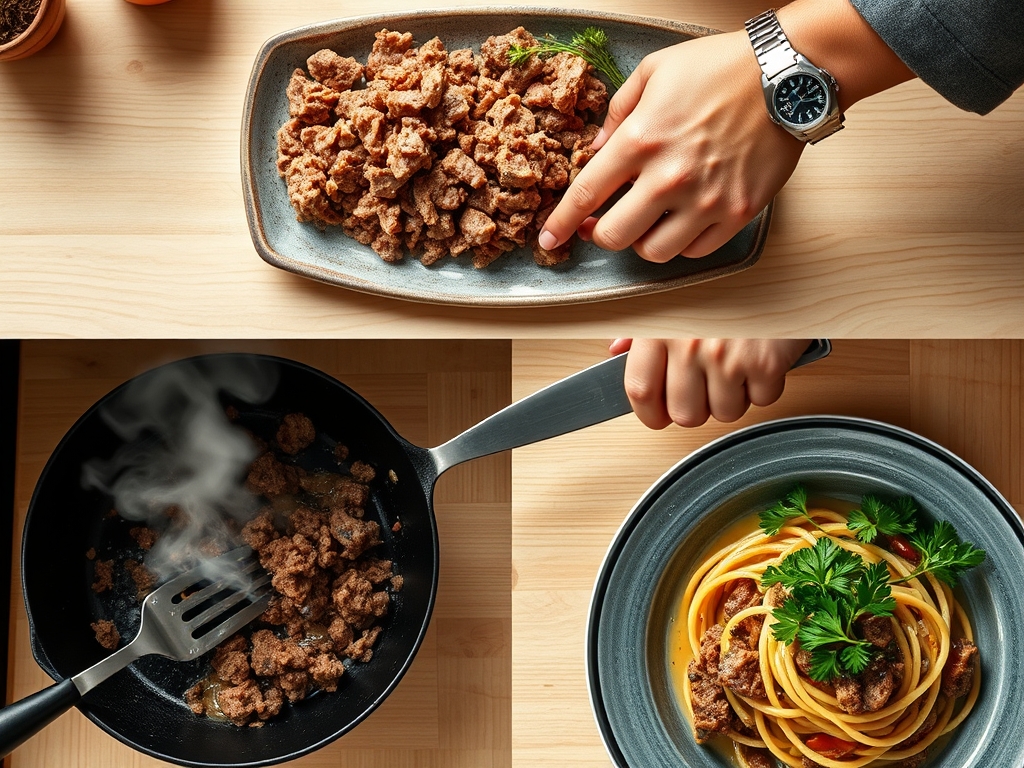
1. The Maillard Sear
Place your heavy-bottomed skillet over medium-high heat until it wisps with smoke. Add the beef in a flat layer and leave it untouched for three minutes. Use a stiff metal spatula to flip and break it into large chunks rather than a fine crumble.
Pro Tip: This stage utilizes the Maillard Reaction, a chemical reaction between amino acids and reducing sugars that creates hundreds of different flavor compounds. If you crowd the pan, the meat will steam in its own moisture rather than sear; work in batches if necessary.
2. The Deglaze and Aromatics
Once the meat is browned, push it to the perimeter of the pan. Add your onions and mushrooms to the center, using the rendered fat to soften them. Once they are translucent, pour in a liquid (stock or wine) and use a wooden spoon to scrape the "fond" from the bottom.
Pro Tip: Those brown bits stuck to the pan are concentrated flavor gold. Deglazing releases these particles into the liquid, ensuring that every drop of the sauce carries the essence of the seared beef.
3. The Emulsion Bridge
Lower the heat to a simmer before adding your dairy. Whisk in your cream or softened cheese slowly, stirring in a figure-eight motion to incorporate the fats.
Pro Tip: High heat is the enemy of dairy. To prevent protein denaturation (which causes the sauce to break or look grainy), ensure the skillet is not at a rolling boil when the cream is introduced.
4. The Starch Integration
Add your cooked pasta or potatoes directly into the saucier. Toss vigorously for sixty seconds over low heat, adding a splash of reserved pasta water if the mixture looks too tight.
Pro Tip: Pasta water contains residual starch that acts as a natural binding agent. It helps the sauce cling to the noodles through a process called starch gelatinization, creating a cohesive, silky finish.
The Deep Dive:
When we look at the macro nutrition of these indulgent meals, we are looking at a high-protein, high-fat profile. A standard serving typically provides 30g of protein and 25g of fat. For a Keto-friendly version, swap the pasta for roasted cauliflower or zucchini noodles and omit the flour-based thickeners. For Vegan alternatives, use a cashew-based cream and plant-based crumbles, though you will need to add a touch of liquid smoke to replicate the beef's depth. Gluten-Free diners should reach for a cornstarch slurry instead of a roux to maintain that glossy texture.
The "Fix-It" Guide:
- The Sauce is Too Thin: Do not keep boiling it. Instead, whisk a teaspoon of cornstarch with cold water and stir it in. The starch granules will swell and thicken the liquid instantly.
- The Sauce Broke (Oily): This happens when the fat separates. Remove from heat and whisk in a tablespoon of very cold heavy cream or a squeeze of lemon juice to re-emulsify the mixture.
- The Beef is Tough: You likely overcooked it during the sear. Next time, pull the meat when it is just barely pink; thermal carryover will finish the cooking as it rests in the sauce.
For meal prep, remember that cream sauces can "seize" in the fridge. To reheat, add a tablespoon of milk and heat on low power in the microwave or in a small saucepan. This replenishes the moisture lost during the cooling process and restores the original texture.
The Wrap-Up:
Mastering creamy ground beef recipes is like learning a secret language of comfort. It is about the sizzle of the pan, the aroma of garlic hitting hot fat, and that final, glorious swirl of cream that turns a simple meal into an event. You now have the technical prowess to handle emulsions, the scientific knowledge of the Maillard reaction, and the kitchen confidence to troubleshoot any sauce disaster. Go forth, grab your favorite skillet, and turn that pound of ground beef into something truly spectacular. Your kitchen is your laboratory; make it delicious!
The Kitchen Table:
Why is my creamy beef sauce grainy?
Graininess usually occurs when dairy is added to a boiling liquid, causing the proteins to clump. Always lower your heat to a simmer and ensure your cream or sour cream is at room temperature before stirring it into the skillet.
Can I freeze creamy ground beef dishes?
While you can freeze them, dairy-based sauces often separate or become "mealy" upon thawing. For best results, freeze the cooked beef and aromatics, then add the fresh cream and cheese during the final reheating process on the stove.
What is the best beef-to-fat ratio for cream sauces?
An 80/20 or 85/15 ratio is ideal. The fat provides the necessary lipids for a stable emulsion and carries the fat-soluble flavors of spices like paprika and pepper throughout the entire dish for a more cohesive taste.
How do I make the sauce extra glossy?
The secret to a professional gloss is a "knob" of cold, unsalted butter stirred in at the very end, off the heat. This technique, called monter au beurre, adds a final layer of emulsified fat that creates a mirror-like finish.