
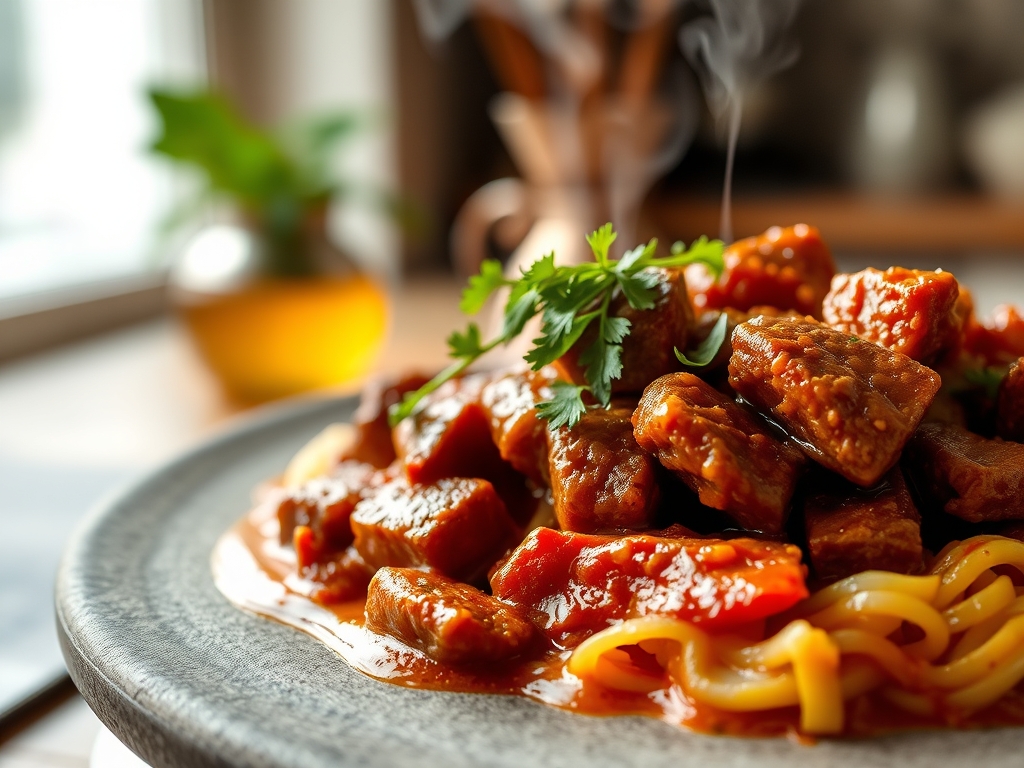
Close your eyes and imagine the scent of toasted coriander and lemongrass hitting a screaming hot pan; it is a fragrant, floral punch that wakes up every dormant nerve ending in your kitchen. We are not just making dinner tonight; we are engineering a masterpiece of heat and silk. When you dive into the world of red curry beef recipes, you are balancing a high stakes chemical equation between the piquant bite of dried chilies and the rich, fatty luxury of coconut cream. It is the ultimate comfort food for the intellectually curious cook. We want beef that yields to the fork like butter, a sauce that clings with a viscous, velvet finish, and a heat profile that builds slowly rather than scorching your palate. This is about more than just following a card; it is about understanding how fat carries flavor and how acid cuts through the heavy lifting of a rich protein. Put on your favorite playlist and grab your heavy bottomed skillet. We are about to turn your kitchen into the best aromatic sanctuary in the city.
The Gathers:
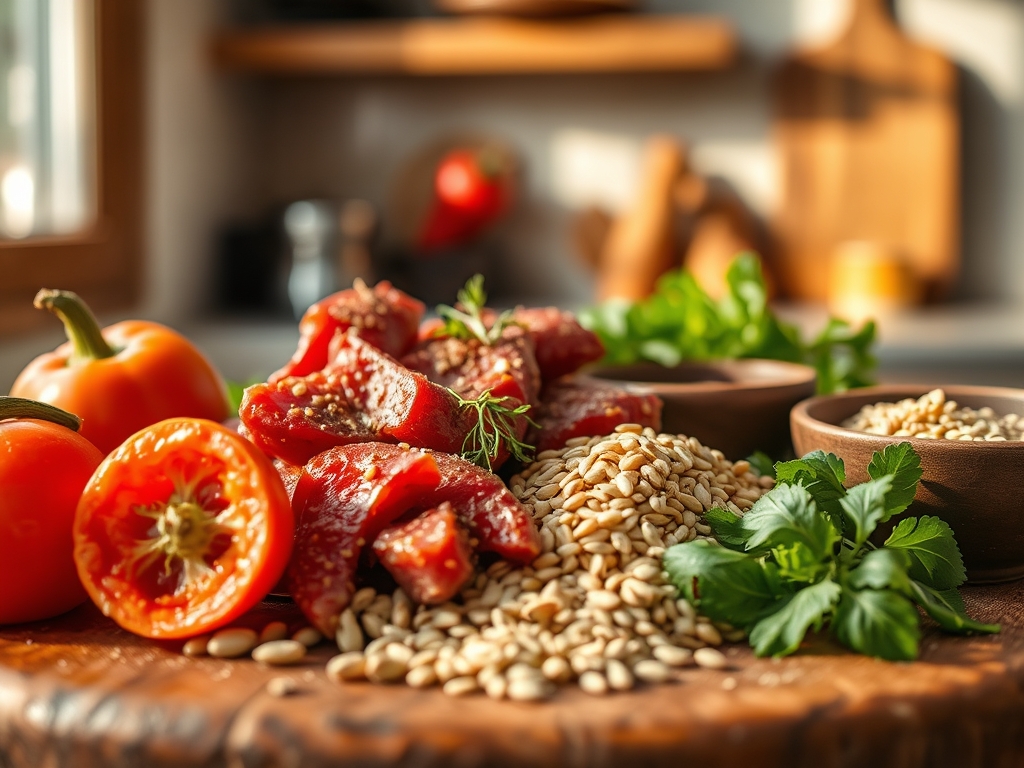
To achieve a restaurant quality result, your mise en place must be precise. Start with one pound of flank steak or chuck roast, sliced thinly against the grain to shorten the muscle fibers. You will need four tablespoons of high quality red curry paste; look for brands that list shrimp paste and galangal as primary ingredients. For the liquid gold, grab two cans of full fat coconut milk. Do not use the light version; we need those medium chain triglycerides to create a stable emulsion. Your aromatics include fresh ginger, three cloves of garlic, and two shallots. For the finishing touches, gather fish sauce for umami, palm sugar for sweetness, and a handful of Thai basil.
Smart Substitutions: If you cannot find galangal, use fresh ginger with a squeeze of lime to mimic that piney, citrusy note. If palm sugar is missing from your pantry, dark brown sugar or even a touch of maple syrup works beautifully to provide that necessary molasses undertone. For those avoiding shellfish, swap the fish sauce for a high quality light soy sauce or liquid aminos to maintain the salt profile without the oceanic funk.
The Clock
Efficiency in the kitchen is all about the Chef's Flow. Your total active time is roughly 20 minutes, with a 20 minute simmer if you are using tender cuts like flank, or up to 90 minutes if you are braising a tougher cut like brisket. Spend the first 10 minutes prepping your aromatics with a sharp chef's knife and a microplane. The "Flow" means searing your beef while the coconut cream reduces in a separate saucier. This overlapping technique ensures that by the time your beef is perfectly browned, your sauce base is concentrated and ready to receive it. Never rush the rendering phase; patience here pays dividends in the final texture.
The Masterclass
1. The Sear and Render
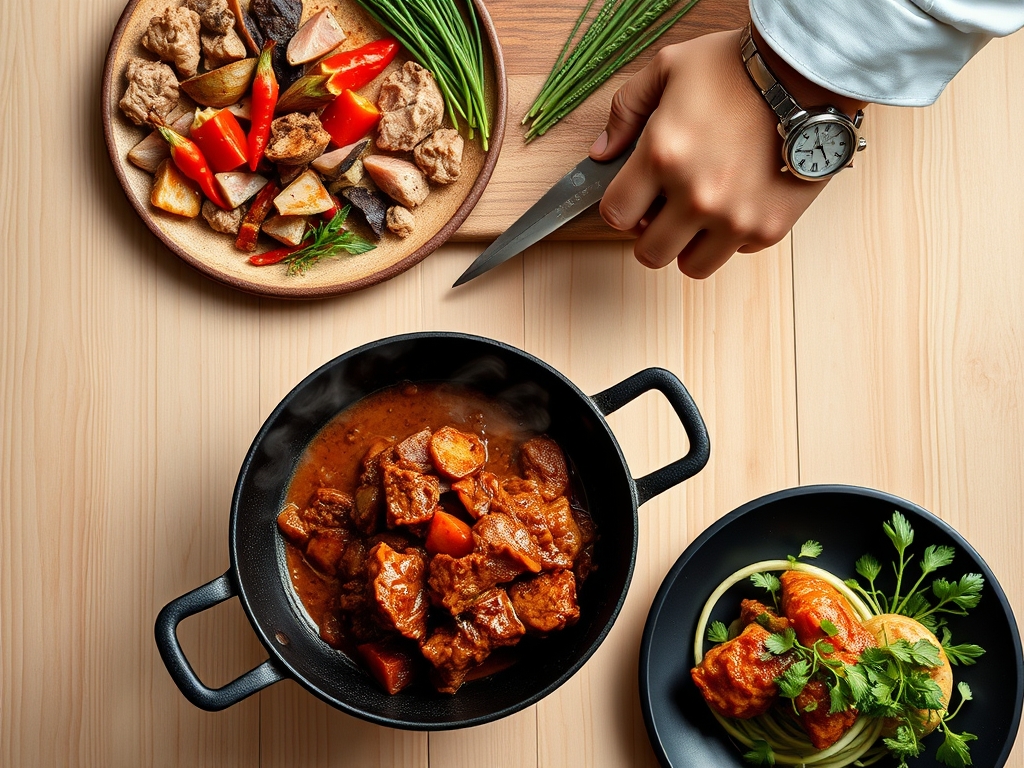
Heat your heavy bottomed skillet over medium high heat with a tablespoon of neutral oil. Pat the beef dry with paper towels to ensure maximum surface contact. Sear the beef in batches, ensuring you do not crowd the pan. Use stainless steel tongs to flip the pieces once a deep brown crust forms.
Pro Tip: This is the Maillard Reaction in action. By drying the meat surface, you prevent the energy of the pan from being wasted on evaporating surface moisture, allowing the proteins and sugars to reorganize into hundreds of complex flavor compounds.
2. Cracking the Cream
Pour the thick, fatty top layer of one can of coconut milk into a saucier. Cook it over medium heat, stirring constantly, until the water evaporates and the oil begins to separate from the solids. This is called "cracking" the cream.
Pro Tip: This technique is a form of fractional reduction. By separating the oil, you create a medium that can fry the curry paste at a higher temperature than boiling water allows, which awakens the fat soluble volatile oils in the spices.
3. Toasting the Paste
Add your red curry paste to the cracked coconut oil. Use a wooden spoon to break it up and fry it for two to three minutes until it turns a deep, brick red and smells intensely fragrant.
Pro Tip: This process is called blooming. Heat releases the essential oils trapped in the dried spices, significantly increasing the piquant depth of the dish compared to simply stirring the paste into a liquid.
4. The Deglaze and Simmer
Slowly whisk in the remaining coconut milk and a splash of beef stock. Use a whisk to scrape up the browned bits (the fond) from the bottom of the pan. Return the beef to the skillet and lower the heat to a gentle simmer.
Pro Tip: This is deglazing. The fond contains concentrated umami. By introducing a liquid, you dissolve these caramelized particles back into the sauce, ensuring no flavor is left behind on the pan surface.
5. Balancing the Five Tastes
Add two tablespoons of fish sauce, one tablespoon of palm sugar, and a squeeze of lime juice. Taste as you go. The goal is a perfect harmony of salty, sweet, sour, spicy, and bitter.
Pro Tip: This is palate calibration. The sugar acts as a bridge between the heat of the chilies and the salt of the fish sauce, while the citric acid in the lime juice brightens the heavy fats.
6. The Final Infusion
Turn off the heat and fold in a generous handful of Thai basil and thinly sliced red chilies. Let it sit for two minutes before serving.
Pro Tip: This utilizes residual thermal energy. Basil is delicate; if you boil it, the aromatic oils dissipate. Steeping the herbs at the end preserves their bright, anise like profile.
The Deep Dive
Macro Nutrition: A standard serving of red curry beef provides approximately 35g of protein, 28g of healthy fats (primarily from coconut), and 12g of carbohydrates. It is a powerhouse of iron and zinc, essential for metabolic health.
Dietary Swaps: For a Keto version, simply omit the palm sugar or use a monk fruit sweetener. For Vegan friends, swap the beef for extra firm pressed tofu or seitan and use a vegan "no fish" sauce made from seaweed. This recipe is naturally Gluten Free, provided your curry paste does not use flour as a thickener.
The Fix-It:
- Too Thin? Do not add flour. Instead, simmer the sauce uncovered for five more minutes to allow for evaporative concentration.
- Too Salty? Add a splash more coconut milk or a squeeze of lime. The fat and acid will mask the excess sodium.
- Broken Sauce? If the oil separates too much and looks greasy, whisk in a tablespoon of warm water or coconut cream to re establish the emulsion.
Meal Prep: Red curry is actually better on day two because the flavors have time to infuse and meld. To reheat, use a small saucepan over low heat and add a tablespoon of water. Avoid the microwave if possible; high intensity radiation can cause the coconut fats to separate and become oily.
The Wrap-Up
You have just mastered the art of the perfect red curry beef. From the initial sear to the final balance of acidity, you have used science to create a dish that is as sophisticated as it is soul warming. Remember, the best red curry beef recipes are the ones where you trust your senses. If it needs more heat, add it. If it needs more brightness, reach for that lime. Now, grab a bowl of jasmine rice, pull up a chair, and enjoy the fruits of your culinary labor. You earned it.
The Kitchen Table
What is the best cut of beef for red curry?
Flank steak or sirloin tip are excellent for quick cooking. For a slower braise, choose chuck roast or short rib. Always slice against the grain to ensure a tender, melt in your mouth texture in every single bite.
How do I make my curry sauce thicker?
The best way to thicken the sauce is through reduction. Simmer the curry uncovered to allow water to evaporate. This concentrates the fats and proteins, resulting in a naturally viscous, rich consistency without the need for starchy thickeners or flour.
Can I freeze red curry beef?
Yes, you can freeze it for up to three months. However, the coconut milk may slightly separate upon thawing. To fix this, reheat the curry slowly in a saucepan while whisking constantly to bring the emulsion back together smoothly.
Why is my curry paste not fragrant?
You likely skipped the "blooming" phase. You must fry the paste in hot oil or cracked coconut cream for several minutes. This heat triggers the release of essential oils in the spices, which is vital for a deep flavor profile.