
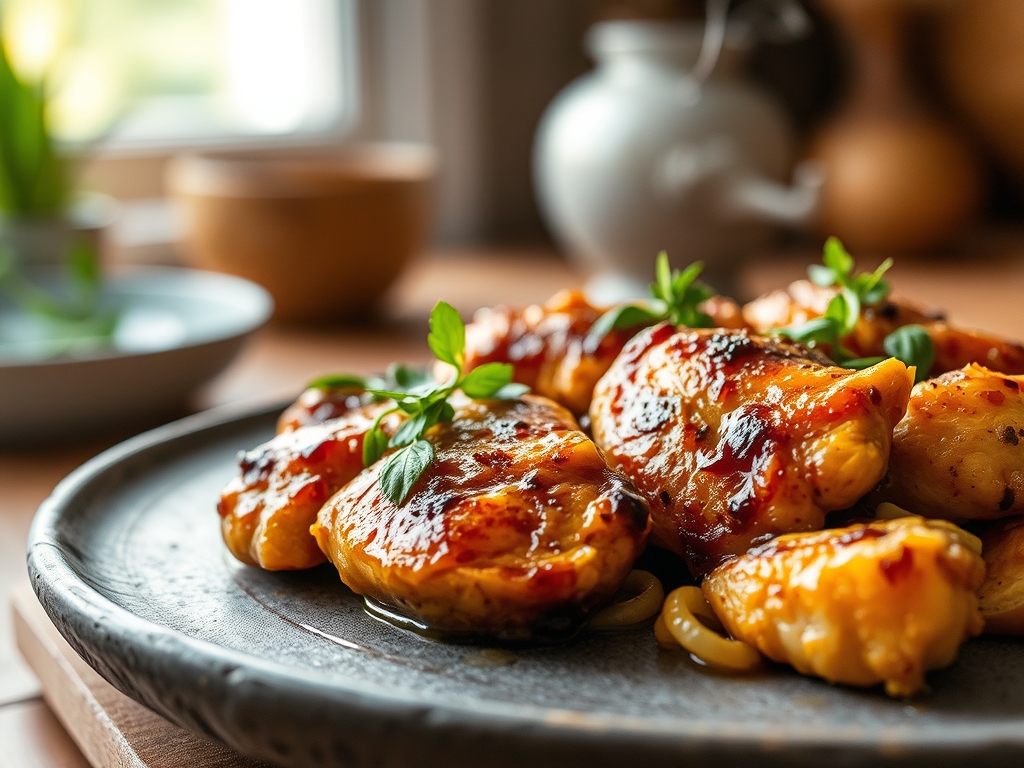
The scent of searing poultry hitting a hot skillet is a universal love language; it is the sound of moisture meeting high heat to create that golden, crackling crust we crave. Most weeknight dinners feel like a chore, but mastering easy marinated chicken recipes transforms your kitchen into a high end bistro without the grueling labor. We are moving beyond the bottled dressings and the bland, rubbery breasts of the past. Today, we are using molecular shortcuts to infuse deep flavor into every fiber of the protein, ensuring that your Tuesday night meal tastes like it took twelve hours of preparation.
The Gathers:
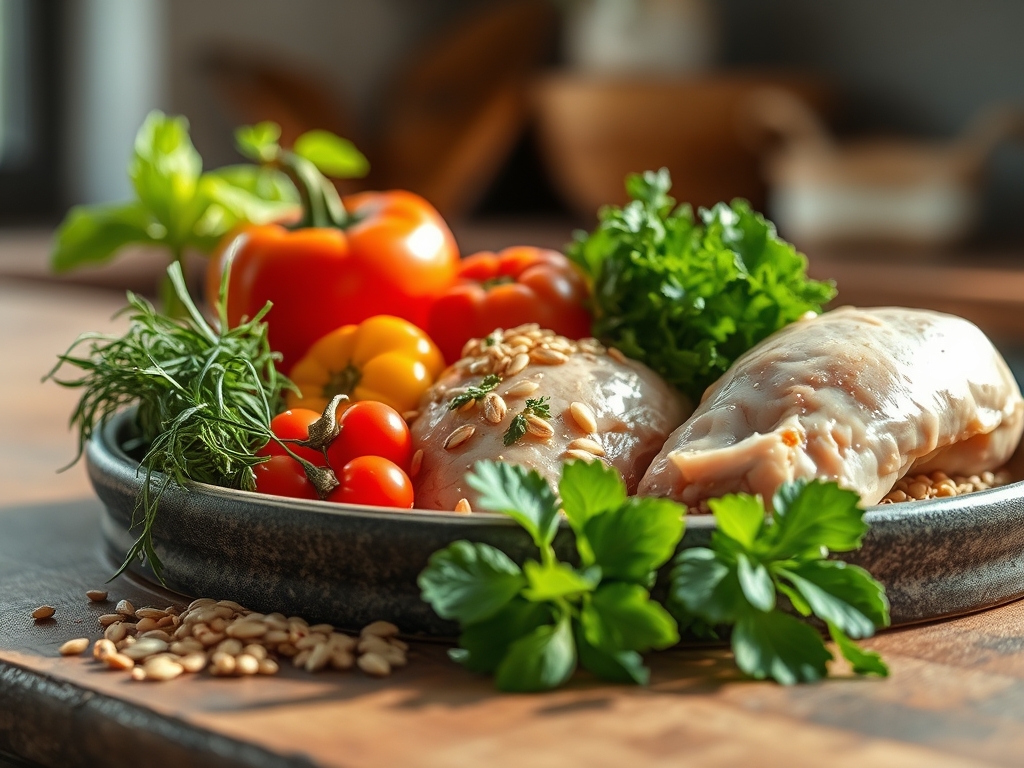
To achieve culinary excellence, your mise-en-place must be precise. We are looking for a balance of acid, fat, salt, and aromatics. For our six flavor profiles (Mediterranean Lemon, Spicy Gochujang, Classic Herb, Chipotle Lime, Honey Garlic, and Ginger Soy), you will need high quality fats like extra virgin olive oil or toasted sesame oil to act as a viscous carrier for fat soluble flavor compounds.
Your salt source is critical; use Diamond Crystal Kosher salt for its hollow flake structure which adheres better to the meat surface. For acids, keep fresh lemons, limes, and rice vinegar on hand to denature the proteins and tenderize the tissue. Aromatics should be prepped with a microplane to maximize surface area, allowing the essential oils in garlic and ginger to permeate the marinade more effectively.
Smart Substitutions:
If you lack fresh citrus, a splash of apple cider vinegar provides the necessary pH drop. If you are out of honey, maple syrup offers a similar sugar density for the Maillard reaction. For those avoiding soy, coconut aminos provide that same umami depth with significantly less sodium.
The Clock:
The "Chef's Flow" is about maximizing efficiency through parallel processing. Prep time for all six marinades is roughly 20 minutes if you utilize a sharp chef's knife and a high speed blender for the more fibrous ingredients. The active cooking time per batch is approximately 12 to 15 minutes, depending on the thickness of your cut.
The "sweet spot" for marinating is between 30 minutes and 4 hours. Anything less than 30 minutes fails to penetrate the osmotic barrier of the meat; anything over 24 hours in a high acid environment will turn the protein mushy as the acid begins to chemically "cook" the chicken, a process known as denaturation.
The Masterclass:
1. The Surface Preparation
Before the marinade touches the meat, use paper towels to pat the chicken completely dry. This is counterintuitive, but removing surface moisture allows the oil based marinade to adhere rather than sliding off a film of water.
Pro Tip: This stage prevents evaporative cooling. If the meat is wet, the energy from your pan goes into boiling away the water instead of searing the meat, which prevents the development of a flavorful crust.
2. The Emulsification Phase
Combine your oil, acid, and spices in a small bowl or jar. Use a whisk to vigorously aerate the mixture until it is emulsified. An emulsified marinade ensures that every square inch of the chicken receives an equal distribution of fat and acid.
Pro Tip: Adding a teaspoon of Dijon mustard acts as a natural surfactant. The mucilage in mustard seeds helps bind oil and vinegar together, creating a stable coating that clings to the protein.
3. The Injection of Aromatics
Use a microplane to grate garlic, ginger, or citrus zest directly into the marinade. These tiny particles have a massive surface area to volume ratio, which speeds up the infusion process.
Pro Tip: This is known as aromatic diffusion. Smaller particles move through the liquid medium faster, ensuring the piquant notes of the garlic reach the center of the meat more quickly.
4. The Searing Ritual
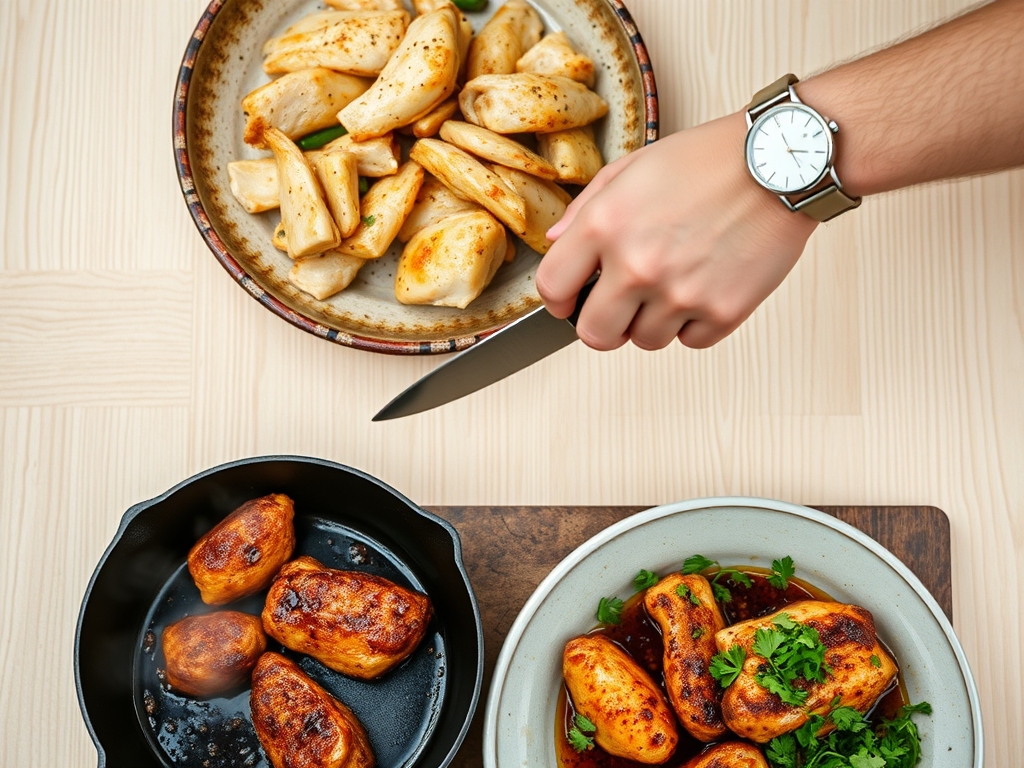
Heat a heavy-bottomed skillet (cast iron is king here) until it is shimmering but not smoking. Place the chicken in the pan and do not move it for at least four minutes.
Pro Tip: This facilitates the Maillard reaction. This chemical reaction between amino acids and reducing sugars creates hundreds of different flavor compounds and that signature brown color. Moving the meat too early tears the protein fibers.
5. The Deglazing Finish
Once the chicken is flipped, the bottom of the pan will be covered in fond, those delicious caramelized bits. Pour a splash of broth or wine into the pan and use a bench scraper or wooden spoon to lift those flavors back onto the chicken.
Pro Tip: This is a form of solvent extraction. The liquid dissolves the concentrated flavor compounds stuck to the pan, creating a built in pan sauce that intensifies the easy marinated chicken recipes.
6. The Rest and Carryover
Transfer the chicken to a cutting board and wait at least five minutes before slicing. Use a digital scale to check the internal temperature; you are looking for 160 degrees Fahrenheit, knowing it will climb to the safe 165 mark while resting.
Pro Tip: This accounts for thermal carryover. During the rest, the muscle fibers relax and reabsorb the juices. If you cut it immediately, the internal pressure will force all that moisture out onto the board, leaving you with dry meat.
The Deep Dive:
From a macro perspective, these easy marinated chicken recipes are a powerhouse. A standard 4 ounce serving provides roughly 25 to 30 grams of high bioavailability protein with minimal carbohydrates, depending on your choice of sweetener.
Dietary Swaps:
For a Keto version, swap honey or sugar for liquid monk fruit or erythritol. For a Vegan alternative, these same marinades work beautifully on extra firm tofu or tempeh; just ensure you press the tofu first to allow the marinade to be absorbed like a sponge.
The Fix-It:
- The Meat is Rubbery: This usually means the heat was too low, causing the chicken to steam in its own juices. Use a higher smoke point oil and a heavier pan.
- The Garlic Burnt: If your aromatics are bitter, you likely added them too early or sliced them too thick. Microplane them so they melt into the sauce.
- The Marinade is Too Salty: Balance the sodium by adding a touch of honey or a squeeze of fresh lime juice to provide an acidic counterpoint.
Meal Prep Science:
When reheating, do not use the microwave on high power; it vibrates water molecules too violently, toughening the protein. Instead, use a saucier with a tablespoon of water or broth over low heat. This creates a steam jacket that gently rehydrates the fibers.
The Wrap-Up:
You are now equipped with the technical prowess to turn a basic bird into a culinary masterpiece. By understanding the chemistry of the Maillard reaction and the physics of osmotic diffusion, you have graduated from a mere cook to a kitchen scientist. These easy marinated chicken recipes are your canvas; go forth and sear with confidence, knowing that your next dinner party will be whispered about for weeks.
The Kitchen Table:
How long can I leave chicken in the marinade?
For the best results, aim for 2 to 4 hours. Leaving chicken in an acidic marinade for over 24 hours will break down the protein structures too much, resulting in a mushy, unappealing texture.
Can I freeze chicken in the marinade?
Yes, this is a brilliant meal prep hack. As the chicken thaws in the refrigerator, it undergoes the marination process. The ice crystals also slightly disrupt the muscle fibers, allowing the flavors to penetrate even deeper.
What is the best oil for marinating chicken?
Use an oil with a high smoke point and neutral flavor, like avocado or grapeseed oil, for the actual cooking. Save the flavorful, low smoke point oils like extra virgin olive oil for the marinade itself.
Why is my marinated chicken sticking to the pan?
The chicken is likely sticking because the pan wasn't hot enough or you tried to flip it too early. The meat will naturally "release" from the surface once a sufficient crust has formed through the Maillard reaction.
Should I poke holes in the chicken before marinating?
While common, it is unnecessary and can cause the chicken to lose its natural juices during cooking. A proper balance of salt and acid in your marinade will penetrate the meat effectively without manual intervention.