
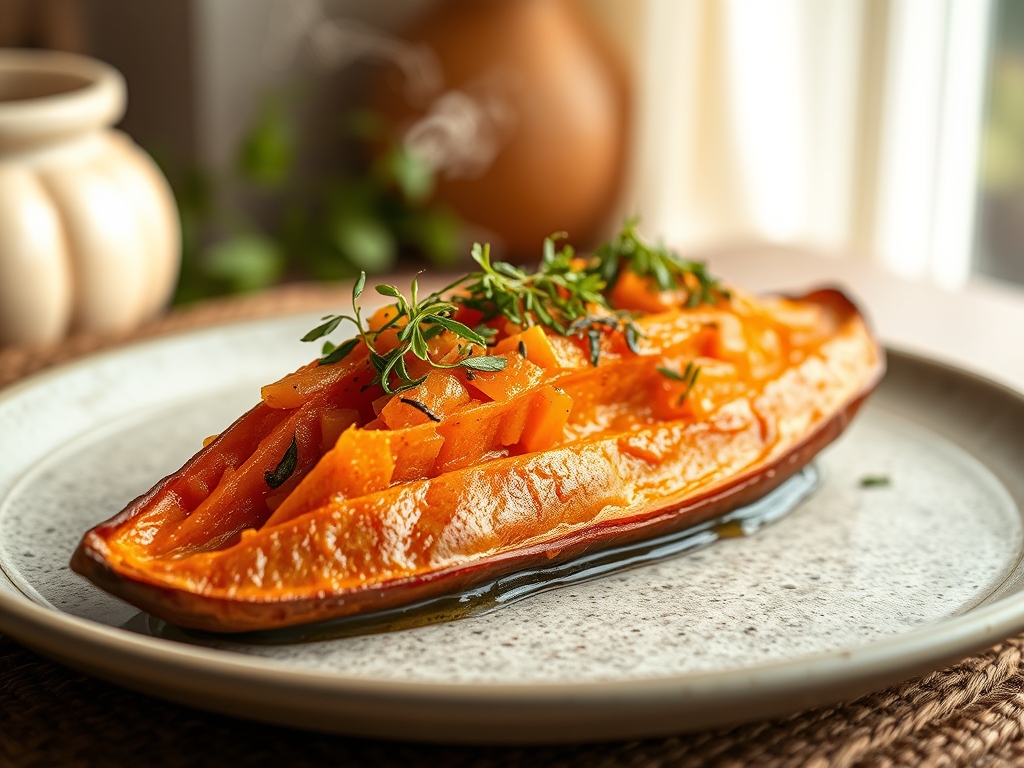
Imagine the scent of caramelized sugars and warm nutmeg drifting through a house filled with laughter. When it comes to the holiday table, finding sweet potato recipes easy thanksgiving guests will adore is the ultimate culinary win. We are moving beyond the marshmallow-topped mush of the past; we are aiming for a sophisticated balance of earthy depth and velvet texture.
The sweet potato is a botanical marvel. Unlike a standard Russet, this tuber is packed with amylase enzymes that break down complex starches into maltose as it heats. This natural transformation creates a built-in sweetness that requires very little intervention from us. Today, we are going to harness that molecular magic to create a side dish that steals the spotlight from the turkey. We will focus on structural integrity and flavor layering to ensure every bite is a masterclass in balance.
Whether you are a seasoned host or a first-time holiday cook, these nine secrets will transform your kitchen into a professional-grade studio. We are looking for that perfect Maillard reaction on the edges and a silk-like consistency in the center. Grab your apron and your favorite playlist. We are about to dive into the science of the perfect holiday side.
The Gathers:
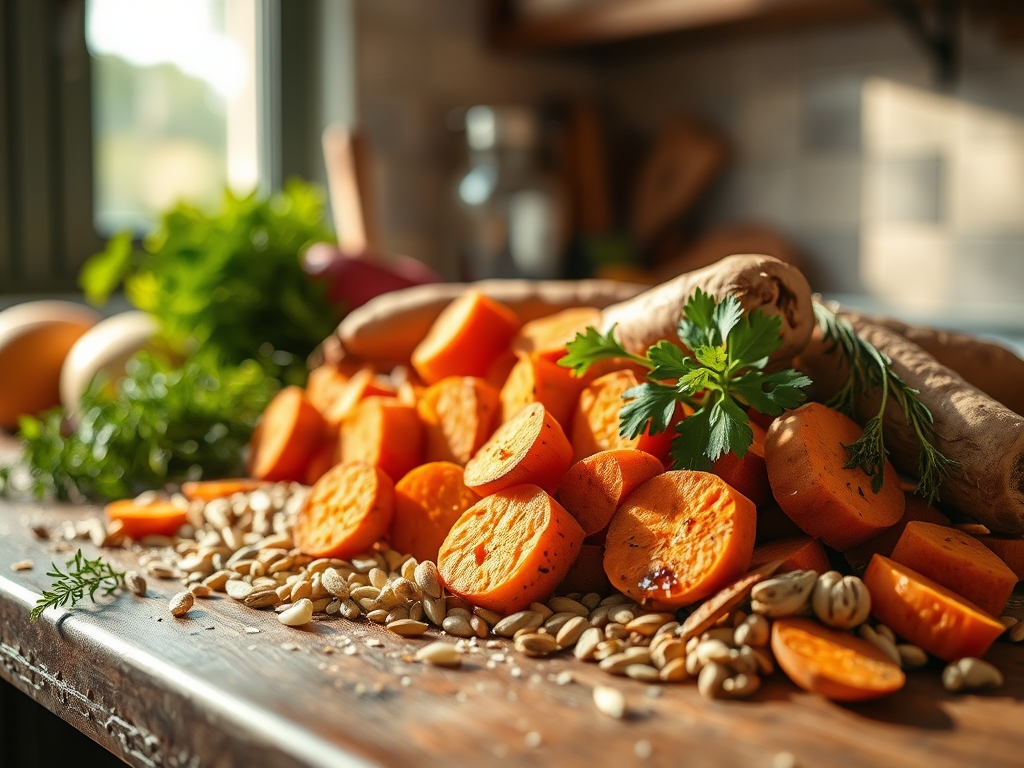
To achieve greatness, your mise-en-place must be precise. Start with five pounds of Beauregard or Jewel sweet potatoes. Look for tubers with uniform thickness to ensure even heat distribution. You will also need high-fat European butter (look for 82 percent butterfat) to provide a rich, viscous mouthfeel that American sticks often lack.
For the aromatics, gather fresh thyme sprigs and a whole nutmeg seed. Using a microplane to grate fresh nutmeg provides a piquant punch that pre-ground spices cannot replicate. You will also need heavy cream, Grade A maple syrup, and Maldon sea salt for that essential crunch.
Smart Substitutions: If you are cooking for a dairy-free crowd, swap the butter for a high-quality refined coconut oil. It mimics the saturated fat structure needed for a solid set. For a lower glycemic index, replace the maple syrup with agave nectar; its high fructose content means you can use less while achieving the same perceived sweetness. If you want a savory twist, swap the cinnamon for smoked paprika to create a complex, earthy profile.
The Clock
Efficiency is the hallmark of a professional. Total active prep time is 20 minutes, while the thermal processing (roasting) takes approximately 55 minutes. This is where the Chef's Flow comes into play. While the potatoes are in the oven, you are not just waiting. You are using that window to infuse your butter with herbs and prepare your garnishes.
By the time the timer dings, your "wet" and "dry" components should be ready to marry. This staggered approach prevents the frantic "holiday scramble" and ensures your heavy-bottomed skillet is ready the moment the potatoes are tender. Remember, the goal is to have the dish resting while you carve the bird, allowing the internal starches to fully set.
The Masterclass
1. The High-Heat Roast
Scrub your potatoes and pierce them with a fork. Place them directly on the oven rack at 400 degrees Fahrenheit. Roasting instead of boiling prevents waterlogged cells and concentrates the natural sugars through evaporation.
Pro Tip: This method utilizes dry-heat convection to trigger the Maillard reaction. By roasting in the skin, you protect the interior from oxidizing, which keeps the flesh vibrant orange rather than a dull brown.
2. The Skin Release
Once the potatoes are soft to the touch, remove them and let them rest for five minutes. The steam trapped between the flesh and the skin will loosen the bond, allowing the skins to slip off effortlessly without a knife.
Pro Tip: This is known as thermal carryover. Even out of the oven, the internal temperature continues to rise, finishing the breakdown of pectin without scorching the exterior.
3. The Aeration Phase
Pass your warm potatoes through a food mill or a fine-mesh ricer into a large bowl. Avoid a food processor, as the high-speed blades can tear the starch granules, resulting in a gluey, elastic texture.
Pro Tip: Using a ricer introduces air into the mixture. This aeration creates a light, soufflé-like density that allows the flavors of the butter and spices to permeate every molecule.
4. The Brown Butter Infusion
In a saucier, melt your butter over medium heat until the milk solids turn a nutty golden brown. Immediately toss in your fresh thyme and sage to flash-fry the herbs and release their essential oils.
Pro Tip: This process is called rendering. By browning the butter, you are removing water content and creating toasted flavor compounds that provide a sophisticated counterpoint to the sweet tubers.
5. The Emulsification
Slowly fold the browned butter and warm heavy cream into the riced potatoes using a silicone spatula. Use a folding motion rather than stirring to maintain the air you worked so hard to incorporate.
Pro Tip: You are creating a fat-in-water emulsion. The lecithin in the cream helps bind the fats to the starchy base, resulting in a glossy, stable finish that won't "weep" on the plate.
6. The Acid Balance
Add a teaspoon of apple cider vinegar or a squeeze of fresh lemon juice. It might sound strange for a "sweet" dish, but acid is the secret weapon that brightens the entire flavor profile.
Pro Tip: Acid acts as a flavor potentiator. It cuts through the heavy lipids of the butter and cream, making the natural sweetness of the potato taste cleaner and more pronounced.
7. The Texture Contrast
Spread the mixture into a shallow baking dish. Top with a mixture of toasted pecans and a sprinkle of brown sugar. Return to the oven under the broiler for three minutes until the top is bubbling and crisp.
Pro Tip: This creates textural synergy. The contrast between the velvet-smooth base and the shattered-glass crunch of the topping provides a more satisfying sensory experience for the diner.
8. The Salt Finish
Before serving, sprinkle a pinch of flaky sea salt over the top. This provides a final "pop" that bridges the gap between the savory herbs and the sweet maple notes.
Pro Tip: Salt suppresses bitterness and enhances the perception of sweetness. It acts as a chemical signal to your taste buds that the dish is "finished" and balanced.
9. The Resting Period
Allow the dish to sit for ten minutes before serving. This allows the starches to re-gel slightly, ensuring that the dish holds its shape when scooped rather than running across the plate.
Pro Tip: This is the retrogradation of starch. As the temperature drops slightly, the amylose molecules realign into a more stable structure, perfecting the final mouthfeel.
The Deep Dive
From a nutritional standpoint, sweet potatoes are a powerhouse of Beta-Carotene and fiber. They provide a steady release of energy, which is helpful during a long, heavy meal. For those with dietary restrictions, this recipe is incredibly flexible. Vegan guests will love a version made with cashew cream and vegan butter; the high fat content in cashews provides the necessary creamy "weight." For a Keto twist, swap half the sweet potato for roasted cauliflower puree to lower the net carb count.
The Fix-It: If your puree is too runny, whisk in a tablespoon of cornstarch slurry and heat it briefly in a heavy-bottomed skillet to thicken. If it is too thick, deglaze the pan with a splash of warm cider. If the flavor is flat, add more salt; nine times out of ten, under-seasoning is the culprit.
For Meal Prep, you can make this dish two days in advance. To reheat, cover with foil to prevent moisture loss and bake at 325 degrees. The science of reheating is all about gentle heat; you want to melt the fats without breaking the emulsion you worked so hard to create.
The Wrap-Up
Mastering sweet potato recipes easy thanksgiving style is all about respecting the ingredient. By using professional tools like a microplane and a food mill, and understanding the science of emulsification and the Maillard reaction, you have elevated a humble root vegetable into a culinary masterpiece. Your table will be better for it, and your guests will certainly notice the difference that a little "kitchen chemistry" makes. Now, go pour yourself a glass of wine; you have earned it.
The Kitchen Table
Can I make these sweet potatoes in a slow cooker?
Yes, but you will lose the caramelization of roasting. To fix this, sauté the potatoes in a heavy-bottomed skillet with butter before adding them to the slow cooker to develop those essential toasted flavor compounds.
Why are my mashed sweet potatoes stringy?
Stringiness is caused by the long fibers in older or very large tubers. To fix this, always use a food mill or ricer. These tools catch the fibers while allowing the smooth starch to pass through.
How do I keep the dish warm for hours?
Transfer the puree to a pre-warmed ceramic dish and cover tightly with foil. The ceramic has high thermal mass, which retains heat much longer than metal or glass, keeping your side dish at a safe temperature.
Can I freeze leftover sweet potato puree?
Absolutely. The high starch and fat content make it freezer-stable. To reheat, use a saucier over low heat and add a splash of cream to re-incorporate the fats and restore that original viscous texture.