
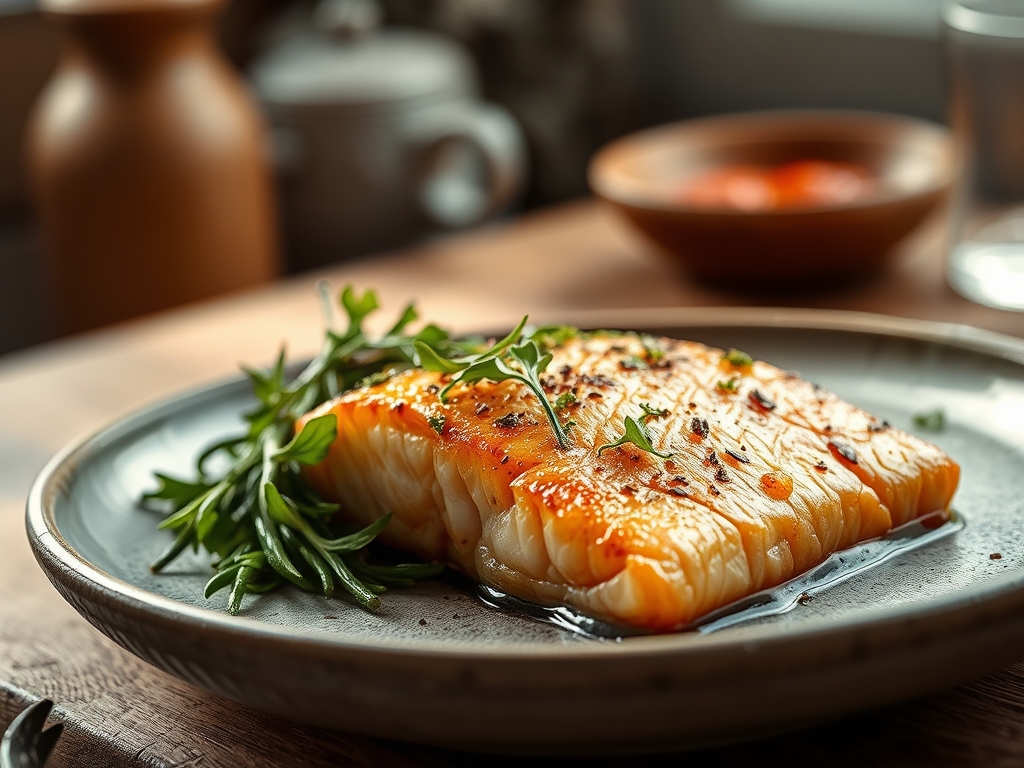
Imagine a heavy-bottomed skillet meeting a cold-pressed oil; the sound is a rhythmic, high-frequency sizzle that signals the start of something transformative. We are hunting for that elusive, glass-shattering skin and a translucent, buttery center. When searching for the best salmon recipes for dinner, you are really searching for the perfect balance of heat, fat, and acidity.
The magic of salmon lies in its interstitial fat. Unlike leaner white fish, salmon possesses a high concentration of Omega-3 fatty acids that act as a thermal buffer during the cooking process. Whether you are aiming for a piquant citrus glaze or a viscous garlic butter finish, the goal is to respect the protein structure. We are going to explore six variations that elevate this pink-fleshed wonder from a basic weeknight staple to a culinary masterpiece. Grab your apron; we are diving deep into the chemistry of the sear.
The Gathers:
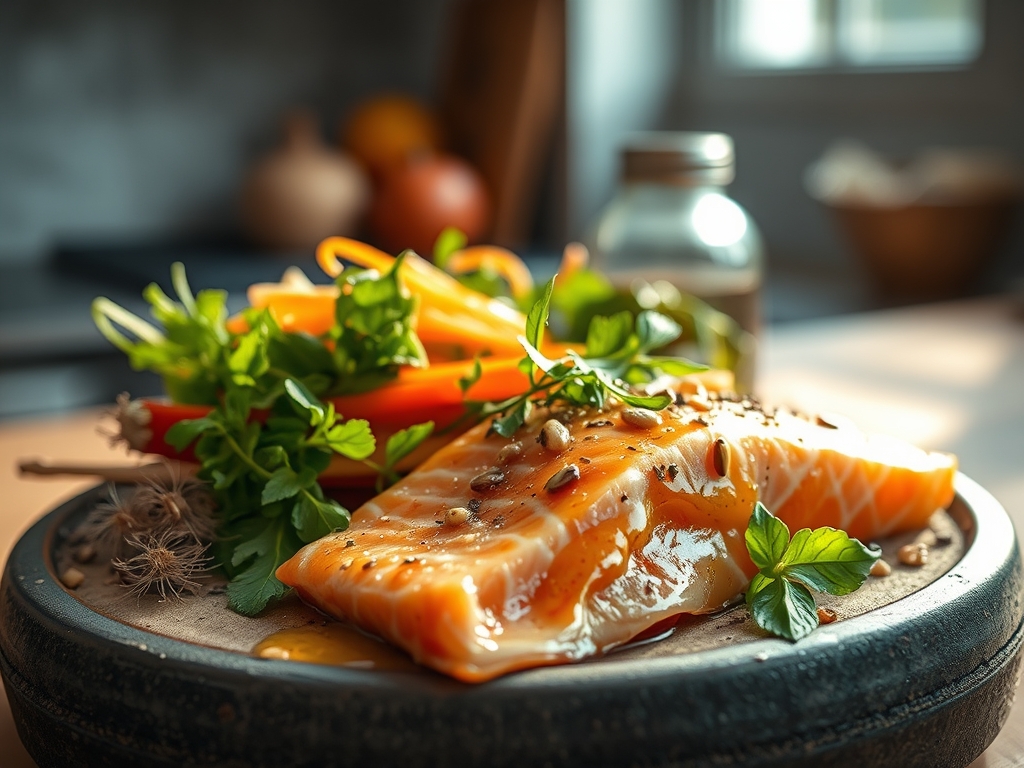
Your mise-en-place is the foundation of success. Start with center-cut fillets; these offer a uniform thickness which ensures even heat distribution across the muscle fibers. You will need a high-smoke-point oil like avocado or grapeseed oil to facilitate the Maillard reaction without scorching. Gather your aromatics: fresh dill, flat-leaf parsley, and garlic cloves that you will crush to release their essential oils.
A microplane is essential for harvesting the zest of lemons and limes without hitting the bitter white pith. For the sauces, keep a bottle of dry white wine or a splash of mirin nearby to deglaze the pan and incorporate those caramelized brown bits, known as fond, back into your glaze.
Smart Substitutions: If you are avoiding dairy, swap the butter for a high-quality vegan block that contains coconut oil for a similar saturated fat mouthfeel. If you lack fresh herbs, use a third of the amount in dried form, but bloom them in the hot oil first to rehydrate their volatile compounds. For a soy-free alternative, coconut aminos provide that same salty, umami depth with a lower glycemic index.
The Clock
Efficiency in the kitchen is about managing the Chef's Flow. This is the art of overlapping tasks so that no heat is wasted. For these best salmon recipes for dinner, your total active time will average twenty minutes.
The first five minutes are dedicated to moisture removal. Use a paper towel to press the skin dry; moisture is the enemy of crispiness. The next ten minutes involve the actual thermal application. We use a 70/30 rule: cook the fish seventy percent of the way on the skin side to create a heat shield, then flip for the final thirty percent. The final five minutes are for resting. This allows the muscle fibers to relax and reabsorb the internal juices, ensuring the fish is succulent rather than dry.
The Masterclass
1. The Surface Prep
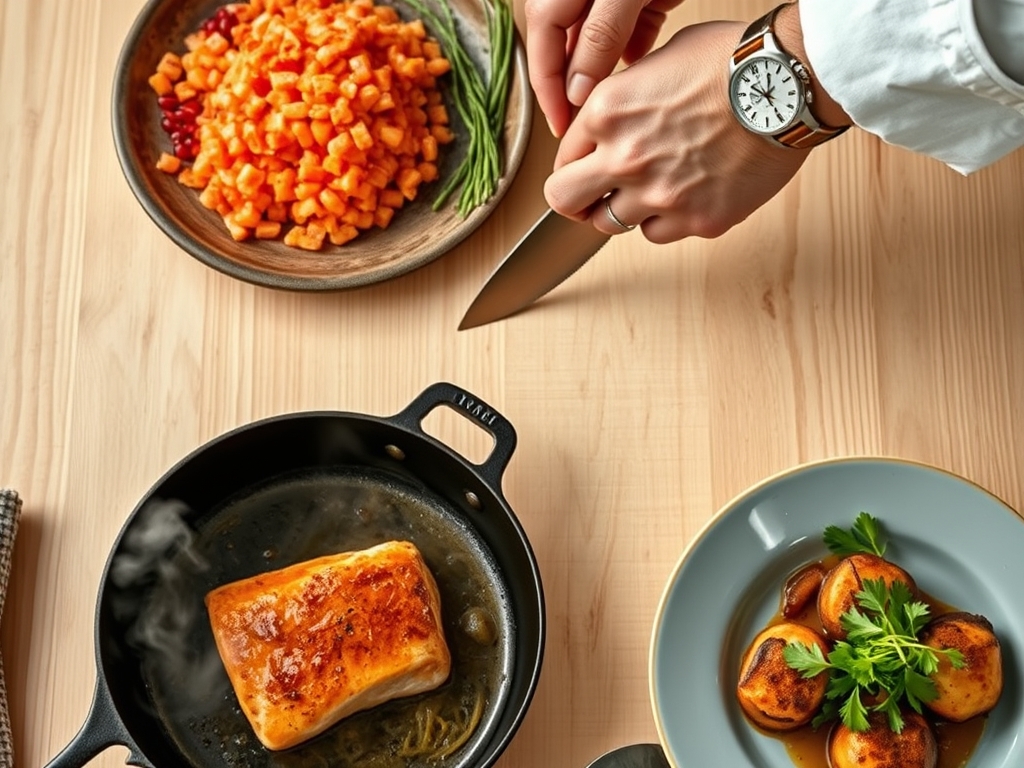
Before the fish touches the pan, use a sharp chef's knife to score the skin lightly. Do not cut into the flesh. This prevents the skin from curling as the collagen fibers contract under heat. Season aggressively with kosher salt from a height to ensure even coverage.
Pro Tip: This is called atmospheric seasoning. Salt draws out moisture through osmosis; by drying the surface, you ensure the energy of the pan goes into browning the skin rather than evaporating water.
2. The Cold Pan Start
Place the salmon skin-side down in a cold, heavy-bottomed skillet, then turn the heat to medium-high. As the pan heats up, the fat under the skin begins to render out slowly. This results in a much crispier texture than dropping cold fish into a screaming hot pan, which can cause the proteins to seize.
Pro Tip: This technique utilizes gradual thermal conduction. It prevents the "white stuff" (albumin) from pushing out of the muscle fibers too quickly, keeping the interior moist.
3. The Deglaze and Infuse
Once the fish is flipped, toss in a knob of butter, smashed garlic, and thyme. Use a large spoon to continuously baste the hot, bubbling butter over the cooked side of the fish. This is the moment to deglaze with a splash of acid to lift the fond.
Pro Tip: Basting creates a convection-like heat on the top of the fish while the bottom sears. The butter also acts as an emulsifier for the pan juices, creating a glossy, professional finish.
4. The Internal Temp Check
Use a digital thermometer to pull the salmon at 125 degrees Fahrenheit for medium-rare. The temperature will continue to rise as it sits on the plate. If you wait until it looks "done" in the pan, it will be overcooked by the time you eat it.
Pro Tip: This is known as thermal carryover. The residual heat trapped in the dense center of the fillet continues to cook the protein even after it is removed from the heat source.
5. The Rest and Finish
Transfer the fillets to a warm plate and let them sit for three minutes. This is when you use your microplane to add a final shower of fresh zest or a sprinkle of flaky sea salt. The resting period allows the proteins to set, making the fish easier to flake with a fork.
Pro Tip: Resting prevents the "bleeding" of juices. If you cut in too early, the internal pressure pushes the moisture out, leaving the flakes tough and fibrous.
6. The Sauce Emulsification
While the fish rests, whisk a cold pat of butter into the remaining liquid in the pan. The agitation breaks the fat into tiny droplets that stay suspended in the liquid, creating a viscous, velvety sauce that clings to the salmon.
Pro Tip: This is the science of a temporary emulsion. The cold butter prevents the sauce from breaking into a greasy mess, giving you that restaurant-quality sheen.
The Deep Dive
Salmon is a nutritional powerhouse, offering roughly 25 grams of protein and 12 grams of healthy fats per six-ounce serving. It is naturally gluten-free and fits perfectly into Keto and Mediterranean diets. For a vegan twist, use this same searing technique on thick "steaks" of cauliflower or lion's mane mushrooms, using miso paste to replicate the savory umami of the fish.
The Fix-It:
If your skin sticks to the pan, do not force it with tongs. This usually means the proteins haven't finished the Maillard reaction. Wait another thirty seconds; the fish will naturally release once the crust is formed. If you see too much white albumin, your heat is too high. Lower the flame to slow down the protein contraction. If the sauce is too thin, add a teaspoon of Dijon mustard; the mucilage in the mustard acts as a natural stabilizer to thicken the liquid.
Meal Prep:
To reheat salmon without it smelling like a cafeteria, avoid the microwave. Instead, place it in a 275-degree oven with a tablespoon of water and cover it with foil. This creates a steam chamber that rehydrates the fats without denaturing the proteins further.
The Wrap-Up
Mastering the best salmon recipes for dinner is about intuition backed by science. Once you understand how heat moves through the fillet and why acidity is necessary to cut through the fat, you can improvise with confidence. Whether you are hosting a dinner party or just fueling yourself after a long day, these techniques ensure a perfect result every single time. Now, get that skillet hot and show that salmon who is boss.
The Kitchen Table
How do I get the skin extra crispy?
The secret is total dehydration. Pat the skin with a paper towel, then leave it uncovered in the fridge for an hour. This air-dries the epidermis, leading to a crackling, potato-chip texture once it hits the hot oil.
Why is my salmon white and chalky?
That white substance is albumin, a protein that leaches out when salmon is cooked too fast or too long. To minimize this, use lower heat and pull the fish from the pan just before it reaches your target temperature.
Can I cook salmon from frozen?
Yes, but for the best results, use the "steam-sear" method. Start in a hot pan to brown the outside, then add a splash of water and cover with a lid to gently cook the frozen interior without drying out the surface.
What is the best oil for searing salmon?
Use an oil with a high smoke point like avocado, light olive oil, or grapeseed oil. Avoid extra virgin olive oil or butter for the initial sear, as they will burn and become bitter before the fish is cooked.
How do I know when salmon is done without a thermometer?
Gently press the top of the fillet with a fork or your finger. If the flakes begin to separate easily along the white fat lines, it is ready. The center should still look slightly translucent and moist.