
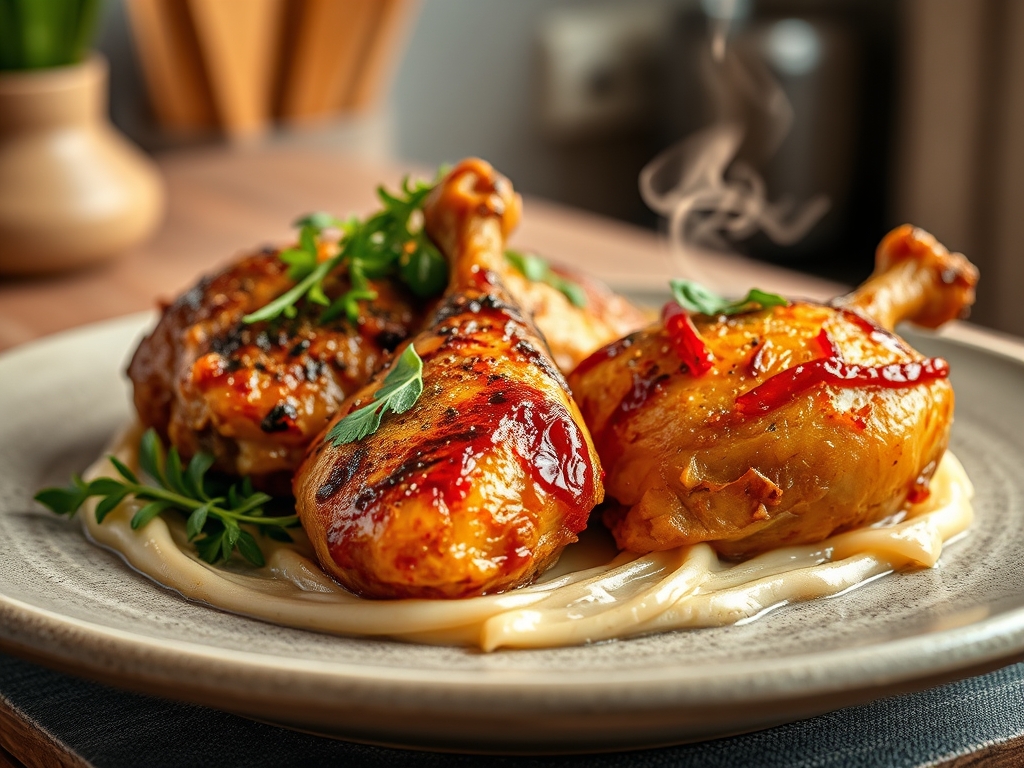
Imagine the scent of toasted cumin and smoked paprika swirling through your kitchen as a heavy-bottomed skillet begins to hum with the sound of searing protein. We have all been there; staring at a pack of poultry while wondering how to rotate through different chicken recipes without falling into a flavor rut. It is time to treat your kitchen like a laboratory and your spice cabinet like a high-end apothecary.
The secret to elevating a midweek meal from mundane to Michelin-adjacent is not just about heat. It is about the molecular interaction between dry aromatics and fats. When you understand how to bloom spices in rendered fat or how to use acidity to brighten earthy undertones, you unlock a new dimension of flavor. We are moving past basic salt and pepper. Today, we are diving into six transformative spice hacks that will redefine your repertoire. We will explore the physics of the Maillard reaction and the chemistry of dry brining to ensure every bite is succulent, piquant, and perfectly seasoned. Grab your apron; we are about to turn your stove into a stage.
The Gathers:
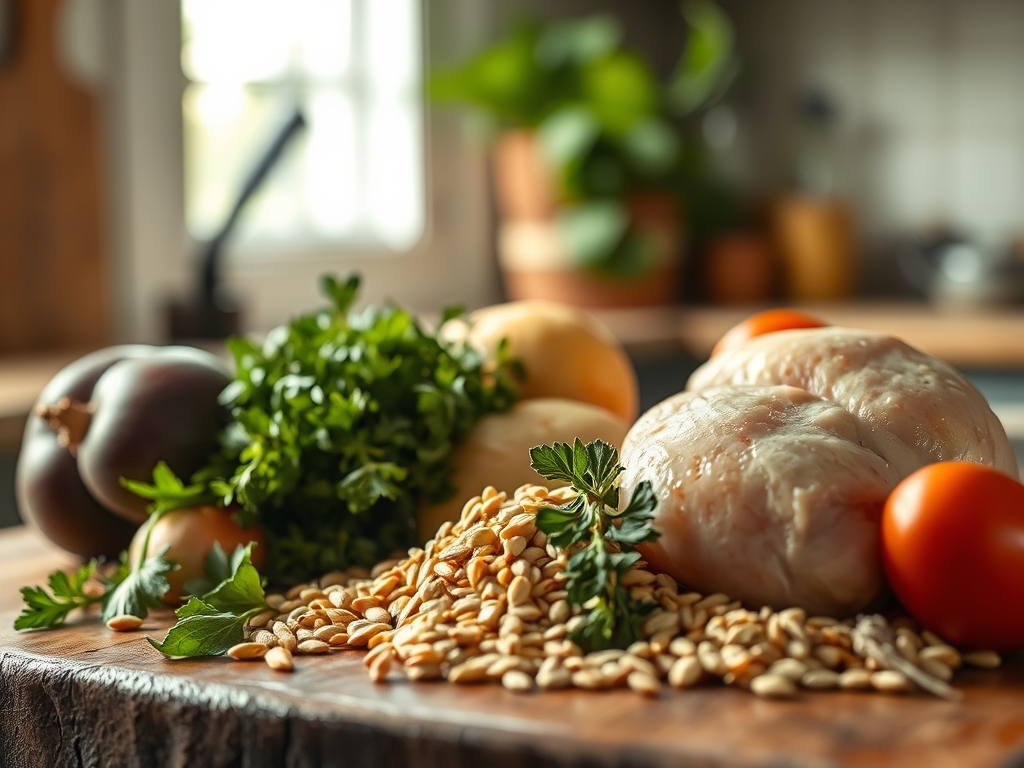
To execute these different chicken recipes with precision, your mise-en-place must be impeccable. Arrange your ingredients on a clean workspace, ideally using a digital scale for accuracy. You will need high-quality whole spices; think toasted coriander seeds, cardamom pods, and Tellicherry peppercorns. Fresh aromatics like ginger and garlic should be prepped using a microplane to create a fine paste, which increases surface area for maximum flavor extraction.
Your pantry should include a viscous fat source, such as ghee or avocado oil, which has a high smoke point for searing. For acidity, keep lemons and apple cider vinegar nearby to deglaze your pan and balance the savory notes.
Smart Substitutions:
If you lack a specific whole spice, use a 1:3 ratio of ground to whole, but remember that ground spices oxidize faster and lose their volatile oils. Swap heavy cream for full-fat coconut milk to maintain a viscous mouthfeel while keeping the dish dairy-free. If you are out of fresh garlic, use a dash of asafetida (hing) to mimic that savory, alliaceous depth without the texture of minced cloves.
The Clock:
Efficiency in the kitchen relies on what professionals call the Chef's Flow. This is the art of overlapping tasks so that no second is wasted while the heat is on.
Prep Time: 20 minutes. This includes the manual labor of grinding spices in a mortar and pestle and breaking down the bird with sharp poultry shears.
Cook Time: 25 to 35 minutes, depending on the cut. Thighs require more time to render intramuscular fat, while breasts need a swift, high-heat approach to avoid desiccation.
Total Time: Approximately 55 minutes.
The Flow begins with the dry brine. Season your meat first to allow the salt to penetrate the muscle fibers via osmosis. While the salt works its magic, you toast your spices and prep your aromatics. By the time your skillet is screaming hot, the chicken is primed for the perfect crust.
The Masterclass:
1. The Dry Brine Foundation
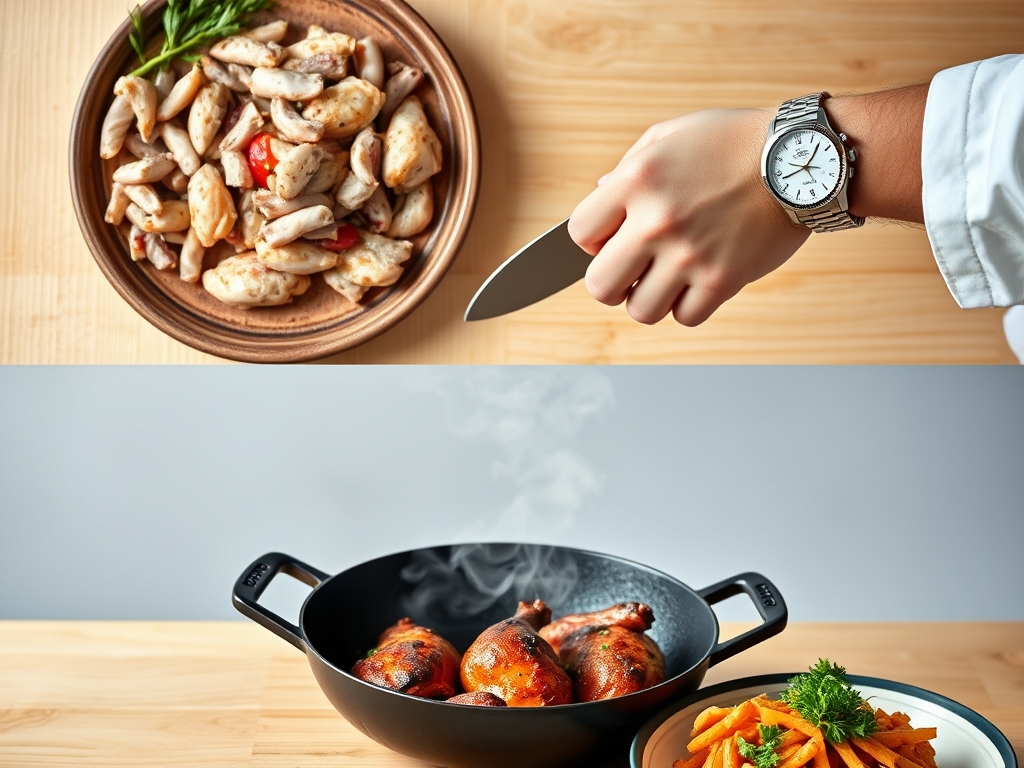
Start by patting the skin bone-dry with paper towels. Apply a generous coating of kosher salt and your primary spice blend. Let it sit at room temperature for at least fifteen minutes.
Pro Tip: This process triggers osmosis, drawing moisture out and then reabsorbing the seasoned brine back into the cells. This denatures the proteins, ensuring the meat remains tender during the high-heat transition.
2. Blooming the Aromatics
Heat your heavy-bottomed skillet and add your fat. Once shimmering, toss in your whole spices for thirty seconds until they become fragrant.
Pro Tip: This is called tempering. The heat releases essential oils that are fat-soluble, creating a more complex and integrated flavor profile than simply dusting spices over the top of the meat.
3. The High-Contact Sear
Place the chicken skin-side down. Use tongs to press the meat firmly against the metal to ensure even heat distribution. Do not move it until it releases naturally from the pan.
Pro Tip: This is the Maillard reaction in action. The amino acids and reducing sugars rearrange to create hundreds of different flavor compounds and that iconic golden-brown crust.
4. Deglazing for Depth
Once the chicken is flipped and nearly cooked, remove it and pour a splash of stock or wine into the pan. Use a whisk or wooden spoon to scrape up the brown bits.
Pro Tip: Those bits are called fond. Deglazing incorporates this concentrated flavor back into a sauce, utilizing the acidity to balance the heavy fats rendered during the sear.
5. The Butter Baste
Add a knob of butter and a sprig of thyme to the pan during the final two minutes. Tilt the pan and spoon the foaming fat over the chicken repeatedly.
Pro Tip: This technique, known as arrosé, provides a final layer of flavor while using thermal carryover to finish the cooking process gently without drying out the interior.
6. The Rest and Carve
Transfer the chicken to a warm plate and let it rest for five to ten minutes before slicing with a sharp chef's knife.
Pro Tip: Resting allows the muscle fibers to relax and reabsorb the juices. If you cut too soon, the internal pressure will force the liquid out, leaving you with a dry result despite your best efforts.
The Deep Dive:
When looking at the macro nutrition of different chicken recipes, a standard four-ounce serving of skinless breast provides roughly 31 grams of protein and 3.6 grams of fat. Thighs increase the fat content to about 10 grams, which aids in the absorption of fat-soluble vitamins like A and K found in your spices.
Dietary Swaps:
For a Keto version, focus on heavy cream and butter-based sauces. Vegan friends can swap chicken for extra-firm tofu or cauliflower steaks; just ensure you press the tofu to remove water before searing. For Gluten-Free needs, ensure your chicken stock is certified and use cornstarch or a reduction method instead of a flour-based roux to thicken sauces.
The Fix-It:
- The Spice Burned: If your spices turn black and bitter, your pan was too hot. Wipe the skillet and start over; you cannot fix acrid, carbonized spices.
- Soggy Skin: This happens when the pan is crowded. Use a larger skillet or cook in batches to allow steam to escape.
- Rubbery Texture: This usually indicates undercooking or a lack of resting. Use a digital thermometer to hit exactly 165 degrees Fahrenheit.
Meal Prep:
To maintain "day-one" quality, reheat your chicken in a covered skillet with a tablespoon of water or stock. This creates a steam chamber that prevents the proteins from becoming tough and "rubbery" in the microwave.
The Wrap-Up:
Mastering different chicken recipes is less about following a rigid script and more about understanding the rhythm of the kitchen. By focusing on the science of flavor extraction and the physics of heat, you turn a simple bird into a culinary masterpiece. Remember to trust your senses; listen for the sizzle, watch for the color change, and smell the transformation of the aromatics. You have the tools, the techniques, and the wit to make every dinner feel like an event. Now, go turn that spice cabinet into your secret weapon!
The Kitchen Table:
How do I prevent spices from burning in the pan?
Add spices to the fat when it is shimmering but not smoking. If using ground spices, add them during the last minute of searing or mix them into a liquid to buffer the direct heat of the skillet.
What is the best way to get crispy skin every time?
Ensure the skin is completely dry before cooking. Use a heavy-bottomed skillet to maintain consistent heat and avoid overcrowding the pan, which creates steam and prevents the Maillard reaction from occurring effectively.
Can I use these spice hacks for meal prep?
Absolutely. The key is to slightly undercook the chicken if you plan to reheat it. Store the sauce separately to prevent the skin from getting soggy, and always reheat gently to preserve the moisture.
Why does my chicken taste bland despite using spices?
You likely missed the salt or the acidity. Salt enhances the perception of other flavors, while acidity from lemon or vinegar "lifts" the dish. Always season in layers, starting with a dry brine.