
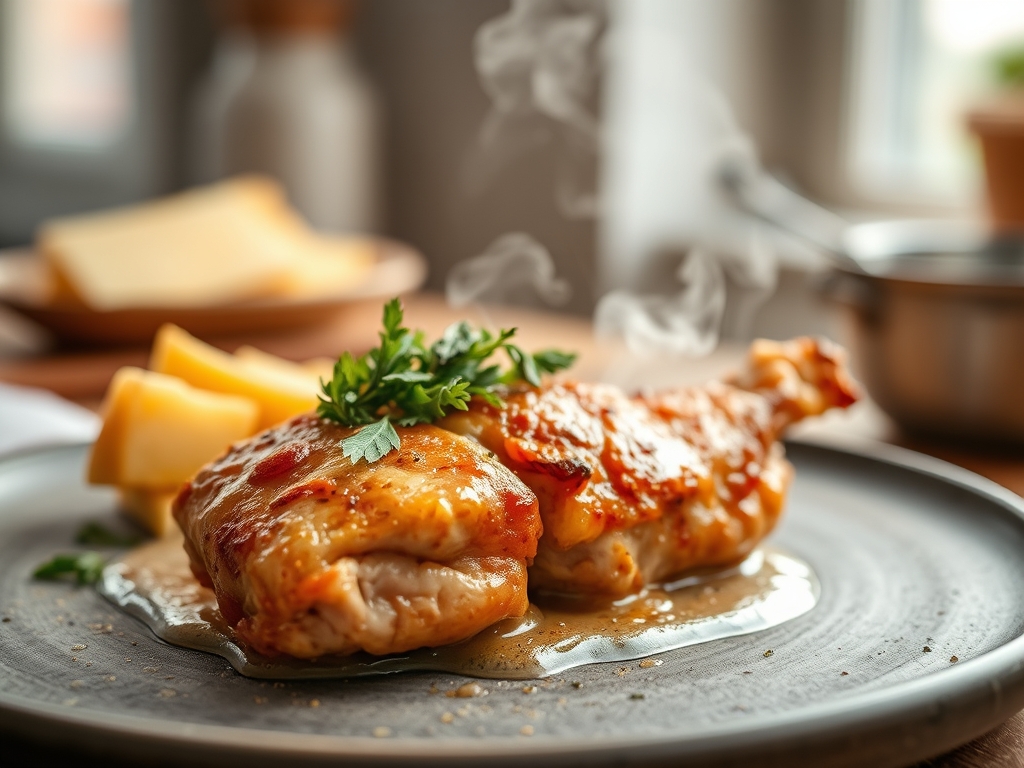
Picture this: you have just walked through the door after a grueling ten-hour day; your feet are aching, and your stomach is a hollow cavern of despair. You open the pantry to find a humble tin of poultry staring back at you. Before you dismiss it as a relic of hurricane prep, listen closely. Mastering can chicken recipes easy is not just about convenience; it is a full-scale culinary transformation that turns shelf-stable protein into a gourmet canvas. The secret lies in the texture. When you crack that lid, you are dealing with meat that has been pressure-cooked in its own juices, creating a tender, fiber-rich base that is ready to absorb any flavor profile you throw its way. We are moving past the soggy salads of the past. We are talking about piquant buffalo bites, crispy pan-seared patties, and viscous, creamy pasta sauces that cling to every noodle. By understanding the molecular structure of these pre-cooked proteins, we can manipulate heat and acidity to create a meal that tastes like it spent hours on a slow-simmering range.
The Gathers:
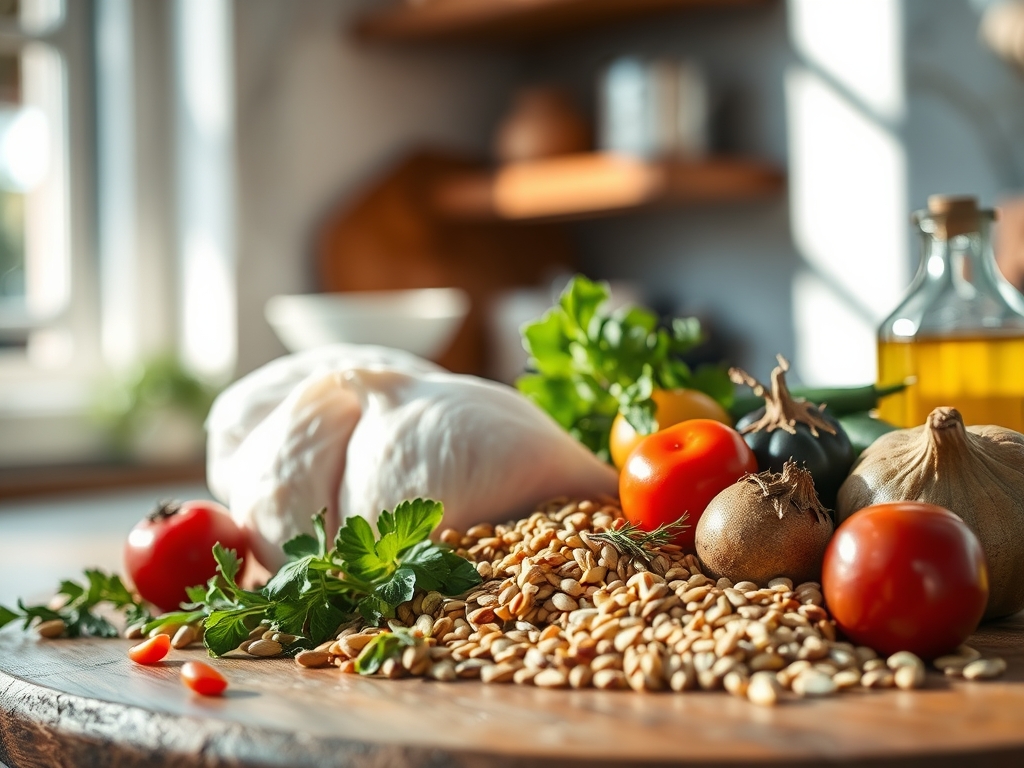
Setting up your mise-en-place is the difference between a frantic scramble and a seamless chef's flow. First, gather your primary protein. Look for premium breast meat packed in water rather than oil to maintain control over your lipid ratios. You will need a fine-mesh sieve to drain the liquid, which is actually a protein-rich broth known as aquafaba's savory cousin. Do not discard it; it is a secret weapon for deglazing. Next, pull out your aromatics: garlic, shallots, and perhaps a thumb of ginger.
For the "Smart Substitutions," consider the binders. If you are out of traditional mayonnaise for a chicken salad, Greek yogurt provides a lactic acid tang and a boost of probiotics. If you lack breadcrumbs for patties, pulverized pork rinds or almond flour offer a keto-friendly crunch that reacts beautifully to high-heat searing. Grab your microplane for zesting citrus; the essential oils in a lemon rind will brighten the metallic undertones often found in canned goods. Finally, ensure you have a heavy-bottomed skillet or a stainless steel saucier ready. These tools provide the thermal mass necessary to achieve a Maillard reaction on meat that is already hydrated.
The Clock
Efficiency in the kitchen is about overlapping tasks, a concept professionals call the "Chef's Flow." For these ten hacks, your preparation time is a mere five minutes. This involves draining, shredding, and dicing your aromatics. The actual cook time ranges from zero minutes for cold applications to twelve minutes for hot, seared dishes.
The strategy is simple: while your skillet preheats on the stove, you are seasoning the meat. If you are boiling pasta for a chicken-based carbonara, the chicken is prepped by the time the water reaches a rolling boil. By the time the pasta is al dente, your sauce is emulsified and ready for the protein. This synchronized dance ensures that no component sits long enough to lose its structural integrity or heat. Total time from pantry to table averages fifteen minutes, making these the ultimate high-speed, high-reward maneuvers.
The Masterclass:
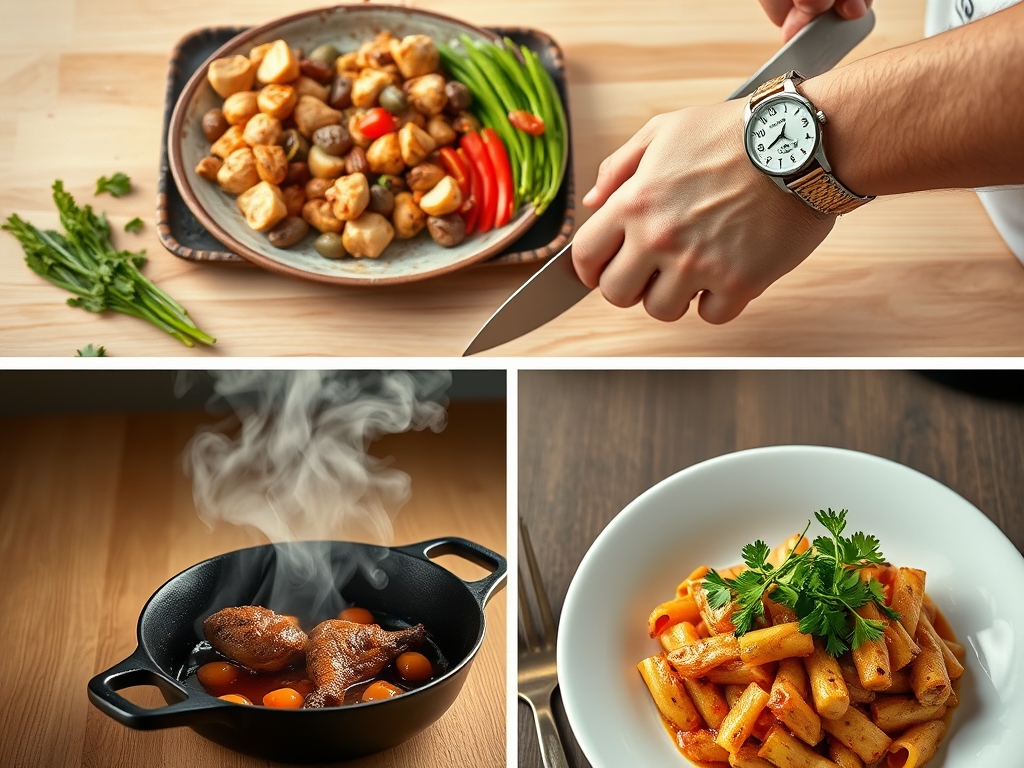
1. The Crispy Maillard Sear
Drain the chicken thoroughly and pat it dry with a lint-free kitchen towel. Heat a heavy-bottomed skillet with a high-smoke-point oil like avocado oil. Spread the chicken in a single layer and do not move it for three minutes.
Pro Tip: The science here is the Maillard reaction. By removing surface moisture, you allow the temperature to rise above 285 degrees Fahrenheit, triggering a chemical reaction between amino acids and reducing sugars that creates a savory, browned crust.
2. The Emulsified Buffalo Dip
Fold shredded chicken into a mixture of cream cheese, hot sauce, and ranch seasoning. Use a silicone spatula to fold the ingredients until they are a cohesive, viscous mass.
Pro Tip: This relies on emulsification. The fats in the cheese act as a stabilizer for the vinegar-based hot sauce, preventing the dip from breaking or becoming oily when heated.
3. The Piquant Mediterranean Wrap
Mix chicken with capers, kalamata olives, and a splash of red wine vinegar. The acidity is crucial here to cut through the richness of the meat.
Pro Tip: Acidity acts as a chemical tenderizer. The acetic acid in the vinegar breaks down any remaining tough connective tissues, making the mouthfeel significantly more delicate.
4. The Aerated Chicken Salad
Instead of mashing the chicken, use two forks to gently pull the fibers apart. Fold in your dressing using a lifting motion rather than stirring.
Pro Tip: This process incorporates air, or aeration. Keeping the structure light prevents the salad from becoming a dense, unappealing paste, which is a common pitfall of canned meats.
5. The Umami-Bomb Stir Fry
Toss drained chicken into a hot wok with soy sauce, sesame oil, and a pinch of brown sugar. The sugar will caramelize almost instantly.
Pro Tip: This is rapid caramelization. Because the chicken is already cooked, you are only looking to coat it in a concentrated glaze, which happens as the water in the soy sauce evaporates.
6. The Golden Chicken Patties
Mix chicken with one egg and half a cup of panko. Form into discs and chill in the freezer for five minutes before frying.
Pro Tip: Chilling the patties allows the proteins in the egg to hydrate the starch in the breadcrumbs, creating a stronger structural bond that prevents the patty from falling apart in the pan.
7. The Infused Taco Filling
Simmer chicken with cumin, chili powder, and a quarter cup of the canning liquid. Let the liquid reduce until it is almost gone.
Pro Tip: This is flavor infusion via reduction. As the water evaporates, the spices become concentrated and are forced into the porous fibers of the chicken.
8. The Velvety Chicken Alfredo
Add shredded chicken to a simmering saucier of heavy cream and parmesan. Whisk constantly until the cheese melts.
Pro Tip: This involves thermal carryover. You want to add the chicken at the very end so it reaches the temperature of the sauce without overcooking and becoming rubbery.
9. The Zesty Pesto Pasta
Toss room-temperature chicken with hot pasta and fresh pesto. The heat from the pasta is enough to warm the chicken.
Pro Tip: Using the pasta's residual heat avoids secondary cooking. This preserves the moisture content of the canned chicken, which can easily dry out if exposed to direct flame twice.
10. The Crunchy Thai Crunch Bowl
Combine chicken with peanut butter, lime juice, and shredded cabbage. The fats in the peanut butter create a protective coating.
Pro Tip: This is a lipid-barrier technique. The fat in the peanut sauce prevents the moisture from the lime juice from making the chicken soggy, maintaining a distinct texture.
The Deep Dive
From a nutritional standpoint, canned chicken is a powerhouse. A standard 12.5-ounce can typically contains about 60 grams of lean protein with minimal carbohydrates and fats, depending on the brand. For those following a Keto lifestyle, this is a dream ingredient; just add healthy fats like avocado or olive oil. If you are Gluten-Free, ensure your canned brand does not use modified food starch as a thickener. For a vegan swap, although this article focuses on poultry, the same techniques apply perfectly to canned chickpeas or young green jackfruit.
The "Fix-It" section is where we save your dinner. If your chicken feels "tinny," soak it in cold water with a squeeze of lemon for two minutes to neutralize the metallic ions. If it is too salty, rinse it under cold water in a sieve; this removes up to 40 percent of the sodium. If the texture is too soft, toss it in cornstarch and flash-fry it in a skillet to create an artificial "skin." When it comes to meal prep, reheating is a science. Avoid the microwave, which vibrates water molecules and turns chicken into rubber. Instead, reheat in a covered pan with a tablespoon of water or broth to create a steam-chamber effect that restores "day-one" suppleness.
The Wrap-Up
You are now officially a master of the pantry. By applying these scientific principles—Maillard browning, emulsification, and thermal carryover—you have elevated a basic staple into a versatile tool for your culinary arsenal. Can chicken recipes easy are no longer a compromise; they are a strategic choice for the modern, busy gourmet. So go ahead, crack that lid with confidence. Your kitchen is a laboratory, and dinner is the successful experiment.
The Kitchen Table
Can I use the liquid in the can?
Yes, the liquid is a concentrated chicken stock. You can use it to deglaze your pan or add moisture to a sauce. However, be mindful of the salt content, as it is often quite high in sodium.
How do I get rid of the canned smell?
Rinse the chicken in a fine-mesh sieve under cold water. Afterward, toss it with an acid like lemon juice or white vinegar. This neutralizes the trimethylamine, the compound responsible for that distinct "processed" scent.
Is canned chicken as healthy as fresh?
Nutritionally, it is very similar in protein content. It is pressure-cooked in the can, which preserves most nutrients. The main difference is the sodium used for preservation, so always look for "low sodium" versions when possible.
How long does canned chicken last once opened?
Once the seal is broken, transfer the chicken to an airtight glass container. It will stay fresh in the refrigerator for three to four days. Never store it in the original open tin, as it can develop a metallic taste.