
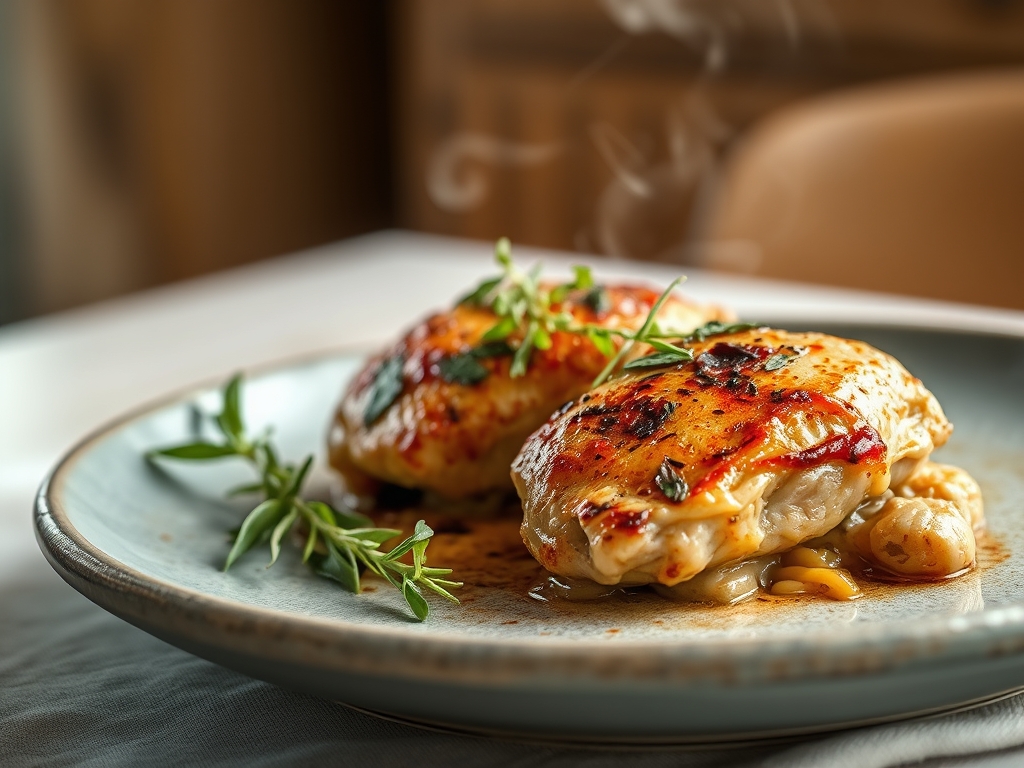
Imagine the sizzle of a heavy-bottomed skillet meeting cold-pressed olive oil; it is the sound of a kitchen coming alive. When you master mediterranean diet chicken recipes, you are not just cooking dinner; you are orchestrating a symphony of volatile aromatics and high-grade proteins that nourish the soul while silencing the noise of a busy day.
The secret to that restaurant-quality finish is not a hidden ingredient but a fundamental understanding of how heat interacts with moisture. We are moving past the days of rubbery, uninspired poultry. Instead, we are leaning into the sharp tang of preserved lemons, the earthy depth of toasted cumin, and the velvety mouthfeel of a perfectly emulsified pan sauce. Whether you are searing a skin-on thigh or poaching a lean breast, the goal is a golden crust and a succulent interior. This is the intersection of clinical nutrition and culinary art. We are going to use science to unlock flavors that feel indulgent but remain fundamentally healthy. Grab your favorite apron; we are about to transform your weekly meal rotation into a Mediterranean masterclass.
The Gathers:
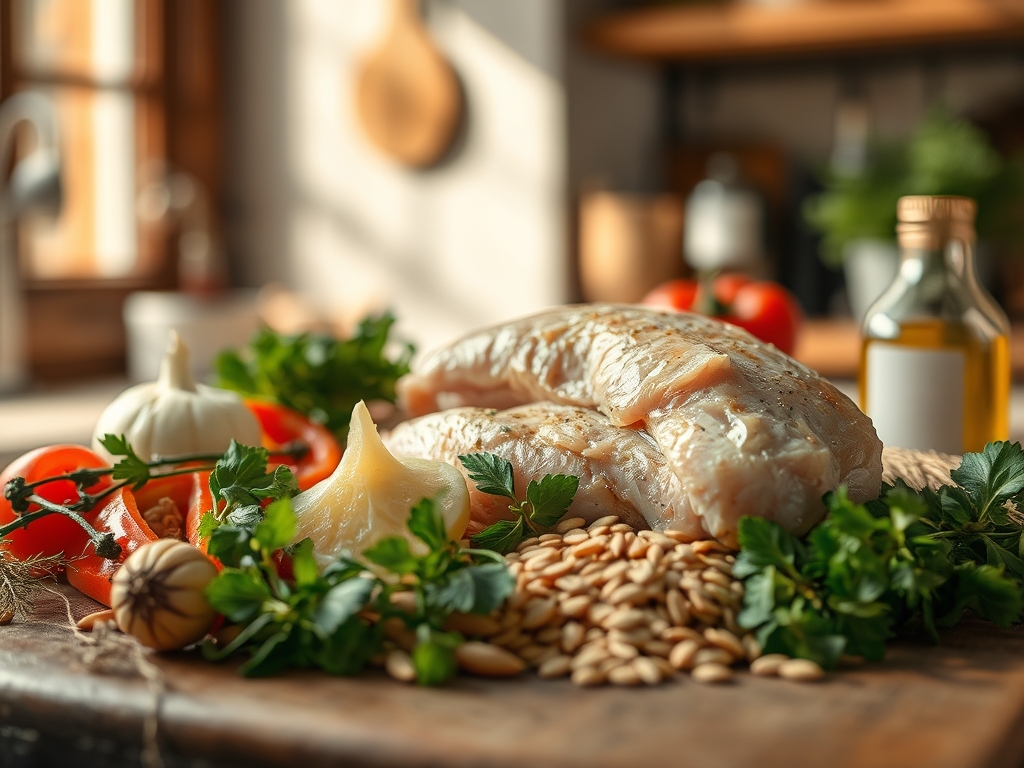
Before we apply heat, we must respect the mise-en-place. Our palette consists of high-density nutrients and complex lipids. You will need 1.5 pounds of organic chicken (thighs offer more myoglobin for flavor, while breasts provide lean density). For the flavor boosts, gather fresh rosemary, flat-leaf parsley, and a bulb of garlic. The citrus component is vital; use a microplane to harvest the zest of two lemons without hitting the bitter white pith.
You will also need a high-quality extra virgin olive oil with a high polyphenol count. This is our primary fat source, providing a viscous base for our marinades. For the "boosts," keep capers, kalamata olives, and sun-dried tomatoes within reach. These ingredients provide umami and salt without the need for excessive sodium.
Smart Substitutions: If you are avoiding nightshades, swap the paprika for ground turmeric and toasted coriander. If fresh herbs are unavailable, use dried herbs at a 1:3 ratio, but remember to "bloom" them in warm oil first to release their fat-soluble essential oils. For a dairy-free creamy finish, a tablespoon of tahini whisked with lemon juice creates a rich, nutty emulsion that rivals any heavy cream.
The Clock:
Efficiency in the kitchen is about the Chef's Flow. Total active prep time is 20 minutes, with a cook time of 15 to 25 minutes depending on the cut of meat.
- The Marinate (10 mins): While the chicken reaches room temperature, we infuse the proteins.
- The Sear (8 mins): High-heat interaction to trigger the Maillard reaction.
- The Finish (10 mins): Lowering the thermal input to ensure the internal temperature reaches 165 degrees Fahrenheit without drying out the exterior.
- The Rest (5 mins): Essential for fiber relaxation and juice redistribution.
The Masterclass:
1. The Surface Preparation
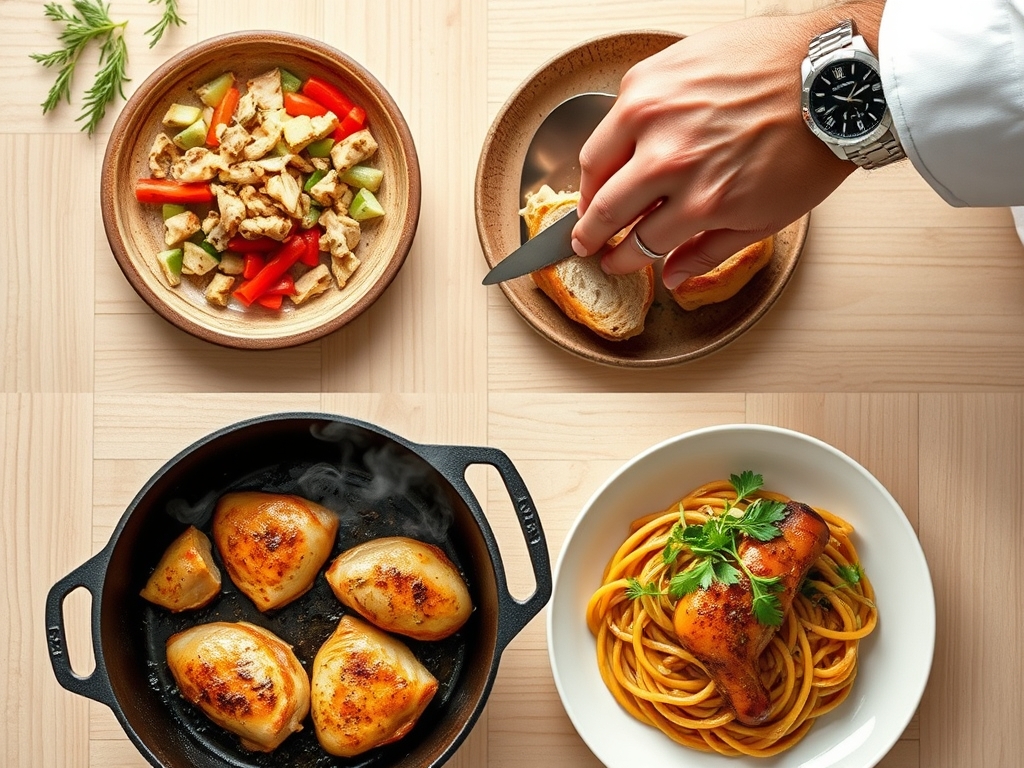
Pat the chicken completely dry using lint-free paper towels. Moisture is the enemy of the sear; any surface water will turn to steam, preventing the golden-brown crust we crave.
Pro Tip: This is about evaporative cooling. If the surface is wet, the temperature cannot rise above 212 degrees Fahrenheit, which is too low for browning. Dry skin allows the surface to hit the 300-degree threshold required for flavor-creating chemical reactions.
2. The Strategic Seasoning
Use a digital scale to measure your salt if you are precision-oriented; otherwise, season from a height of ten inches to ensure even distribution. Apply your dry spices like oregano and Aleppo pepper now.
Pro Tip: Salt acts as a denaturant. It unwinds the tightly coiled proteins in the meat, allowing them to trap more moisture during the cooking process. This results in a more tender bite.
3. The High-Heat Introduction
Heat your skillet until the oil shimmers but does not smoke. Place the chicken skin-side down using tongs. Do not crowd the pan; overcrowding drops the temperature and leads to gray, boiled meat.
Pro Tip: This stage utilizes conduction. The direct contact between the metal and the protein creates a complex array of new flavor molecules. Resist the urge to move the meat; it will "release" naturally once the crust has formed.
4. The Aromatic Infusion
Once you flip the chicken, toss in smashed garlic cloves and sprigs of rosemary. Use a spoon to baste the chicken with the infused oil.
Pro Tip: This is lipid-mediated extraction. The fats in the olive oil pull the essential oils out of the herbs and garlic, distributing those flavors into every crevice of the chicken.
5. The Deglaze and Emulsify
Remove the chicken and add a splash of chicken stock or dry white wine to the pan. Use a wooden spoon or bench scraper to lift the browned bits (the fond) from the bottom.
Pro Tip: The fond is a concentrated source of umami. By adding a liquid, you are creating a pan sauce that captures all the caramelized sugars and proteins left behind.
6. The Final Rest
Transfer the chicken to a warm plate and tent it loosely with foil. Let it sit for at least five minutes before slicing.
Pro Tip: This accounts for thermal carryover. The internal temperature will continue to rise by 5 degrees after removal from the heat. Resting allows the muscle fibers to reabsorb the juices, ensuring they stay in the meat rather than on your cutting board.
The Deep Dive:
From a nutritional standpoint, these mediterranean diet chicken recipes are a powerhouse. A standard 6-ounce serving provides approximately 42 grams of high-biological-value protein, 12 grams of heart-healthy monounsaturated fats, and zero grams of refined sugars.
Dietary Swaps: For a Keto version, increase the olive oil and add crumbled feta at the end. For a Vegan alternative, this exact flavor profile works beautifully with extra-firm tofu or oyster mushrooms; just press the moisture out of the tofu first. For Gluten-Free needs, ensure your chicken stock is certified, as some brands use wheat-based thickeners.
The Fix-It:
- Dry Meat: You likely bypassed the resting phase or overcooked the breast. Use a digital thermometer next time.
- Bland Flavor: You didn't use enough acid. A final squeeze of fresh lemon juice "wakes up" the palate.
- Sticking to Pan: You tried to flip the chicken too early. Wait for the proteins to fully caramelize and release.
Meal Prep: To maintain "day-one" quality, store the chicken and sauce separately. When reheating, use a saucier over low heat and add a tablespoon of water to create a steam environment. This prevents the proteins from tightening and becoming tough in the microwave.
The Wrap-Up:
Mastering mediterranean diet chicken recipes is about more than just a meal; it is about adopting a lifestyle of vibrancy and balance. By focusing on the science of the sear and the power of fresh aromatics, you turn a humble protein into a culinary event. Remember, the kitchen is your laboratory. Don't be afraid to experiment with the ratios of citrus to salt or to try a new herb. You have the tools, the techniques, and the "why" behind the "how." Now, go make something delicious that makes you feel as good as it tastes!
The Kitchen Table:
How do I keep chicken breast from getting dry?
Use a meat thermometer to pull the chicken at 160 degrees Fahrenheit. The carryover heat will bring it to the safe 165 mark while it rests, preserving the internal moisture and preventing the protein fibers from over-tightening.
Can I use dried herbs instead of fresh?
Yes, but use one-third of the amount. Dried herbs are more concentrated. To maximize flavor, add them to the oil early in the cooking process so the heat can "bloom" their fat-soluble oils and aromatics.
What is the best oil for Mediterranean cooking?
Extra virgin olive oil is the gold standard. It provides heart-healthy fats and a distinct peppery finish. For high-heat searing, choose an olive oil labeled "light" or "refined," which has a higher smoke point than premium finishing oils.
How do I get a crispy skin every time?
The chicken skin must be bone-dry before it hits the pan. Pat it with paper towels and salt it twenty minutes early. This draws out deep moisture, allowing the skin to crisp rather than steam in the skillet.