
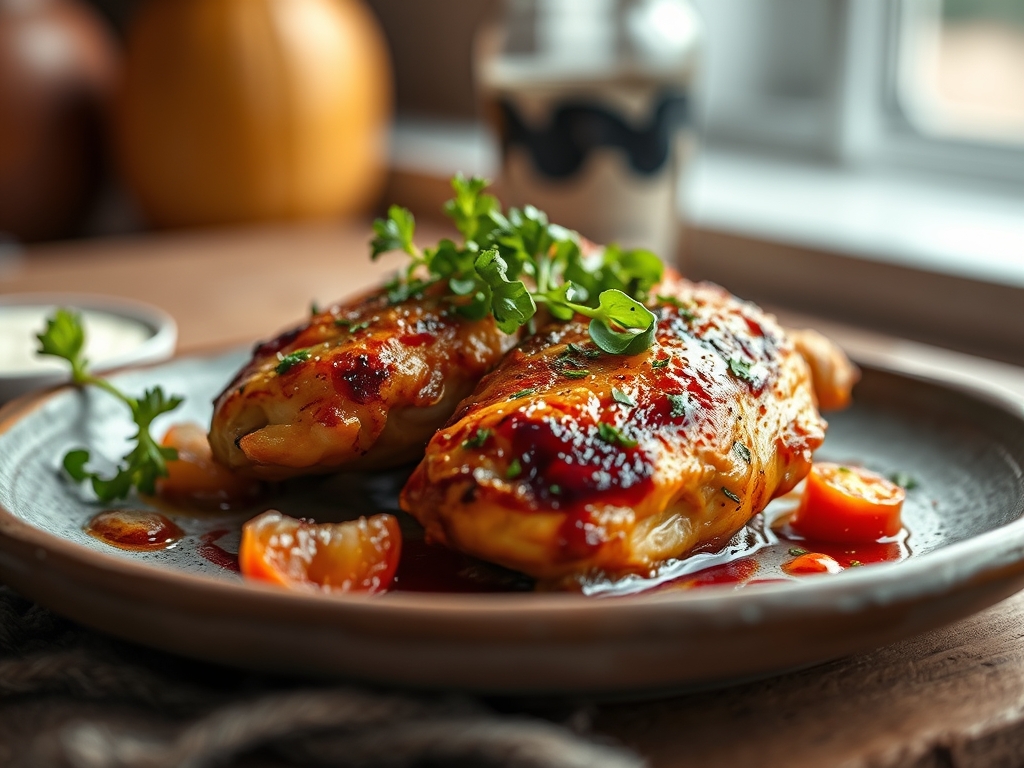
The scent of sizzling poultry and the sharp, bright sting of capsaicin is enough to wake up even the sleepiest kitchen. When you dive into the world of jalapeño chicken recipes, you are not just making dinner; you are conducting a masterclass in the balance of heat and fat. Most people think spice is just about the burn, but the true magic lies in how the capsaicin molecules interact with the lipids in the chicken skin to create a lingering, layered flavor profile. Whether you are looking for a creamy skillet meal or a crispy roasted bird, the versatility of the jalapeño ensures that every bite is dynamic. We are going to explore nine distinct ways to elevate this pairing, moving from quick weeknight sautés to slow-braised masterpieces that utilize the entire pepper, from the seeds to the pith. Get your heavy-bottomed skillet ready because we are about to turn up the heat in the most sophisticated way possible.
The Gathers:
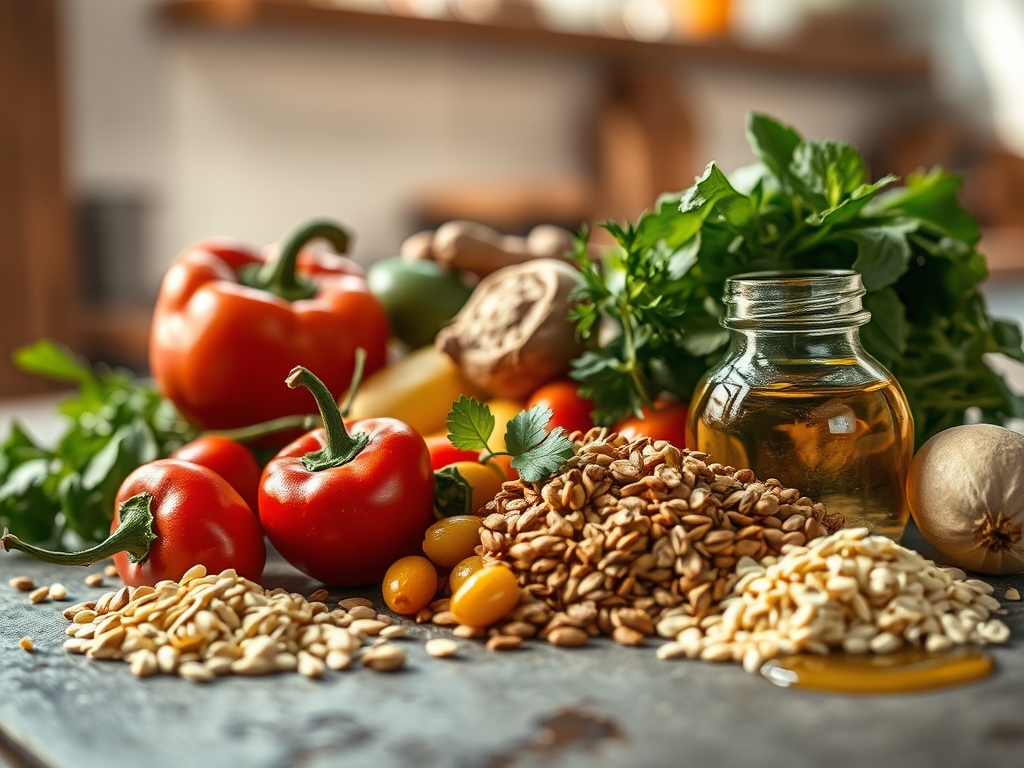
To execute world-class jalapeño chicken recipes, your mise-en-place must be precise. Start with high-quality chicken thighs or breasts; I prefer thighs for their higher fat content, which acts as a thermal buffer against the heat of the peppers. You will need a mountain of fresh jalapeños. Look for peppers with "stretch marks" or small white lines on the skin; these indicate a more mature, stressed plant, which translates to a higher concentration of capsaicin.
You will also need aromatics: fresh garlic cloves, shallots for a delicate sweetness, and perhaps some cilantro stems for an earthy undertone. For the liquids, keep a bottle of dry white wine for deglazing and heavy cream or full-fat coconut milk to emulsify the sauce. A microplane is essential here for zesting limes and grating garlic into a fine paste that melts into the oil.
Smart Substitutions:
If you find jalapeños too unpredictable in their heat levels, substitute half the volume with poblano peppers for a smoky, mild base. For a dairy-free version, cashew cream provides the same viscous mouthfeel as heavy cream without altering the pH of the dish. If you lack fresh citrus, a splash of rice vinegar offers the necessary acidity to cut through the rendered chicken fat.
The Clock
Efficiency in the kitchen is all about "Chef's Flow." For these jalapeño chicken recipes, expect a total time of 35 to 45 minutes. Preparation takes roughly 15 minutes; this includes the meticulous dicing of peppers and the seasoning of the protein. The cooking phase spans 20 to 30 minutes depending on your heat source.
The "Flow" dictates that you should prep your aromatics while the chicken is air-drying in the fridge. Cold, dry skin leads to a faster Maillard reaction. While the chicken renders in the pan, use that time to slice your peppers and prepare your deglazing liquid. Never wait for the pan to be empty to start your next move; the goal is to keep the thermal energy consistent throughout the process.
The Masterclass
1. The Sear and Render
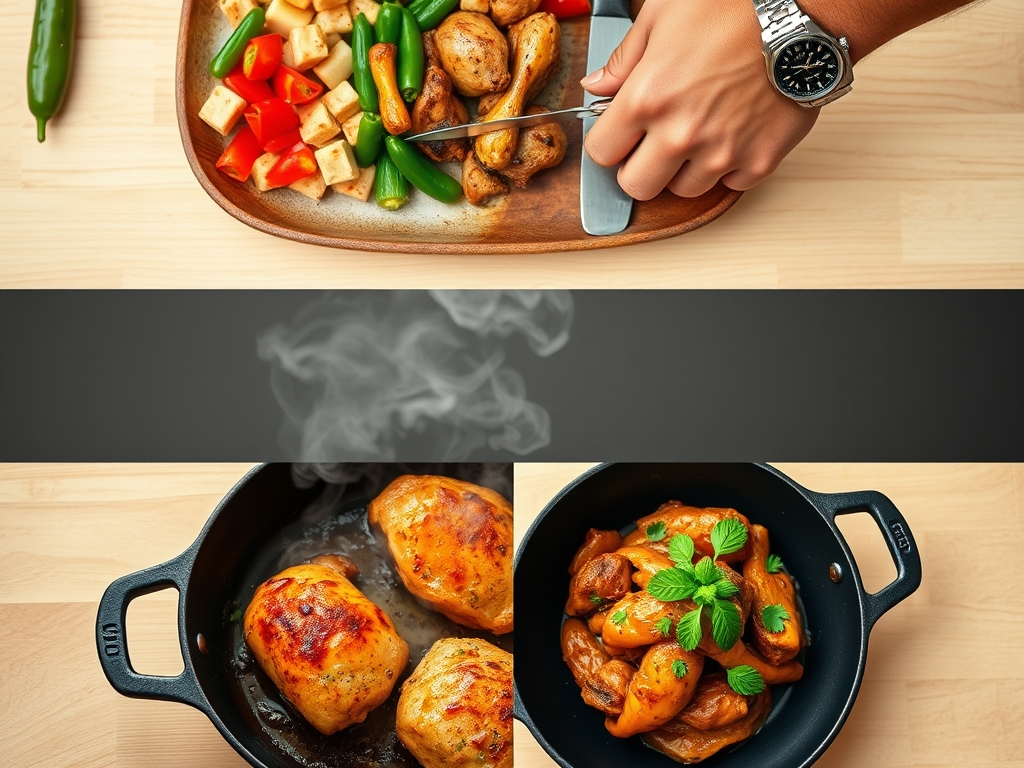
Place your seasoned chicken skin-side down in a cold heavy-bottomed skillet and then turn the heat to medium-high. This allows the fat to render slowly, resulting in a glass-like crispness rather than a burnt, rubbery texture. Use tongs to press the meat down, ensuring maximum surface contact.
Pro Tip: This is called "cold-pan rendering." By starting cold, you prevent the proteins from seizing instantly, which allows the subcutaneous fat to liquefy and fry the skin in its own oil.
2. Sautéing the Aromatics
Once the chicken is golden, remove it and set it aside. Leave about two tablespoons of the rendered fat in the pan. Toss in your diced jalapeños and shallots. You want to sauté them until the peppers are vibrant and the shallots are translucent but not browned.
Pro Tip: This step involves infusion. Capsaicin is fat-soluble, meaning the spicy compounds will migrate from the peppers into the chicken fat, creating a spicy base that coats every subsequent ingredient.
3. The Deglaze
Pour in your liquid of choice; wine, stock, or lime juice. Use a bench scraper or a wooden spoon to scrape up the "fond," those brown bits stuck to the bottom of the pan. These bits are concentrated umami bombs created during the searing process.
Pro Tip: Deglazing is a chemical reaction where the acidity and moisture dissolve the caramelized proteins. This creates a complex, savory foundation for your sauce.
4. Emulsifying the Sauce
Lower the heat and whisk in your cream or butter using a saucier. Continue to stir until the sauce is thick enough to coat the back of a spoon. This is the moment to add your finely grated garlic and lime zest to preserve their volatile oils.
Pro Tip: To prevent the sauce from breaking, keep the temperature below a boil. High heat can cause the proteins in dairy to clump, destroying the viscous texture you worked so hard to achieve.
5. The Final Marriage
Return the chicken to the pan, nestling it into the sauce. Let it simmer for another five minutes to ensure the internal temperature reaches 165 degrees Fahrenheit. Garnish with fresh herbs and extra sliced jalapeños for a raw, crunchy contrast.
Pro Tip: Utilize thermal carryover. If you remove the chicken at 160 degrees, the internal residual heat will continue to cook the meat to a perfect 165 degrees while it rests, preventing dryness.
The Deep Dive
Macro Nutrition:
A standard serving of jalapeño chicken is high in protein and healthy fats. Jalapeños are rich in Vitamin C and A, and the capsaicin can actually boost metabolic rate slightly. To keep it lean, use chicken breasts and swap the cream for a light chicken broth thickened with a cornstarch slurry.
Dietary Swaps:
For a Keto version, stick to the heavy cream and butter; the fat content is perfect for ketosis. For Vegan guests, replace the chicken with thick slabs of roasted cauliflower or oyster mushrooms, which have a "meaty" texture that holds up well to spicy sauces. Gluten-free diners simply need to ensure their chicken stock is certified GF.
The Fix-It:
- Too Spicy: Do not add water. Add more fat (cream or butter) or a teaspoon of honey. The sugar and fat will neutralize the capsaicin burn on the palate.
- Bland Sauce: You likely missed the deglazing step or under-salted. Add a splash of fish sauce or soy sauce for an instant umami boost.
- Soggy Skin: This happens if you crowd the pan. Ensure there is at least an inch of space between chicken pieces to allow steam to escape.
Meal Prep:
When reheating jalapeño chicken recipes, avoid the microwave. The high-frequency waves turn the chicken rubbery. Instead, reheat in a small pot over low heat with a tablespoon of water to re-emulsify the sauce and keep the meat tender.
The Wrap-Up
Mastering jalapeño chicken recipes is a gateway to understanding how to balance bold flavors with technical precision. By focusing on the science of the sear and the chemistry of the sauce, you transform a simple pepper and a piece of poultry into a restaurant-quality experience. Don't be afraid to experiment with the heat levels; every batch of peppers is a new adventure. Now, go grab your digital scale, weigh out your ingredients, and let the kitchen smell like a spicy masterpiece.
The Kitchen Table
How do I make jalapeño chicken less spicy?
Remove the seeds and the white internal pith before dicing. The pith contains the highest concentration of capsaicin. Adding dairy or a touch of honey to the sauce also helps neutralize the heat significantly.
Can I use frozen chicken for these recipes?
Yes, but you must thaw it completely and pat it dry with paper towels. Excess moisture on the surface of the chicken prevents the Maillard reaction, leading to grey, steamed meat instead of a golden crust.
What side dishes pair best with spicy chicken?
Cool, refreshing sides are best. Try a lime-cilantro slaw, jasmine rice, or roasted sweet potatoes. These provide a structural and flavor contrast to the piquant heat of the jalapeños and the richness of the chicken.
How long does jalapeño chicken stay fresh in the fridge?
Stored in an airtight container, it will stay delicious for three to four days. The flavors often deepen overnight as the peppers continue to infuse the sauce, making it an excellent option for meal prepping.