
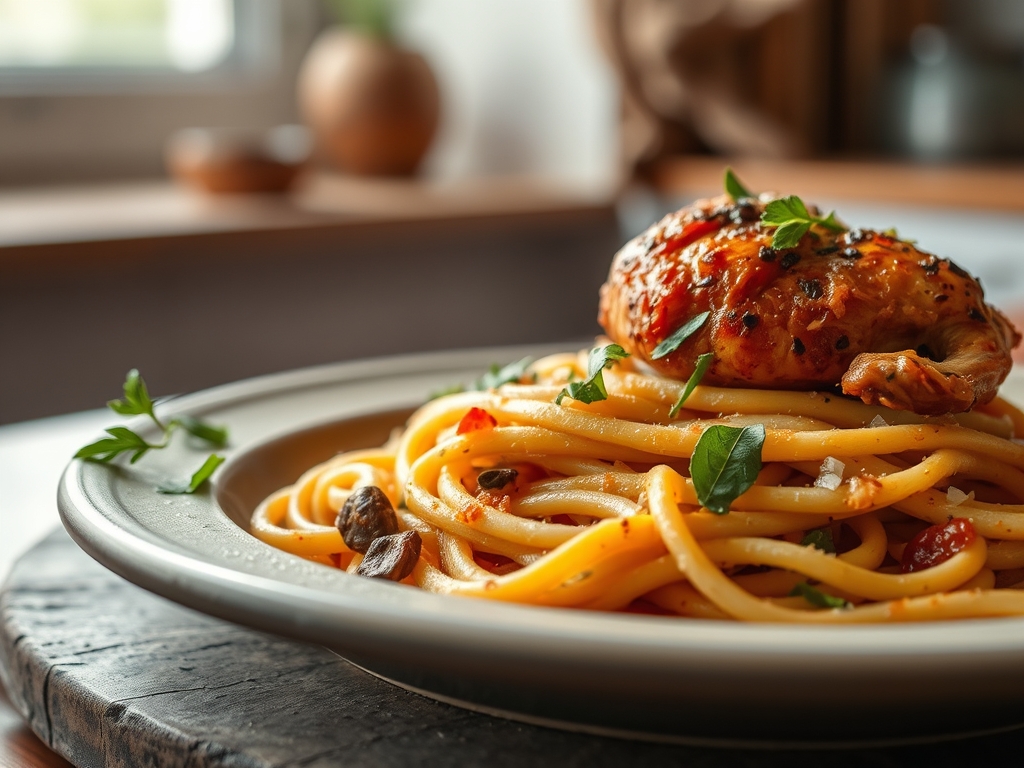
Imagine the scent of golden, rendered poultry fat hitting a hot pan. It is the ultimate olfactory shortcut to comfort. When life feels like a frantic race against the sunset, rotisserie chicken recipes pasta become your secret weapon for a thirty minute transformation. We are talking about silk, salt, and soul in a single bowl.
The beauty of the store-bought bird lies in its pre-existing Maillard reaction. Those sugars and proteins have already spent hours dancing in a commercial rotisserie; our job is simply to reawaken that complexity. By marrying that deeply savory protein with the textural bite of al dente noodles, we create a dish that tastes like a twelve hour labor of love. It is not just a quick dinner; it is a tactical maneuver in flavor engineering that utilizes the heavy lifting already done by your local butcher.
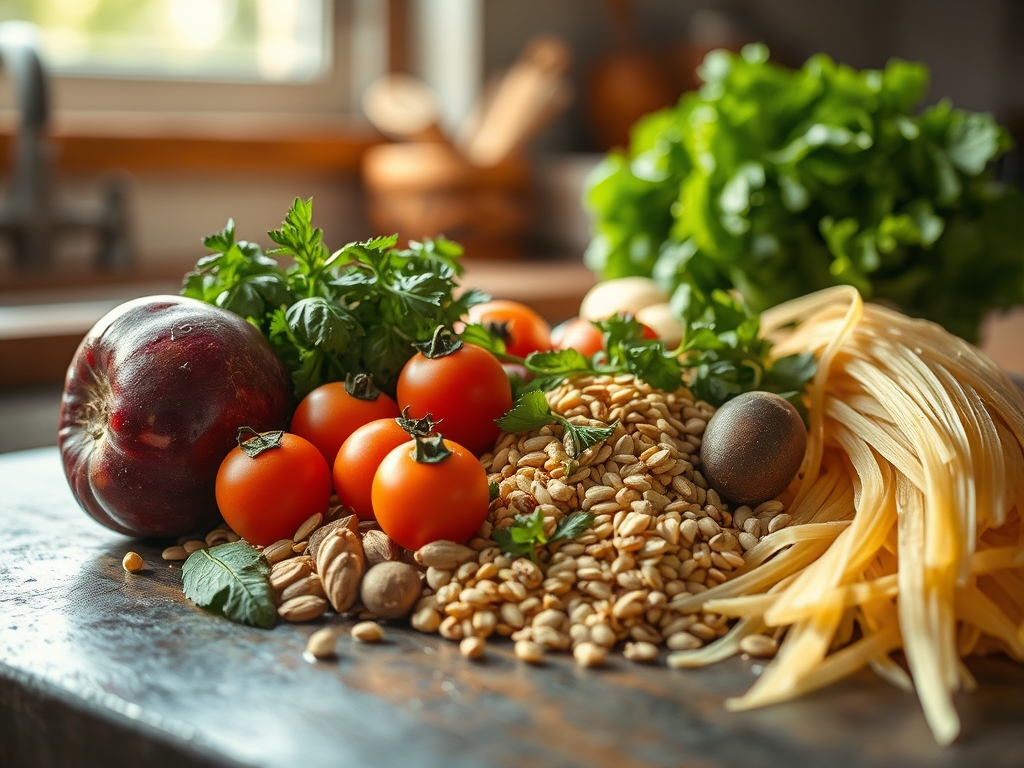
The Gathers:
To execute this masterpiece, your mise-en-place must be precise. We are looking for a balance of viscous fats and piquant acids to cut through the richness of the chicken.
The Protein: One standard rotisserie chicken. Use your hands to shred the meat while it is still slightly warm; this preserves the muscle fiber integrity better than a knife.
The Pasta: 16 ounces of Campanelle or Cavatappi. These shapes feature ridges and hollow centers designed to trap sauce via capillary action.
The Aromatics: Four cloves of garlic, smashed and minced; one large shallot, finely diced with a sharp chef knife.
The Liquid Gold: One cup of heavy cream and half a cup of starchy pasta water. The starch acts as a natural emulsifier.
The Finish: Two cups of baby spinach, the zest of one lemon, and a generous grating of Pecorino Romano.
Smart Substitutions:
If you want to lighten the profile, swap the heavy cream for full-fat Greek yogurt. To maintain the emulsion without curdling, temper the yogurt by whisking in small amounts of warm pasta water before adding it to the skillet. For a dairy-free alternative, use a high-quality cashew cream; the high fat content mimics the mouthfeel of traditional dairy perfectly.
The Clock
Efficiency in the kitchen is all about the Chef's Flow. This is the art of overlapping tasks to minimize downtime. Your total active time is ten minutes, with a total cook time of twenty minutes.
Start by filling a large pot with water and a heavy hand of kosher salt. While the water reaches a rolling boil, shred your chicken and prep your aromatics. The goal is to have your sauce base infuse in a heavy-bottomed skillet at the exact moment your pasta reaches its al dente state. By the time the noodles are ready to be transferred, your sauce should be bubbling and ready to receive them. This synchronization ensures the pasta never sits and clumps; it goes straight from the water into its flavor bath.
The Masterclass
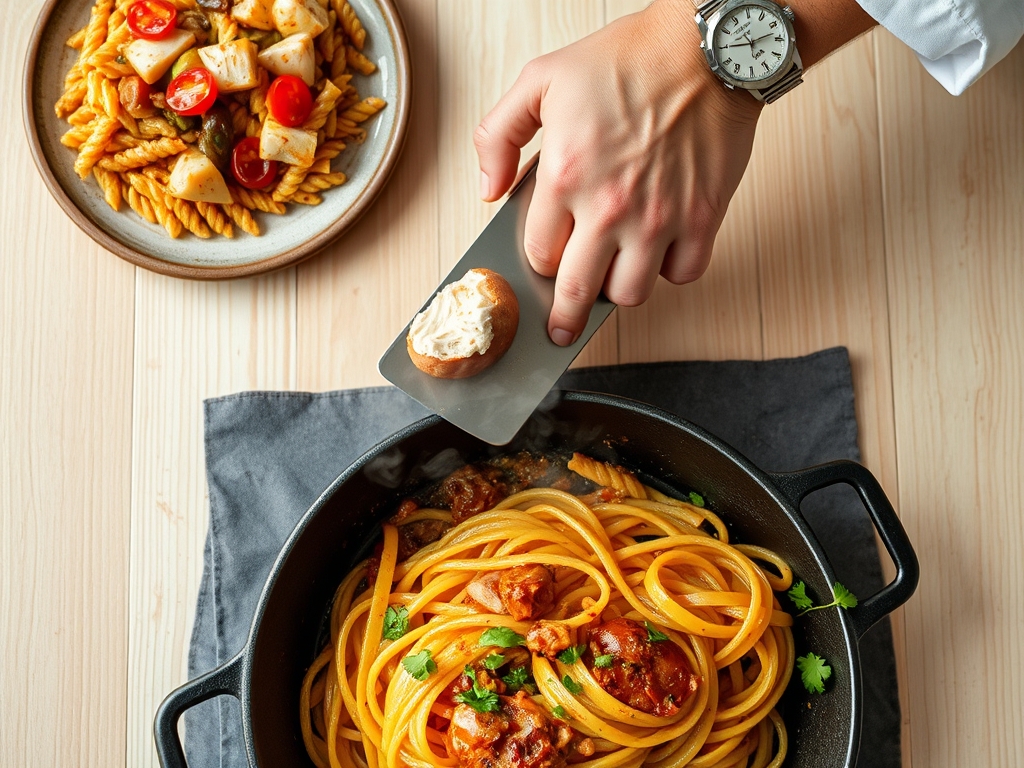
1. The Sauté and Infusion
Set your heavy-bottomed skillet over medium heat and add two tablespoons of extra virgin olive oil. Toss in your shallots and garlic. Sauté until translucent but not browned.
Pro Tip: This is the process of sweating. By keeping the temperature moderate, you break down the cellular walls of the aromatics to release sulfur compounds without creating the bitter notes associated with high-heat browning.
2. The Deglaze and Reduction
Pour in half a cup of dry white wine or chicken stock. Use a wooden spoon to scrape the bottom of the pan, releasing any fond (the flavorful brown bits) left behind.
Pro Tip: Deglazing uses the chemical properties of alcohol or acid to dissolve browned protein residues. This incorporates concentrated umami back into the liquid base of your sauce.
3. The Emulsion Build
Lower the heat and pour in your heavy cream. Let it simmer until it reduces by about a third. It should be thick enough to coat the back of a spoon.
Pro Tip: This is the reduction phase. Evaporating the water content concentrates the fats and proteins; this creates a more stable, velvety texture that won't break when you add the cheese later.
4. The Marriage
Transfer the cooked pasta directly from the pot into the skillet using tongs. Add the shredded chicken and a splash of pasta water. Toss vigorously.
Pro Tip: This technique utilizes mechanical agitation. Tossing the pasta helps the starch from the water bond with the fats in the cream; this creates a cohesive sauce that clings to every ridge of the noodle.
The Deep Dive
Macro Nutrition:
A standard serving provides approximately 550 calories, 32 grams of protein, 45 grams of carbohydrates, and 22 grams of fat. The high protein content from the rotisserie chicken makes this a satiating meal that stabilizes blood sugar better than a carb-only pasta dish.
Dietary Swaps:
For a Keto version, replace the pasta with roasted cauliflower florets or zoodles. If you are Gluten-Free, opt for a brown rice or corn-based pasta; just be sure to rinse it briefly to remove excess surface starch that can make the sauce gummy.
The Fix-It:
- Sauce is too thick: Whisk in pasta water one tablespoon at a time. The heat and starch will loosen the sauce without diluting the flavor.
- Chicken feels dry: Do not add the chicken until the very end. You are only reheating it, not cooking it further. This avoids thermal carryover that toughens the meat.
- Sauce is bland: Add a pinch of nutmeg or a teaspoon of Dijon mustard. These act as flavor enhancers that brighten the dairy notes.
Meal Prep Science:
When reheating, the fats in the sauce will have solidified. To restore "day-one" quality, add a teaspoon of water or milk before microwaving. This creates steam that re-hydrates the starch molecules and re-emulsifies the fats.
The Wrap-Up
You have just mastered the art of the elevated weeknight dinner. By understanding the chemistry of a proper emulsion and the strategic use of pre-cooked proteins, you have turned a grocery store staple into a gourmet experience. This rotisserie chicken recipes pasta is proof that you do not need hours to create depth. You just need a little bit of science and a lot of passion. Now, grab your microplane, shower that bowl with fresh cheese, and enjoy the fruits of your very efficient labor.
The Kitchen Table
How do I prevent the chicken from getting rubbery?
Add the shredded chicken during the final two minutes of simmering. This relies on gentle residual heat to warm the protein through without over-extracting moisture or tightening the muscle fibers, which causes that undesirable rubbery texture.
What is the best way to shred a rotisserie chicken?
Shred the chicken while it is still warm to the touch. The fats and collagens are still in a semi-liquid state; this allows the meat to pull apart easily into tender, bite-sized pieces without shredding into dry dust.
Can I freeze this pasta dish?
Cream-based sauces often separate when frozen and thawed because the fat and water molecules decouple. It is best to eat this fresh or store it in the refrigerator for up to three days for optimal texture.
Why should I save the pasta water?
Pasta water contains leached starch that acts as a powerful binding agent. It bridges the gap between the oily fats in the sauce and the watery components; this creates a smooth, professional-grade emulsion that coats the pasta perfectly.