
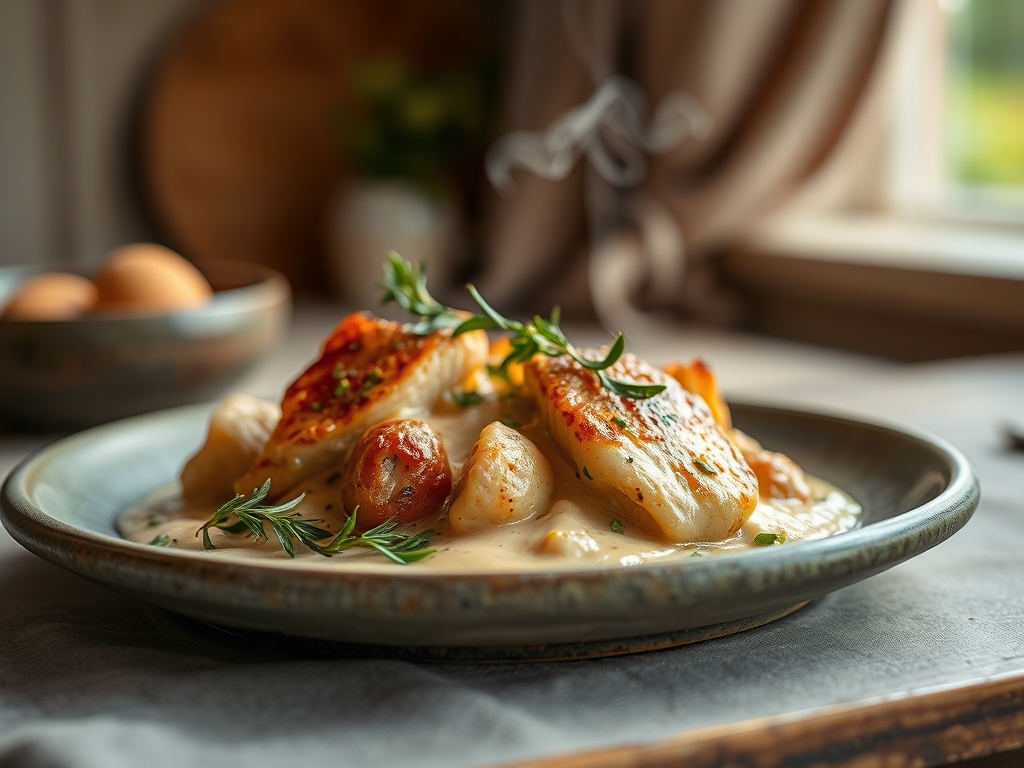
Imagine the sound of a heavy-bottomed skillet meeting a flame; it is the opening chord to a symphony of comfort. When you are craving that velvety, nostalgic hug in a bowl, campbell cream of chicken recipes deliver a reliable, emulsified foundation that transforms humble ingredients into gourmet masterpieces. It is not just soup; it is a culinary cheat code for perfect viscosity and depth.
I have spent years obsessing over the physics of a good sauce, and there is something uniquely brilliant about the way this pantry staple behaves under heat. It acts as a pre-stabilized roux, allowing you to skip the tedious whisking of flour and butter while still achieving a glossy, lip-smacking finish. Whether you are folding it into a bubbling casserole or using it to deglaze a pan after searing poultry, the results are consistently luxurious.
Today, we are moving beyond the basic "dump and bake" mentality. We are going to treat these campbell cream of chicken recipes with the respect they deserve by layering flavors and respecting the chemistry of the ingredients. Grab your favorite apron and a glass of something crisp; we are about to turn your kitchen into the neighborhood's favorite bistro.
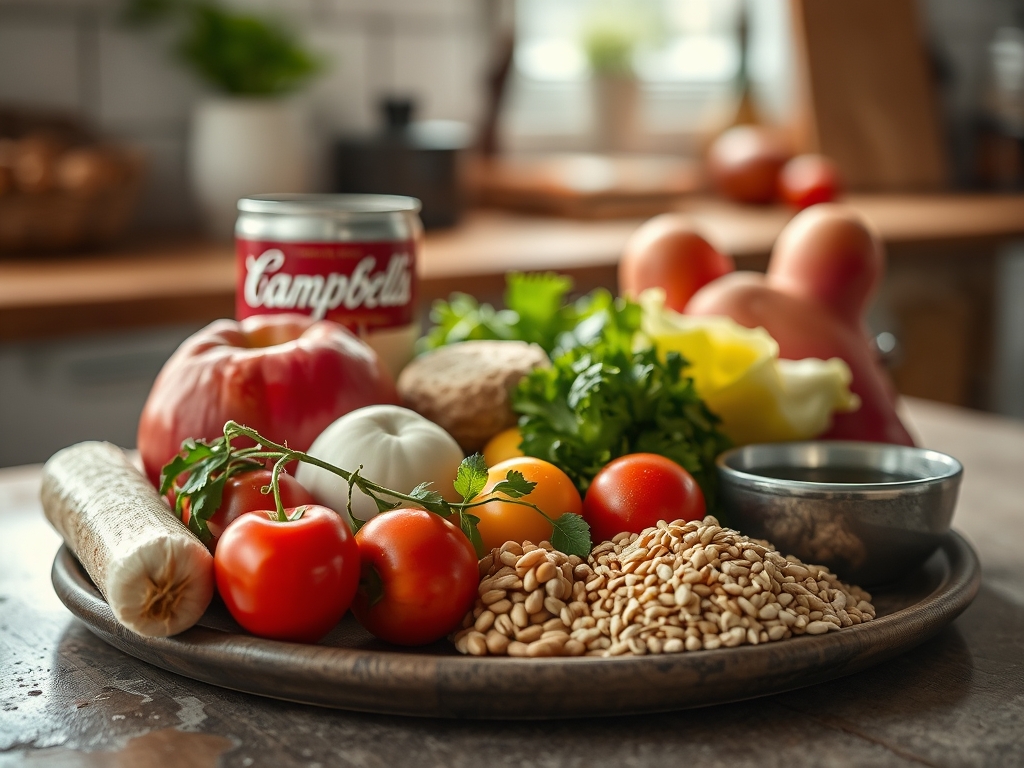
The Gathers:
Setting up your mise-en-place is the difference between a frantic kitchen and a fluid one. To execute these recipes, you need a balance of fats, aromatics, and acids. Start with your primary protein: high-quality chicken breasts or thighs, patted dry with paper towels to ensure optimal Maillard reaction. Your aromatics should include shallots and garlic, finely minced with a sharp chef's knife or processed via a microplane for maximum surface area exposure.
You will also need a high-smoke-point fat, such as avocado oil or clarified butter, to render the juices of your vegetables without scorching. For the liquid gold itself, keep several cans of the cream of chicken nearby. The starch structure in the soup is designed to hold up under high heat, but we will be enhancing it with heavy cream or whole milk to aerate the texture.
Smart Substitutions: If you are looking to brighten the profile, swap a portion of the water for a dry white wine like Sauvignon Blanc to infuse a piquant acidity. For those avoiding dairy, a full-fat coconut milk can mimic the viscous mouthfeel, though it will alter the flavor profile toward the tropical. Always keep a bench scraper handy to move your chopped herbs, like fresh thyme or tarragon, into the pan without losing those essential oils to your cutting board.
The Clock: Chef's Flow
Efficiency in the kitchen is all about the "Chef's Flow." Most campbell cream of chicken recipes require a 15-minute active prep window followed by a 30 to 45-minute thermal cycle. The secret is to use your "dead time." While the oven preheats or the sauce simmers, clean your station and prep your garnish.
A digital scale is your best friend here; measuring by weight rather than volume ensures your ratios of protein to sauce are perfect every time. Total time from first chop to final plating usually clocks in at under an hour, making this the ultimate weekday strategy for a high-density, high-flavor meal.
The Masterclass:
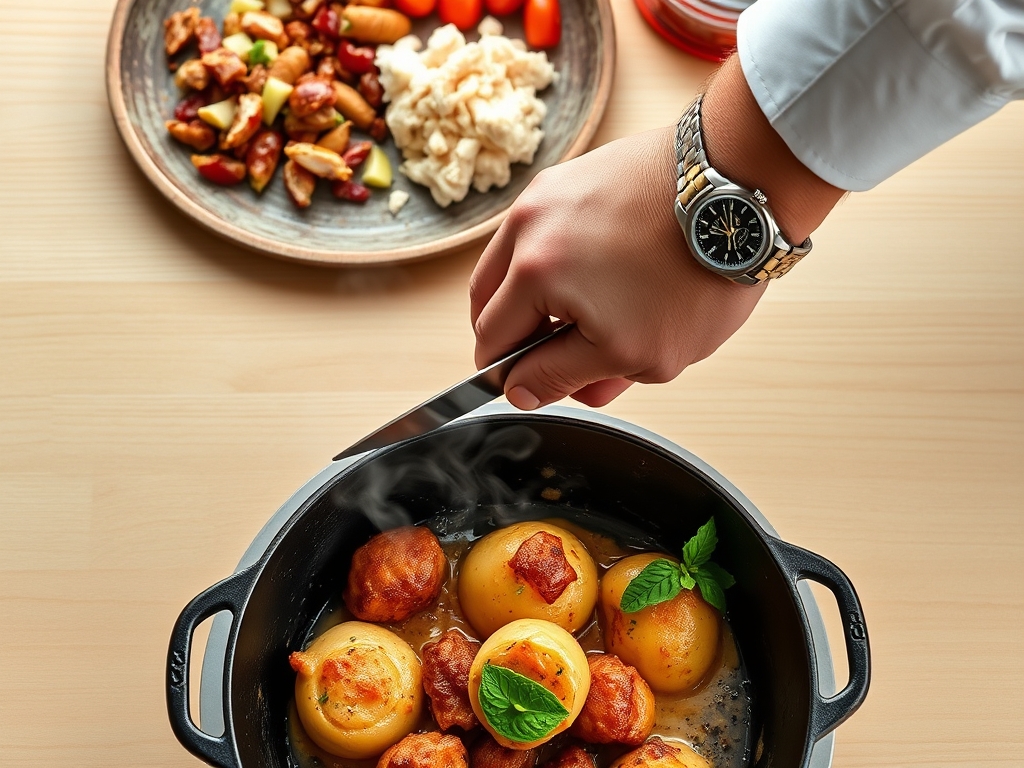
1. The Sear and Fond Development
Heat your heavy-bottomed skillet over medium-high heat. Once the oil shimmers, add your seasoned chicken. Do not crowd the pan; overcrowding drops the temperature and leads to steaming rather than searing. Brown the meat until it releases naturally from the surface.
Pro Tip: This browning process is the Maillard reaction, a chemical rearrangement of amino acids and sugars that creates hundreds of different flavor compounds. This "fond" at the bottom of the pan is the concentrated soul of your dish.
2. Deglazing the Aromatics
Remove the chicken and toss in your minced shallots. Use a wooden spoon to scrape up the browned bits as the moisture from the vegetables releases. This is the moment to add a splash of stock or wine to deglaze, lifting those toasted proteins back into the sauce.
Pro Tip: Deglazing is a thermal shock that pulls flavor from the pan surface into the liquid phase. It ensures that no flavor is wasted and prevents the bottom of your sauce from tasting scorched.
3. Incorporating the Emulsion
Lower the heat and whisk in your Campbell's Cream of Chicken. Use a silicone whisk to ensure you reach the corners of the pan. Slowly stream in your additional liquids, like milk or broth, while whisking constantly to maintain a smooth, non-broken emulsion.
Pro Tip: The soup contains modified food starch which acts as a stabilizer. By whisking while adding liquid, you are preventing the starch granules from clumping, ensuring a silky, viscous texture that coats the back of a spoon.
4. The Gentle Simmer
Return the chicken to the pan, nestling it into the sauce. Cover and reduce the heat to low. You want a "lazy bubble" rather than a rolling boil. This allows the heat to penetrate the protein slowly, keeping the muscle fibers tender.
Pro Tip: Maintaining a low temperature prevents the proteins in the chicken from tightening too quickly and squeezing out their juices. This is known as preventing "syneresis," which would result in dry meat and a watery sauce.
5. The Final Mount
Just before serving, stir in a tablespoon of cold butter or a squeeze of fresh lemon juice. This "mounts" the sauce, adding a final layer of gloss and a hit of brightness to cut through the richness of the cream.
Pro Tip: Adding fat at the end creates a temporary emulsion that adds a luxurious mouthfeel. The acidity from the lemon balances the pH of the dish, making the savory notes pop on your palate.
The Deep Dive:
From a macro nutrition perspective, these recipes are protein-heavy but can be sodium-dense. To balance this, pair your dish with fibrous greens like steamed broccoli or a kale salad. If you are looking for dietary swaps, use a gluten-free "cream of" alternative and swap pasta for cauliflower rice to keep it keto-friendly. For a vegan twist, cashew-based cream sauces with nutritional yeast can mimic the umami profile of the chicken base.
The Fix-It: If your sauce is too thick, do not just add water; use a splash of warm broth to maintain flavor density. If it breaks (looks oily), whisk in a teaspoon of warm milk to re-emulsify the fats. If it is too salty, add a peeled potato to the simmer for ten minutes to absorb excess sodium, then remove it before serving.
For meal prep, remember that starches undergo retrogradation when cooled, meaning they can become stiff. When reheating, add a tablespoon of water or milk and heat slowly on the stovetop. This "wakes up" the starches and returns the sauce to its original, velvety state without making the chicken rubbery.
The Wrap-Up:
Mastering campbell cream of chicken recipes is about more than just convenience; it is about understanding how to layer flavors on a solid foundation. By using professional tools like a saucier and respecting the science of the Maillard reaction, you can turn a pantry staple into a five-star experience. Go ahead, get creative with your aromatics, and remember that the best meals are the ones shared with a bit of wit and a lot of heart.
The Kitchen Table:
Can I make these recipes in a slow cooker?
Yes, but add dairy-based soups during the last hour of cooking. High heat over long periods can cause the emulsion to break, resulting in a grainy texture. A slow cooker is perfect for tenderizing tougher cuts of poultry.
How do I prevent the chicken from becoming rubbery?
Avoid overcooking by using a digital meat thermometer. Remove the chicken once it hits 160 degrees Fahrenheit; thermal carryover will bring it to the safe 165-degree mark while resting, ensuring the meat remains succulent and tender.
What is the best way to store leftovers?
Store in an airtight glass container for up to four days. Glass is non-reactive and won't absorb odors. When reheating, use low power in the microwave or a small saucepan to prevent the sauce from separating.
Can I freeze cream-based casseroles?
You can, but the texture may change slightly upon thawing. To fix this, whisk in a little fresh cream or milk during the reheating process to restore the smooth, viscous consistency and re-incorporate any separated fats.