
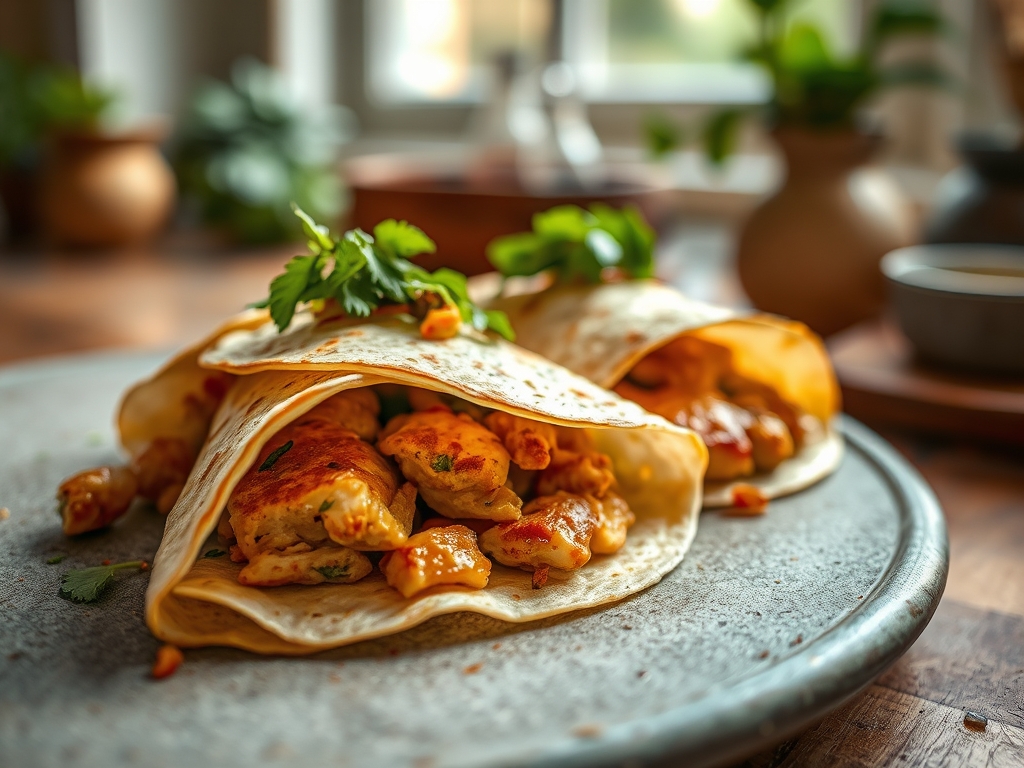
Picture the sound of a heavy-bottomed skillet meeting a high-flame burner; it is the percussion of a kitchen about to find its groove. When you are craving heat, nothing satisfies quite like the structural integrity of tortilla and chicken recipes. We are talking about that perfect tension between a charred flour wrap and the succulent, spice-rubbed protein waiting inside.
The magic of this pairing lies in the contrast of textures. You have the soft, pillowy yield of the tortilla acting as a canvas for the aggressive, piquant flavors of the chicken. Whether you are folding them into street tacos or rolling them into tight, crispy flautas, the science remains the same. It is all about managing moisture and maximizing the Maillard reaction. We are going to elevate your weeknight rotation from basic to brilliant by focusing on the chemical interactions that make these seven spicy variations sing. Grab your favorite apron; we are diving deep into the art of the perfect wrap.
The Gathers:
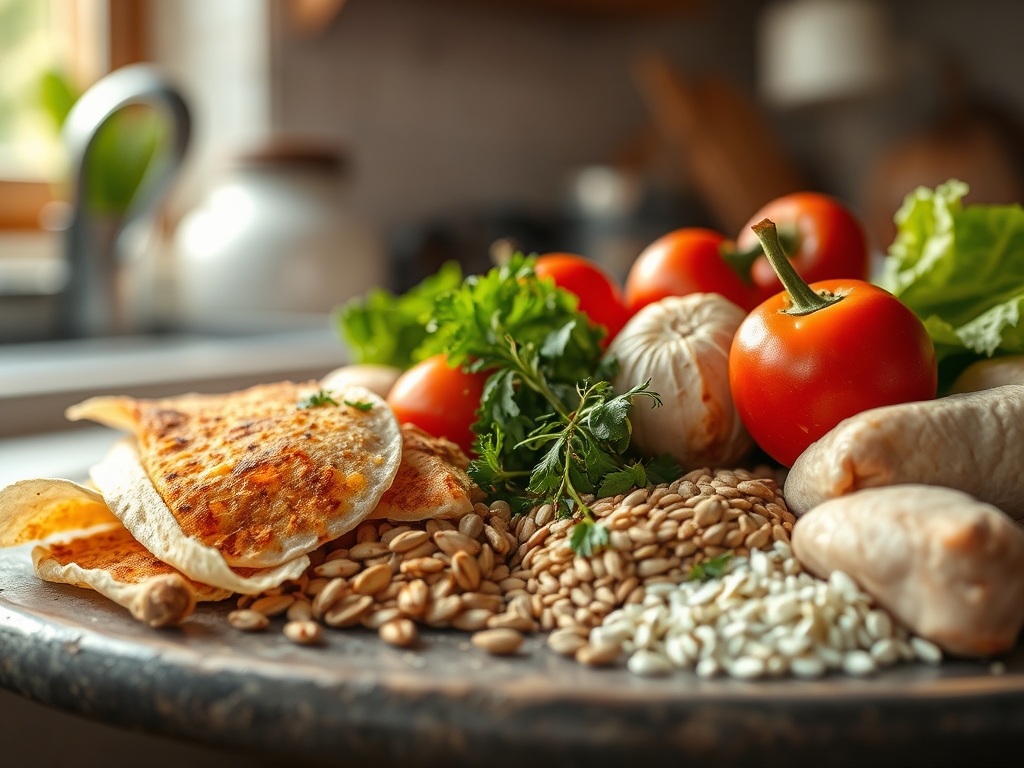
To master these tortilla and chicken recipes, your mise-en-place must be precise. Start with high-quality chicken thighs; they contain more connective tissue than breasts, which breaks down into gelatin during the cooking process to ensure a viscous, mouth-coating sauce. You will need a selection of dried chilies, such as Guajillo for earthiness and Arbol for sharp heat.
The tortillas should be fresh. If you are using flour, look for those with visible lard or high-quality oil spots, as these provide the elasticity needed for folding without tearing. For corn, look for nixtamalized masa to ensure a complex, nutty flavor profile. You will also need aromatics: garlic cloves ready for the microplane, white onions for a sharp crunch, and bunches of cilantro to provide a bright, herbaceous finish.
Smart Substitutions:
If you cannot find dried chilies, a high-quality chipotle in adobo provides a smoky, acidic alternative. For a lower-carb profile, jicama wraps offer a crisp, hydrating substitute for traditional tortillas. If you are out of chicken thighs, use breast meat but incorporate a velveting technique (a brief soak in baking soda and water) to maintain moisture levels during high-heat searing.
The Clock
Efficiency in the kitchen is about the Chef's Flow. This is the art of overlapping tasks so that no second is wasted. Total active prep time for these dishes averages 20 minutes, with cook times ranging from 15 to 30 minutes depending on your heat source.
Start by marinating your protein. While the acids and enzymes work on the muscle fibers, you should be using your bench scraper to clear your board of vegetable scraps. The goal is to have your "cold" elements (salsas and garnishes) finished and chilled before the "hot" elements (chicken and toasted tortillas) ever hit the pan. This ensures that the structural integrity of the tortilla is not compromised by sitting too long with wet ingredients.
The Masterclass
1. The Sear and Render
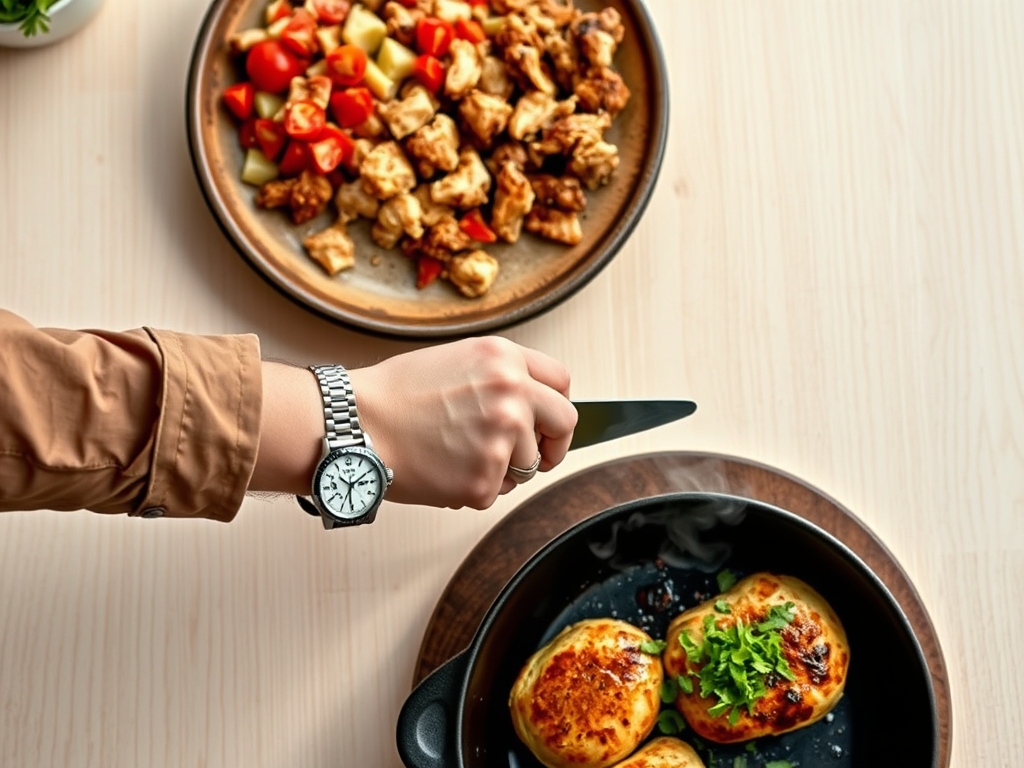
Place your seasoned chicken into a preheated heavy-bottomed skillet with a high smoke-point oil like avocado oil. Do not crowd the pan. You want to see the fat render out, creating a golden-brown crust.
Pro Tip: This is the Maillard reaction in action. By allowing the protein to sit undisturbed, the amino acids and reducing sugars rearrange to create hundreds of different flavor compounds. Moving the meat too early results in steaming rather than searing.
2. Deglazing the Fond
Once the chicken is removed, you will see brown bits stuck to the bottom of the pan. Pour in a splash of chicken stock or lime juice and use a wooden spoon to scrape them up.
Pro Tip: This process is called deglazing. Those bits, known as the fond, contain concentrated umami. Incorporating them back into your sauce creates a deeper, more complex flavor profile for your tortilla and chicken recipes.
3. The Spice Infusion
Add your aromatics and ground spices to the pan. Toast them for exactly 60 seconds until they become fragrant but not burnt.
Pro Tip: Spices are fat-soluble. By "blooming" them in the rendered chicken fat, you infuse the oil with essential oils, ensuring the heat is distributed evenly throughout the entire dish rather than hitting in isolated pockets.
4. The Shred and Toss
Use two forks or a stand mixer with a paddle attachment to shred the cooked chicken. Return it to the saucier to coat every fiber in the pan sauce.
Pro Tip: Shredding increases the surface area of the meat. This allows for maximum capillary action, where the sauce is pulled into the crevices of the meat, ensuring every bite is saturated with flavor.
5. The Tortilla Tempering
Never serve a cold tortilla. Place each one directly over a gas flame for 10 seconds per side or on a hot dry griddle until they puff slightly.
Pro Tip: This is called starch gelatinization. Heating the tortilla softens the amylopectin bonds, making the wrap pliable and preventing it from cracking when you roll your spicy chicken inside.
6. The Emulsified Garnish
Finish your dish with a squeeze of lime and a dollop of crema or avocado mash.
Pro Tip: The fat in the dairy or avocado acts as an emulsifier on your palate. It binds to the capsaicin molecules from the chilies, preventing them from overwhelming your pain receptors and allowing you to taste the nuances of the spices.
7. The Final Rest
Let the assembled wraps sit for 60 seconds before serving.
Pro Tip: This allows for thermal carryover. The residual heat evens out between the hot filling and the tempered wrap, ensuring the first bite is a cohesive temperature rather than a jarring mix of hot and cold.
The Deep Dive
From a macro perspective, tortilla and chicken recipes are a powerhouse. A standard serving provides roughly 35 grams of protein and 25 grams of complex carbohydrates. To make this Keto-friendly, swap the tortilla for a large butter lettuce leaf or a cheese-crust wrap. For a Vegan twist, replace the chicken with pulled king oyster mushrooms, which mimic the fibrous texture of shredded poultry perfectly.
The Fix-It:
- Soggy Tortillas: This happens when the filling is too watery. Fix it by straining your chicken mixture through a fine-mesh sieve before assembly.
- Tough Chicken: You likely overcooked it. To fix, toss the shredded meat in a bit of warm chicken broth and a teaspoon of butter to reintroduce moisture and fat.
- Muted Spices: If the dish tastes flat, it needs acid. A splash of apple cider vinegar or an extra squeeze of lime will "wake up" the chemical compounds in the chilies.
Meal Prep Science:
When reheating, avoid the microwave if possible as it makes tortillas rubbery. Instead, wrap the assembled dish in foil and heat in a 350-degree oven. This creates a small steam chamber that restores "day-one" suppleness to the starch.
The Wrap-Up
Mastering these seven spicy tortilla and chicken recipes is about more than just following a list; it is about understanding the physics of the pan. When you respect the sear, bloom your spices, and temper your wraps, you transform simple ingredients into a gourmet experience. These dishes are vibrant, bold, and scientifically balanced to hit every taste bud. Now, get into that kitchen and start creating some heat!
The Kitchen Table
Can I use frozen chicken for these recipes?
Yes, but you must thaw it completely in the refrigerator first. Excess moisture from frozen cells can prevent a proper sear, leading to steamed meat rather than the desired Maillard browning and flavor development.
What is the best way to keep tortillas warm?
Stack heated tortillas in a clean kitchen towel or a dedicated tortilla warmer. This traps the steam, which keeps the starches hydrated and pliable for up to twenty minutes while you finish the chicken.
How do I make the chicken spicier without changing the flavor?
Add a pinch of pure capsaicin extract or a high-quality cayenne pepper. These provide "clean" heat that increases the Scoville rating without altering the aromatic profile of your specific spice blend or marinade.
Why does my chicken sometimes turn out dry?
This usually results from using breast meat without a fat source. To fix this, ensure you are using a heavy-bottomed skillet to distribute heat evenly and consider adding a tablespoon of butter during the final toss.