
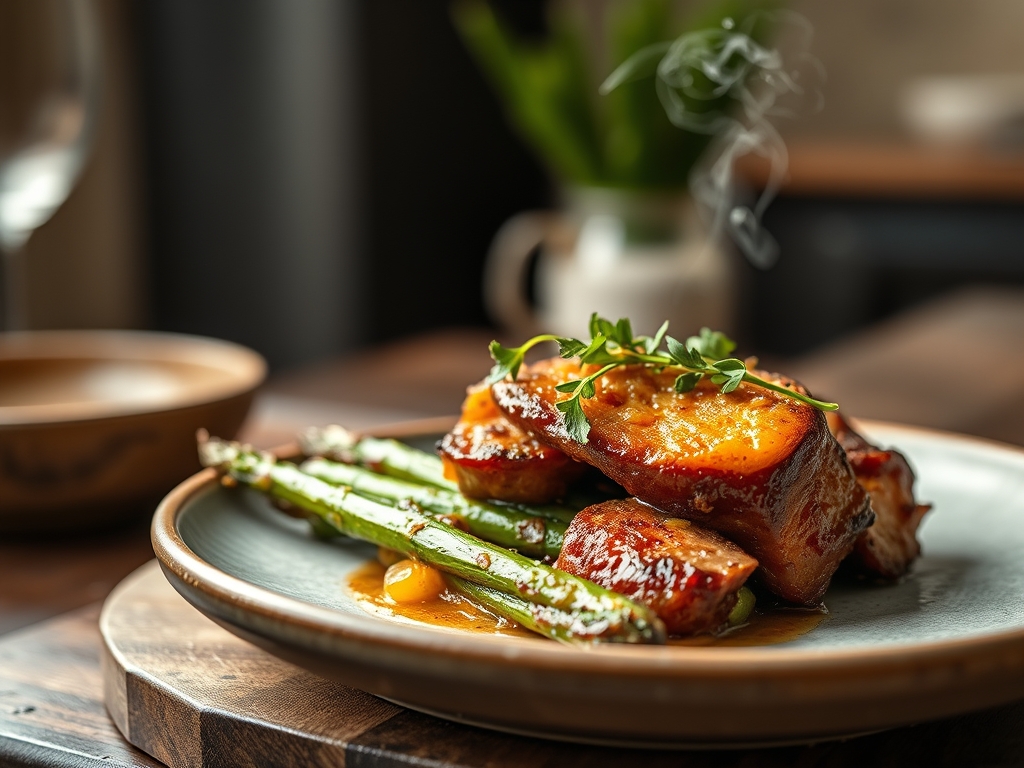
Imagine the scent of high-grade lipids hitting a searing cast iron surface; it is a chemical symphony that signals the start of the ultimate dinner. When you master asparagus and beef recipes, you are not just cooking; you are orchestrating a collision between terrestrial richness and spring-fed vibrance. The heavy, umami-laden profile of a well-marbled cut of beef finds its perfect foil in the grassy, sulfurous snap of a fresh asparagus spear. It is a pairing that transcends the casual weeknight meal. Whether you are flash-searing thin strips of flank or roasting a thick-cut filet alongside butter-basted stalks, the goal is a perfect textural contrast. You want that deep, mahogany crust on the protein and a bright, verdant crunch in the vegetable. This guide is your backstage pass to the molecular magic that happens when these two ingredients meet. We are going to dive into the chemistry of the sear, the physics of the snap, and the art of the plate.
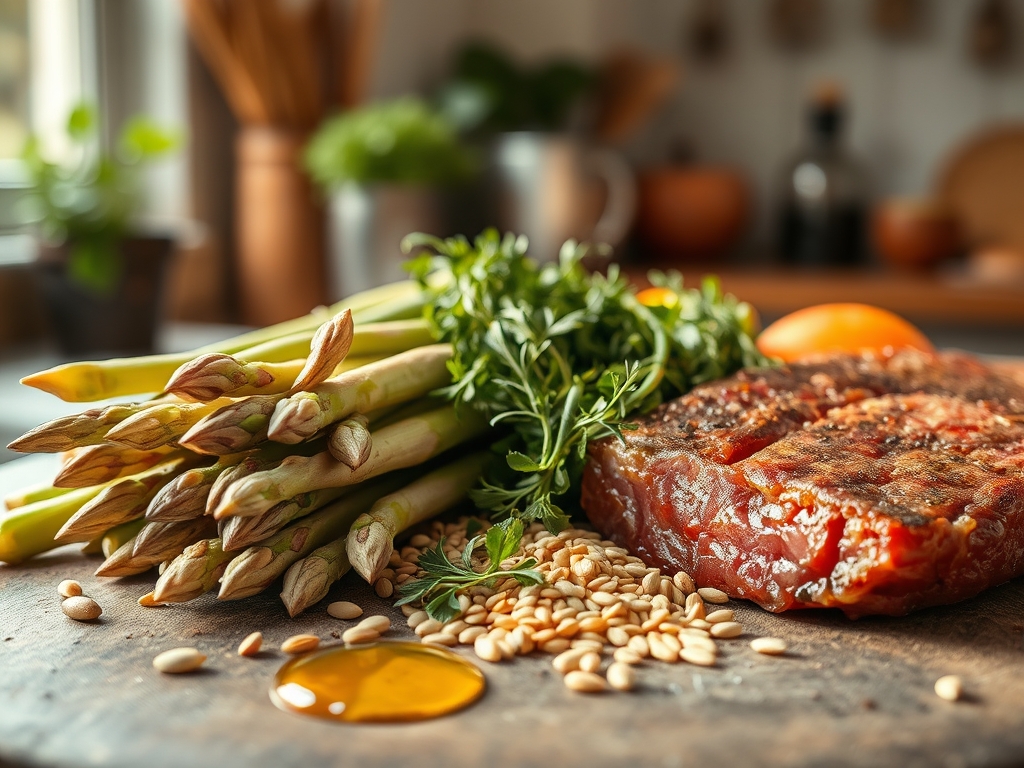
The Gathers:
Setting your stage, or mise-en-place, is about more than just organization; it is about controlling the variables of heat and moisture. For our premier asparagus and beef recipes, start with the protein. You want a cut with significant intramuscular fat, such as a ribeye or a well-aged New York strip, though a lean hanger steak offers a more piquant, mineral-forward flavor. Your asparagus should be uniform in diameter. Thick stalks offer a succulent, meaty interior, while pencil-thin spears provide a delicate, crispy finish when charred.
Your secondary players include high-smoke-point fats like avocado oil or clarified butter (ghee). Avoid extra virgin olive oil for the initial sear, as its low smoke point leads to acrid, oxidized flavors. You will also need aromatics: fresh thyme, smashed garlic cloves, and perhaps a splash of aged balsamic or dry sherry for deglazing.
Smart Substitutions:
If you cannot find prime beef, a "choice" grade cut can be elevated through a dry-brine process using a digital scale to measure exactly 1.5 percent salt by weight. For a plant-forward twist that maintains the umami profile, king trumpet mushrooms can mimic the fibrous density of beef. If asparagus is out of season, broccolini offers a similar cruciferous snap and handles high-heat roasting with comparable grace.
The Clock
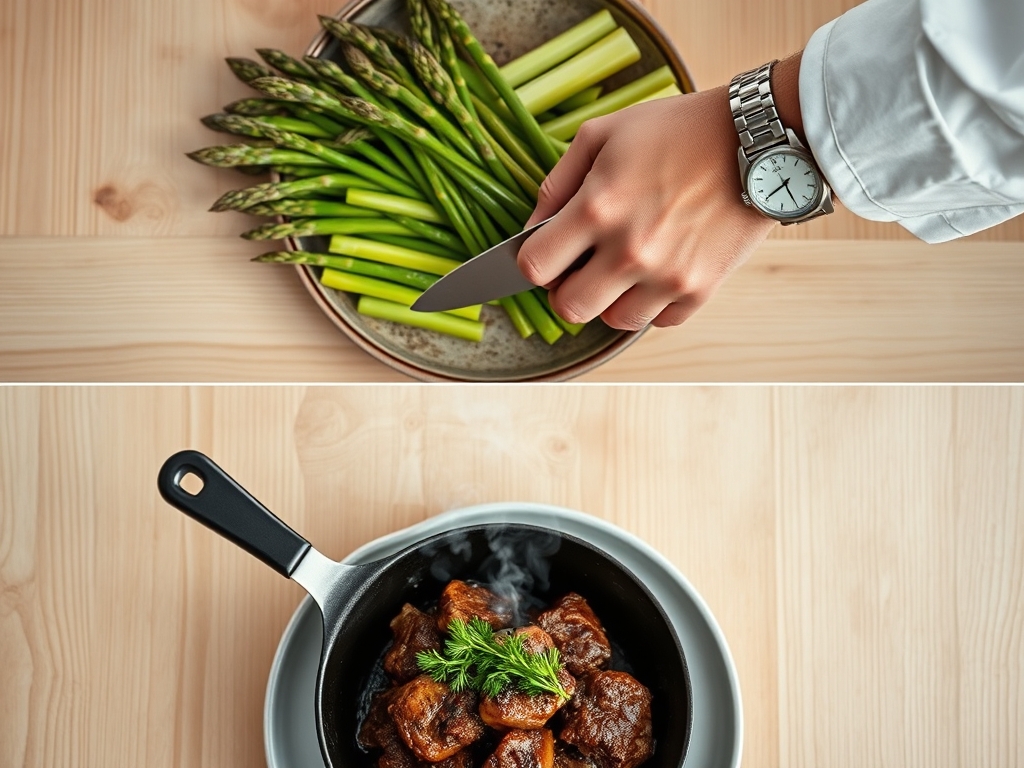
Efficiency in the kitchen is governed by "Chef's Flow," the ability to overlap tasks so that every component reaches the plate at its thermal peak. Expect a total active time of 40 minutes. The first 15 minutes are dedicated to preparation: trimming the woody ends of the asparagus (find the natural break point) and tempering the beef. Tempering, or bringing the meat toward room temperature, ensures even heat distribution during the sear.
The cooking phase is rapid, lasting approximately 12 to 18 minutes depending on your desired level of doneness. The final, and most critical, phase is the rest. A 10-minute rest for the beef allows the muscle fibers to relax and reabsorb the internal juices. During this rest period, you will finish the asparagus in the residual beef fat, ensuring the vegetable is hot and vibrant the moment the beef is sliced and served.
The Masterclass
1. The Dry Brine and Temper
Pat the beef completely dry with lint-free paper towels. Moisture is the enemy of the Maillard reaction. Season aggressively with kosher salt and let it sit on a wire rack for at least 30 minutes. This draws moisture out, dissolves the salt into a brine, and then pulls that seasoned liquid back into the center of the meat through osmosis.
Pro Tip: This process utilizes denaturation. The salt breaks down the tightly wound proteins, making the final result significantly more tender.
2. Preparing the Spears
While the beef tempers, prep your asparagus. Use a vegetable peeler to shave the bottom two inches of thicker stalks. This removes the fibrous, lignified exterior while leaving the tender core exposed. Toss them in a bowl with a light coating of oil and a pinch of salt to encourage hygroscopic action, which helps the heat penetrate the cell walls faster.
Pro Tip: Removing the outer skin prevents the "stringy" texture often associated with larger asparagus, a result of the plant developing structural cellulose as it grows.
3. The High-Heat Sear
Heat a heavy-bottomed skillet until the oil begins to shimmer and reach its flash point. Place the beef in the pan, pressing down slightly with a weighted press or a heavy spatula to ensure maximum surface contact. Sear for 3 to 4 minutes per side until a dark, mahogany crust forms.
Pro Tip: This is enzymatic browning at its finest. The amino acids and reducing sugars react under high heat to create hundreds of different flavor compounds.
4. The Butter Baste (Arrosage)
In the final two minutes of cooking, drop a knob of cold unsalted butter, smashed garlic, and thyme into the skillet. As the butter foams, use a large spoon to continuously drench the beef in the hot, flavored fat. This adds a nutty, toasted dimension to the crust.
Pro Tip: The foaming action indicates that the water in the butter is evaporating. Once the foam subsides, the milk solids begin to brown, creating beurre noisette flavors.
5. The Deglaze and Flash-Sauté
Remove the beef to a warm plate. Immediately toss the asparagus into the same skillet. Use a wooden spoon or bench scraper to loosen the "fond" (the browned bits) from the bottom of the pan. The asparagus will absorb the beef fat and aromatics as it softens.
Pro Tip: This technique uses deglazing to capture concentrated flavor molecules that would otherwise be lost, ensuring the vegetable and protein share a cohesive flavor profile.
6. The Final Resting Phase
Transfer the asparagus to the plate next to the beef. Allow everything to sit undisturbed. Use a microplane to zest a bit of fresh lemon over the asparagus at the very last second to provide an acidic lift that cuts through the heavy fats.
Pro Tip: Thermal carryover will cause the internal temperature of the beef to rise by another 5 to 10 degrees after it leaves the pan. Pull the meat when it is just below your target temperature.
The Deep Dive
From a nutritional standpoint, asparagus and beef recipes are a powerhouse. Beef provides essential heme iron, B12, and high-quality protein, while asparagus contributes folate, vitamin K, and prebiotic fibers that support gut health.
Dietary Swaps:
For a Keto version, increase the butter baste and serve with a side of homemade hollandaise. To make this Gluten-Free, ensure your seasonings are pure and avoid any pre-packaged rubs that might contain anti-caking agents derived from wheat. For a Vegan alternative, use thick-cut cauliflower steaks and a vegan butter substitute, though the cooking times will decrease significantly.
The Fix-It:
- Grey, Steamed Beef: This happens if the pan is crowded. Cook in batches to maintain high surface temperature.
- Mushy Asparagus: You have overshot the cellulose breakdown. Shock the spears in ice water if you are prepping ahead, then flash-sear for only 90 seconds.
- Acrid, Burnt Garlic: Never add garlic at the start of the sear. Add it during the butter baste at the end to prevent the delicate cloves from carbonizing.
Meal Prep:
To reheat without losing the "day-one" quality, avoid the microwave. Use a low-temperature oven (250 degrees Fahrenheit) to gently warm the beef until it reaches 110 degrees internally. Flash-fry the asparagus in a hot pan for 30 seconds to restore the snap.
The Wrap-Up
Mastering the balance of these two ingredients is a rite of passage for any home chef. It is a lesson in temperature control, timing, and the beauty of simple, high-quality ingredients. When you pull that perfectly rested steak off the board and see the vibrant green of the asparagus beside it, you are looking at a masterclass in culinary harmony. Now, grab your favorite skillet and let the Maillard reaction work its magic.
The Kitchen Table
How do I keep my asparagus from getting soggy?
Avoid overcrowding the pan and skip the lid. High heat and rapid evaporation are essential. Sautéing the spears in residual beef fat for less than three minutes ensures a crisp-tender texture and prevents the cell walls from collapsing.
What is the best cut of beef for this pairing?
A ribeye or New York strip is ideal due to the fat content. The rendered fat acts as a flavorful cooking medium for the asparagus. For a leaner option, use a top sirloin or a well-marinated flank steak.
Can I cook the beef and asparagus at the same time?
It is better to cook them sequentially. Sear the beef first, then let it rest. Use the resting time to sauté the asparagus in the same pan. This ensures the beef rests properly and the asparagus stays vibrant.
Should I snap or cut the ends of the asparagus?
Bending the spear until it snaps naturally identifies the point where the stalk turns from woody to tender. However, for a professional look, trimming with a sharp chef's knife creates uniform lengths that cook more evenly.