
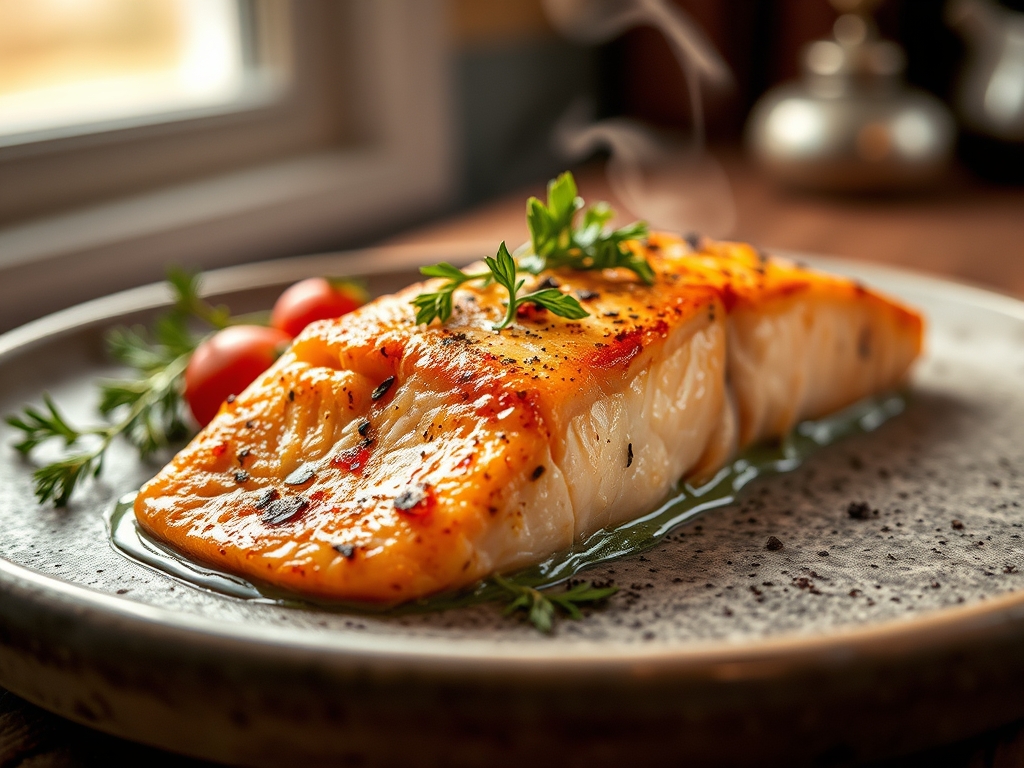
The sizzle of cold protein hitting a shimmering, hot skillet is the universal siren song of a home cook who has truly arrived. When you master the art of popular salmon recipes, you are not just making dinner; you are conducting a symphony of thermal physics and lipid chemistry. From the shatteringly crisp skin of a pan-seared fillet to the buttery, translucent flakes of a slow-poached cut, salmon is the ultimate canvas for culinary expression. It is rich, it is forgiving, and it is packed with the kind of omega-3 fatty acids that make your brain feel like it just had a spa day. Whether you are hosting a high-stakes dinner party or just trying to survive a Tuesday, these nine variations will transform your kitchen into a five-star bistro.
The Gathers:
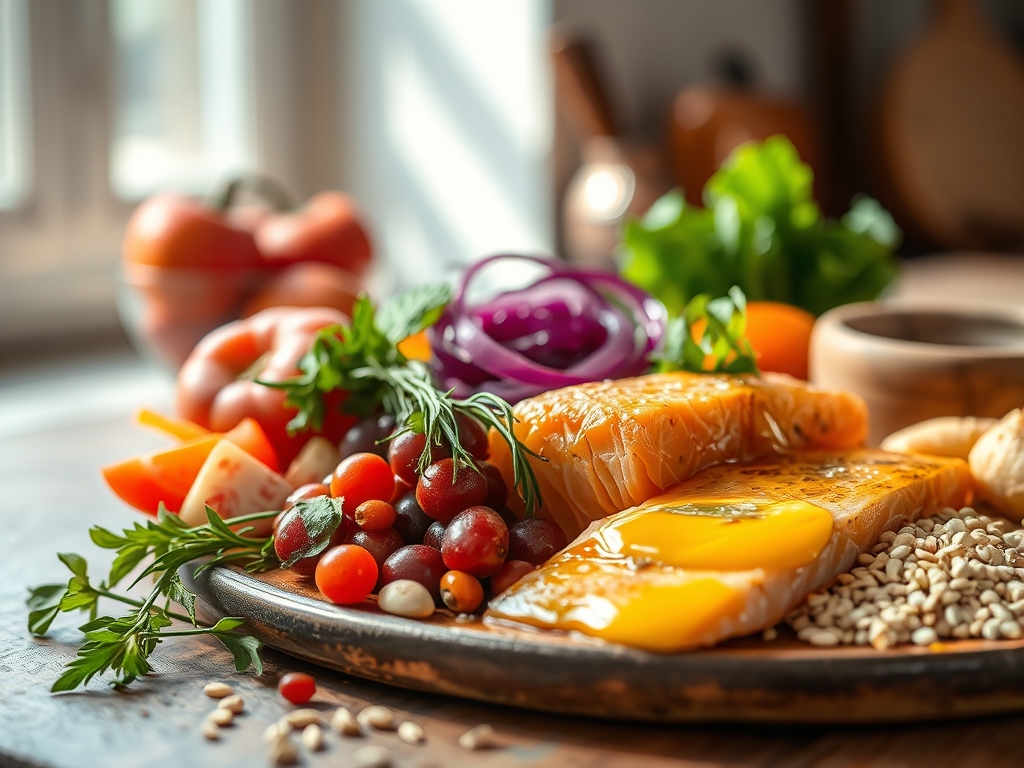
Before we ignite the burners, we must respect the mise-en-place. Your workstation should look like a laboratory of flavor. Start with center-cut Atlantic or Sockeye fillets; look for vibrant pigmentation and a firm, elastic texture that bounces back when pressed. You will need a high-smoke-point lipid, such as avocado oil or clarified butter, to facilitate the Maillard reaction without scorching.
Gather your aromatics: fresh dill, flat-leaf parsley, and garlic cloves that feel heavy for their size. For the acidic component, grab a heavy-bottomed lemon to zest with your microplane. You will also need kosher salt, which has a larger grain size for better tactile control, and freshly cracked black pepper.
Smart Substitutions:
If you are out of fresh citrus, a splash of verjus or a high-quality white wine vinegar provides that necessary piquant lift. If dairy is off the table, swap butter for a neutral coconut oil or a rich, emulsified cashew cream to maintain that viscous mouthfeel in your sauces. For a crust that rivals any breading, try crushed pistachios or hemp hearts to keep things gluten-free while adding a nutty, earthy depth.
The Clock:
Efficiency in the kitchen is about understanding "Chef's Flow." Most popular salmon recipes require about 10 minutes of active prep and 12 to 15 minutes of thermal application. However, the secret is in the "temper time." Allow your fish to sit at room temperature for 15 minutes before cooking. This reduces the temperature gradient between the pan and the protein, ensuring the center reaches the target 125 degrees Fahrenheit without the exterior becoming a charred husk.
Your total time from fridge to table should hover around 30 minutes. Use the "bridge time" while the fish rests to whisk your emulsions or deglaze your pan. This ensures that every component of the dish hits the plate at the peak of its sensory profile.
The Masterclass:
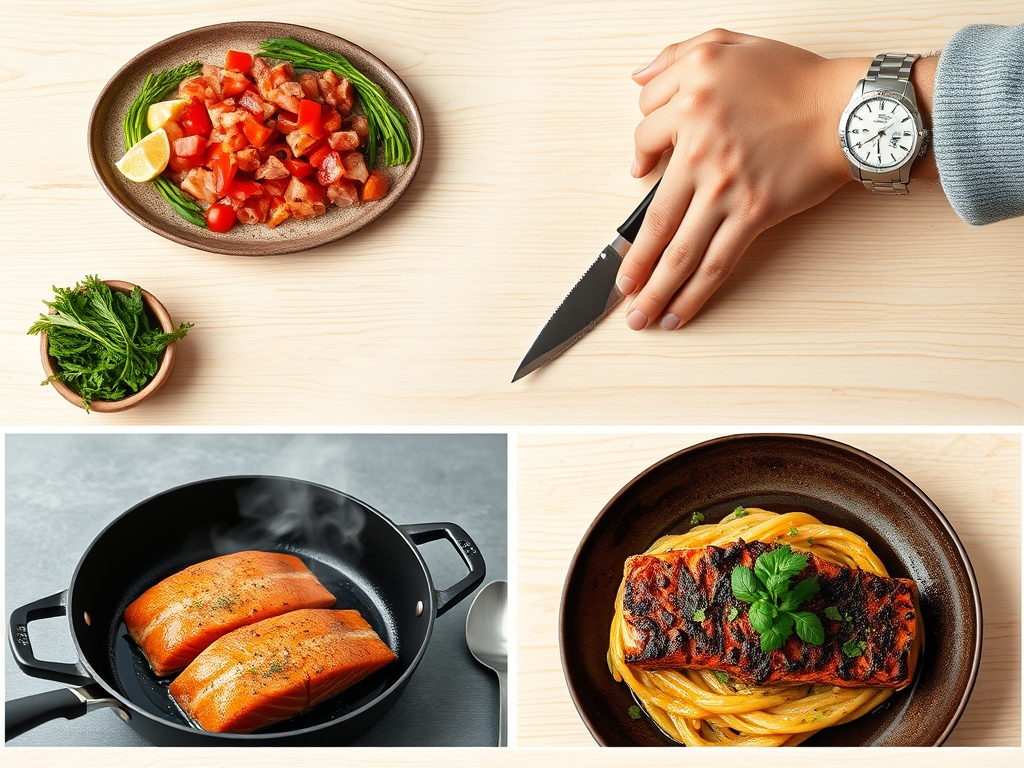
1. The Prep and Pat-Down
Remove your fillets from the packaging and use a paper towel to bone-dry the surface. Moisture is the enemy of a crisp sear. Use a digital scale to ensure even portioning, which guarantees consistent cooking times across the batch.
Pro Tip: Drying the skin removes surface water that would otherwise turn to steam. Steam creates a barrier that prevents the Maillard reaction, leaving you with rubbery skin instead of a golden crust.
2. Seasoning and Osmosis
Generously coat the fillets with salt and pepper from a height of about six inches to ensure even distribution. If you have time, let the salt sit for five minutes to penetrate the muscle fibers.
Pro Tip: Salt acts as a denaturant. It begins to break down the tightly wound proteins on the surface, allowing them to retain more moisture during the high-heat cooking process.
3. The Sear and Render
Heat a heavy-bottomed skillet (cast iron is king here) over medium-high heat until the oil shimmers. Place the salmon skin-side down. Use your tongs to press the fillet firmly against the pan for the first 30 seconds to prevent the skin from curling.
Pro Tip: Pressing the fish ensures maximum surface area contact. This facilitates the rendering of the subcutaneous fat layer, which acts as a self-basting mechanism for the meat.
4. The Flip and Finish
Once the skin is crisp and releases easily from the pan, flip the fillet. Add a knob of butter and a smashed garlic clove to the pan. Use a spoon to infuse the hot fat over the fish.
Pro Tip: This technique, known as arroser, uses thermal carryover to gently finish the interior while adding a nutty, complex flavor profile via the browned butter solids.
5. The Rest and Recovery
Transfer the salmon to a warm plate or a wooden bench scraper to rest for three minutes. This allows the internal juices, which have been pushed to the center by the heat, to redistribute throughout the fillet.
Pro Tip: Resting prevents the "bleeding" of flavorful juices when you finally flake into the fish. It ensures every bite is equally succulent.
The Deep Dive:
Macro Nutrition
Salmon is a nutritional powerhouse. A standard six-ounce serving provides roughly 34 grams of high-quality protein and 20 grams of healthy fats. It is virtually carb-free, making it the gold standard for metabolic health. The presence of astaxanthin, the antioxidant that gives salmon its pink hue, supports skin elasticity and cellular repair.
Dietary Swaps
For a Vegan alternative, use "watermelon steaks" marinated in soy and ginger; while the protein profile differs, the texture when seared is remarkably similar. For Keto enthusiasts, double down on the fats by serving with a lemon-heavy hollandaise whisked in a saucier. Gluten-Free diners should swap soy sauce for tamari or liquid aminos to keep the umami high without the wheat.
The Fix-It: Common Pitfalls
- White Gunk (Albumin): If you see white clouds seeping out, you are cooking too fast or too hot. Fix: Lower the heat immediately. This is just protein pushing out of the fibers; it is edible but indicates overcooking.
- Stuck Skin: You tried to flip too early. Fix: Wait for the protein to naturally "release" from the pan. If it sticks, add a tiny bit more oil and wait 30 seconds.
- Dry Interior: You missed the window. Fix: Pull the fish when it hits 120 degrees Fahrenheit. The thermal carryover will bring it to the perfect 125 while it rests.
Meal Prep: The Reheating Science
Never use a microwave to reheat salmon; it agitates the water molecules and turns the fats rancid. Instead, use a "low and slow" oven method. Place the leftover fillet in a dish with a tablespoon of water, cover tightly with foil, and heat at 275 degrees Fahrenheit for 10 minutes. This creates a gentle steam chamber that restores the viscous texture without drying it out.
The Wrap-Up:
You are now equipped with the technical prowess to tackle any of the most popular salmon recipes with total confidence. By focusing on the science of heat transfer and the chemistry of seasoning, you have moved beyond following a recipe to understanding the "why" behind every sizzle. Your kitchen is no longer just a place for chores; it is a studio for culinary excellence. Go forth, sear with conviction, and remember that the best ingredient you can add to any dish is a little bit of scientific curiosity.
The Kitchen Table:
How do I know when salmon is perfectly cooked?
The most reliable method is using a digital thermometer to reach 125 degrees Fahrenheit. Visually, the flakes should just begin to separate when pressed gently with a fork, showing a translucent, buttery center rather than an opaque, chalky one.
Can I cook salmon from frozen?
Yes, but for the best results, use the "steam-sear" method. Start in a covered pan to thaw and cook the center with steam, then uncover and increase the heat to crisp the skin. This prevents the exterior from toughening before the middle thaws.
What is the best oil for searing salmon?
Use oils with a high smoke point, such as avocado, grapeseed, or refined light olive oil. These fats can withstand the 400-degree temperatures required for a crisp skin without breaking down into bitter, acrid compounds or smoking out your kitchen.
Why does my salmon have a fishy smell?
A strong odor usually indicates that the fats have begun to oxidize. To neutralize this, rinse the fillets in cold water and pat them completely dry. Applying an acidic component like lemon juice or vinegar during cooking also helps balance these volatile compounds.