
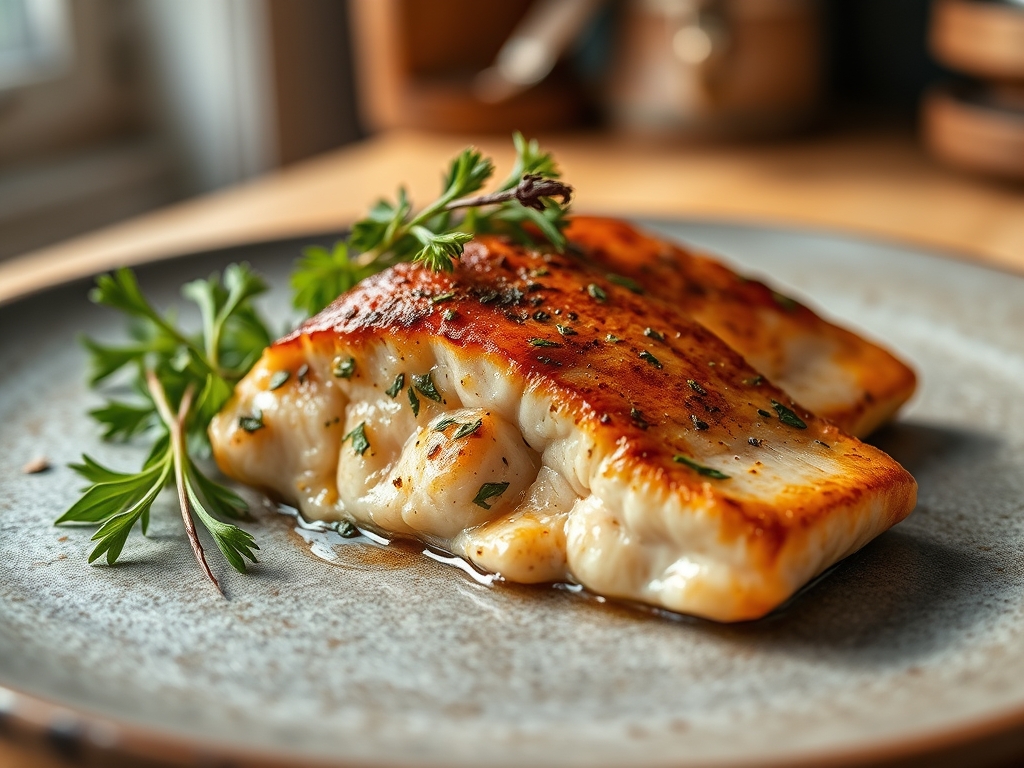
Imagine the scent of fresh dill and sizzling butter wafting through a sun-drenched Hamptons kitchen. When you master salmon recipes ina garten baked to perfection, you are not just cooking; you are orchestrating a symphony of fats and proteins. We are aiming for that buttery, melt-in-your-mouth texture that defines the Barefoot Contessa style.
Salmon is the ultimate canvas for high-impact flavors. Whether you are hosting a garden party or a quiet Tuesday night, the goal is a translucent, flaky center and a beautifully seasoned crust. We are moving beyond the basic fillet to explore eight iconic variations that rely on high-quality olive oil, fresh herbs, and the precise application of heat. To get there, we have to respect the biology of the fish. Salmon contains delicate connective tissues that break down much faster than beef; therefore, timing is everything. Grab your favorite apron and a glass of chilled Rosé; we are about to turn your kitchen into a professional bistro.
The Gathers:
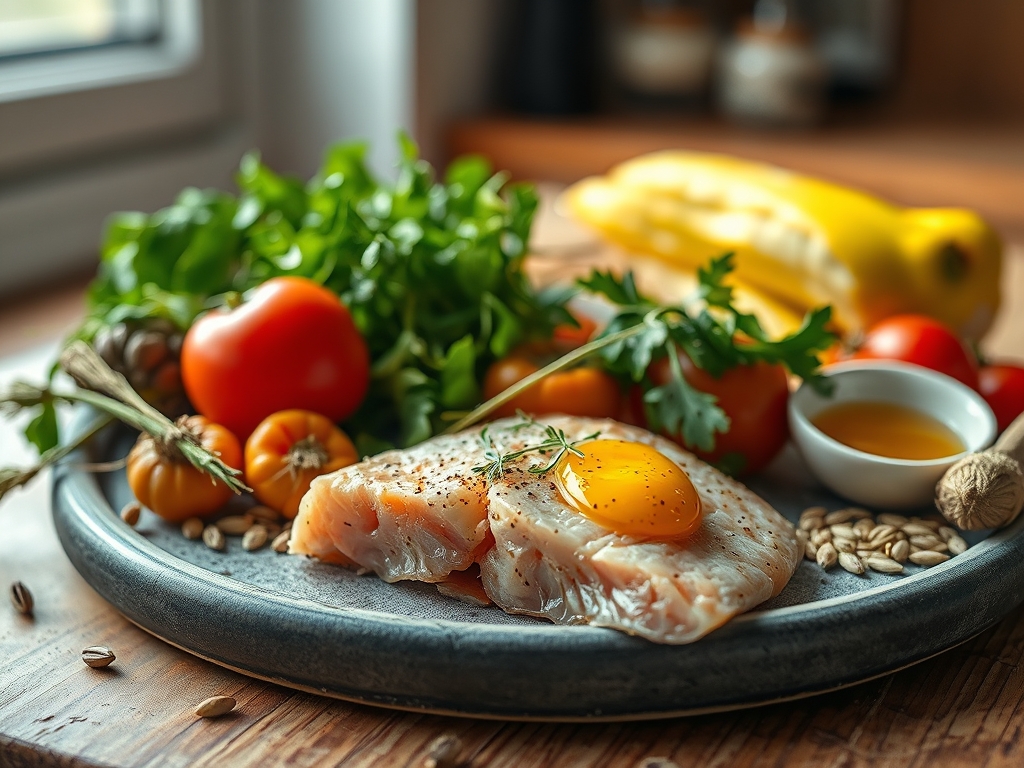
Setting up your station, or mise-en-place, is the difference between a chaotic kitchen and a culinary masterpiece. For these salmon recipes ina garten baked style, you need high-fat Atlantic or King salmon. Look for vibrant, firm flesh that bounces back when pressed. You will also need a microplane for zesting lemons, as the essential oils in the zest provide a piquant punch that juice alone cannot match.
The pantry staples include Fleur de Sel, cracked black pepper, and a high-smoke-point oil. We also utilize viscous honey or maple syrup to encourage the Maillard reaction, creating that golden-brown exterior. For the aromatics, gather bunches of flat-leaf parsley, dill, and chives. If you are looking for smart substitutions, you can swap heavy cream for full-fat Greek yogurt to maintain the creamy mouthfeel with a bit more tang. If you lack fresh herbs, use one-third the amount of dried herbs, though the flavor profile will be less bright. Always keep a digital scale nearby to ensure your fillets are uniform in weight, which guarantees even cooking across the tray.
The Clock
Efficiency in the kitchen is all about the "Chef's Flow." For most of these recipes, prep time sits at a comfortable 15 minutes, while the actual baking takes between 10 and 12 minutes. However, the most critical part of the clock is the five-minute rest period after the fish leaves the oven.
Total time from fridge to table is approximately 30 minutes. The flow involves preheating your oven to 425 degrees Fahrenheit while you pat the fish bone-dry with paper towels. Moisture is the enemy of a good sear; if the surface is wet, the fish will steam rather than roast. While the salmon undergoes its thermal transformation, use those 10 minutes to whisk together a cold remoulade or a vinaigrette in a saucier. This overlapping technique ensures every component of the meal hits the plate at the peak of its flavor profile.
The Masterclass
1. The Salt Brine and Prep
Season your fillets generously with salt and pepper at least ten minutes before they hit the heat. This allows the salt to penetrate the muscle fibers and season the fish deeply rather than just sitting on the surface.
Pro Tip: This process, known as denaturation, helps the proteins retain moisture during the high-heat baking process, preventing the white albumin from leaking out excessively.
2. The High-Heat Roast
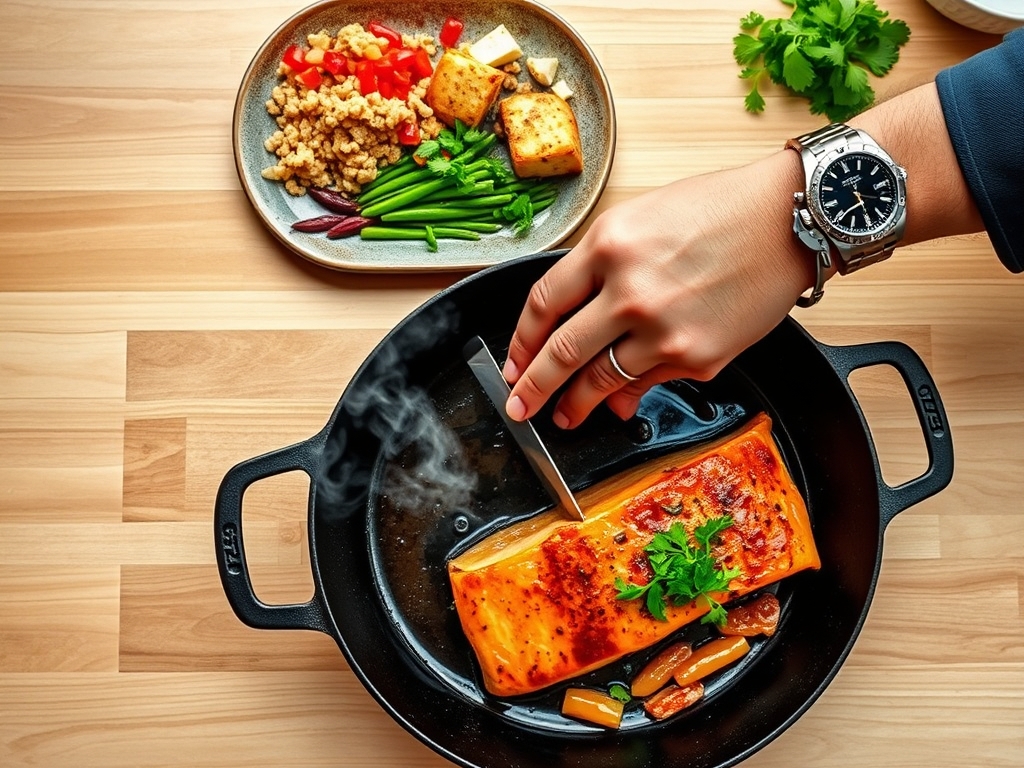
Place the salmon on a sheet pan lined with parchment paper. Use tongs to ensure the fillets are spaced at least two inches apart to allow for proper air circulation.
Pro Tip: High-heat roasting triggers the Maillard reaction rapidly. This chemical reaction between amino acids and reducing sugars creates the complex, savory flavors we associate with "browned" food.
3. The Infusion of Aromatics
Top the salmon with a mixture of melted butter, lemon zest, and minced garlic. Use a silicone brush to coat the entire surface, ensuring the fats infuse into the top layer of the meat.
Pro Tip: Fat is a flavor carrier. By suspending the garlic and zest in butter, you ensure the volatile aromatic compounds are evenly distributed across the palate.
4. The Glaze Application
Halfway through the cooking process, apply any sweet glazes, such as a balsamic reduction or honey mustard. This prevents the sugars from burning while still allowing them to caramelize into a tacky, delicious coating.
Pro Tip: Sugar undergoes caramelization at approximately 320 degrees Fahrenheit. Adding it late in the bake ensures you reach this stage without crossing into carbonization (burning).
5. The Internal Temperature Check
Use an instant-read thermometer to check the thickest part of the fillet. You are looking for 125 degrees Fahrenheit for a perfect medium-rare.
Pro Tip: Thermal carryover will continue to raise the internal temperature by 5 to 10 degrees after you remove the fish from the oven. Pulling it early prevents the dry, chalky texture of overcooked salmon.
6. The Herb Finish
Once the salmon is out of the oven, immediately shower it with freshly chopped herbs. The residual heat will release the oils in the herbs without wilting them into oblivion.
Pro Tip: Fresh herbs contain delicate enzymes that are destroyed by prolonged heat. Adding them at the end preserves their vibrant color and "green" flavor notes.
7. The Acid Balance
Squeeze fresh lemon juice over the hot fillets right before serving. Use a fine-mesh strainer to catch any stray seeds.
Pro Tip: Acid acts as a flavor brightener. It cuts through the richness of the salmon's fat, creating a balanced sensory experience that keeps the palate refreshed.
8. The Resting Period
Let the salmon sit on the warm tray for three to five minutes. This allows the juices, which were pushed to the center by the heat, to redistribute throughout the fillet.
Pro Tip: Resting allows the protein structures to relax. If you cut into the fish immediately, the pressurized juices will escape, leaving you with a drier result.
The Deep Dive
From a nutritional standpoint, salmon is a powerhouse. It is rich in Omega-3 fatty acids, specifically EPA and DHA, which support heart and brain health. A standard 6-ounce portion provides roughly 34 grams of high-quality protein and zero carbohydrates, making it a staple for Keto and Paleo lifestyles. To make these recipes vegan, you can apply the same glazes and herb mixtures to thick slabs of cauliflower or firm tofu, though the cooking times will vary. For a Gluten-Free adjustment, simply ensure your mustard or soy sauce substitutes are certified GF.
Even the best chefs hit a snag occasionally. If your salmon looks "white and gooey," that is just albumin; you likely cooked it too fast or too long. Next time, lower the temp or pull it sooner. If the skin is soggy, you didn't dry the fish enough or forgot to preheat the pan. To fix this, you can flash-sear the skin side in a heavy-bottomed skillet for 60 seconds. For meal prep, never microwave your salmon on high. Use the "low power" setting or a toaster oven to gently re-aerate the fats without toughening the proteins.
The Wrap-Up
Mastering salmon recipes ina garten baked style is about more than just a meal; it is about gaining confidence in the kitchen. By understanding the science of heat and the importance of high-quality fats, you can turn a simple piece of fish into a gourmet experience. Remember to keep your tools sharp, your herbs fresh, and your oven hot. You have the techniques, the tips, and the "Ina-approved" flair to make your next dinner party legendary. Now, go forth and roast with confidence!
The Kitchen Table
How do I prevent the white stuff from appearing on salmon?
That white substance is albumin, a protein that escapes when salmon cooks too quickly. To minimize it, brine the fish in salt water for ten minutes before baking and avoid overcooking by using a meat thermometer.
Can I bake salmon from frozen?
While possible, it is not recommended for the best texture. Frozen salmon releases excess moisture, which steams the fish instead of roasting it. For the signature Ina Garten flake, thaw completely in the refrigerator and pat dry before seasoning.
What is the best temperature for baked salmon?
For a tender, buttery result, bake at 425 degrees Fahrenheit. This high heat creates a beautiful exterior sear while keeping the inside moist. Always pull the fish when it reaches an internal temperature of 125 to 130 degrees.
How long does leftover baked salmon stay fresh?
Store leftover salmon in an airtight container in the fridge for up to three days. For the best quality, flake the cold leftovers into a salad or pasta rather than reheating, which can dry out the delicate fats.