
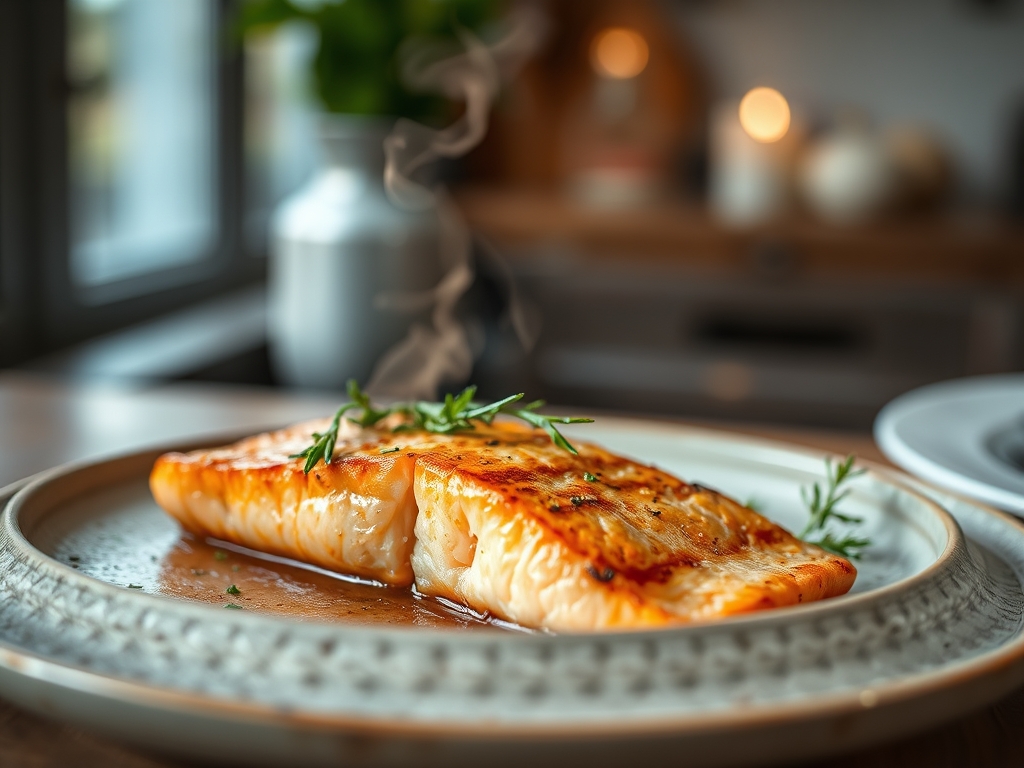
Picture this: a sun-drenched Sunday morning where the scent of lilies mingles with the sharp, piquant aroma of fresh lemon zest and cold-pressed olive oil. While tradition often leans toward heavy glazed hams, there is a sophisticated shift happening on modern holiday tables. Finding the perfect salmon recipes for easter is about more than just a main course; it is about presenting a vibrant, heart-healthy centerpiece that mirrors the rebirth of spring. We are moving away from the heavy, viscous sauces of winter and toward bright, herbaceous profiles that celebrate the delicate flake of a perfectly roasted fillet.
Salmon is the ultimate canvas for spring flavors because its high fat content, specifically those glorious omega-3 fatty acids, provides a rich mouthfeel that stands up to acidic glazes and crunchy crusts alike. Whether you are hosting a sprawling garden brunch or an intimate candlelit dinner, these six roast variations will elevate your hosting game to professional heights. We are talking about skin so crisp it crackles like parchment and flesh that yields to a fork with almost zero resistance. It is time to trade the heavy roasting pans for something lighter, fresher, and infinitely more elegant.
The Gathers:
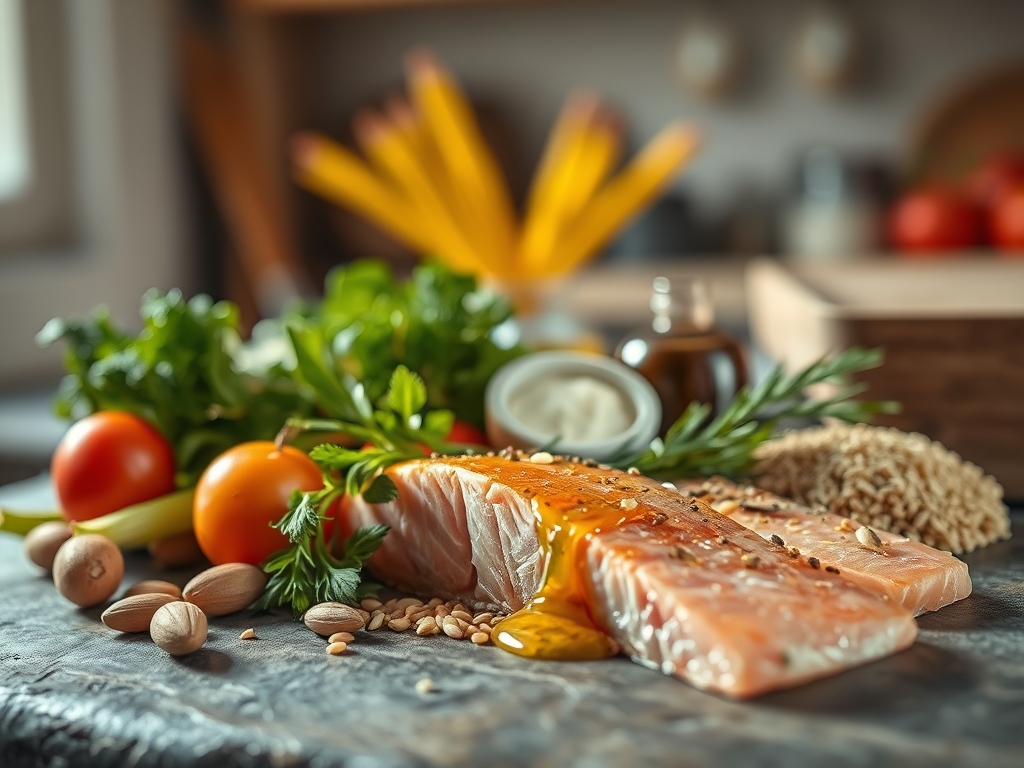
Before we ignite the burners, we must respect the mise-en-place. Your station should look like a laboratory of flavor. For these salmon recipes for easter, you will need a side of wild-caught King or Atlantic salmon, weighing roughly three to four pounds. Look for a deep coral hue and firm muscle fibers; any gaping in the flesh indicates poor handling.
Gather your aromatics: fresh dill, flat-leaf parsley, and chives. You will need a high-quality microplane to harvest the zest from three large lemons without hitting the bitter white pith. For the fats, keep a bottle of extra virgin olive oil and a block of unsalted European-style butter nearby. European butter has a lower water content, which is vital for achieving a stable emulsion in your sauces.
Smart Substitutions:
If you cannot find fresh dill, do not reach for the dried stuff; it tastes like dust. Instead, use fennel fronds for a similar anise-like profile. For those avoiding dairy, substituted ghee or a high-quality avocado oil. Avocado oil has a smoke point of 520 degrees Fahrenheit, making it an excellent choice if you plan to sear the skin before roasting. Use a digital scale to measure your salt; flaky sea salt occupies more volume than fine table salt, and precision is the difference between seasoned and salty.
The Clock
Efficiency in the kitchen is what separates a stressed host from a witty one. I call this the Chef's Flow. You should allocate 20 minutes for prep and exactly 15 to 22 minutes for the roast itself, depending on the thickness of the fillet.
The secret to a perfect timeline is the "temper period." Remove your salmon from the refrigerator 30 minutes before it hits the oven. If you put ice-cold fish into a hot environment, the exterior will overcook before the center reaches the target temperature. While the fish tempers, use your bench scraper to clear your workspace and prep your garnishes. This ensures that the moment the fish emerges from the heat, you are ready to plate and serve while the proteins are still succulent.
The Masterclass
1. The Foundation of Dry Brining
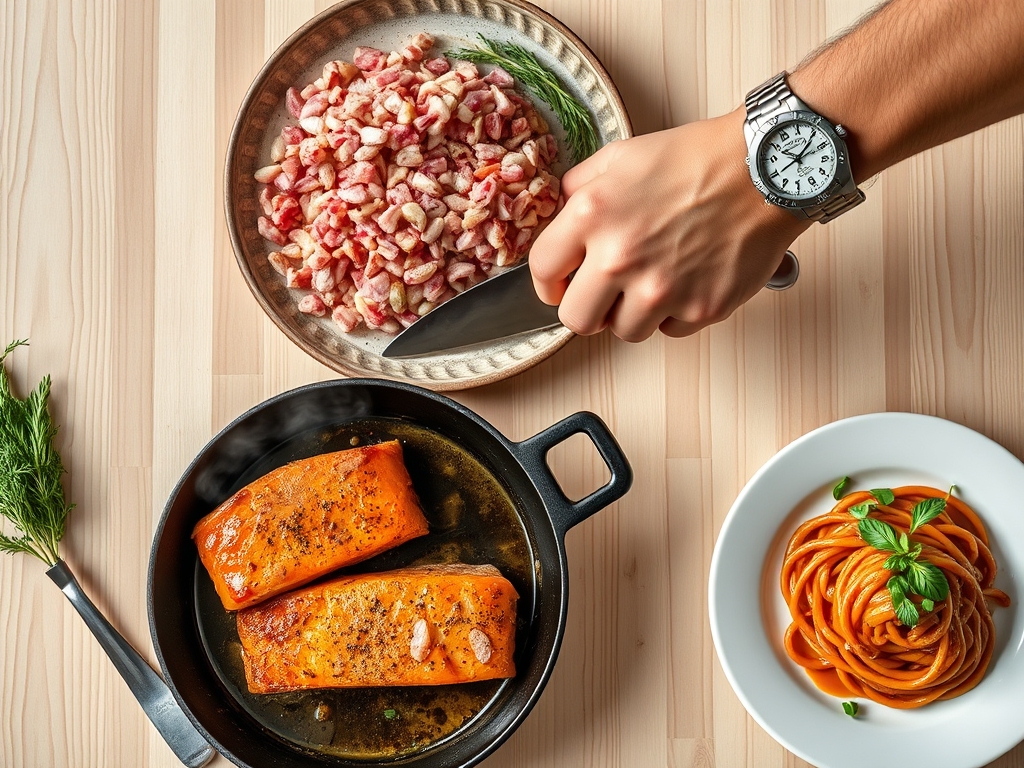
Start by patting the salmon bone-dry with paper towels. Moisture is the enemy of the Maillard reaction. Sprinkle a generous layer of kosher salt over the flesh and let it sit for 15 minutes.
Pro Tip: This process is called denaturation. The salt draws out moisture, dissolves into a concentrated brine, and is then reabsorbed into the muscle fibers. This seasons the fish deeply and helps the proteins retain moisture during the high-heat roasting process.
2. Infusing the Aromatics
Create a paste using your microplane to grate garlic and lemon zest into softened butter. Slather this over the fillet, ensuring an even coating. Use a saucier to lightly warm any honey or maple syrup if you are opting for a glazed variation; this reduces the viscosity so it spreads evenly.
Pro Tip: This is a form of fat-soluble infusion. The essential oils in the lemon zest and garlic are captured by the butter molecules, which then penetrate the porous surface of the fish as the heat rises.
3. The Precision Roast
Place the salmon on a parchment-lined baking sheet. Slide it into a 400-degree Fahrenheit oven. If you are using a heavy-bottomed skillet, you can start on the stovetop to render the skin before transferring to the oven.
Pro Tip: Watch for the appearance of albumin, that white protein that bubbles to the surface. To minimize this, cook the fish to an internal temperature of 125 degrees Fahrenheit for medium-rare. Thermal carryover will continue to raise the temperature by 5 degrees once it is removed from the oven.
4. The Acidic Finish
Once the salmon is out, immediately hit it with a squeeze of fresh lemon juice or a splash of dry white wine. This deglazes the surface proteins and creates a light, instant sauce.
Pro Tip: Acid acts as a chemical balance to the heavy fats in the salmon. It brightens the flavor profile by stimulating the salivary glands, making the rich fish feel lighter on the palate.
The Deep Dive
From a nutritional standpoint, salmon is a powerhouse. A six-ounce serving provides roughly 34 grams of high-quality protein and a significant dose of Vitamin D. For those on specific diets, salmon is naturally Keto and Gluten-Free. To make it Vegan-friendly for guests, use the same aromatic rubs on thick slabs of cauliflower or "steaks" made from king oyster mushrooms.
The Fix-It:
- White Gunk (Albumin): If too much white protein appears, your heat is too high. Fix it by gently brushing it off with a pastry brush dipped in melted butter.
- Soggy Skin: This happens due to trapped steam. Fix it by placing the fish on a wire rack over the baking sheet to allow 360-degree air circulation.
- Dry Edges: The tail end cooks faster. Fix it by folding the thin tail underneath itself to create a uniform thickness across the entire fillet.
Meal Prep Science:
If you have leftovers, do not use the microwave. The electromagnetic waves agitate water molecules too violently, toughening the delicate fish. Instead, flake the cold salmon into a salad or gently reheat it in a saucier with a tablespoon of water or broth over low heat to create a gentle steam environment.
The Wrap-Up
Hosting Easter should be as effortless as the spring breeze. By focusing on the science of heat transfer and the chemistry of aromatics, you turn a simple piece of seafood into a culinary masterpiece. These salmon recipes for easter are designed to impress without tethering you to the stove all morning. Grab your tongs, trust your digital thermometer, and get ready to serve a roast that your family will be talking about until next April.
The Kitchen Table
How do I prevent salmon from sticking to the pan?
Always start with a cold-pressed oil and a preheated pan. Ensure the fish is room temperature and bone-dry. Use a flexible metal spatula to gently test the edges; if it resists, the proteins haven't fully released yet.
What is the best way to tell if salmon is done?
Use a digital thermometer to check the thickest part of the fillet. Aim for 125°F for medium-rare or 135°F for medium. The flesh should be opaque and flake easily when pressed with a fork.
Can I prep the salmon the night before?
You can zest the lemons and chop herbs ahead of time. However, do not salt the fish more than 30 minutes before cooking, or the salt will cure the salmon, changing the texture from flaky to slightly rubbery.
Why is my salmon skin not getting crispy?
The main culprit is residual moisture. Pat the skin with paper towels until it feels like parchment. Roasting on a preheated sheet pan or using a cast-iron skillet provides the direct conductive heat necessary for a perfect crunch.