
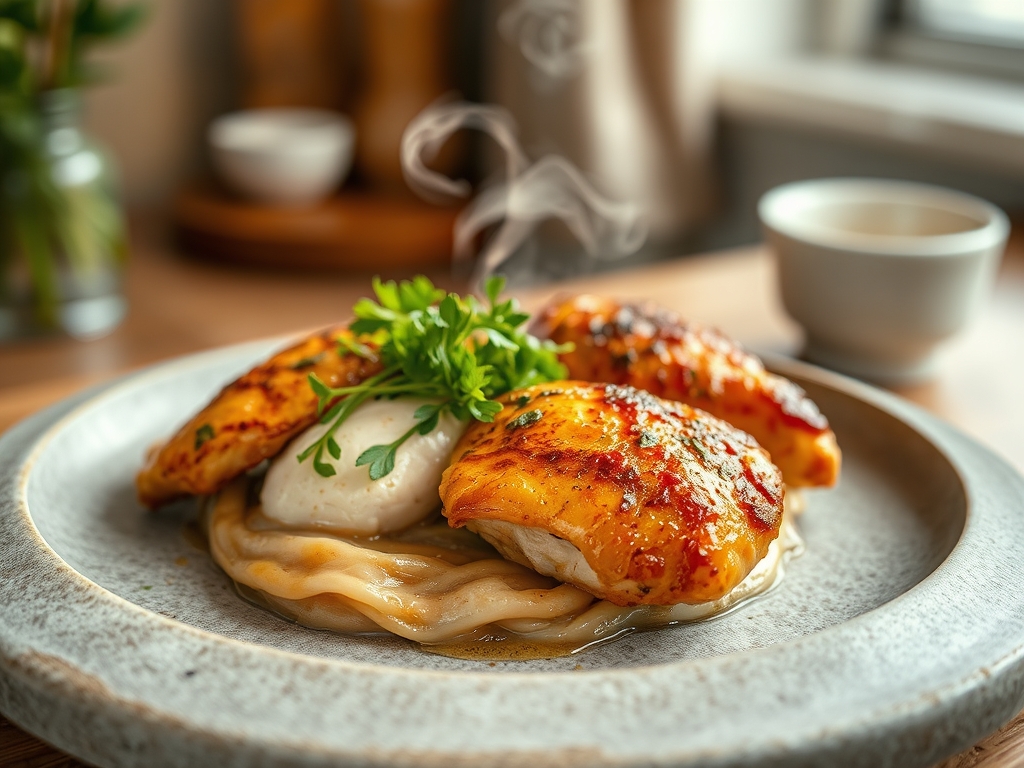
Imagine the scent of searing poultry hitting a hot heavy-bottomed skillet; it is that unmistakable chemical transition where amino acids and reducing sugars collide. We are talking about the Maillard reaction, the holy grail of flavor that turns a bland protein into a golden masterpiece. When you are hunting for chicken recipes lunch options, you do not just want fuel; you want a sensory experience that fits into a thirty-minute window. We are moving past the dry, rubbery meal prep of yesteryear and leaning into techniques that preserve cellular moisture while maximizing crust development. Whether you are tossing a piquant citrus dressing over grilled strips or folding tender shredded thighs into a creamy, aerated salad, the goal is efficiency without sacrificing the soul of the dish. This is where high-heat searing meets delicate emulsification to create the ultimate midday recharge.
The Gathers:
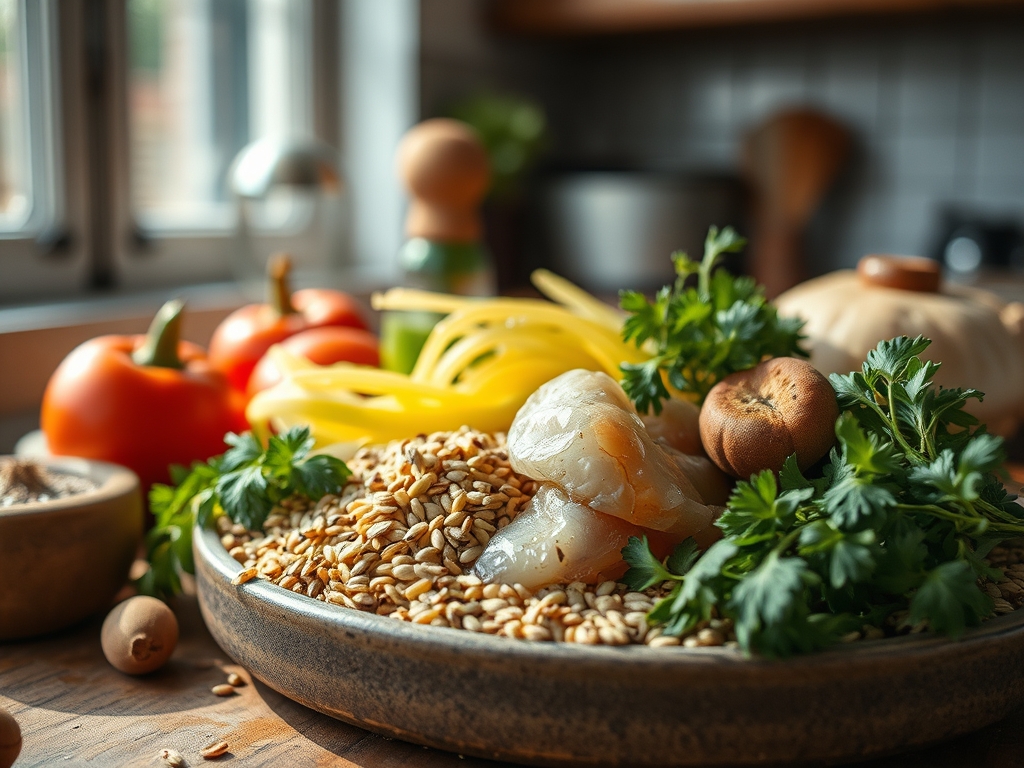
To execute these chicken recipes lunch favorites, your mise-en-place must be precise. Start with high-quality poultry; organic, air-chilled breasts or thighs offer a superior texture because they haven't been "plumped" with excess water that leaches out during cooking. You will need a viscous fat source like avocado oil or clarified butter, both of which possess high smoke points to prevent acrid carbonization. Gather your aromatics: fresh cloves of garlic to be crushed with a bench scraper, ginger for a zesty bite, and bright herbs like cilantro or chives to infuse freshness at the finish.
Smart Substitutions:
If you are out of fresh citrus, a splash of white balsamic vinegar provides a similar acidic profile to brighten the dish. If you find your pantry lacks heavy cream for a pan sauce, a dollop of Greek yogurt or a splash of coconut milk can achieve that same mouthfeel. For those avoiding grains, swap traditional wraps for sturdy butter lettuce leaves or thinly sliced jicama shells to maintain that satisfying crunch.
The Clock:
Mastering the "Chef's Flow" is the difference between a frantic kitchen and a seamless lunch. Total active time for these recipes ranges from 10 to 15 minutes, with a total "plate-to-mouth" duration of 25 minutes. The secret is overlapping tasks. While your chicken is undergoing thermal transformation in the skillet, use your microplane to zest citrus and grate garlic directly into your mixing bowl. This "parallel processing" ensures that by the time the meat is resting, your dressings and garnishes are fully integrated. Never skip the five-minute rest period; this allows the muscle fibers to relax and reabsorb the internal juices, ensuring every bite is succulent rather than parched.
The Masterclass:
1. The Perfect Sear
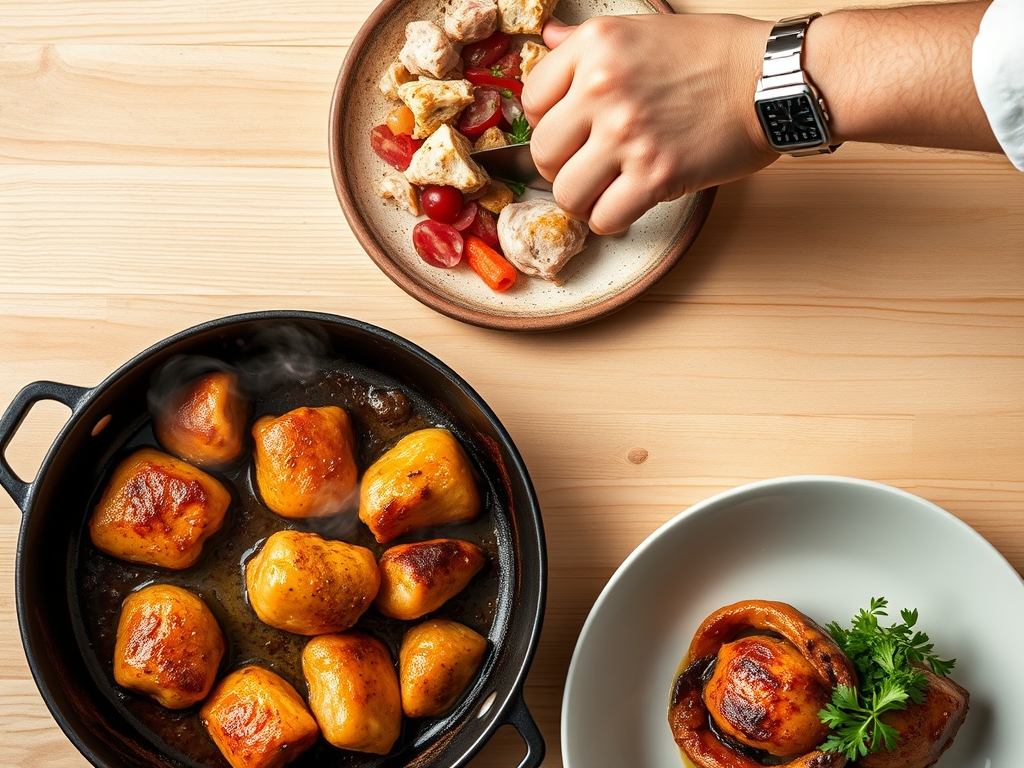
Place your chicken on a paper towel and pat it completely dry before seasoning. Moisture is the enemy of the crust; any surface water will turn to steam and prevent browning. Heat your skillet until the oil shimmers, then lay the chicken away from you to avoid splashes.
Pro Tip: This is the science of surface evaporation. By removing surface moisture, you allow the temperature to rise above 300 degrees Fahrenheit immediately, triggering the Maillard reaction rather than boiling the meat in its own juices.
2. The Deglaze and Emulsify
Once the chicken is removed, you will see brown bits stuck to the pan. This is "fond," and it is concentrated flavor. Pour in a splash of stock or wine and use a wooden spoon to scrape it up. Whisk in a cold pat of butter or a spoonful of mustard to create a stable emulsion.
Pro Tip: Use a saucier for this step if possible. The rounded bottom allows your whisk to reach every edge, preventing the sauce from breaking. This creates a colloidal suspension where fat and water-based liquids stay unified.
3. The Quick Shred
For salads or wraps, use two forks or a stand mixer with the paddle attachment to shred warm chicken thighs. Thighs contain more connective tissue (collagen) than breasts, which breaks down into gelatin, providing a silky texture even when cold.
Pro Tip: Shredding while the meat is warm utilizes thermal kinetic energy, making the muscle fibers easier to separate. As the meat cools, the gelatin sets, locking in the moisture.
4. The Aromatics Infusion
Instead of tossing raw garlic into a cold bowl, flash-fry your spices and aromatics in a tablespoon of oil for 30 seconds. This "blooming" process releases fat-soluble volatile compounds that wouldn't otherwise reach your taste buds.
Pro Tip: This is lipid-mediated extraction. Many flavor compounds in spices like cumin or paprika are hydrophobic, meaning they need fat to carry their scent and taste to your palate.
5. The Acid Balance
Before serving, always finish with a "brightener." A squeeze of lime or a dash of apple cider vinegar cuts through the richness of the chicken and fats, creates a balanced pH on the tongue, and makes the flavors "pop."
Pro Tip: Acid acts as a flavor enhancer by stimulating the salivary glands. This increased salivation helps distribute flavor molecules across the gustatory cells more effectively.
6. The Resting Phase
Transfer your cooked chicken to a cutting board and wait. If you slice into it immediately, the internal pressure will force all the liquid out, leaving you with a dry lunch.
Pro Tip: This is carryover cooking. The internal temperature will continue to rise by 5 to 10 degrees even after the heat source is removed. Resting allows the protein structure to stabilize.
The Deep Dive:
From a macro perspective, chicken is a lean protein powerhouse, typically offering 25 to 30 grams of protein per 4-ounce serving with minimal fat if you opt for the breast. For those on a Keto path, keep the skin on to increase healthy fats; for Vegan friends, high-protein chickpeas or seitan can be treated with these exact same searing and deglazing techniques.
The Fix-It:
- Rubbery Chicken: This usually means it was overcooked. Use a digital thermometer to pull the meat at 160 degrees Fahrenheit; carryover cooking will bring it to the safe 165 mark.
- Broken Sauce: If your pan sauce looks oily and separated, whisk in a teaspoon of warm water or a bit of lecithin-rich mustard to re-emulsify the mixture.
- Bland Flavor: You likely under-salted. Salt doesn't just add "saltiness"; it unlocks the natural savory notes of the meat. Season from a height to ensure even distribution.
Meal Prep Reheating: To maintain "day-one" quality, avoid the microwave if possible. Instead, splash a little water or stock into a pan, add the chicken, and cover it with a lid. This creates a steam chamber that rehydrates the fibers without toughening them.
The Wrap-Up:
Creating world-class chicken recipes lunch doesn't require a culinary degree; it just requires a little respect for the physics of the pan. By focusing on the sear, the rest, and the final acidic balance, you transform a standard Tuesday meal into a restaurant-quality event. Grab your tongs, trust your digital scale, and remember that the best lunches are the ones where science and flavor shake hands. You have the tools and the technique; now go make something delicious.
The Kitchen Table:
How do I keep chicken breast from getting dry?
The secret is the "dry brine" and temperature control. Salt the meat 30 minutes before cooking to help cells retain moisture. Always use a digital thermometer to stop cooking at 160 degrees Fahrenheit to avoid fiber contraction.
Can I use frozen chicken for these recipes?
Yes, but you must thaw it completely in the refrigerator first. Cooking from frozen prevents the Maillard reaction because the surface stays too wet, resulting in a rubbery texture and uneven internal temperatures.
What is the best way to store leftovers?
Place chicken in an airtight glass container within two hours of cooking. Glass is non-porous and won't retain odors. It stays fresh for up to four days, making it the perfect candidate for efficient meal prepping.
Why does my chicken stick to the pan?
You are likely trying to flip it too early. Protein undergoes "release" once the crust has properly formed. If it sticks, wait another 60 seconds; the meat will naturally detach from the metal once the sear is complete.