
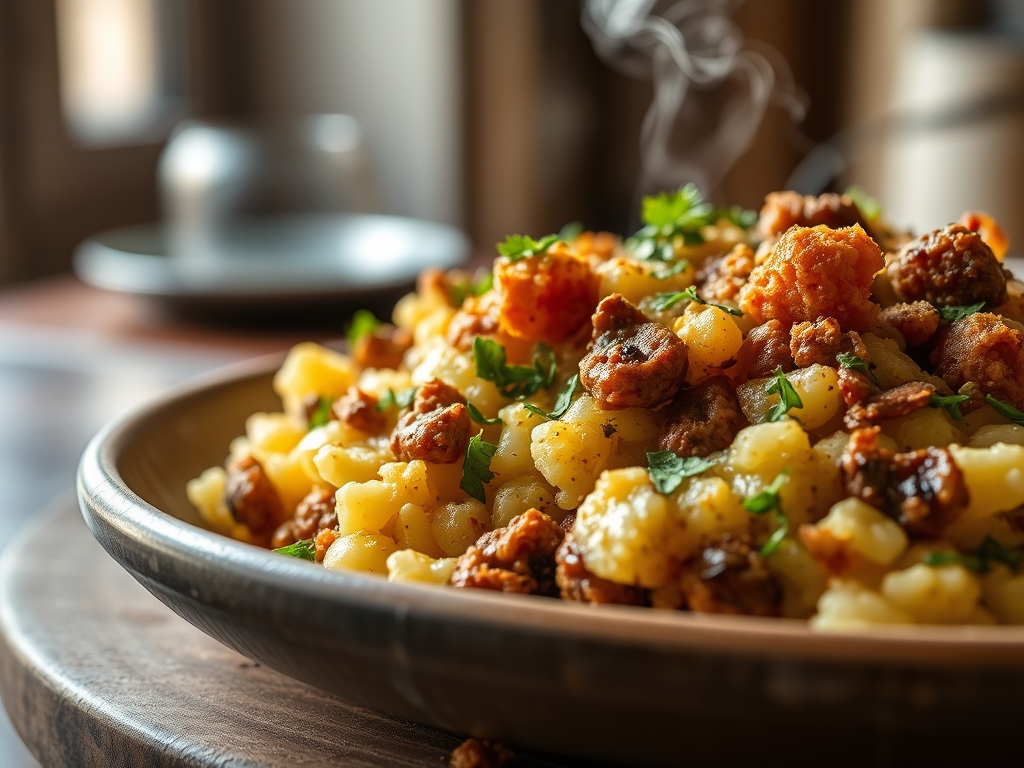
Imagine the sound of a heavy-bottomed skillet meeting the flame; it is the opening chord of a comfort food symphony. There is a specific, primal joy in the scent of rendering beef fat mingling with the earthy, starchy promise of potatoes. If you are hunting for hash brown casserole with ground beef recipes, you are likely seeking that perfect intersection of midweek efficiency and Sunday-night soul. This is not just a dump-and-bake affair. We are talking about building layers of flavor through precise Maillard reactions and emulsified sauces that cling to every golden shred of potato. It is the ultimate culinary hug, engineered for maximum satisfaction and minimum cleanup.
When we talk about these casseroles, we are discussing the architecture of texture. You want the bottom to be a sturdy, savory foundation of seasoned protein, while the top transforms into a shattered-glass crust of crisped hash browns. By understanding the chemistry of how starch interacts with dairy, we can elevate a simple family staple into a gourmet experience that feels both nostalgic and sophisticated. Grab your apron; we are about to turn a few humble pantry staples into a masterpiece of heat and salt.
The Gathers:
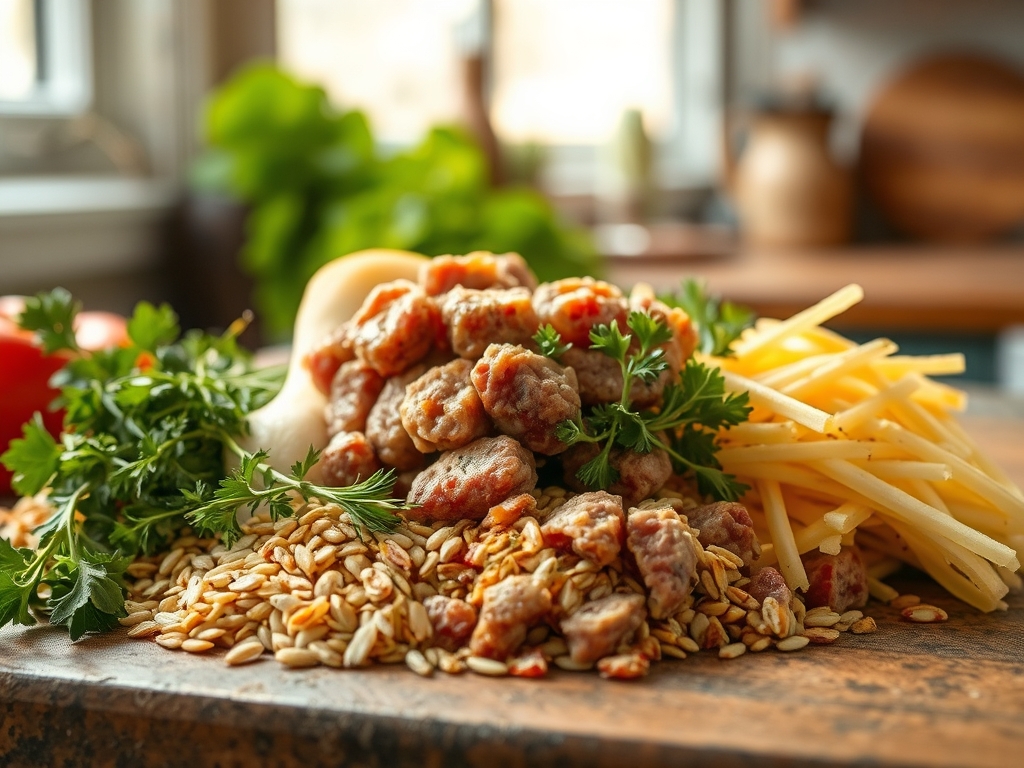
To execute these hash brown casserole with ground beef recipes with precision, your mise-en-place must be impeccable. Start with high-quality ground chuck, ideally an 80/20 blend. This ratio ensures enough fat to render and sauté your aromatics without the meat becoming desiccated. For the potatoes, frozen shredded hash browns are actually superior to fresh in this context; the factory blanching process removes excess surface starch, preventing the casserole from becoming a gummy, viscous mess.
Your dairy component acts as the binder. A combination of sharp cheddar, sour cream, and a concentrated cream base creates a stable emulsion. Use a microplane to zest a bit of fresh garlic or even a hint of nutmeg into the sauce; it adds a piquant depth that cuts through the richness. If you are looking for smart substitutions, Greek yogurt offers a tangy, high-protein alternative to sour cream, while ground turkey or bison can replace beef if you desire a leaner profile. Always keep a digital scale handy to ensure your ratios are exact, as too much liquid will compromise the structural integrity of the potato crust.
The Clock:
Efficiency in the kitchen is about mastering the Chef's Flow. Expect about 15 minutes of active prep time and 45 to 50 minutes of passive oven time. The flow begins with the protein. While your oven preheats to a steady 375 degrees Fahrenheit, your heavy-bottomed skillet should already be warming.
The goal is to stagger your tasks so that by the time the beef is browned and the aromatics are translucent, your potato mixture is seasoned and ready for assembly. This "parallel processing" ensures that the heat from the beef begins to soften the frozen hash browns immediately upon contact, reducing the overall thermal load the oven must handle. This technique shaves minutes off the total bake time and ensures a more even heat distribution throughout the dish.
The Masterclass:
1. Searing the Protein Foundation
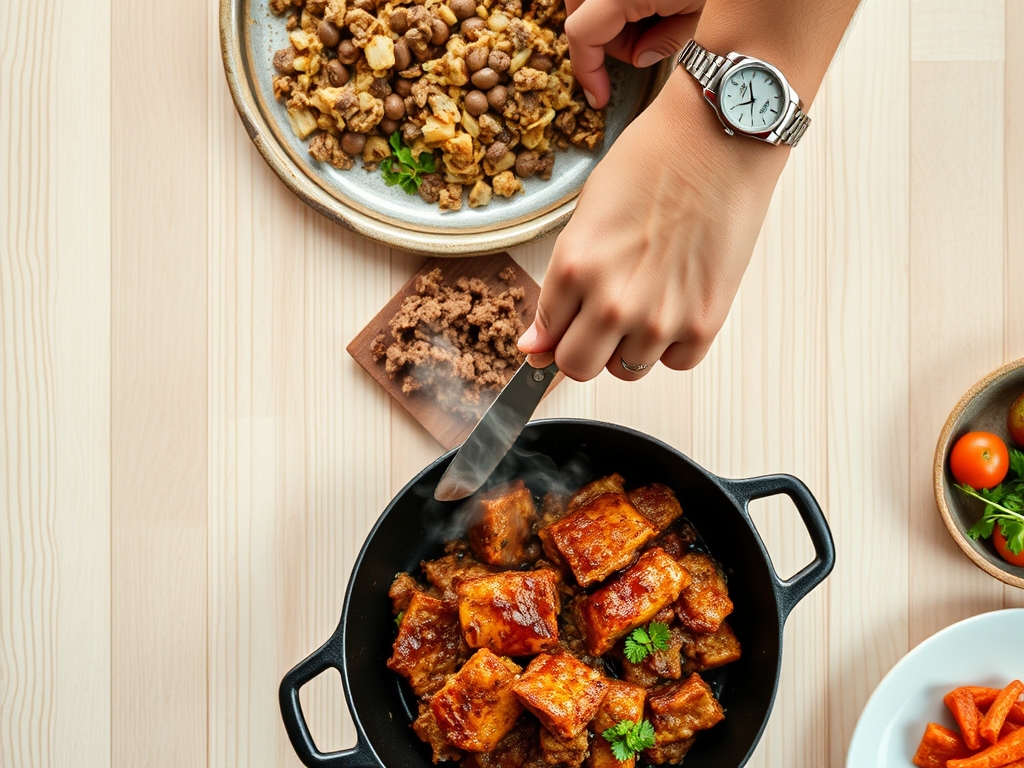
Begin by browning your ground beef in a skillet over medium-high heat. Use a bench scraper or a sturdy spatula to break the meat into uniform crumbles. Do not crowd the pan; you want a sear, not a steam. Once the meat is browned, use tongs to remove any large pieces of gristle.
Pro Tip: This stage relies on the Maillard reaction, a chemical dance between amino acids and reducing sugars. By letting the meat develop a deep brown crust, you create complex flavor compounds that a simple "grey" cook cannot achieve.
2. Deglazing and Infusing Aromatics
After removing the excess fat, add diced onions and peppers to the pan. Use a splash of beef stock or dry sherry to deglaze the bottom of the skillet, scraping up the "fond" (those flavorful brown bits).
Pro Tip: Deglazing is a thermal shock process that releases concentrated flavor molecules back into the sauce. It prevents the aromatics from burning while ensuring every ounce of beef essence is integrated into the final dish.
3. Creating the Emulsified Binder
In a large saucier or mixing bowl, whisk together your sour cream, condensed soup (or homemade veloute), and spices. Slowly fold in half of your shredded cheese until the mixture is thick and glossy.
Pro Tip: This creates a stable emulsion. The fats in the cheese and sour cream are suspended in the liquid base, which prevents the sauce from breaking or becoming oily under the high heat of the oven.
4. The Folding Process
Gently fold the frozen hash browns into the sauce mixture. Use a large silicone spatula to ensure every shred is coated. This prevents the potatoes from oxidizing and ensures a uniform texture.
Pro Tip: Keeping the potatoes frozen during this step prevents enzymatic browning. The cold temperature delays the phenols in the potato from reacting with oxygen, keeping your casserole bright and appetizing.
5. Assembly and Layering
Spread the beef mixture into a greased 9×13 baking dish, then top with the potato mixture. Smooth the top with an offset spatula to ensure even heat penetration.
Pro Tip: Surface area is your friend here. By smoothing the top, you create a flat plane for evaporative cooling to occur, which eventually gives way to the intense dry heat required for a crispy crust.
6. The Final Bake and Rest
Bake until the edges are bubbling and the top is a deep mahogany gold. Once removed from the oven, let the casserole sit for at least 10 minutes before slicing.
Pro Tip: This resting period allows for thermal carryover. The internal temperature will continue to rise slightly, setting the proteins and starches so the casserole holds its shape when served.
The Deep Dive:
From a nutritional standpoint, these hash brown casserole with ground beef recipes are powerhouses of satiety. A standard serving provides a balanced mix of complex carbohydrates, fats, and roughly 25 grams of protein. To make this Keto-friendly, simply swap the hash browns for riced cauliflower and use a heavy cream reduction instead of condensed soup. For a Gluten-Free version, ensure your binder is thickened with cornstarch or a gluten-free flour blend.
If you encounter a "soggy" casserole, the culprit is usually excess moisture in the vegetables or meat. The "Fix-It" is simple: always drain your beef thoroughly and sauté your onions until they have released their water content. For meal prep, this dish is a dream. The starch in the potatoes actually benefits from a cooling cycle, which creates resistant starch. When reheating, use an oven or air fryer rather than a microwave to maintain that "day-one" crispness; the dry heat re-activates the fats in the topping for a perfect crunch.
The Wrap-Up:
Mastering hash brown casserole with ground beef recipes is about more than just following a list of ingredients; it is about respecting the science of the skillet. By focusing on the Maillard reaction, maintaining stable emulsions, and allowing for proper resting times, you transform a humble dish into a culinary triumph. Whether you are feeding a crowd or prepping for a busy week, these techniques ensure a result that is consistently delicious, textured, and deeply satisfying. Now, go forth and get that golden crust!
The Kitchen Table:
How do I prevent my hash brown casserole from being oily?
Always drain the rendered fat from your ground beef before mixing it with the potatoes. Additionally, ensure your dairy binder is well-emulsified; using full-fat sour cream helps stabilize the fats so they do not separate during the baking process.
Can I use fresh potatoes instead of frozen hash browns?
Yes, but you must grate them and then squeeze out every drop of excess moisture using a kitchen towel. Fresh potatoes contain high levels of surface starch and water, which can make the casserole gummy if not properly prepped and dried.
What is the best way to reheat leftovers without losing the crunch?
Avoid the microwave if possible. Instead, place a portion in an air fryer at 350 degrees for five minutes or in a conventional oven. This dry heat re-crisps the potato topping while gently warming the savory beef center to perfection.
Can I assemble this casserole a day in advance?
Absolutely. Assemble the layers, cover tightly with foil, and refrigerate. When ready to bake, add about ten minutes to the total cook time to account for the cold starting temperature. This allows the flavors to meld beautifully before the final bake.