
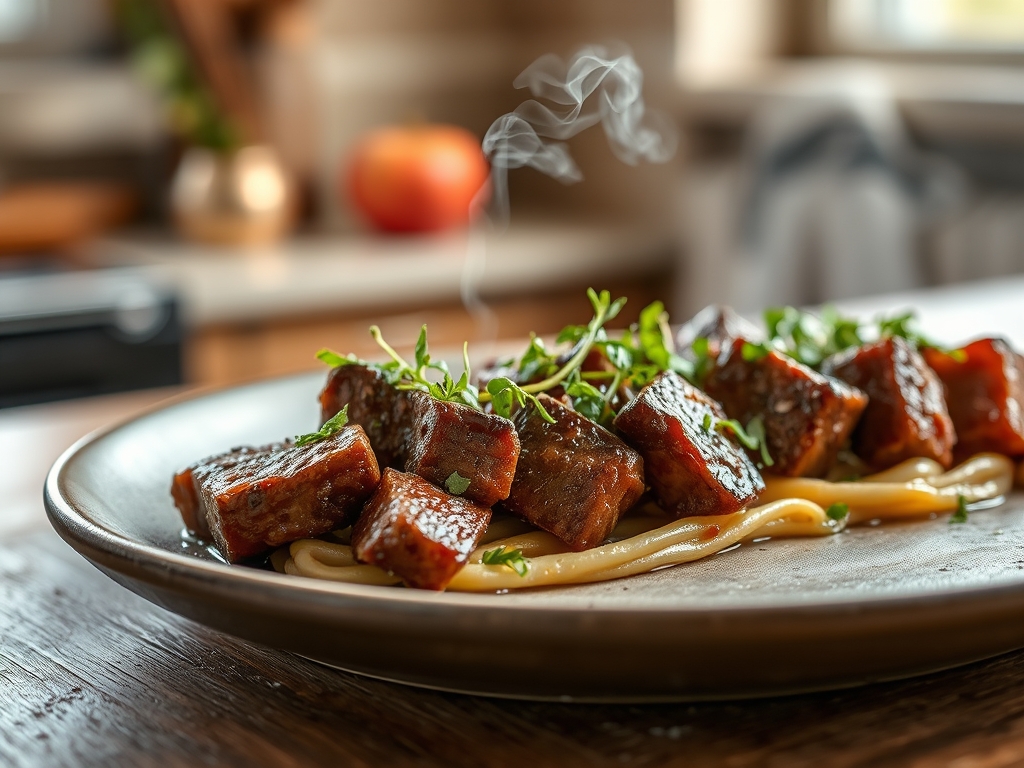
Picture the sizzle of a heavy-bottomed skillet as a ruby-red patty hits the surface; the aroma of searing protein fills the air, and for a moment, you forget you are working with plants. Mastering impossible beef recipes is not just about following a set of instructions; it is about manipulating molecular structures to mimic the nostalgic experience of a classic steakhouse.
This is where the magic of food science meets the art of the home cook. We are moving beyond the basic frozen burger and entering the realm of gourmet execution. Whether you are aiming for a crispy, lacy edge on a smash burger or a succulent, tender crumb in a meatloaf, the secret lies in heat management and moisture control. By the time we finish, you will treat this plant-based protein with the same reverence and technical precision as a prime cut of wagyu. Grab your digital scale and your favorite apron; we are about to rewrite the rules of the modern kitchen.
The Gathers:
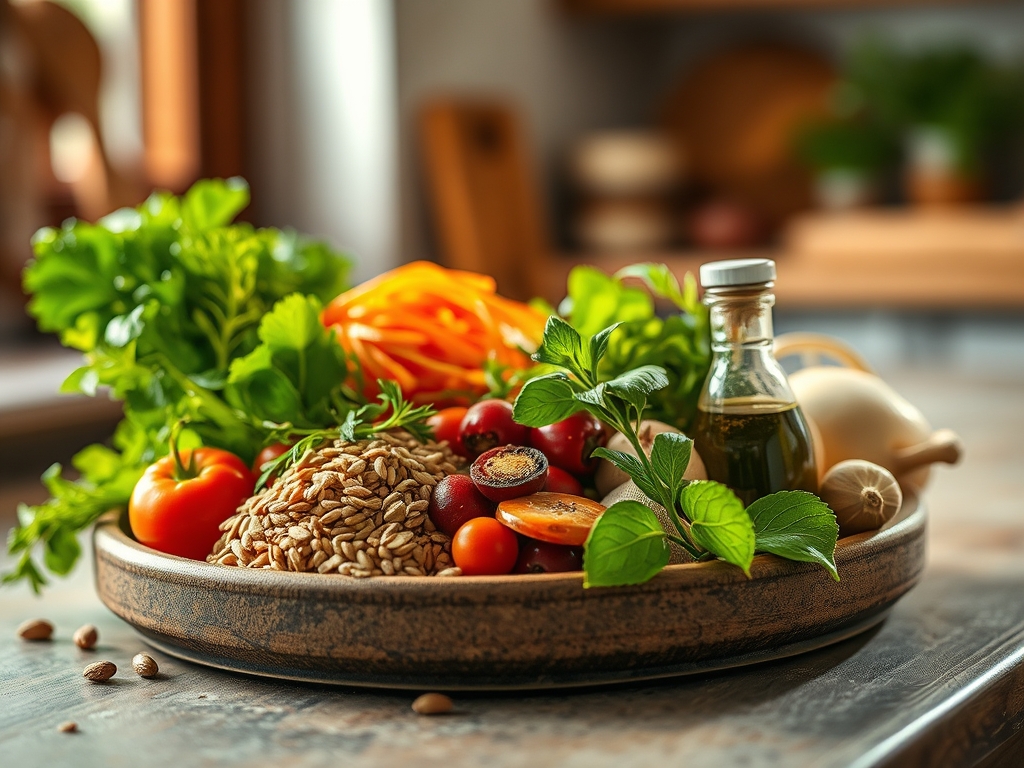
To achieve professional results, your mise-en-place must be impeccable. Start with high-quality Impossible Beef, which relies on soy leghemoglobin to provide that distinct, metallic "bloody" flavor. Because this product contains coconut and sunflower oils, it behaves like a high-fat ground chuck. You will need a microplane for zesting aromatics, a bench scraper for portioning, and a saucier if you plan on creating a rich, emulsified gravy.
Smart Substitutions: If you are looking to deepen the umami profile without adding excess sodium, swap traditional salt for a teaspoon of white miso paste or a splash of liquid aminos. To replace the binding power of eggs in a vegan application, use a "flax egg" or a pinch of methylcellulose, which provides a firm set when heated. Always keep a bottle of neutral, high-smoke-point oil like avocado oil nearby; butter will burn before you reach the temperatures necessary for a proper crust.
The Clock
Efficiency in the kitchen is governed by the Chef's Flow, a sequence that prioritizes temperature stability. Your prep time should take approximately 15 minutes, focusing on dicing aromatics to a uniform size to ensure even cooking. The actual cook time varies by application, but a standard sear takes roughly 3 to 4 minutes per side.
The most critical "time" factor is the rest period. Unlike animal protein, which requires a long rest to allow muscle fibers to relax, plant-based beef needs just 2 to 3 minutes to allow the fats to re-solidify slightly. This ensures the juices stay within the "meat" rather than bleeding out onto the plate. Plan for a total "door-to-table" time of 30 minutes for most impossible beef recipes.
The Masterclass:
1. Tempering the Protein
Before the protein ever touches the pan, take it out of the refrigerator for 10 minutes. While you should not let it reach room temperature for safety reasons, taking the chill off prevents the pan temperature from plummeting upon contact.
Pro Tip: This is about thermal equilibrium. If the center is ice-cold, the exterior will overcook and become dry before the middle reaches the safe internal temperature of 160 degrees Fahrenheit.
2. The Power of the Sear
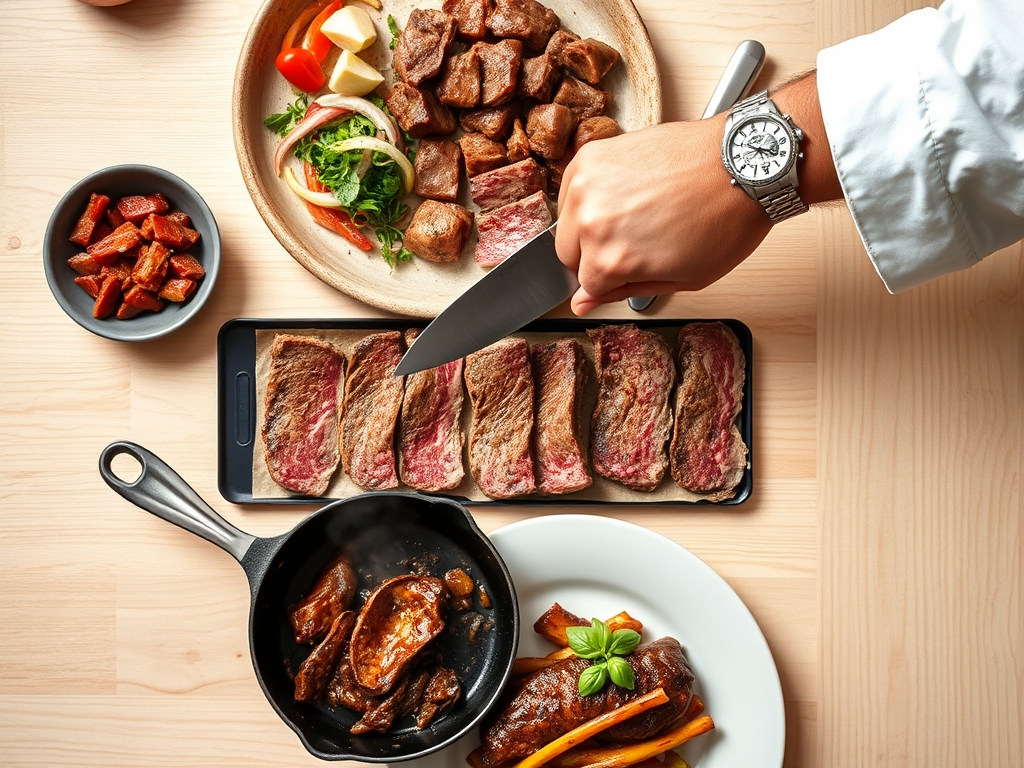
Use a cast-iron or stainless steel skillet. Avoid non-stick pans if you want a crust. Place the meat into a ripping hot pan and do not move it for at least 120 seconds.
Pro Tip: This triggers the Maillard Reaction, a chemical reaction between amino acids and reducing sugars that gives browned food its distinctive flavor. Moving the meat too early prevents this crust from forming.
3. Deglazing for Depth
Once you have browned your crumbles or patties, you will notice brown bits stuck to the bottom of the pan. Use a splash of red wine, vegetable stock, or even water to loosen them.
Pro Tip: This process is called deglazing. Those bits, known as "fond," contain concentrated flavor compounds that, when re-incorporated into a sauce, provide a piquant and complex finish.
4. Managing Fat Ratios
Impossible beef is engineered to "bleed" fat as it cooks. If you are making a sauce, you may need to drain a portion of this rendered fat or "aerate" it by whisking in a bit of flour to create a roux.
Pro Tip: The fat in plant-based beef is mostly coconut oil, which has a lower melting point than beef tallow. Managing the lipid suspension ensures your final dish feels rich rather than greasy.
5. Flavor Infusion
Because the base is neutral, it acts as a sponge. Add your dry spices (cumin, smoked paprika, garlic powder) directly to the fat in the pan rather than over the top of the meat.
Pro Tip: This is called blooming spices. The heat releases the fat-soluble volatile oils in the spices, intensifying their aroma and ensuring the flavor is distributed evenly throughout the dish.
6. The Gentle Fold
When mixing in binders or herbs, use a light touch. Overworking the "dough" will cause the fats to melt from the heat of your hands, resulting in a dense, rubbery texture.
Pro Tip: Maintaining the interstitial spaces between the protein granules allows for better heat penetration and a more tender "mouthfeel" that mimics traditional ground beef.
7. Precise Temperature Control
Use a digital probe thermometer. While traditional beef can be served rare, impossible beef is best enjoyed when it hits exactly 160 degrees Fahrenheit.
Pro Tip: This ensures the plant proteins have fully denatured and the starches have hydrated, providing the optimal texture. Watch out for thermal carryover, where the temperature rises 5 degrees after removal from heat.
8. Acid Balancing
At the very end of cooking, add a squeeze of lemon juice or a teaspoon of apple cider vinegar. This cuts through the richness of the plant fats.
Pro Tip: Acid acts as a palate cleanser, brightening the heavy umami notes and making the flavors "pop" by stimulating the salivary glands.
9. Resting for Retention
Transfer your cooked meat to a warm plate and tent it loosely with foil. Let it sit for three minutes before serving or slicing.
Pro Tip: This allows the viscous oils to thicken slightly, which traps the moisture within the protein matrix. If you cut into it immediately, the "juice" will run out, leaving the meat dry.
The Deep Dive
When it comes to Macro Nutrition, Impossible Beef is a powerhouse, offering roughly 19 grams of protein per 4-ounce serving, comparable to 80/20 ground beef. It contains 0mg of cholesterol but is higher in sodium than unseasoned animal meat, so adjust your salt additions accordingly.
For Dietary Swaps, this protein is naturally gluten-free. To keep it Keto, avoid using breadcrumbs as a binder; instead, use crushed pork rinds or almond flour. For a strictly vegan preparation, ensure your toppings and buns do not contain honey, dairy, or eggs.
The Fix-It:
- Problem: The meat is sticking. Fix: Your pan wasn't hot enough. Next time, wait for the oil to shimmer or "whisper" smoke before adding the protein.
- Problem: The texture is mushy. Fix: You likely overcrowded the pan. Cook in batches to allow steam to escape; otherwise, you are boiling the meat rather than searing it.
- Problem: It tastes "earthy." Fix: Increase your aromatics. Use a heavy hand with onions, garlic, and black pepper to balance the soy base.
Meal Prep: To maintain "day-one" quality, store leftovers in an airtight container with a damp paper towel. When reheating, use a microwave on 50% power or a low-heat skillet with a tablespoon of water to create steam, which prevents the proteins from becoming tough.
The Wrap-Up
Transitioning to impossible beef recipes is a thrilling way to modernize your culinary repertoire without sacrificing the flavors you love. By understanding the science of the Maillard reaction, the importance of lipid management, and the precision of thermal carryover, you are no longer just "cooking a substitute." You are engineering a masterpiece. Go forth, experiment with your tongs and skillets, and remember that in the kitchen, curiosity is your best ingredient.
The Kitchen Table
Can I cook Impossible Beef from frozen?
Yes, but for the best sear, thaw it in the refrigerator overnight. Cooking from frozen often leads to excess moisture release, which prevents the formation of a crispy, flavorful crust and results in a steamed texture.
How do I stop it from smelling like soy?
The "plant" aroma dissipates during the searing process. Use high heat to brown the exterior thoroughly and incorporate bold aromatics like sautéed onions, garlic, or a splash of Worcestershire sauce to mask any lingering base notes.
Is Impossible Beef healthier than cow beef?
It contains similar protein and calorie counts but zero cholesterol. However, it is a processed food with higher sodium levels. It is an excellent alternative for heart health regarding cholesterol, but monitor your overall salt intake.
What is the best binder for Impossible meatballs?
A mixture of panko breadcrumbs and a small amount of cold water or plant milk works perfectly. Because the "meat" is already quite moist, you need less liquid than traditional recipes to achieve a firm, bouncy texture.