
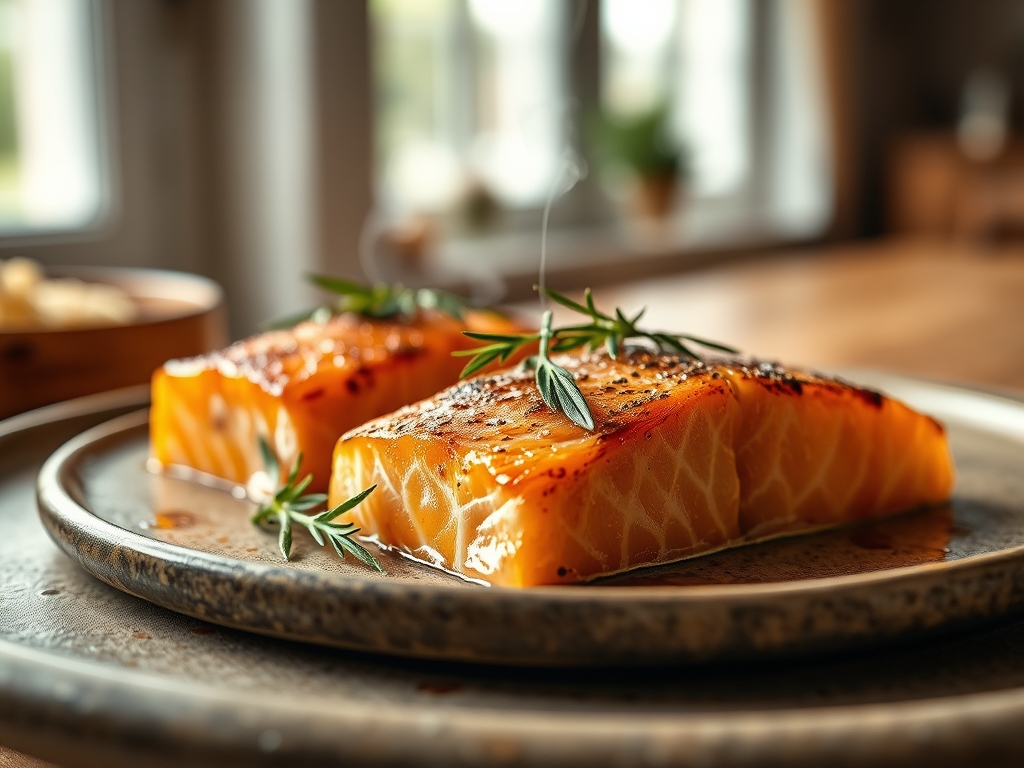
Close your eyes and imagine the Pacific Northwest air on a crisp morning; it is thick with the scent of alder wood and salt spray. That specific, intoxicating aroma is the hallmark of the Pacific Northwest smokehouse tradition. When you dive into authentic little chief smoked salmon recipes, you are not just cooking a fish; you are engaging in a centuries-old preservation ritual that transforms raw protein into translucent, ruby-red candy. This process relies on the delicate balance of salt, sugar, and low-temperature convection. Most people treat smoking as a "set it and forget it" hobby, but we are going to treat it like the high-stakes chemistry it actually is. By controlling the surface humidity and the rate of smoke absorption, we can achieve a texture that is buttery on the inside with a firm, lacquered exterior. Whether you are using a classic top-load electric smoker or a modern front-loader, the secret lies in the preparation of the pellicle. This thin, tacky layer of proteins is the "glue" that holds the smoke flavor to the flesh. Without it, your smoke just slides off like water on a raincoat. We are going to build that flavor from the cellular level up.
The Gathers:
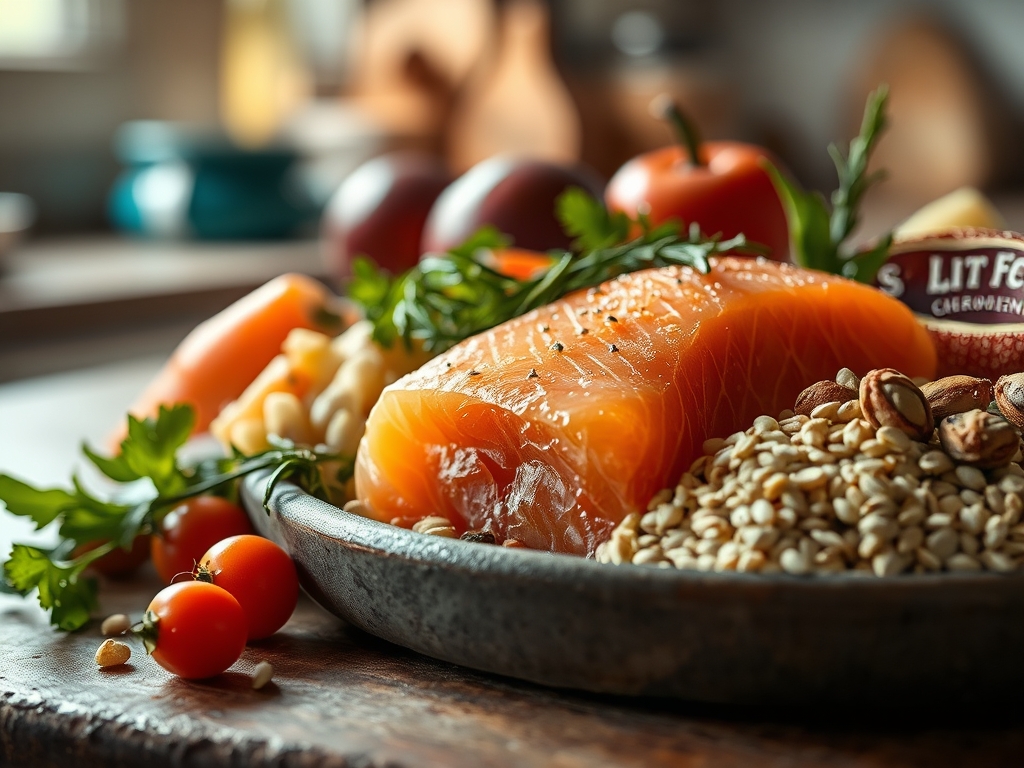
To begin this transformation, your mise-en-place must be precise. Start with a side of King or Sockeye salmon, preferably weighing between three and four pounds. You will need a digital scale to measure out 1 cup of non-iodized sea salt and 2 cups of dark brown sugar. The molasses in the dark brown sugar provides a more viscous brine and deeper caramelization than white sugar. You will also need 1 tablespoon of cracked black peppercorns and 2 teaspoons of garlic powder for a piquant kick.
For the equipment, gather a large non-reactive glass dish, a bench scraper to clean your workstation, and a microplane if you choose to add fresh ginger to your brine. Smart Substitutions: If you are watching your sodium, you can replace half the salt with a high-quality tamari, which adds umami via fermentation. If you lack alder chips, maple or applewood provides a similarly sweet, mild profile that will not overpower the delicate fats of the fish. Ensure your salmon is pin-boned using specialized fish tweezers to maintain the structural integrity of the fillet.
The Clock
The "Chef's Flow" for smoking is a marathon, not a sprint. Total active prep time is approximately 30 minutes, but the passive time is where the magic happens. You will need 8 to 12 hours for the dry brine to infuse the flesh and draw out excess moisture. Following the brine, a 2 to 4 hour air-drying phase is non-negotiable to develop the pellicle. The actual smoking process in a Little Chief usually takes between 6 and 10 hours, depending on the ambient outdoor temperature and the thickness of your fillets. Plan to start your brine the night before so you can hit the smoker by 8:00 AM for a dinner-time reveal.
The Masterclass
1. The Precision Brine Application
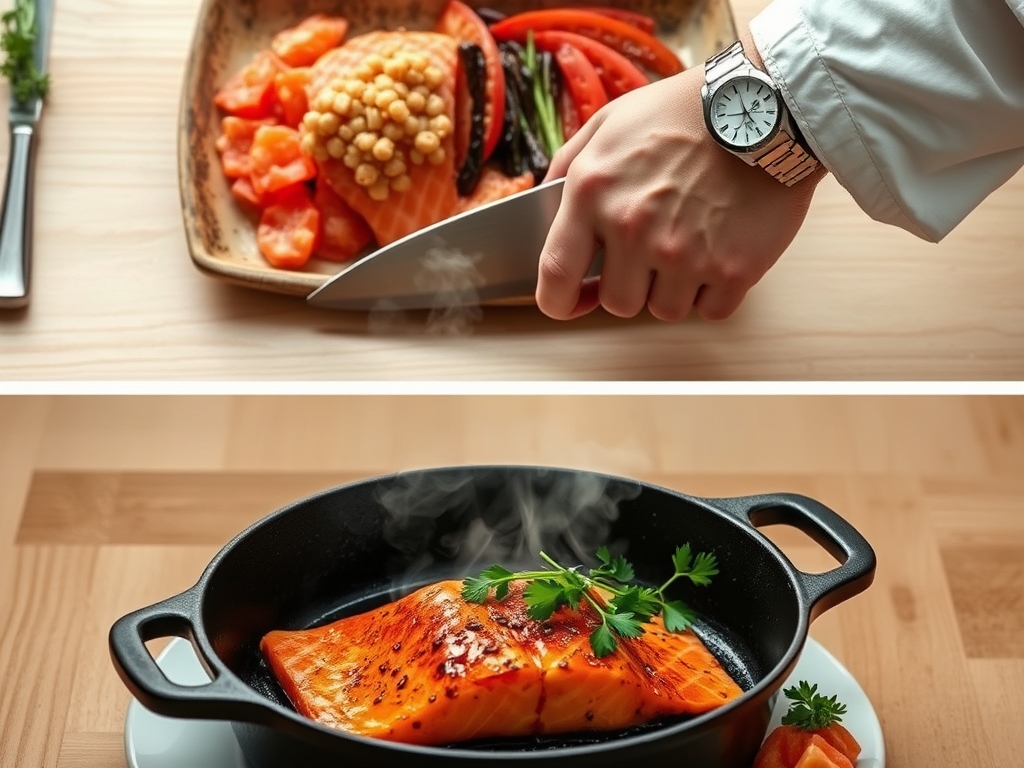
Lay your salmon on a clean surface and coat it heavily with your salt and sugar mixture. Use your hands to massage the cure into every fold of the flesh. Place the fish skin-side down in your glass dish and cover it tightly with plastic wrap.
Pro Tip: This step utilizes osmotic pressure. The salt draws moisture out of the salmon cells, creating a concentrated brine that then re-enters the fish, seasoning it deeply while denaturing the proteins to create a firmer texture.
2. The Cold Water Rinse
After 12 hours, remove the salmon from the dish. It should feel firm to the touch. Rinse it under a slow stream of cold water to remove excess surface salt. Pat it bone-dry with lint-free paper towels.
Pro Tip: Rinsing is vital to prevent a "salt crust" from forming. By removing the surface crystals, you allow the smoke to penetrate the interstitial spaces of the muscle fibers rather than getting blocked by a mineral barrier.
3. Developing the Pellicle
Place the salmon on your smoker racks and set them in a cool, breezy spot. Use a small electric fan to circulate air over the fish for at least two hours until the surface feels tacky and looks shiny.
Pro Tip: This is a form of evaporative cooling. The tacky surface, or pellicle, is a thin layer of proteins that have migrated to the surface. This layer is chemically designed to capture smoke particulates, ensuring a deep mahogany color.
4. Loading the Wood Pans
Fill your Little Chief wood pan with fine alder sawdust. Because these smokers operate at a consistent low wattage, you do not need to soak your wood. Slide the pan into the heating element area and ensure it is seated flush.
Pro Tip: Using dry sawdust allows for pyrolysis at lower temperatures. This creates a "clean" blue smoke rather than the heavy, bitter white smoke produced by wet wood, which can contain creosote.
5. Managing the Thermal Environment
Place your racks into the smoker, putting the thickest pieces on the bottom rack closest to the heat source. If it is a particularly cold day, use an insulation box or a heavy moving blanket (keeping it away from the vent) to maintain an internal temperature of 140 degrees Fahrenheit.
Pro Tip: Maintaining a low temperature prevents the albumin (that white, unappealing protein) from squeezing out of the fish. Slow heating keeps the fats intact and the texture succulent.
6. The Glaze Infusion
During the final two hours of smoking, use a saucier to warm a mixture of honey and bourbon. Use a silicone brush to lightly paint the salmon every 45 minutes.
Pro Tip: This adds a layer of complex carbohydrates that undergo a mild version of the Maillard reaction, even at low temperatures, enhancing the "gloss" and adding a sweet counterpoint to the salt.
7. The Internal Temp Check
Use a digital probe thermometer to check the thickest part of the fillet. You are looking for an internal temperature of 145 degrees Fahrenheit. Once reached, immediately remove the racks.
Pro Tip: Even at low heat, thermal carryover exists. The internal temperature will likely rise another 2 to 3 degrees once removed, so pulling it exactly at 145 prevents the muscle fibers from becoming chalky.
8. The Resting Phase
Resist the urge to eat it immediately. Let the salmon rest at room temperature for one hour before refrigerating. This allows the internal moisture to redistribute.
Pro Tip: Resting allows the rendered fats to solidify slightly, which creates that professional, clean "flake" when you finally break into the fillet with a fork.
The Deep Dive
From a nutritional standpoint, smoked salmon is a powerhouse of Omega-3 fatty acids and high-quality protein. A 3-ounce serving typically contains about 160 calories and 18 grams of protein. If you are following a Keto lifestyle, simply swap the brown sugar for a monk fruit erythritol blend; the texture will be slightly less viscous, but the flavor remains excellent. For a vegan "fix," you can apply this same smoking technique to thick slabs of salt-cured carrots or king oyster mushrooms.
If you hit a pitfall, like the fish being too salty, do not panic. You can "fix" it by soaking the finished product in cold milk for 30 minutes to leach out excess sodium. If the fish is too dry, flake it and mix it with cream cheese to make a dip. To reheat meal-prepped salmon, use a heavy-bottomed skillet over low heat with a splash of water and a lid to create a steam-chamber, preserving the "day-one" moisture levels.
The Wrap-Up
Mastering little chief smoked salmon recipes is a rite of passage for any serious home cook. It is the perfect marriage of patience and chemistry. When you pull those mahogany-colored fillets out of the smoker, you are holding a product that is far superior to anything found in a grocery store. It is salty, sweet, smoky, and incredibly satisfying. Now, grab your tongs, fire up the smoker, and show that salmon who is boss. Your bagels will never be the same again!
The Kitchen Table
Can I smoke frozen salmon in a Little Chief?
Yes, but you must thaw it completely in the refrigerator first. Frozen salmon has broken cell walls, which actually helps the brine penetrate faster, but you must be extra careful not to overcook it as it loses moisture quickly.
How long does home-smoked salmon last?
When properly brined and smoked, it lasts up to two weeks in the refrigerator if vacuum-sealed. If stored in a standard airtight container, consume it within seven days. For longer storage, smoked salmon freezes beautifully for up to six months.
Why is my smoked salmon white on the outside?
That white substance is albumin, a protein that pushes to the surface when the fish is heated too quickly. To prevent this, ensure your smoker is not overheating and that you have developed a proper, dry pellicle before starting the smoke.
What wood is best for salmon?
Alder is the traditional choice for Pacific Northwest salmon because it has a light, slightly sweet flavor. Fruitwoods like apple or cherry are also excellent. Avoid heavy woods like hickory or mesquite, which can easily overwhelm the delicate fish oils.