
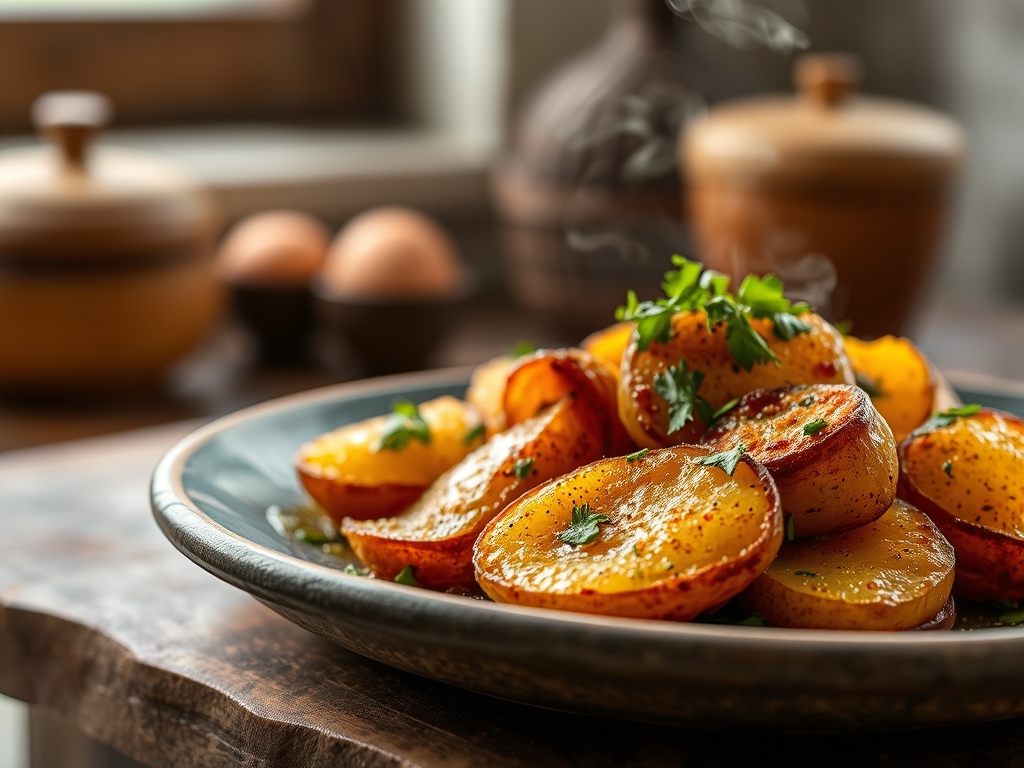
Close your eyes and listen for that specific, rhythmic sizzle. It is the sound of moisture rapidly escaping a starchy cell wall as it meets a cloud of piquant spices. When you master mojo potato recipes, you are not just frying tubers; you are orchestrating a symphony of texture. We are talking about that legendary, thick-cut potato wedge with a crust so craggy it shatters, giving way to a center as fluffy as a cloud. This is the ultimate side dish that demands center stage.
The secret to a truly irresistible mojo potato lies in the tension between the exterior crunch and the interior creaminess. Most people settle for soggy or bland, but we are going to use molecular chemistry to ensure every bite is a high-voltage flavor experience. By leveraging the power of starch suspension and specific thermal ranges, we can transform a humble Russet into a golden masterpiece. Whether you are hosting a backyard bash or just craving a comfort food upgrade, these hacks will redefine your potato game forever.
The Gathers:
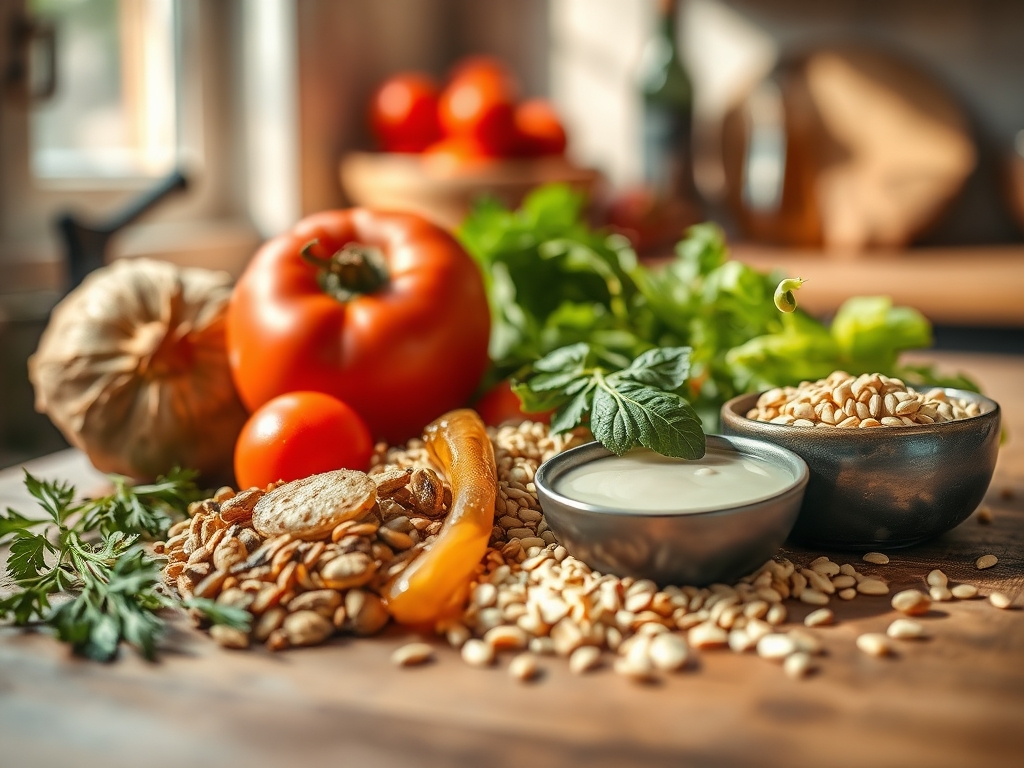
To achieve professional results, your mise-en-place must be precise. Start with high-starch Russet potatoes; their low moisture content is essential for that signature fluffiness. You will need a digital scale to measure out your dry dredge components: all-purpose flour, cornstarch, and a heavy hand of smoked paprika, garlic powder, onion powder, and cayenne pepper. The cornstarch is vital because it interferes with gluten development, ensuring the coating stays crisp rather than bready.
For the liquid element, we use a mixture of whole milk and egg to create a viscous binder that clings to the potato. If you want to elevate the flavor profile, incorporate a splash of pickle juice or hot sauce into the wet mix to infuse the starch with acidity.
Smart Substitutions:
If you are out of Russets, Yukon Golds offer a more buttery, viscous interior but will be slightly less crunchy. For a gluten-free version, swap the flour for a 1:1 rice flour blend; rice flour actually fries up crispier than wheat due to its lack of protein. If you find yourself without smoked paprika, a touch of chipotle powder adds that necessary piquant depth, though it will increase the heat level significantly.
The Clock
Efficiency in the kitchen is all about "Chef's Flow." Expect about 15 minutes of active prep time, which includes washing, slicing, and dredging. The actual cooking time varies between 12 to 18 minutes depending on your heat source.
The "Chef's Flow" involves a staggered approach. While your heavy-bottomed skillet or deep fryer preheats to exactly 350 degrees Fahrenheit, you should be performing the double-dredge. Never crowd the pan; frying in small batches prevents the oil temperature from dropping, which would otherwise lead to greasy, oil-logged potatoes. Allow for a 5-minute rest on a wire rack post-fry to let the internal steam settle.
The Masterclass
1. The Precision Cut
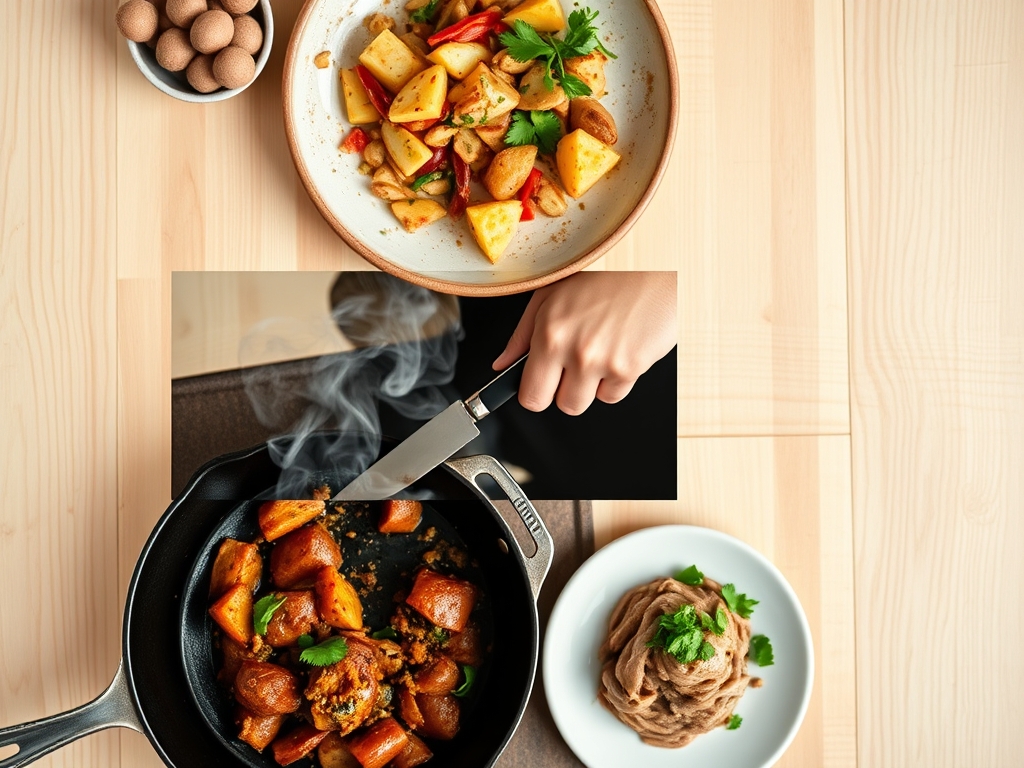
Use a sharp chef's knife or a bench scraper to slice your potatoes into uniform half-inch rounds or wedges. Uniformity is not just for aesthetics; it ensures that every piece reaches the ideal internal temperature at the exact same moment.
Pro Tip: Soaking your cut potatoes in cold water for 30 minutes removes excess surface starch. This prevents the potatoes from sticking together and reduces enzymatic browning before they hit the oil.
2. The Steam Par-Cook
Before frying, steam or par-boil your potatoes for about 5 minutes until they are "fork-tender" but not falling apart. This hydrates the starches, ensuring the inside is fully cooked by the time the outside is golden.
Pro Tip: Adding a teaspoon of baking soda to the boiling water breaks down the pectin on the potato surface. This creates a starchy "slurry" that, once fried, turns into an ultra-crunchy crust.
3. The Double-Dredge Technique
Dip your par-cooked potatoes into the wet wash, then toss them in the seasoned flour mixture. For the ultimate mojo texture, repeat this process. Use tongs to ensure your hands stay clean and the coating remains intact.
Pro Tip: The second layer of flour creates "nooks and crannies." These increase the surface area, allowing for more Maillard reaction sites, which translates to more flavor and crunch.
4. The Temperature Trigger
Heat your oil in a heavy-bottomed skillet. Use an infrared thermometer to verify you are at 350 degrees Fahrenheit. Carefully lower the potatoes into the fat, ensuring they do not overlap.
Pro Tip: If the oil is too cold, the starch absorbs the fat rather than crisping. If it is too hot, the exterior burns before the heat can render the interior starch into a creamy texture.
5. The Aeration Rest
Once the potatoes are a deep mahogany gold, remove them and place them on a wire cooling rack over a sheet pan. Do not use paper towels, as they trap steam and make the bottom of the potato soggy.
Pro Tip: This rest period allows for thermal carryover. The residual internal heat finishes cooking the center while the outside air hardens the crust through evaporation.
6. The Flavor Infusion
While the potatoes are still hot and slightly oily, hit them with a final dusting of fine sea salt and perhaps a zest of lemon using a microplane.
Pro Tip: Salt is hygroscopic, meaning it draws out any remaining surface moisture. Applying it immediately after frying ensures it sticks to the surface and enhances the piquant spices.
7. The Emulsified Dip
Every mojo potato needs a companion. Whisk together a quick aioli in a saucier or small bowl, using garlic, mayo, and a hint of lime.
Pro Tip: A stable emulsion provides a creamy contrast to the dry crunch of the potato. The acidity in the lime cuts through the fat, cleansing your palate between bites.
8. The Final Flash Fry
If you are making these ahead of time, under-fry them slightly during the first pass. Right before serving, drop them back into 375-degree oil for 60 seconds.
Pro Tip: This "double fry" method is the secret of high-end bistros. It drives out any moisture that migrated to the crust during storage, restoring "day-one" crispness instantly.
The Deep Dive
From a macro nutrition perspective, mojo potatoes are carbohydrate-dense, providing quick energy. By using heart-healthy oils like avocado or peanut oil, which have high smoke points, you avoid the development of bitter, scorched flavors.
Dietary Swaps: For a Keto-friendly version, swap the potato for cauliflower florets and use almond flour mixed with parmesan cheese for the dredge. For a vegan approach, use almond milk and a "flax egg" as your binder; the results are surprisingly similar in texture.
The Fix-It:
- Soggy Crust: Your oil was likely too cool. Ensure you use a thermometer and fry in smaller batches.
- Bland Interior: You skipped the par-boiling step in salted water. Salt the water like the sea to season the potato from the inside out.
- Coating Falling Off: The potatoes were too wet when dredged. Pat them dry with a lint-free towel after par-boiling and before the first dip.
Meal Prep: To reheat, avoid the microwave at all costs; it turns starch into rubber. Instead, use an air fryer or oven at 400 degrees for 5 minutes to aerate the crust and restore the crunch.
The Wrap-Up
Mastering mojo potato recipes is about more than just a snack; it is about understanding the beautiful chemistry of the kitchen. When you combine the right tools, like a digital scale and heavy-bottomed skillet, with the science of starch, you create something truly magical. These eight hacks are your roadmap to side-dish stardom. Now, grab your apron, get those spices ready, and go make some noise in the kitchen!
The Kitchen Table
What is the best oil for mojo potato recipes?
Peanut oil or avocado oil are superior choices due to their high smoke points. They allow the potato to reach the necessary 350-degree frying temperature without breaking down or adding an acrid, burnt flavor to the delicate spice blend.
How do I keep the coating from getting gummy?
The key is adding cornstarch to your flour mixture. Cornstarch prevents excessive gluten formation. Also, ensure your par-cooked potatoes are completely dry before the first dredge, as excess water creates a steam barrier that pushes the coating away.
Can I make these in an air fryer?
Yes, though the texture will be slightly less "craggy." Lightly spray the dredged potatoes with oil and cook at 400 degrees Fahrenheit, shaking the basket every five minutes to ensure even air circulation and a consistent golden-brown finish.
Why do my potatoes turn brown too fast?
This is usually caused by too much sugar in the potato or oil that is too hot. Russets are best because they have lower sugar content. If browning occurs too quickly, lower the heat by twenty degrees to allow the interior to catch up.