
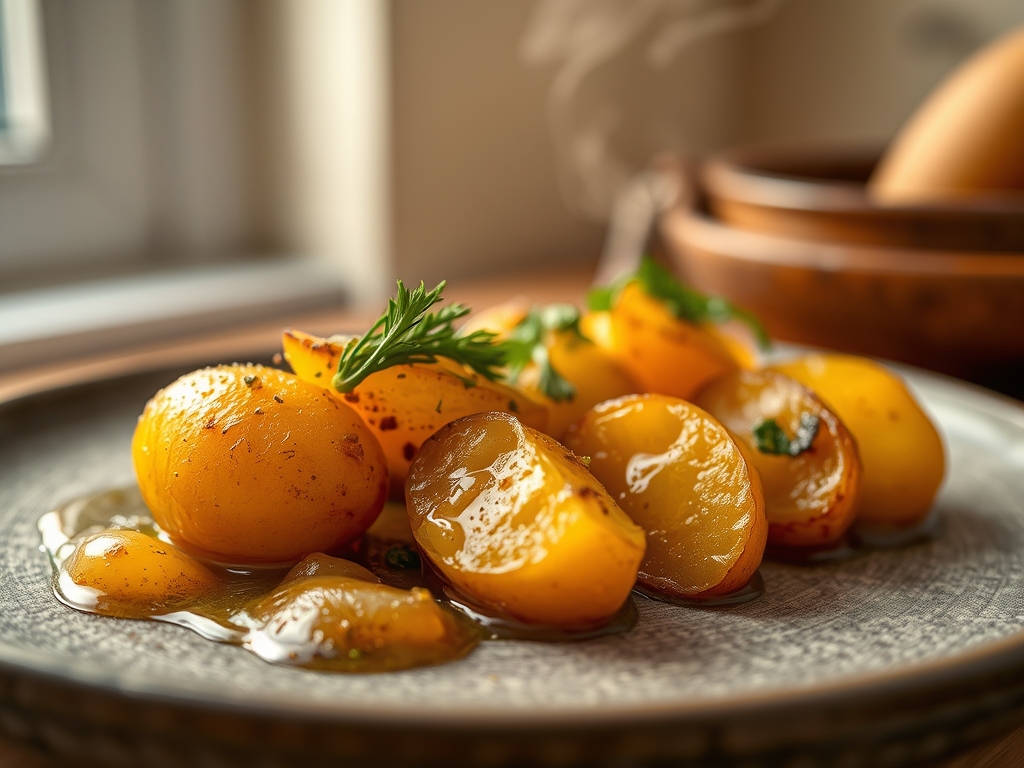
Imagine the sound of a thousand microscopic glass shards shattering at once. That is the precise acoustic signature of a perfect confit potato. We are not talking about a standard fry or a basic roasted wedge; we are diving into the architectural marvel of potato pavé and slow-rendered tubers. When you search for high-end confit potato recipes, you are looking for that specific juxtaposition of a creamy, custard-like interior protected by a structural, golden-brown crust. It is a process that defies the rush of modern life. It requires patience, a bit of fat, and a deep understanding of starch transformation.
The magic happens through a two-stage thermal process. First, we poach the potatoes in a lipid bath to break down the pectin without losing moisture. Second, we introduce high heat to trigger the Maillard reaction. This is the ultimate dinner party flex because it looks like high-art but tastes like the most comforting hug you have ever received. Grab your heavy-bottomed skillet and a sharp knife; we are about to turn a humble root vegetable into a masterpiece of culinary engineering.
The Gathers:
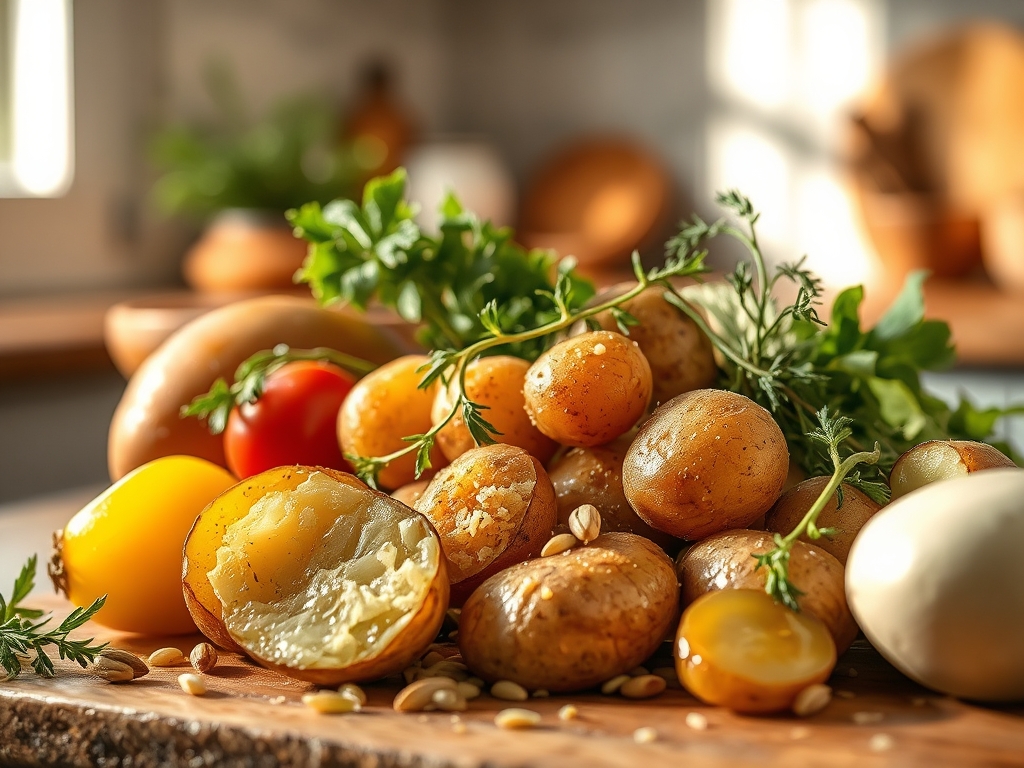
To achieve the structural integrity required for these confit potato recipes, you must start with the right biological building blocks. Reach for Russet or Yukon Gold potatoes. Russets provide a high starch content that creates a fluffy, dry interior, while Yukon Golds offer a viscous, buttery texture that holds its shape during the long poach. You will need a high-quality fat; duck fat is the gold standard for its high smoke point and piquant, savory depth, but clarified butter (ghee) or a neutral grapeseed oil works beautifully.
Your mise-en-place should include fresh aromatics: sprigs of woody thyme, rosemary, and at least six cloves of garlic. Do not peel the garlic; simply crush it with the flat of your knife to release the essential oils without burning the delicate solids. You will also need Maldon sea salt for the finishing crunch and black peppercorns for a subtle heat.
Smart Substitutions:
If you are leaning into a plant-based lifestyle, swap the animal fats for a high-quality extra virgin olive oil infused with a touch of smoked paprika to mimic the richness of bacon fat. For a flavor twist, replace the thyme with sage or bay leaves to provide an earthy, resinous backbone to the dish.
The Clock
Efficiency in a professional kitchen is called the Chef's Flow. For these confit potato recipes, the clock is your most important tool.
- Prep Time: 25 minutes. This includes the precision slicing and the "shingling" of the potato layers if you are making a pavé.
- The Poach: 2 to 3 hours. This is the "low and slow" phase where the potatoes soften in the fat at approximately 200 degrees Fahrenheit.
- The Chill: 4 to 12 hours. Do not skip this. Cooling the potatoes allows the starches to retrograde, which creates the firm structure necessary for the final sear.
- The Crisp: 10 minutes. The final high-heat finish in a saucier or skillet.
Total time commitment is significant, but the active labor is minimal. Think of it as an investment in texture.
The Masterclass
1. Precision Slicing and Stacking
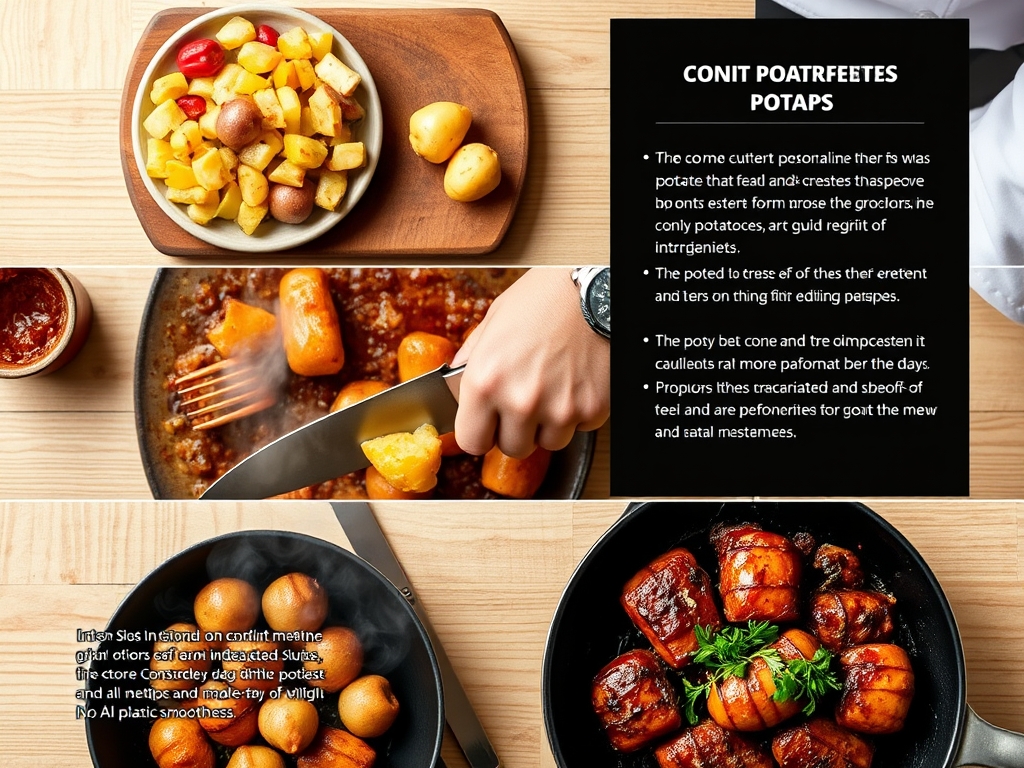
Use a mandoline to slice your potatoes into paper-thin translucent sheets. If you are making the classic cube shape, use a bench scraper to ensure perfectly straight edges. Layer these slices into a parchment-lined pan, brushing each layer with your chosen fat and a dusting of salt.
Pro Tip: This step utilizes mechanical layering to create hundreds of tiny air pockets. When fried later, the moisture in these pockets turns to steam, puffing the layers apart for maximum crunch.
2. The Low-Temp Lipid Bath
Submerge your potato block or pieces entirely in fat. Place them in a low oven (around 225 degrees Fahrenheit). You are looking for the potatoes to become "knife-tender," meaning a blade slides in with zero resistance.
Pro Tip: This is a controlled enzymatic breakdown. By keeping the temperature below boiling, you prevent the water inside the potato cells from rupturing the cell walls, preserving a creamy mouthfeel.
3. The Weighted Compression
Once out of the oven, place another pan on top of the potatoes and weigh it down with heavy cans or a brick. Refrigerate overnight.
Pro Tip: This process is called starch gelation. Pressing the layers together while they cool ensures the "glue" (amylopectin) sets, preventing the potato from falling apart when you slice it into portions the next day.
4. Portioning with Precision
Use a sharp chef's knife to trim the edges of your chilled potato block, creating sharp, geometric rectangles or cubes. This creates more surface area for the final sear.
Pro Tip: Trimming the edges exposes the internal layers. This increases the surface area for the Maillard reaction, the chemical reaction between amino acids and reducing sugars that gives browned food its distinctive flavor.
5. The High-Heat Render
Heat a heavy-bottomed skillet with a small amount of the leftover confit fat. Place the potato cubes in the pan, working in batches to avoid crowding. Sear on all sides until deep mahogany brown.
Pro Tip: Watch for thermal carryover. Remove the potatoes when they are a shade lighter than your target color; the internal heat will continue to cook the crust for sixty seconds after they leave the pan.
6. The Aromatic Baste
In the final minute of searing, toss in a knob of cold butter, your crushed garlic, and herbs. Use a spoon to infuse the hot, foaming butter over the potatoes.
Pro Tip: This is called arroser. The milk solids in the butter brown rapidly, adding a nutty aroma (beurre noisette) that clings to the nooks and crannies of the potato crust.
7. Degreasing and Aeration
Transfer the golden cubes to a wire cooling rack rather than a paper towel. This allows air to circulate around the entire potato.
Pro Tip: Placing hot, oily food on a flat surface creates steam, which leads to a soggy bottom. A wire rack ensures the evaporative cooling happens uniformly, maintaining that "glass-like" crunch.
8. The Final Seasoning
While the potatoes are still glistening with hot fat, hit them with a fine dusting of salt or a zest of lemon using a microplane.
Pro Tip: Heat increases the permeability of the crust. Seasoning immediately allows the salt to adhere and slightly penetrate the surface before the fat solidifies.
The Deep Dive
Macro Nutrition:
While confit potato recipes are an indulgence, they are surprisingly efficient. A standard serving contains roughly 250 to 300 calories, primarily from complex carbohydrates and healthy fats (if using olive oil or duck fat). They are naturally gluten-free and provide a solid hit of potassium.
Dietary Swaps:
- Vegan: Use avocado oil or refined coconut oil for the poach.
- Keto: Swap potatoes for daikon radish or celery root; the starch content is lower, but the confit technique still yields a tender, savory result.
- GF: This dish is naturally gluten-free; just ensure your aromatics are fresh.
The Fix-It:
- Soggy Results: You likely crowded the pan or didn't chill the potatoes long enough. Ensure the fat is shimmering hot before adding the potato.
- Falling Apart: Your weight during the compression phase was too light. Use at least two pounds of weight to fuse the layers.
- Bitter Taste: The garlic or herbs burned. Add your aromatics only in the final sixty seconds of searing.
Meal Prep:
To reheat and maintain "day-one" quality, avoid the microwave at all costs. Place the cold confit potatoes in an air fryer or a 400-degree oven for 5 to 8 minutes. This re-activates the fats and restores the structural crunch without drying out the interior.
The Wrap-Up
Mastering confit potato recipes is a rite of passage for any serious home cook. It is the bridge between basic side dishes and restaurant-quality gastronomy. By understanding the science of starch, the necessity of compression, and the power of the Maillard reaction, you can transform a simple tuber into the star of the plate. It is crispy, it is creamy, and it is undeniably impressive. Now, go forth and shatter some potato crusts!
The Kitchen Table
Can I reuse the oil from the confit?
Absolutely. Filter the oil through a fine-mesh sieve to remove food particles. Store it in the fridge for up to two weeks. It is now "seasoned" and will add even more flavor to your next batch of roasted vegetables.
Why did my potatoes turn grey?
This is caused by enzymatic browning. To prevent this, keep your peeled and sliced potatoes submerged in cold water or fat immediately. Exposure to oxygen is the enemy of that bright, golden interior you crave.
What is the best way to slice potatoes without a mandoline?
Use a very sharp chef's knife and a digital scale to check consistency. Aim for slices about 2mm thick. Take your time; the uniformity of the slices determines how evenly the potato block will compress and cook.
Can I freeze confit potatoes?
Yes, you can freeze them after the compression and portioning phase, but before the final sear. Thaw them completely in the refrigerator before frying to ensure the center reaches the proper temperature without burning the exterior.