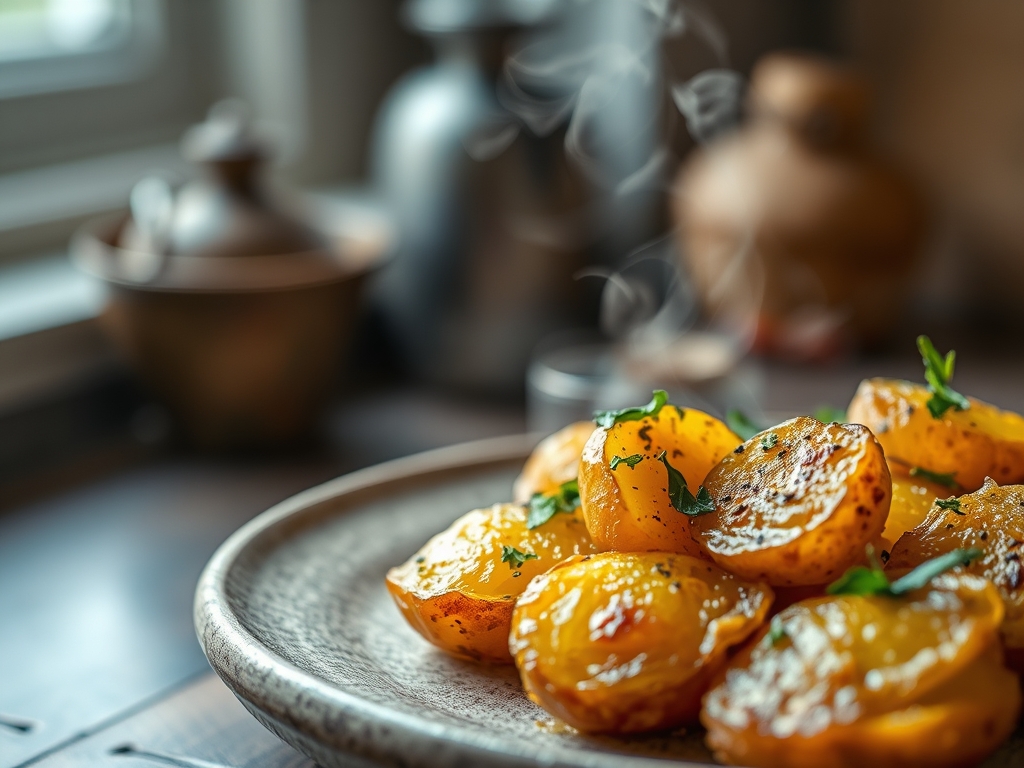
Imagine the sound of a heavy-bottomed cast iron skillet meeting a hot oven rack. It is a sharp, metallic ring that signals the start of something transformative. When you pull that tray out, you are not just looking at dinner; you are looking at a literal treasure chest of ruby reds, deep purples, and honey golds. Mastering gemstone potato recipes is the ultimate culinary flex because it combines high-level chemistry with the kind of rustic, soulful comfort that makes people lean across the table for seconds. We are moving beyond the monochrome world of the standard Russet. We are diving into a world where texture is king and color is the primary language.
The secret to a perfect roast lies in understanding the structural integrity of these miniature tubers. Unlike their starchy cousins, gemstone potatoes (often a mix of fingerlings, baby reds, and purple majesties) possess a waxy cell structure that holds its shape under intense thermal pressure. This means we can achieve a glass-like exterior crunch while maintaining a creamy, almost custard-like interior. It is a beautiful dance of heat and moisture. By the time we are done, your kitchen will smell like toasted rosemary and rendered fat, and your table will look like a Dutch still-life painting brought to life.
The Gathers:
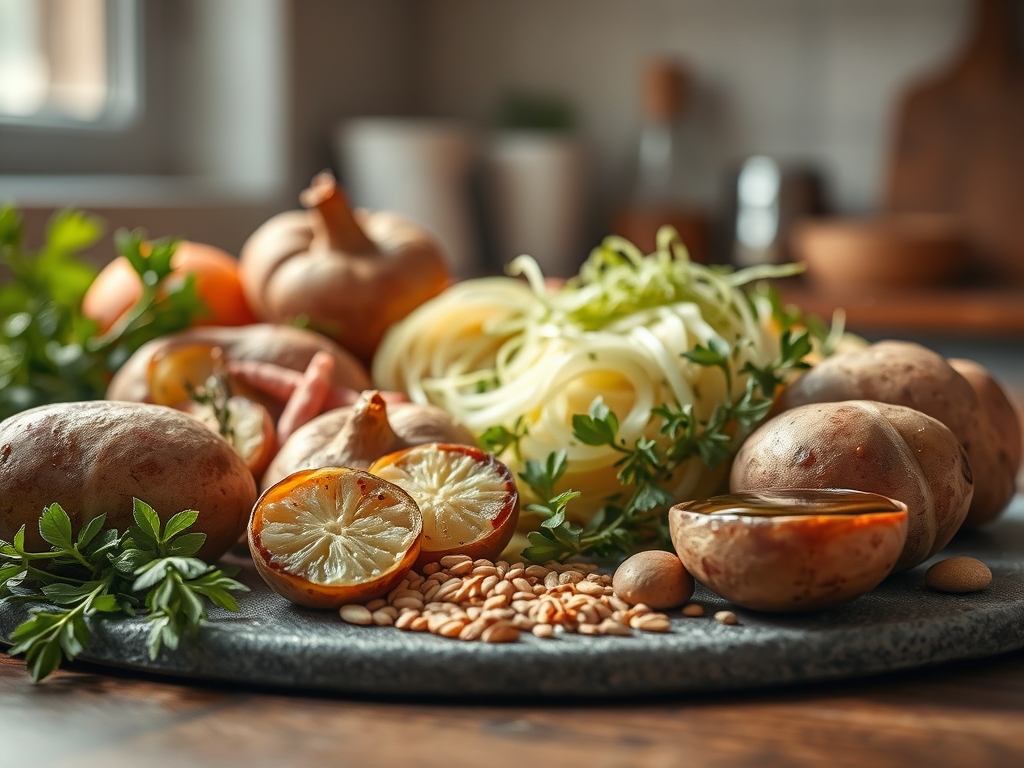
To execute these gemstone potato recipes with precision, your mise-en-place must be tight. Start with two pounds of premium gemstone potatoes; look for skins that are tight and free of soft spots. You will need a high-smoke-point fat like clarified butter or avocado oil to facilitate the Maillard reaction without scorching. For aromatics, gather fresh rosemary sprigs, thyme, and a whole head of garlic. A sprinkle of Maldon sea salt provides the necessary jagged crystals for textural contrast, while freshly cracked peppercorns offer a piquant bite.
Smart Substitutions: If you are out of fresh herbs, a high-quality dried herbes de Provence can work, but you must bloom them in the oil first to release the volatile oils. For a vegan profile, swap the butter for a cold-pressed olive oil, though you will lose some of the nutty milk-solid browning. If you want to increase the umami, a teaspoon of nutritional yeast or a microplaned dusting of aged Pecorino Romano adds a savory depth that bridges the gap between the earthy potato skin and the sweet, creamy flesh.
The Clock
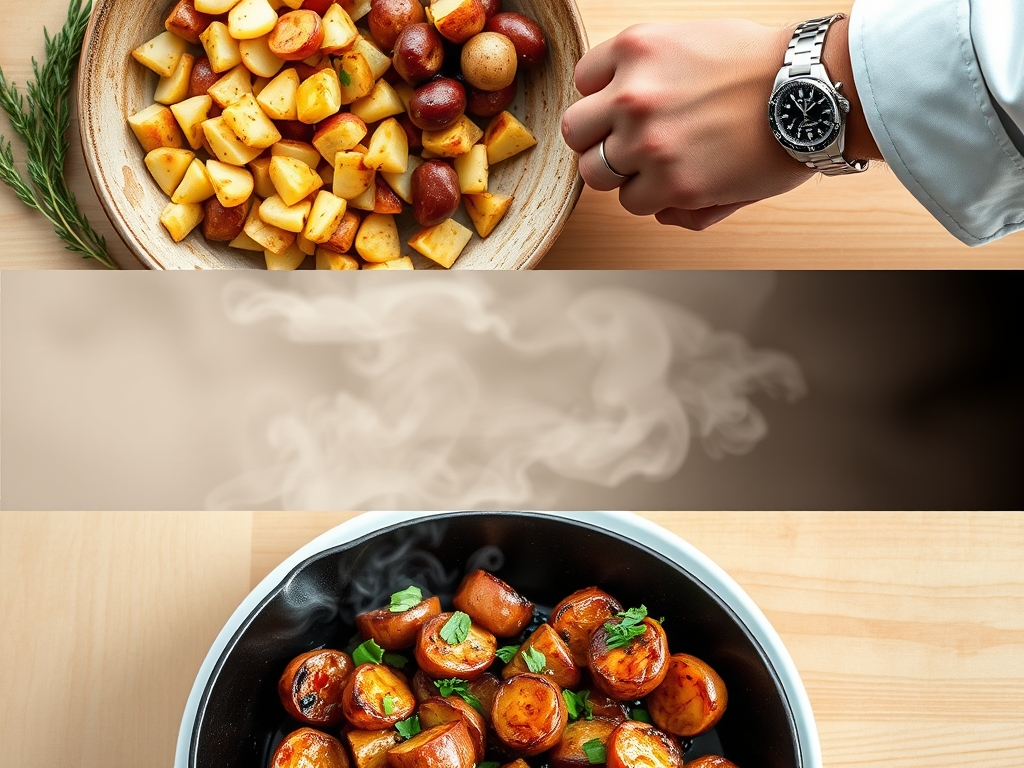
Efficiency in the kitchen is about the Chef's Flow. Total active prep time is approximately 15 minutes, which involves washing, drying, and halving the tubers. The roasting phase takes 35 to 45 minutes depending on your oven's calibration.
The "Flow" dictates that you preheat your baking sheet while you prep. By placing your potatoes onto a screaming-hot surface, you initiate an immediate sear. This prevents the potatoes from sticking and starts the moisture evaporation process instantly. While the potatoes roast, use that 40-minute window to prepare your garnishes or a bright gremolata. This ensures that the moment the timer dings, you are ready to plate while the internal temperature is at its peak.
The Masterclass
1. The Prep and Thermal Shock
Start by scrubbing your potatoes with a stiff brush to remove any residual soil. Use a sharp chef's knife or a bench scraper to halve the larger ones so every piece is uniform in size. This ensures they all cross the finish line at the same time. Toss them in a large mixing bowl with your fat of choice and salt.
Pro Tip: This is about surface area maximization. By cutting the potatoes, you expose the starchy interior to the direct heat of the pan. This creates a flat "crust zone" where the Maillard reaction can flourish, creating a savory, browned surface that whole potatoes simply cannot match.
2. The Preheated Sear
Carefully remove your preheated heavy-bottomed sheet pan from the oven. Pour the potatoes onto the tray; you should hear a violent sizzle. Use tongs to flip every single potato cut-side down. This manual labor is what separates the amateurs from the experts.
Pro Tip: This technique utilizes conduction heating. By placing the flat side directly against the hot metal, you create an immediate seal. This prevents the potato from absorbing too much oil and becoming greasy, instead creating a crisp, structural barrier.
3. The Aromatic Infusion
Halfway through the roasting process, slide the rack out and scatter your unpeeled garlic cloves and woody herbs across the pan. Use a spatula to toss them slightly, ensuring they are coated in the shimmering fat.
Pro Tip: We add aromatics late to prevent carbonization. Garlic and delicate herb leaves have a lower burning point than the potatoes. Adding them at the midpoint allows their essential oils to infuse the fat and coat the potatoes without turning bitter and black.
4. The Agitation Phase
Ten minutes before the end, use a metal spatula to aggressively toss the potatoes. You want to knock them around a bit to roughen up the edges. This creates "micro-fissures" in the skin that catch the salt and oil.
Pro Tip: This stage encourages evaporative cooling on the surface, which actually helps the interior finish steaming while the exterior hardens. The rougher the surface, the more "crunch-points" you develop per square inch.
5. The Rest and Carryover
Once the potatoes are deep gold and the purple varieties look almost obsidian, remove them from the oven. Do not plate them immediately. Let them sit on the hot tray for five minutes.
Pro Tip: Thermal carryover is real. The internal temperature will continue to rise by a few degrees after removal. Resting allows the internal steam to redistribute, ensuring the centers are fluffy rather than watery, while the skins "set" into their final crispy state.
The Deep Dive
From a macro perspective, gemstone potato recipes are nutritional powerhouses. These colorful tubers are packed with potassium and vitamin C. The purple varieties specifically contain anthocyanins, the same antioxidants found in blueberries. To keep this dish Keto-friendly, keep portions small and pair with high-protein sides. For a Vegan version, ensure your fat source is plant-based and finish with a squeeze of lemon to brighten the earthiness.
The Fix-It:
- Soggy Potatoes: Usually caused by overcrowding the pan. The steam gets trapped between the potatoes instead of escaping. Fix: Use two pans or a larger sheet.
- Burnt Garlic: Added too early. Fix: If it happens, pick out the black bits immediately as they will infuse the whole batch with a bitter "ash" flavor.
- Sticking to the Pan: You likely tried to flip them too soon. Fix: Wait for the starch to fully caramelize; the potato will "release" itself from the metal naturally once the crust is formed.
Meal Prep: To reheat and maintain "day-one" quality, avoid the microwave at all costs. The microwave agitates water molecules, making the potato rubbery. Instead, use an air fryer at 400 degrees for four minutes or a dry skillet over medium heat to re-crisp the skins.
The Wrap-Up
There is a visceral joy in serving a dish that looks like a pile of jewels. These gemstone potato recipes are more than just a side dish; they are a masterclass in heat management and textural contrast. When you bring that vibrant, steaming bowl to the table, you are offering your guests a perfect bite of science and soul. Go ahead, grab your favorite skillet and start roasting. Your kitchen is about to become the most popular room in the house.
The Kitchen Table
Which potatoes are best for roasting?
Waxy varieties like fingerlings, baby reds, and purple potatoes are superior. They maintain their structural integrity under high heat, resulting in a creamy interior and a crisp exterior compared to starchy Russets which can fall apart.
Why are my roasted potatoes not crispy?
The primary culprit is moisture or overcrowding. Ensure potatoes are bone-dry before oiling. If the pan is too crowded, the potatoes will steam in their own released vapors rather than roasting in the dry heat of the oven.
Do I need to peel gemstone potatoes?
No, the skins are incredibly thin and nutrient-dense. Leaving the skins on provides a necessary textural element and prevents the potato from drying out. Plus, the vibrant colors are located primarily in the skin and just beneath it.
Can I roast potatoes ahead of time?
You can par-boil them a day early, but for maximum crunch, the final roast should happen just before serving. If you must reheat, use a hot oven or air fryer to restore the crispness of the skin.