
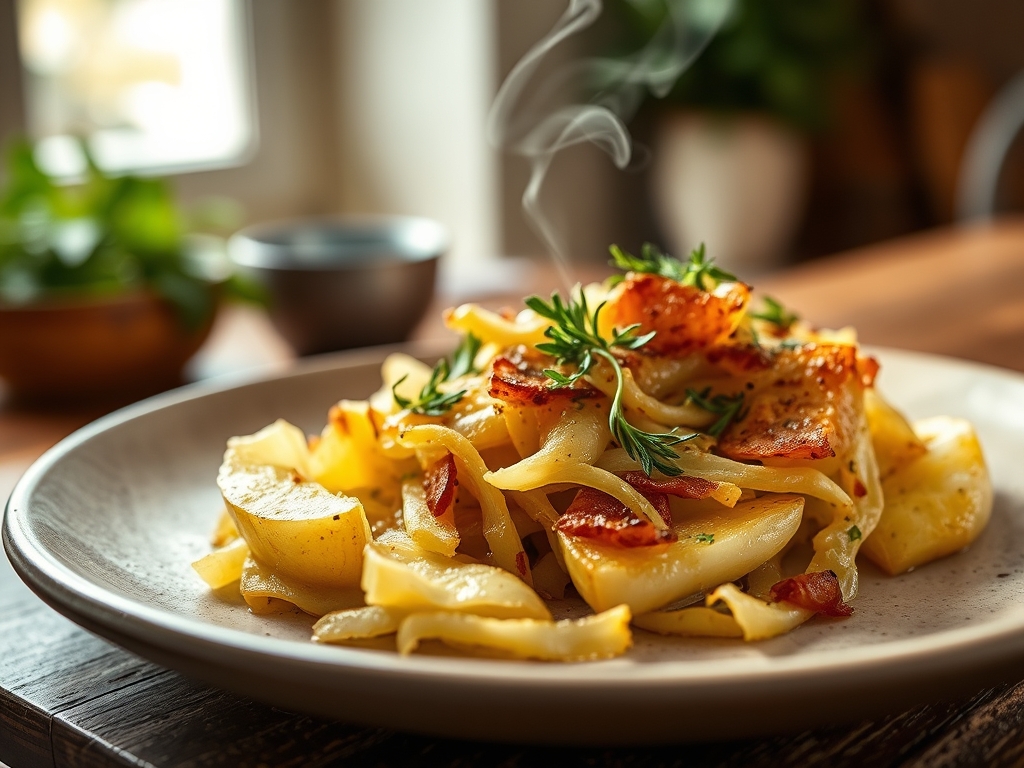
Imagine the scent of salted butter hitting a hot saucier; it is a fragrance that signals the arrival of the ultimate comfort food. When you search for authentic irish cabbage and potato recipes, you are looking for more than a side dish. You are seeking the perfect balance of creamy starch and vibrant, buttery greens.
Traditional Colcannon is a masterclass in texture. It is a dish that relies on the contrast between cloud-like whipped potatoes and the structured bite of wilted kale or cabbage. It is rustic yet refined; it is the kind of meal that demands a deep bowl and a large spoon. We are going to dive into the molecular mechanics of the potato and the sulfurous beauty of the brassica to ensure your next batch is nothing short of legendary. Grab your apron and your favorite heavy-bottomed pot. We are about to turn humble tubers into a culinary event that would make any Irish grandmother proud.
The Gathers:
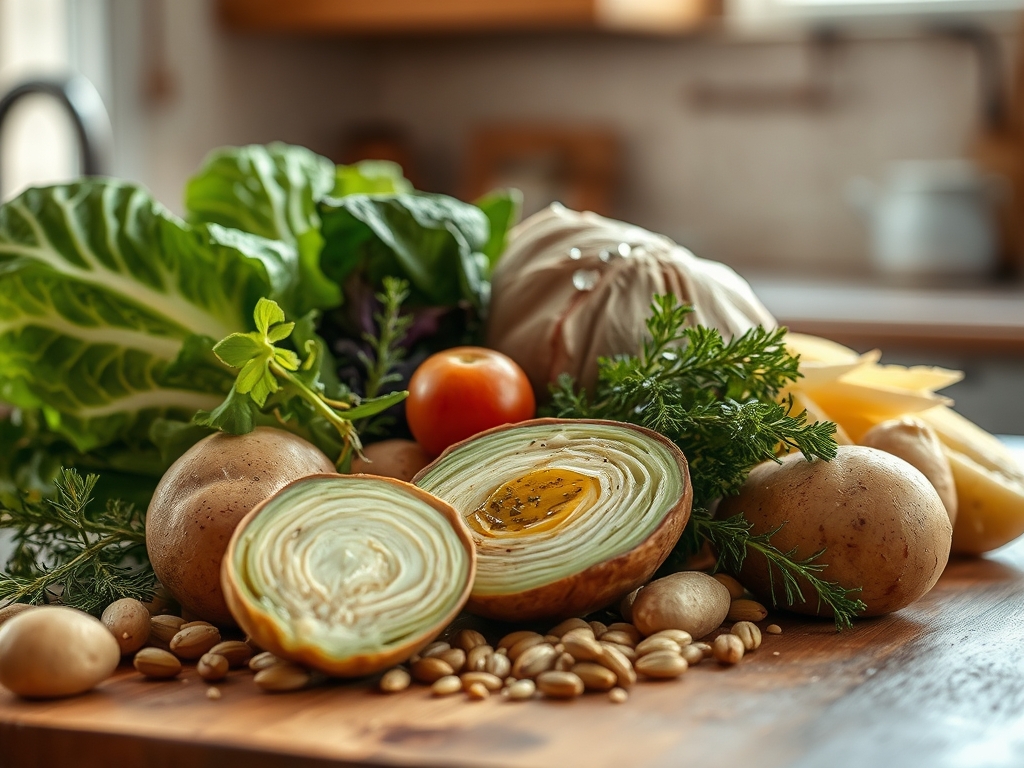
To achieve the perfect Colcannon, your mise-en-place must be precise. We start with five pounds of Russet or Yukon Gold potatoes. Russets provide a high starch content that allows for a fluffy, aerated mash; Yukon Golds offer a waxy, buttery finish. You will need one large head of Savoy cabbage or curly kale. Savoy is preferred for its delicate crinkle and ability to hold onto emulsified butter.
Next, gather one pint of heavy cream and two sticks of high-quality Irish butter. The higher fat content in European-style butter is non-negotiable for that signature golden sheen. You will also need a bunch of scallions (spring onions) for a piquant bite and a touch of nutmeg to deepen the flavor profile.
Smart Substitutions: If you are looking for a lighter profile, you can swap half the heavy cream for whole milk infused with garlic. For a smoky depth, add four ounces of rendered bacon lardons. If you lack a traditional potato masher, a ricer or food mill is your best friend for achieving a silky, lump-free consistency without overworking the starch.
The Clock
Efficiency in the kitchen is about "Chef's Flow." Total preparation time is approximately 20 minutes, while active cooking takes about 30 minutes.
Prep Phase (0-20 mins): Peel and cube your potatoes into uniform two-inch pieces. This ensures even cooking and prevents the exterior from becoming waterlogged before the interior is soft. Thinly slice your cabbage using a sharp chef's knife or a mandoline.
Execution Phase (20-50 mins): While the potatoes simmer in salted water, use a separate skillet to render your butter and wilt the greens. The goal is to have both components reach their peak temperature simultaneously. This synchronization prevents the need for aggressive reheating, which can break the delicate fat-to-starch emulsion.
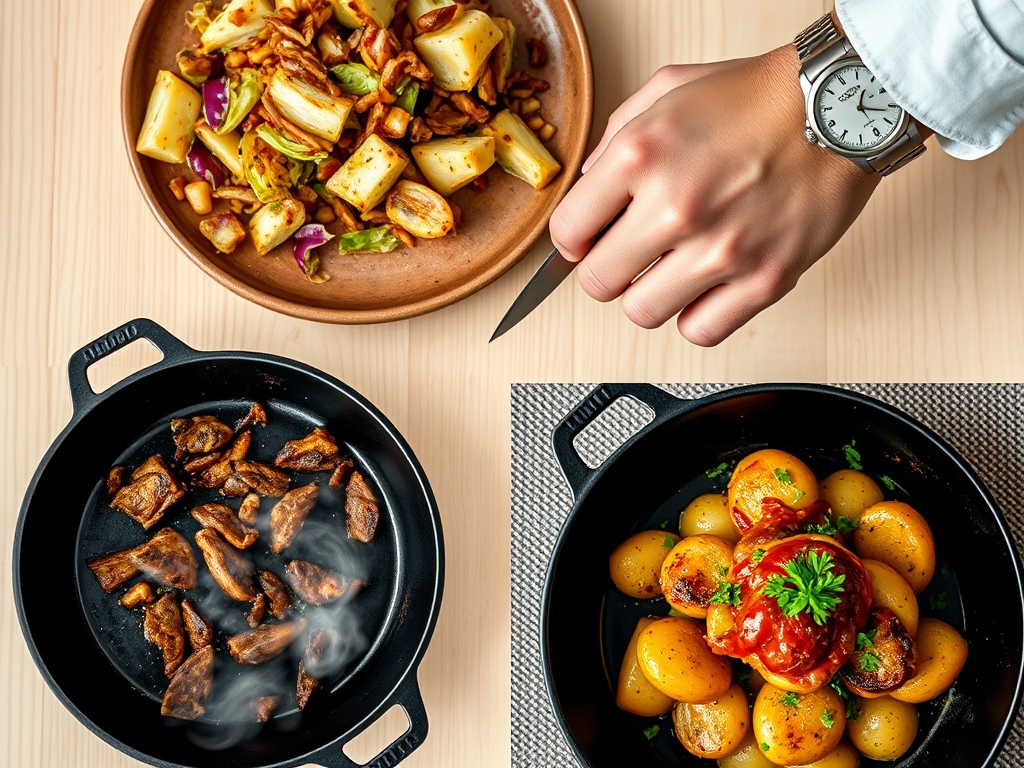
The Masterclass
1. The Starch Foundation
Boil your potatoes in heavily salted water until they are fork-tender. Salt increases the boiling point of water and seasons the potato from the inside out. Once cooked, drain them immediately and return them to the hot pot for two minutes to allow excess moisture to evaporate.
Pro Tip: This is known as steam-drying. Removing residual water prevents a "soupy" mash and ensures the potato cells are thirsty enough to absorb the cream and butter you are about to add.
2. The Green Infusion
In a large skillet, melt half your butter over medium heat. Add the shredded cabbage and a splash of water or stock. Cover and steam for five minutes until the cabbage is tender but still retains a vibrant green hue.
Pro Tip: Avoid enzymatic browning by adding a pinch of baking soda to the cabbage. This keeps the chlorophyll stable and the greens looking restaurant-quality bright.
3. The Dairy Tempering
In a small saucier, heat your cream, the remaining butter, and chopped scallions until the mixture reaches a gentle simmer. Do not let it boil over.
Pro Tip: Heating your dairy prevents thermal shock. Adding cold cream to hot potatoes causes the starch molecules to seize, resulting in a gummy, gluey texture rather than a light fluff.
4. The Silky Mash
Pass your steam-dried potatoes through a ricer into a large warmed bowl. Gradually fold in the hot cream and scallion mixture using a silicone spatula.
Pro Tip: Avoid using a whisk or a hand mixer. Over-agitation releases too much amylopectin, which turns your potatoes into wallpaper paste. Gentle folding preserves the delicate air pockets.
5. The Marriage of Elements
Fold the wilted cabbage into the potato base. Use a bench scraper or large spoon to ensure the greens are evenly distributed throughout the viscous mash. Taste and adjust with sea salt and freshly cracked black pepper.
Pro Tip: Let the mixture sit for three minutes before serving. This allows for flavor osmosis, where the sharp onion notes and salty butter fully permeate the neutral potato starch.
6. The Finishing Well
Transfer the Colcannon to a wide serving bowl. Use the back of a spoon to create a deep well in the center. Place a final knob of cold butter in the well and watch it melt into a golden pool.
Pro Tip: This "butter well" is not just for aesthetics; it provides a concentrated source of fat that guests can dip each spoonful into, ensuring every bite has the perfect lipid-to-starch ratio.
The Deep Dive
Macro Nutrition: A standard serving of Colcannon provides approximately 320 calories, with 18g of fat, 35g of carbohydrates, and 4g of protein. It is a high-potassium dish thanks to both the potatoes and the cabbage.
Dietary Swaps: For a Vegan version, use a high-quality plant butter and full-fat oat milk. For Keto enthusiasts, replace the potatoes with steamed, riced cauliflower that has been squeezed dry. This recipe is naturally Gluten-Free.
The Fix-It:
- Gummy Potatoes: If you over-processed the starch, fold in a little extra warm cream and serve immediately; do not keep stirring.
- Bland Cabbage: Deglaze your cabbage pan with a teaspoon of apple cider vinegar to brighten the earthy notes.
- Watery Base: If the cabbage released too much liquid, drain it through a fine-mesh sieve before adding it to the potatoes.
Meal Prep & Reheating: Colcannon is actually better the next day. To reheat, add a tablespoon of milk and heat in a covered pan over low heat. This prevents the fats from separating. You can also form leftovers into patties and sear them in a cast-iron skillet for "Colcannon Cakes."
The Wrap-Up
Mastering irish cabbage and potato recipes is a rite of passage for any home cook who loves soul-warming food. By focusing on the science of starch and the delicate handling of dairy, you elevate a simple peasant dish into a gourmet experience. Whether you are serving this alongside a traditional boiled ham or as a standalone bowl of comfort, remember that the secret lies in the quality of your butter and the gentleness of your mash. Go forth, use your ricer with pride, and enjoy the creamy, green-flecked glory of a perfect Colcannon.
The Kitchen Table
Which potato is best for Colcannon?
Russet potatoes are ideal for a fluffy texture due to their high starch content. Yukon Golds are a fantastic secondary choice if you prefer a creamier, more yellow mash with a naturally buttery flavor profile.
Can I use kale instead of cabbage?
Yes, curly kale is a traditional substitute. It offers a more robust texture and a slightly bitter, earthy flavor that cuts through the richness of the butter and cream beautifully. Just ensure you remove the woody stems.
How do I prevent my potatoes from being gluey?
Never use a food processor or blender. These high-speed blades break the starch granules, releasing too much amylopectin. Use a ricer or a manual masher and fold in your warm dairy gently by hand.
How long does leftover Colcannon last?
Stored in an airtight container in the refrigerator, Colcannon will stay fresh for three to four days. It does not freeze well, as the cell structure of the potatoes will break down and become grainy.
What is the best way to clean Savoy cabbage?
Remove the outer leaves and quarter the head. Rinse under cold water, ensuring the water gets between the crinkled layers. Pat dry thoroughly before slicing to ensure you are not adding excess moisture to your mash.