
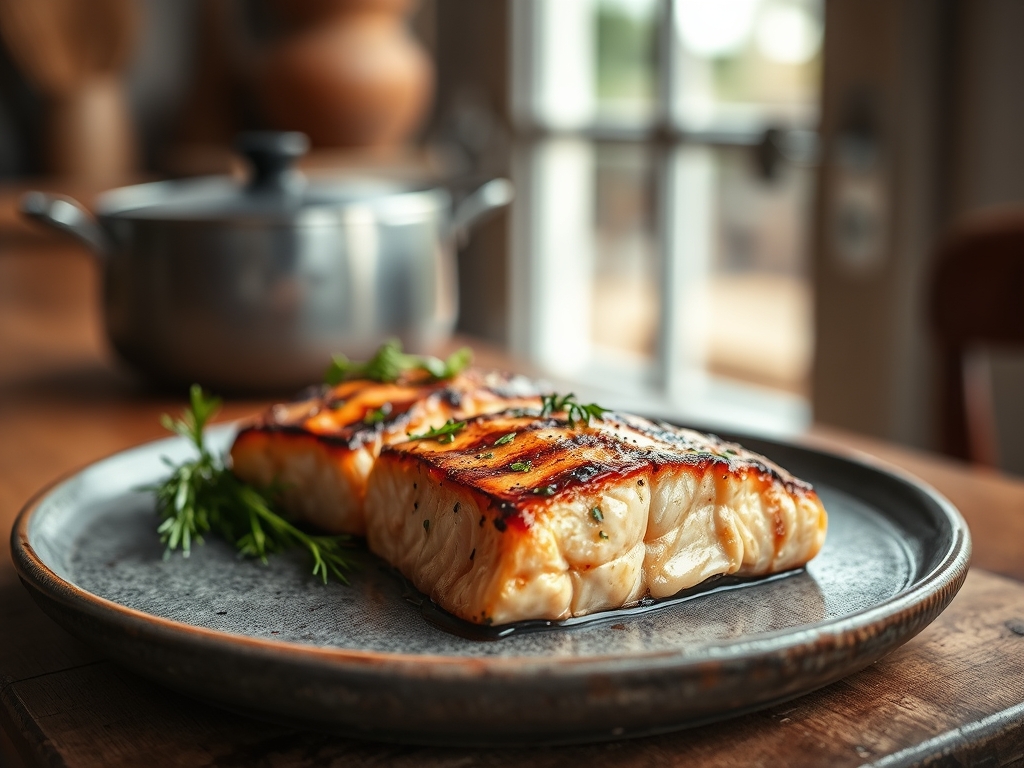
Imagine the scent of aromatic hickory smoke swirling around a pristine fillet of King salmon as it rests on a seasoned grate. The wood fire crackles while the fat begins to render; it transforms the flesh into a buttery masterpiece that flakes at the mere suggestion of a fork. When you master traeger grilled salmon recipes, you are not just cooking dinner; you are orchestrating a complex chemical transformation that balances heat, smoke, and moisture. This is the ultimate intersection of outdoor ruggedness and refined culinary science. We are going to dive deep into the molecular magic that turns a raw piece of fish into a smoky, succulent centerpiece. Whether you are hosting a backyard gala or just treating yourself to a Tuesday night win, these hacks will ensure your salmon is never dry, never dull, and always the smartest dish on the table.
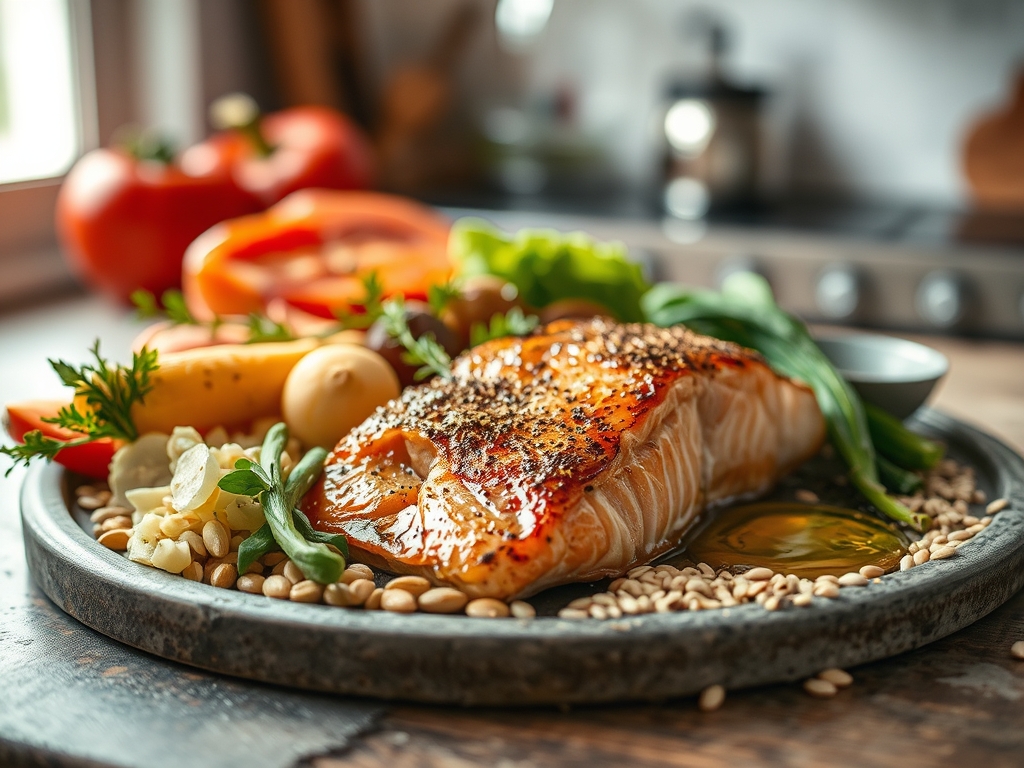
The Gathers:
Before we ignite the pellets, we must assemble our mise-en-place with precision. Start with a side of wild-caught salmon, preferably skin-on to act as a thermal barrier. You will need high-quality kosher salt for denaturing proteins, freshly cracked black pepper, and a fat source with a high smoke point like avocado oil or clarified butter. To add depth, gather fresh dill, a microplane for zesting organic lemons, and a high-quality maple syrup or honey to encourage the Maillard reaction.
Smart Substitutions: If you are avoiding refined sugars, use a splash of pomegranate molasses for a piquant acidity. No fresh dill? Use fennel fronds to provide a similar anise-like aromatic profile. If you lack a traditional Traeger rub, a blend of smoked paprika, garlic powder, and brown sugar creates a robust dry brine that mimics professional wood-fired flavor profiles. Use a digital scale to measure your salt; precisely 1.5 percent of the fish's weight is the golden ratio for seasoning.
The Clock
Efficiency in the kitchen is about understanding the "Chef's Flow." Total active preparation time is approximately 15 minutes, which includes trimming the pellicle and applying the seasoning. However, the "passive" time is where the magic happens. Plan for a 30-minute dry brine in the refrigerator to allow the salt to penetrate the muscle fibers.
The cook time itself is surprisingly swift. At a consistent 225 degrees Fahrenheit for a "low and slow" smoke, expect 45 to 60 minutes. If you are opting for a high-heat sear at 450 degrees, you are looking at a tight 12 to 15 minute window. Always factor in a 5-minute rest period. This allows the internal juices to redistribute, preventing them from rushing out the moment you slide your bench scraper or spatula under the skin.
The Masterclass
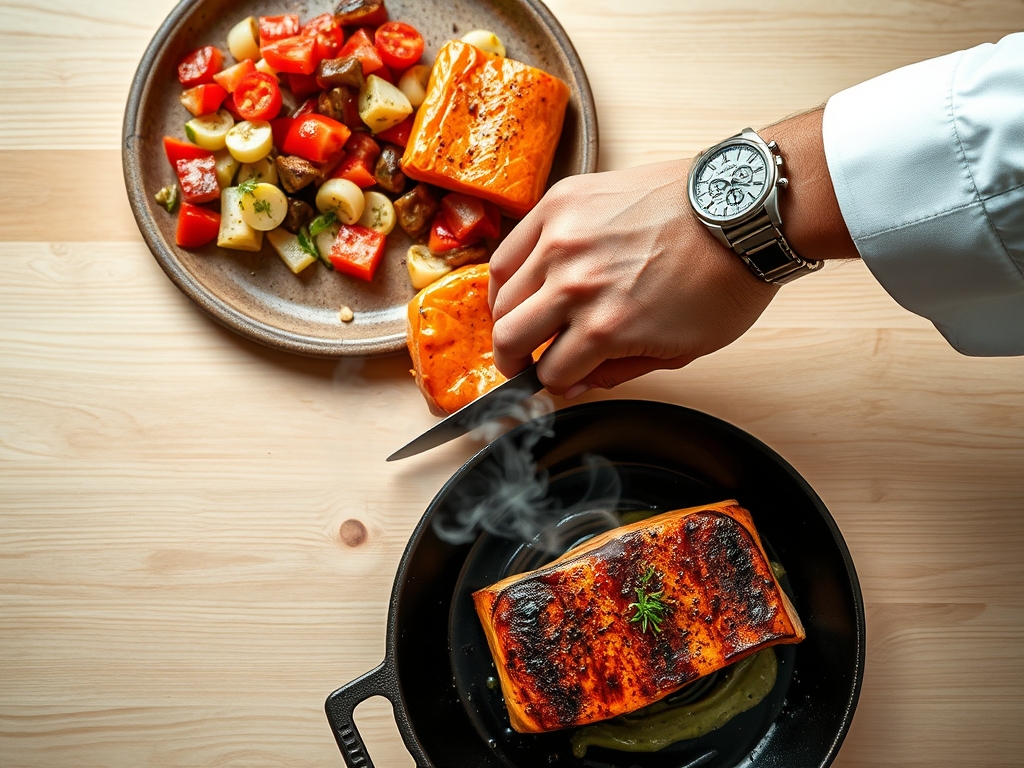
1. The Surface Preparation
Pat the salmon bone-dry using lint-free paper towels. Moisture is the enemy of texture; if the surface is damp, the fish will steam rather than sear. Use your microplane to shower the flesh with lemon zest, then apply a thin layer of oil to act as a binder for your spices.
Pro Tip: This process removes the "surface moisture" which prevents the formation of a pellicle. A pellicle is a thin, tacky layer on the surface of the fish that allows smoke particulates to adhere more effectively to the meat.
2. The Precision Seasoning
Apply your dry rub from a height of twelve inches to ensure even distribution. Focus on the thicker parts of the fillet, as these require more seasoning to penetrate the dense tissue. Use a saucier to warm a glaze of honey and soy sauce if you prefer a lacquered finish.
Pro Tip: Salt triggers osmosis, drawing moisture out and then reabsorbing the seasoned brine. This seasons the fish deeply and changes the protein structure so it retains more moisture during the cook.
3. Preheating the Chamber
Ignite your Traeger and set it to the desired temperature with the lid closed for at least 15 minutes. This ensures the internal porcelain grates are heat-soaked, which prevents sticking and promotes immediate thermal transfer.
Pro Tip: Using a "clean" fire is essential. If the smoke is thick and white, it is "dirty" and will leave a bitter creosote taste. Wait for the thin, blue smoke which indicates complete combustion of the wood pellets.
4. The Skin-Side Strategy
Place the salmon skin-side down on the grates. The skin acts as an organic heat shield, protecting the delicate fats from direct exposure to the heat source. Use long-handled tongs to position the fillet in the center of the drum for the most stable airflow.
Pro Tip: The skin contains a high concentration of collagen. As it heats, the collagen converts to gelatin, creating a moist barrier that prevents the flesh from overcooking and becoming "chalky."
5. Monitoring Internal Temperature
Do not cook by time; cook by temperature. Insert a digital meat thermometer into the thickest part of the fillet. For a buttery, medium-rare finish, aim for an internal temperature of 125 degrees Fahrenheit.
Pro Tip: Thermal carryover is a real phenomenon. The internal temperature will continue to rise by 3 to 5 degrees after the fish is removed from the grill. Pulling the fish early ensures it reaches the perfect final temp on the platter.
6. The Glaze Application
If using a viscous glaze, apply it only during the last 10 minutes of cooking. Use a silicone basting brush to coat the surface thinly. This prevents the sugars in the glaze from burning and becoming acrid before the fish is done.
Pro Tip: This creates a caramelization layer. The sugars react with the heat to form complex new flavor compounds that provide a sweet contrast to the salty smoke.
7. The Gentle Extraction
Use a wide metal spatula or a bench scraper to slide between the skin and the grates. If the fish resists, give it another minute. It will naturally "release" once the proteins have sufficiently firmed up.
Pro Tip: This is known as the Leidenfrost effect in some contexts, but here it is simply the structural integrity of the cooked protein outperforming the adhesion to the metal.
8. The Resting Phase
Transfer the salmon to a warm wooden board rather than a cold metal tray. Cover it loosely with foil; do not tent it tightly or the residual steam will soften the beautifully smoked exterior.
Pro Tip: Resting allows the viscous fats to thicken slightly, which locks in the moisture and makes the fish much easier to portion without shattering the flakes.
9. The Acidic Brightening
Just before serving, hit the salmon with a final squeeze of fresh lemon juice or a drizzle of cold-pressed olive oil. This cuts through the richness of the smoke and the fat, aerating the flavors on your palate.
Pro Tip: Acid breaks down the heavy fat molecules on the tongue, which "cleanses" the palate and allows the subtle nuances of the wood smoke (almond, cherry, or oak) to shine through.
The Deep Dive
Macro Nutrition: Salmon is a nutritional powerhouse, rich in Omega-3 fatty acids, high-quality protein, and Vitamin B12. A 6-ounce serving typically contains about 350 calories, 34 grams of protein, and 22 grams of healthy fats.
Dietary Swaps:
- Vegan: Use the same smoking techniques on thick "steaks" of cauliflower or extra-firm tofu pressed to remove moisture.
- Keto: Replace the honey or maple syrup in glazes with a monk fruit sweetener or simply stick to a savory herb and butter rub.
- GF: Ensure your soy sauce is substituted with Tamari or liquid aminos to keep the dish gluten-free.
The Fix-It:
- White Gunk (Albumin): If white beads appear on the surface, you are cooking too fast. Reduce the heat. It is harmless protein, but it means the muscle fibers are contracting too violently.
- Stuck Skin: If the skin sticks, your grates weren't clean or hot enough. Next time, rub a halved onion over the hot grates to create a natural non-stick coating.
- Over-Smoked Taste: This happens from restricted airflow. Ensure your chimney is open and you are using high-quality, food-grade pellets without fillers.
Meal Prep: To reheat without losing "day-one" quality, avoid the microwave. Place the salmon in a heavy-bottomed skillet with a tablespoon of water, cover with a lid, and warm over low heat. The steam gently rehydrates the proteins without overcooking the core.
The Wrap-Up
Mastering traeger grilled salmon recipes is about respecting the ingredients and understanding the physics of fire. By focusing on the pellicle, monitoring internal temperatures with a digital scale or thermometer, and allowing for proper resting, you elevate a simple fillet into a culinary event. The smoke provides the soul, the Traeger provides the precision, and you provide the flair. Now, go fire up those pellets and show that salmon who is boss!
The Kitchen Table
How do I prevent my salmon from drying out?
Maintain a low temperature and pull the fish at 125 degrees Fahrenheit. The thermal carryover will bring it to a perfect 130 degrees. Brining the fish beforehand also helps the cells retain moisture during the smoking process.
What is the best wood pellet for salmon?
Fruitwoods like alder, cherry, or apple are superior for seafood. They provide a delicate, sweet smoke that does not overwhelm the natural flavor of the fish. Avoid heavy woods like mesquite, which can produce an overly bitter profile.
Should I flip the salmon on the Traeger?
No flipping is required. The convection heat of the Traeger cooks the fish evenly from all sides. Keeping the skin-side down the entire time protects the flesh and ensures the fillet stays intact for a beautiful presentation.
How do I know when the salmon is done?
The most reliable method is using a digital thermometer to hit 125-130 degrees Fahrenheit. Visually, the flesh should change from translucent to opaque and should flake easily when pressed gently with a fork or a pair of tongs.