
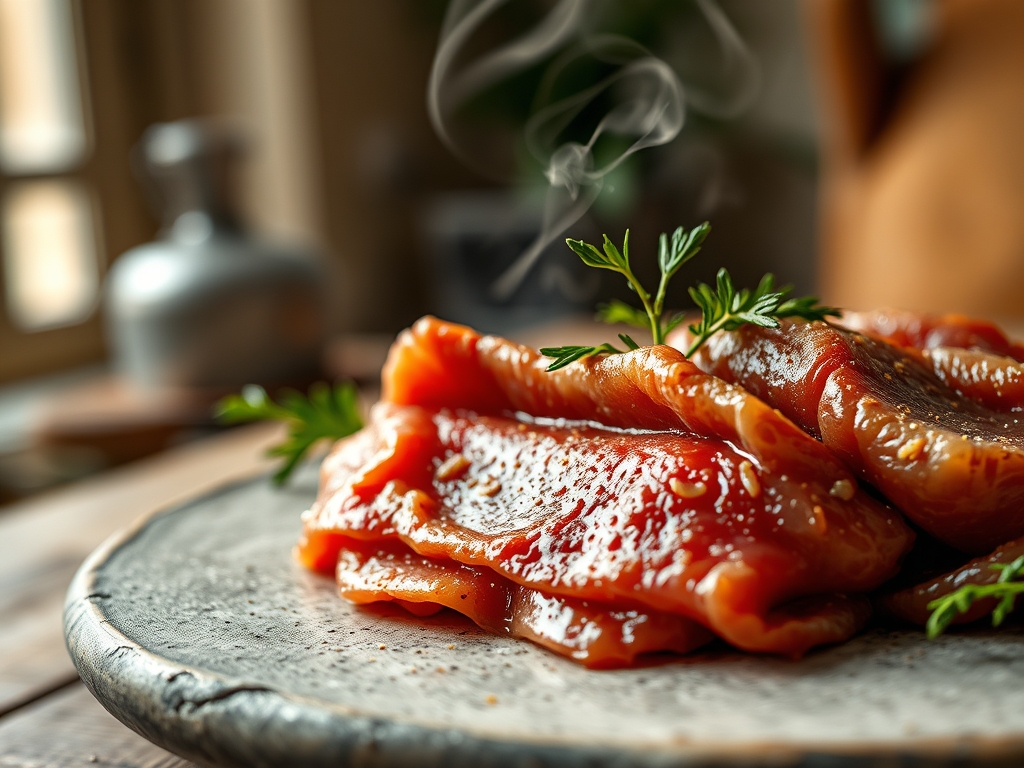
Picture the sizzle as cold protein hits a screaming hot cast iron surface; that immediate, intoxicating scent is the Maillard reaction in full swing. When you are navigating the complexities of a sensitive gut, finding raw beef recipes that do not sacrifice flavor for digestibility feels like a culinary scavenger hunt. We are transforming humble ground beef into ten distinct, Low-FODMAP masterpieces that prioritize gut health without losing that rich, savory depth.
Ground beef is the ultimate canvas for a home chef. It is accessible, versatile, and packed with bioavailable iron and zinc. However, the traditional aromatics like garlic and onions are strictly off-limits in a Low-FODMAP kitchen. This is where we get smart with science. By leveraging the fat-soluble nature of flavor compounds, we can infuse oils with the essence of those forbidden ingredients without the fermentable carbohydrates that cause distress. We are not just cooking dinner; we are engineering a metabolic-friendly feast that satisfies your cravings and your microbiome.
Whether you are prepping a zesty Korean beef bowl or a refined Mediterranean kofta, the secret lies in the quality of your starting material. Look for grass-fed options with an 80/20 lean-to-fat ratio. That 20 percent fat is not just for calories; it is the vehicle for flavor and the key to a moist, tender result that avoids the dreaded grainy texture of overcooked lean meat.
The Gathers:
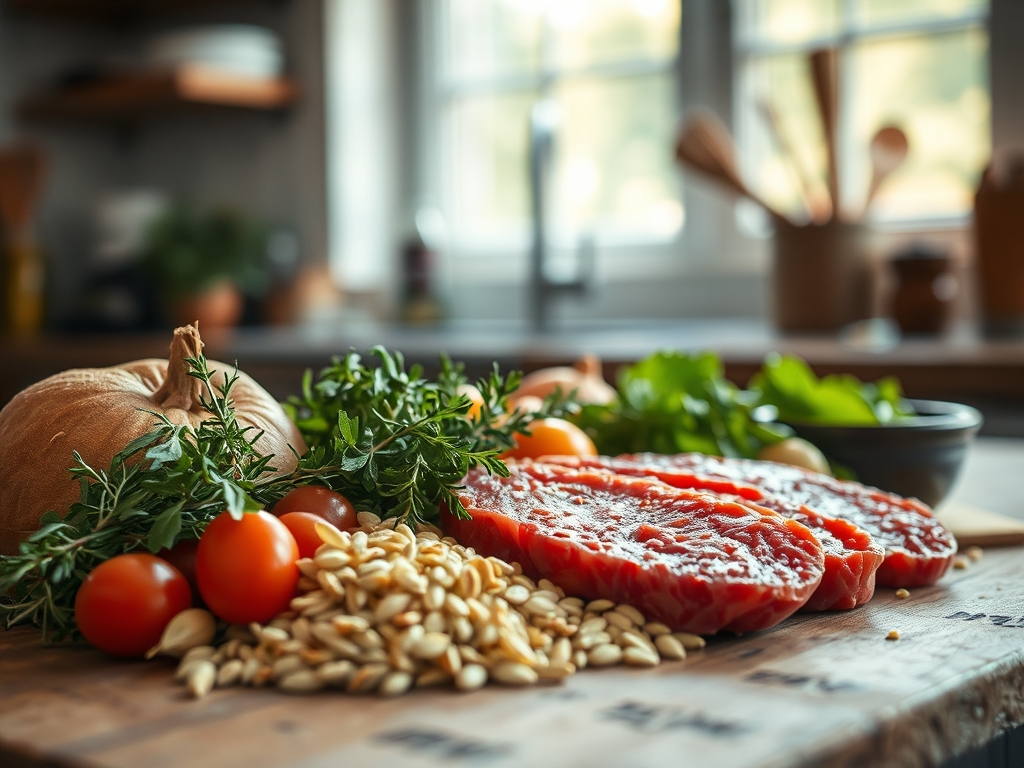
The mise-en-place for these recipes requires a strategic selection of ingredients that mimic the complexity of high-FODMAP staples. Start with your digital scale to ensure precise portions; consistency is the hallmark of a professional kitchen. You will need a high-quality garlic-infused oil, which provides the piquant aroma of garlic without the fructans. For acidity, keep a bottle of rice wine vinegar and fresh lemons nearby. Use a microplane to zest citrus and grate fresh ginger, which provides a bright, anti-inflammatory kick.
Smart Substitutions are your best friend here. Instead of onion, use the green tops of scallions or fresh chives. These parts of the plant are Low-FODMAP but still offer that essential allium bite. For umami, reach for coconut aminos or a gluten-free tamari. These liquids provide a viscous richness and saltiness that enhances the natural beefiness of the meat. Do not forget the crunch; toasted sesame seeds and water chestnuts add structural contrast to the soft protein.
Finally, stock up on "safe" binders. Traditional breadcrumbs are out, but gluten-free oats or even mashed potatoes can act as a panade. A panade is a mixture of starch and liquid that prevents protein fibers from contracting too tightly during cooking, ensuring your meatballs and patties remain succulent rather than rubbery.
The Clock
Efficiency in the kitchen is all about the "Chef's Flow." This is the psychological state where your movements are deliberate and sequential. For these ten meals, expect a prep time of 15 minutes and a cook time of 20 minutes per dish. The total commitment is roughly 35 minutes from fridge to table.
The flow begins with the "cold prep." Chop all your greens, whisk your sauces, and measure your spices before the stove is even turned on. Once the heat is introduced, things move fast. By organizing your workspace with a bench scraper to clear debris, you maintain a clean, high-functioning environment. This prevents the frantic searching for a spatula while your beef is over-browning. Remember, timing is a physical ingredient; respect it, and the results will follow.
The Masterclass
1. Tempering the Protein
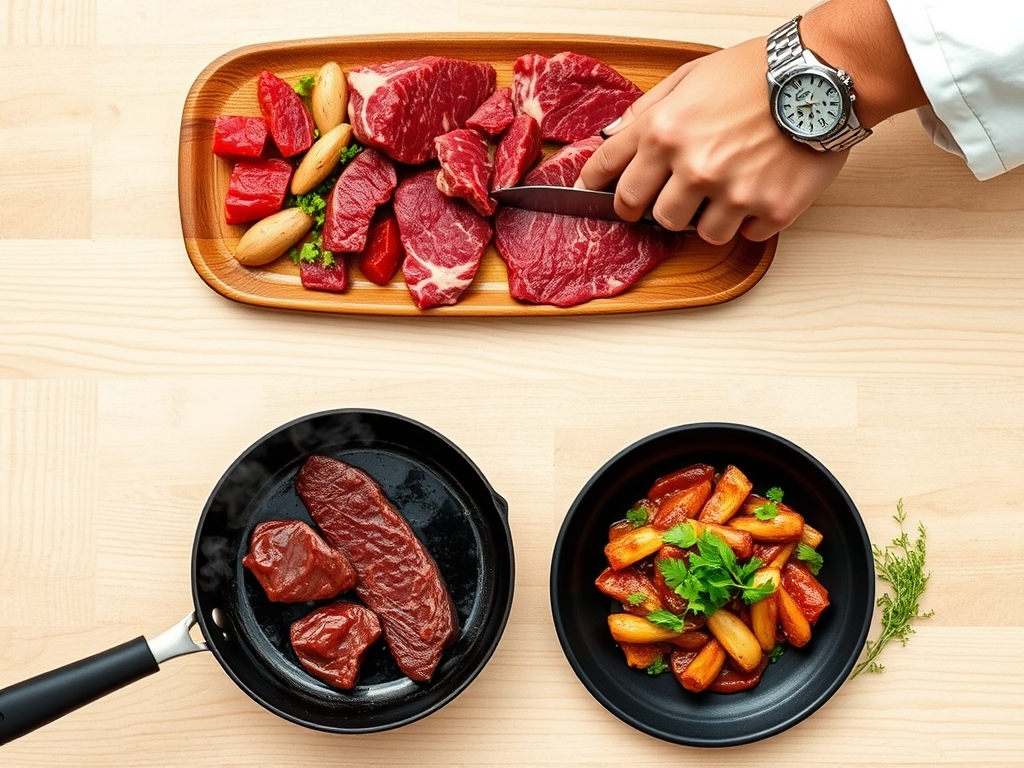
Remove your ground beef from the refrigerator 20 minutes before cooking. Using cold meat in a hot pan causes the muscle fibers to seize, resulting in a tough texture.
Pro Tip: This allows for more even thermal conductivity. When the meat is closer to room temperature, the heat penetrates the center more efficiently, preventing the outside from burning before the inside is safe to eat.
2. The Sear and Render
Heat a heavy-bottomed skillet over medium-high heat. Add a tablespoon of infused oil. Once the oil shimmers, add the beef in a single layer. Do not crowd the pan; if you hear a hiss instead of a roar, you have too much meat in the pan, which will cause it to steam in its own juices.
Pro Tip: This stage is all about lipid rendering. As the fat melts, it fries the protein, creating a crust. Avoid moving the meat for the first three minutes to allow the Maillard reaction to fully develop those complex flavor molecules.
3. Deglazing the Fond
Once the meat is browned and removed, you will see brown bits stuck to the bottom of the pan. This is called "fond." Pour in a splash of beef broth or dry wine and use a wooden spoon to scrape it up.
Pro Tip: This is the process of deglazing. The liquid dissolves the caramelized proteins and sugars, creating a built-in sauce base that carries the concentrated essence of the beef.
4. Aerating the Sauce
If you are making a sauce-heavy dish like a Bolognese or a stir-fry, add your liquid ingredients and use a saucier or a whisk to combine.
Pro Tip: When you whisk vigorously, you aerate the sauce, which lightens the texture and helps emulsify any added fats with the water-based liquids, preventing a greasy mouthfeel.
5. The Rest
Never serve meat immediately after it leaves the heat. Transfer your beef to a warm plate and tent it loosely with foil for five minutes.
Pro Tip: This accounts for thermal carryover. The internal temperature will continue to rise by about five degrees, and the muscle fibers will relax, allowing the juices to redistribute so they do not run out the moment you take a bite.
The Deep Dive
From a macro perspective, ground beef is a nutritional powerhouse. A 4-ounce serving of 80/20 beef provides approximately 20 grams of protein and 20 grams of fat. It is naturally zero-carb, making it a staple for Keto and Paleo diets. For those looking for a leaner profile, 90/10 beef is an option, though you may need to add a splash of bone broth to maintain moisture.
If you are looking for dietary swaps, you can easily substitute ground turkey or chicken, though you will lose that specific iron-rich flavor profile. For a vegan "beef" experience that stays Low-FODMAP, firm tofu crumbled with a pastry cutter and seasoned with smoked paprika and tamari can mimic the texture of ground meat.
The Fix-It: Common Pitfalls
- The Gray Meat Syndrome: This happens when the pan is too cold or too crowded. The fix? Cook in batches and ensure your skillet is preheated until the oil barely smokes.
- The Salt Overload: If you over-salted, do not panic. Add a splash of acidity, like lime juice, or a pinch of sugar to balance the palate.
- The Dry Texture: If the beef feels like sawdust, you likely over-rendered the fat. The fix? Stir in a tablespoon of cold butter or a splash of full-fat coconut milk at the very end to re-introduce creaminess.
Meal Prep Science
To maintain "day-one" quality when reheating, avoid the microwave if possible. Reheat in a skillet with a tablespoon of water or broth. This creates a small steam chamber that rehydrates the protein fibers. If you must use a microwave, cover the dish with a damp paper towel to prevent the moisture from escaping into the machine's vent system.
The Wrap-Up
Cooking Low-FODMAP does not mean you are relegated to a life of bland, boiled proteins. By understanding the chemistry of the Maillard reaction and the importance of proper tempering, you can turn raw beef recipes into gourmet experiences. Use your tools, trust your senses, and remember that flavor is built in layers. You have the science; now go make something delicious!
The Kitchen Table
What is the best fat ratio for Low-FODMAP beef?
An 80/20 ratio is ideal. The fat provides essential flavor and moisture, which is crucial since we are avoiding moisture-rich aromatics like onions. It ensures a tender mouthfeel without the need for high-FODMAP additives.
Can I use pre-packaged taco seasoning?
Most commercial seasonings contain garlic and onion powder. It is safer to blend your own using cumin, smoked paprika, oregano, and chili flakes. This gives you total control over the ingredients while keeping the flavor profile authentic.
How do I get a deep brown sear?
Pat the meat dry with paper towels before cooking. Surface moisture creates steam, which prevents browning. A dry surface allows the protein to bond directly with the hot oil, triggering the Maillard reaction immediately.
Is grass-fed beef better for gut health?
Grass-fed beef typically has a higher ratio of Omega-3 fatty acids and CLA. These are anti-inflammatory fats that can be gentler on a sensitive digestive system compared to the higher Omega-6 content found in grain-fed alternatives.