
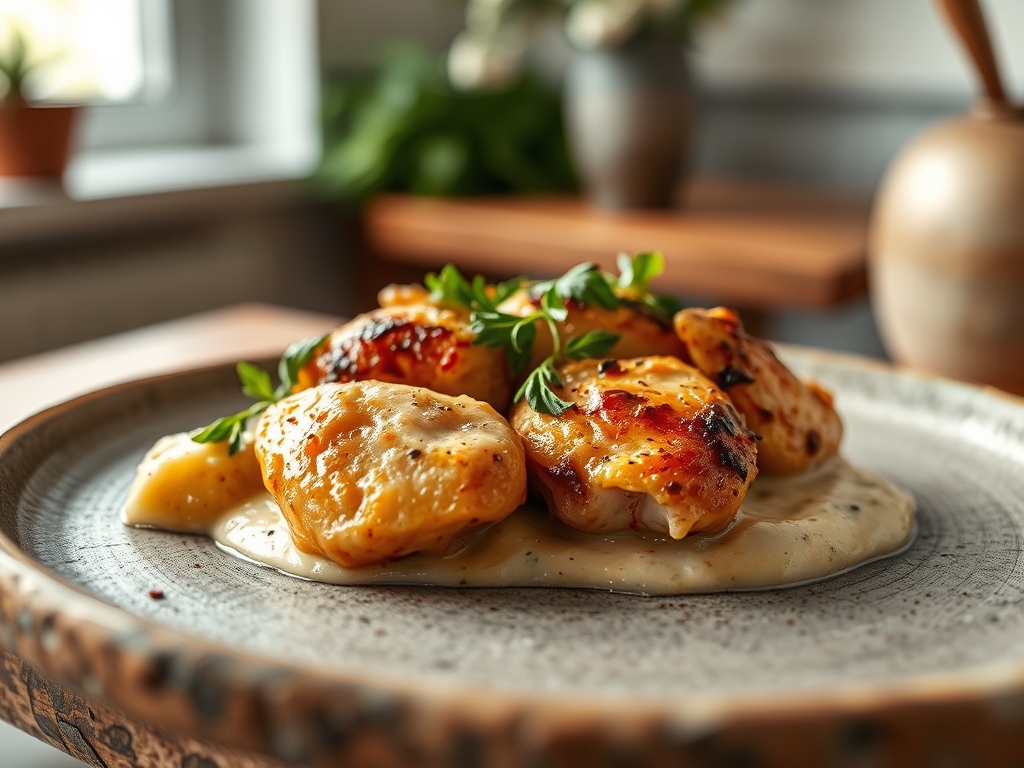
Imagine the sound of a heavy lid sliding onto a cast iron dutch oven; it is the universal signal for comfort. When the wind picks up and the daylight fades, we crave the specific, velvet luxury found in chicken and cream of chicken recipes. This is not just a meal; it is a thermal hug for your soul. We are talking about a soup so thick it coats the back of a silver spoon, punctuated by the earthy, umami depth of wild mushrooms and the tender pull of poached poultry.
The secret to this particular comfort lies in the architecture of the broth. We are moving beyond the watery cans of our childhood and stepping into a world where high-quality fats and precise heat management create a masterpiece. By understanding the chemistry of a proper roux and the way mushrooms behave under pressure, you can transform humble pantry staples into a five-star experience. Whether you are feeding a crowd or just looking for a quiet night of solo indulgence, mastering these techniques ensures every bowl is a triumph of texture and taste. Let us get your kitchen smelling like a Parisian bistro.
The Gathers:
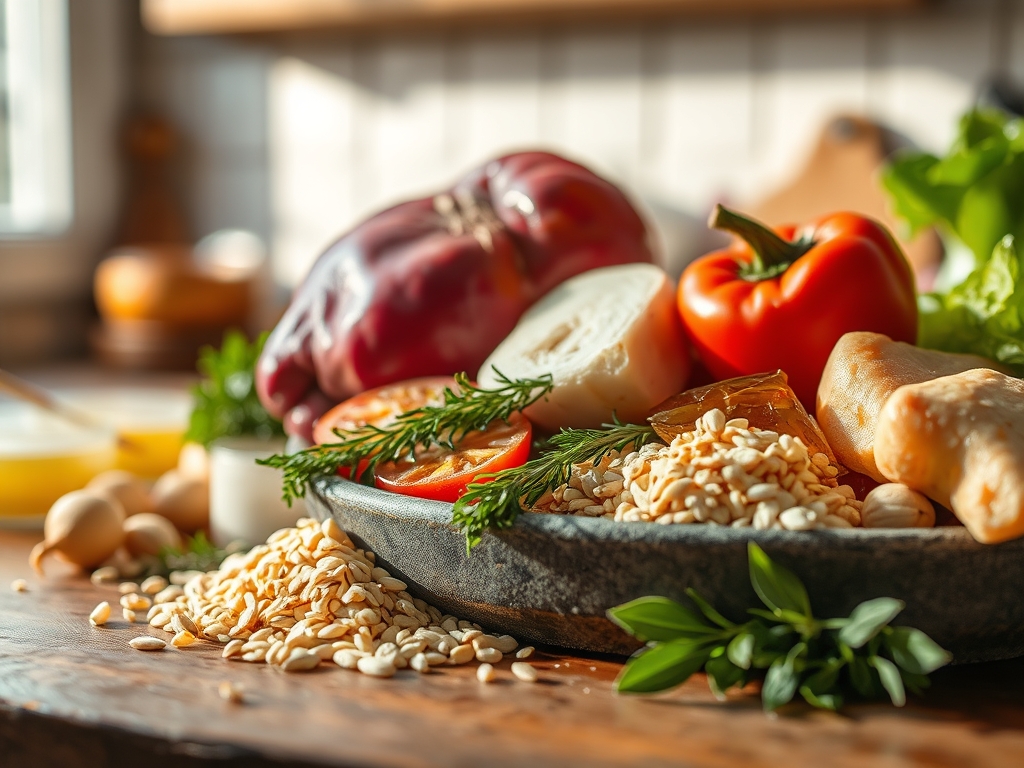
Before we ignite the burner, we must respect the mise-en-place. Use a bench scraper to organize your workstation; it keeps your board clear and your mind focused. You will need 1.5 pounds of chicken thighs, as they contain more connective tissue than breasts, which breaks down into gelatin for a superior mouthfeel. For the fungi, gather a mix of Cremini and Shiitake. These varieties contain high concentrations of glutamate, the molecule responsible for that savory "fifth taste" we call umami.
Your liquid gold consists of high-quality chicken stock and heavy cream. Do not skimp on the fat content here; fat is the primary vehicle for flavor molecules that are not water-soluble. You will also need unsalted butter, all-purpose flour for the thickener, and a microplane for grating fresh garlic and a hint of nutmeg. Nutmeg contains myristicin, which adds a subtle, woody complexity that bridges the gap between the cream and the mushrooms.
Smart Substitutions: If you are avoiding dairy, a full-fat coconut milk provides the necessary viscous quality, though you should add a teaspoon of white miso paste to mimic the fermented tang of dairy. For a gluten-free thickener, swap the flour for a slurry of arrowroot powder. Arrowroot creates a glossy, translucent finish that does not cloud the vibrant colors of your vegetables the way cornstarch might.
The Clock
Efficiency in the kitchen is about "Chef's Flow." This recipe requires 15 minutes of active preparation and 35 minutes of cooking time. Total investment: 50 minutes. The flow begins with the "High-Heat Phase," where we focus on browning, followed by the "Low-Heat Phase," where we encourage infusion.
By the time your chicken is resting, your mushrooms should be hitting the pan. This staggered approach ensures that no ingredient is overcooked or mushy. Use a digital scale to measure your flour and butter for the roux; precision here prevents the soup from becoming a paste. While the soup simmers, you have a 15-minute window to clean your tools and prep a side of crusty bread.
The Masterclass
1. The Maillard Sear
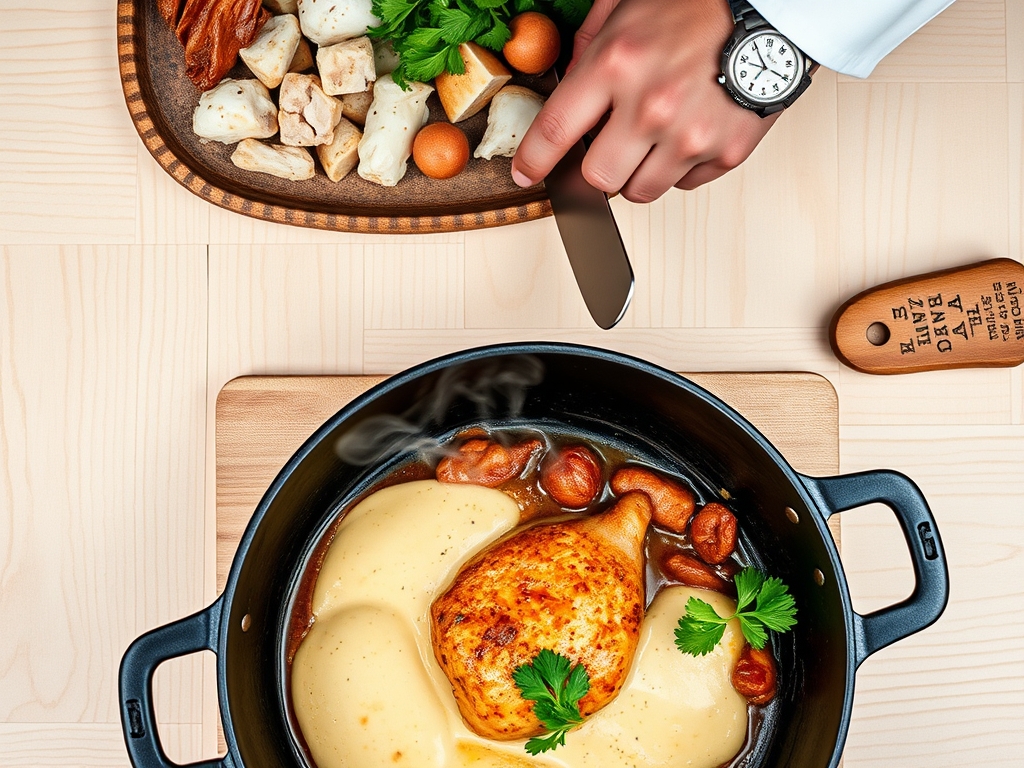
Pat your chicken dry with paper towels to remove surface moisture. Heat your heavy-bottomed skillet with a tablespoon of high-smoke-point oil. Place the chicken skin-side down and do not move it for four minutes.
Pro Tip: This relies on the Maillard Reaction, a chemical reaction between amino acids and reducing sugars that creates hundreds of different flavor compounds. If the meat is wet, the energy goes into evaporating water rather than browning, resulting in gray, steamed meat.
2. Mushroom Dehydration
Remove the chicken and add your sliced mushrooms to the rendered fat. Do not add salt yet. Cook them until they release their liquid and it completely evaporates.
Pro Tip: Mushrooms are roughly 90 percent water. By waiting to salt them, you allow the internal structure to collapse and the sugars to caramelize. If you salt too early, you trigger osmosis, drawing out water and boiling the mushrooms in their own juices instead of searing them.
3. The Golden Roux
Lower the heat and add your butter. Once melted, whisk in the flour using a saucier or a silicone-coated whisk. Cook the mixture for three minutes until it smells like toasted hazelnuts.
Pro Tip: Cooking the roux is essential to neutralize the "cereal" taste of raw flour. This process also dextrinizes the starch, breaking long chains into shorter ones, which provides a smoother, more stable thickening power that won't break during reheating.
4. The Gradual Temper
Slowly pour in your stock, one splash at a time, whisking vigorously between additions. Once smooth, add the cream and bring to a gentle simmer.
Pro Tip: This technique prevents clumping through emulsification. By adding liquid slowly, you allow the starch granules to swell and disperse evenly. A sudden deluge of cold liquid would cause the fats and starches to seize, creating a grainy texture.
5. The Gentle Poach
Return the chicken to the pot. Reduce the heat to the lowest setting and cover. Use a digital thermometer to check the internal temperature of the chicken; pull it at 165 degrees Fahrenheit.
Pro Tip: This is the "Low and Slow" principle. High heat causes muscle fibers to contract violently, squeezing out moisture. By keeping the liquid at a "lazy bubble," you ensure thermal carryover finishes the cooking process gently, leaving the meat succulent.
The Deep Dive
From a nutritional standpoint, this soup is a powerhouse of protein and Vitamin D, especially if you use sun-dried mushrooms. A standard serving contains approximately 380 calories, with 22 grams of protein and 14 grams of carbohydrates. To make this Keto-friendly, simply omit the flour and thicken the soup by reducing the heavy cream by one-third or whisking in two tablespoons of cream cheese.
The Fix-It:
- Too Salty? Do not add water; it dilutes the body. Instead, add a peeled, halved potato. The starch acts as a molecular sponge, absorbing excess sodium.
- Too Thin? Never add raw flour. Create a "beurre manie" by mixing equal parts softened butter and flour into a paste, then whisking small knobs into the simmering broth.
- Broken Sauce? If the cream curdles, it is likely due to high acidity or heat. Remove from heat and use an immersion blender to re-emulsify the fats.
Meal Prep Science: To maintain "day-one" quality, cool the soup rapidly in an ice bath before refrigerating. This prevents the growth of thermophilic bacteria. When reheating, add a tablespoon of milk to loosen the viscous proteins that set in the fridge. Heat on low to avoid scorching the delicate dairy solids.
The Wrap-Up
You have just navigated the complex world of chicken and cream of chicken recipes with the precision of a scientist and the heart of a chef. By focusing on the Maillard reaction, the physics of a roux, and the patience of a slow poach, you have elevated a simple soup into a culinary event. Your kitchen is now a sanctuary of warmth and sophisticated flavor. Go ahead, grab your favorite bowl, and enjoy the fruits of your labor. You earned every savory drop.
The Kitchen Table
Can I use chicken breasts instead of thighs?
Yes, but reduce the simmering time. Breasts lack the collagen of thighs and will become stringy if overcooked. Use a digital thermometer to ensure they reach exactly 165 degrees Fahrenheit for the best texture.
How do I prevent my mushrooms from getting slimy?
Avoid washing mushrooms under running water; they act like sponges. Instead, use a damp cloth or a soft brush to remove debris. Searing them in a hot, dry pan before adding fats ensures a firm, meaty bite.
What is the best way to store leftovers?
Store in airtight glass containers for up to four days. Glass is non-porous and won't absorb the piquant garlic aromas. Leave a half-inch of headspace if freezing to allow for liquid expansion without breaking the seal.
Why did my cream soup curdle?
Curdling happens when proteins denature and clump together, often due to boiling or adding acidic ingredients like lemon juice too early. Always keep the soup at a gentle simmer and stir in acidic finishes just before serving.