
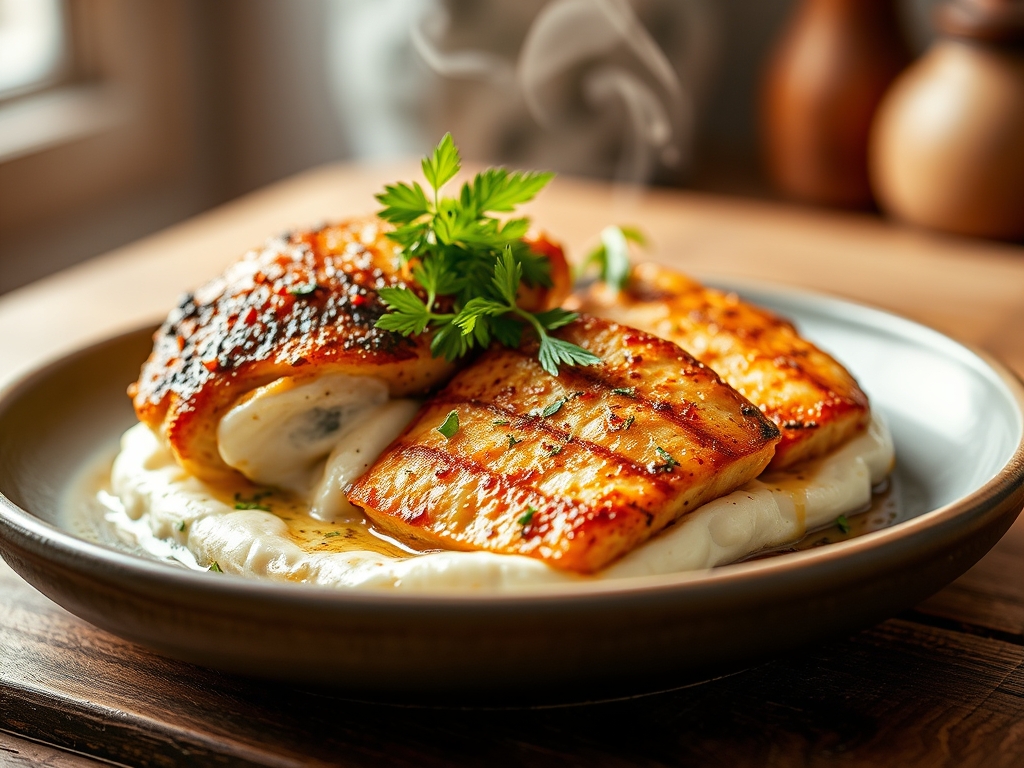
Picture this: a heavy-bottomed skillet sizzling on the stove while the scent of searing poultry fills your kitchen. You crave that velvety, decadent sauce that usually requires a pint of heavy cream, but your fitness goals are whispering otherwise. This is where cottage cheese and chicken recipes become your secret culinary weapon. By harnessing the power of high-protein curds, we can achieve a luxurious, viscous texture that rivals any French mother sauce without the caloric overhead. It is about working smarter, not harder, in the kitchen. We are going to transform humble ingredients into a five-star experience that feels like a cheat meal but fuels like a pro athlete's diet.
The magic lies in the molecular structure of the dairy. When you blend cottage cheese, you are essentially creating a stable emulsion of casein and whey that acts as a thickener and flavor carrier. Paired with the lean, neutral canvas of chicken breast or the rich, rendered fat of chicken thighs, you get a profile that is both piquant and comforting. Whether you are looking for a post-workout power bowl or a sophisticated dinner party centerpiece, these nine pairings will redefine how you view healthy cooking. We are not just making dinner; we are conducting a delicious experiment in texture and taste.
The Gathers:
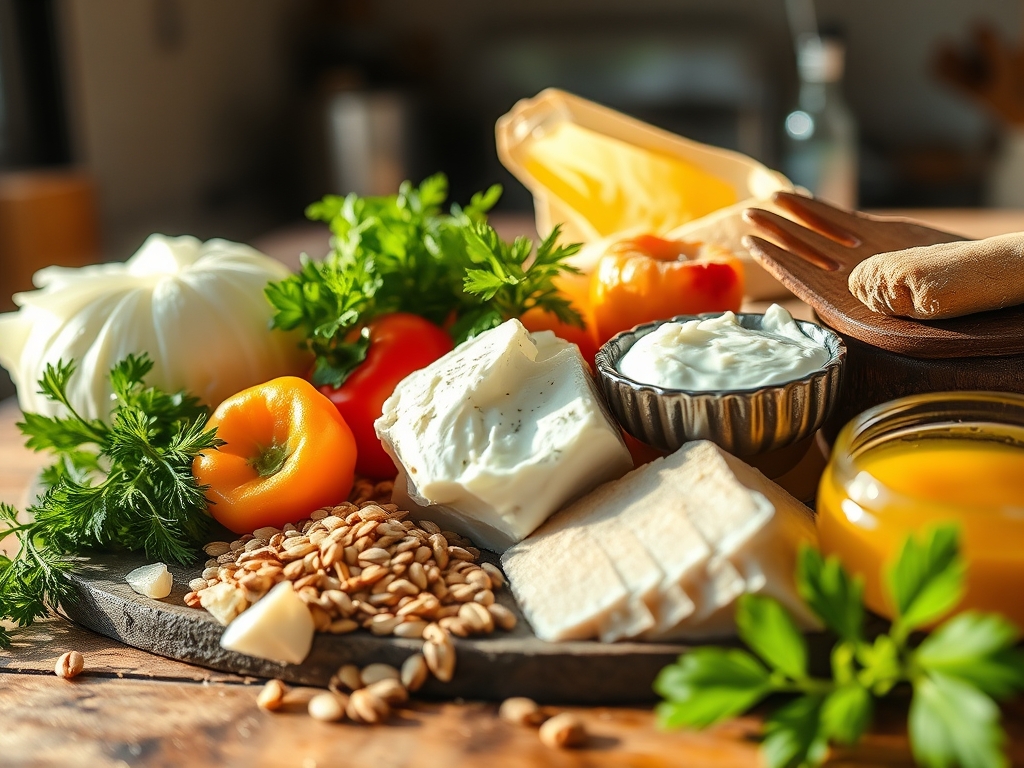
To master these cottage cheese and chicken recipes, your mise-en-place must be precise. Start with high-quality, small-curd cottage cheese; the higher fat content (4 percent) provides a more stable emulsion when heated. For the poultry, organic air-dried chicken offers a superior sear because it lacks the excess water weight of brine-injected alternatives. You will also need aromatics: fresh garlic cloves, shallots for a delicate sweetness, and perhaps a bunch of lacinato kale or baby spinach to add a fibrous snap to the dish.
Smart Substitutions: If you are watching your sodium, look for "no salt added" cottage cheese and season manually with a microplane-grated touch of lemon zest to brighten the flavors. For those who prefer a tangier profile, you can swap a portion of the cottage cheese for Greek yogurt, though you must be careful with heat to avoid curdling. If you want a dairy-free approach that mimics this texture, a blend of soaked cashews and nutritional yeast provides a similar savory depth, though the protein profile will shift. Always keep a high-quality olive oil and a block of Parmigiano-Reggiano nearby to finish the dish with a salty, umami punch.
The Clock
Efficiency in the kitchen is all about the Chef's Flow. For these recipes, expect a total time of 30 to 45 minutes. The preparation phase takes about 15 minutes; this includes dicing your aromatics with a sharp chef's knife and blending your cottage cheese in a high-speed processor until it is completely smooth. You want a consistency that mimics heavy cream.
The cooking phase typically lasts 20 minutes. You will spend the first 8 minutes achieving a perfect Maillard reaction on the chicken. The remaining time is dedicated to deglazing the pan and simmering the sauce. By prepping your ingredients while the pan preheats, you eliminate dead time. This ensures that the chicken stays succulent while the sauce reaches its peak viscosity.
The Masterclass
1. Sear and Render
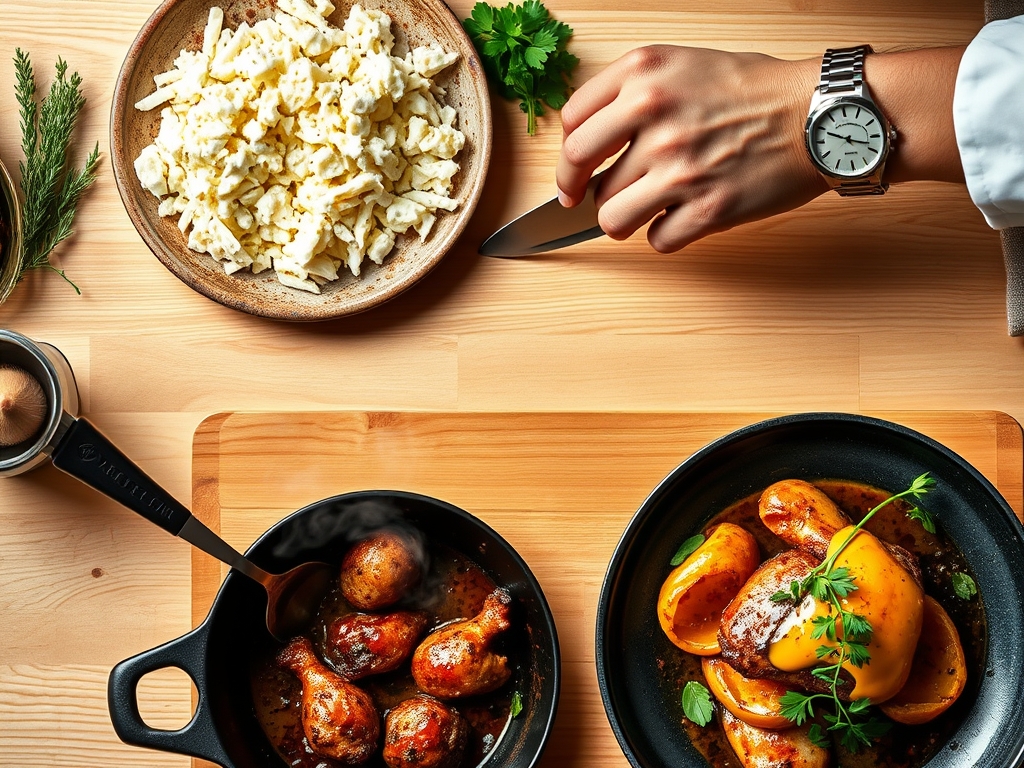
Place your chicken in a preheated heavy-bottomed skillet with a high-smoke-point oil. Do not crowd the pan; this leads to steaming rather than searing. Use tongs to flip the meat only once a golden-brown crust has formed.
Pro Tip: This crust is the result of the Maillard reaction, a chemical reaction between amino acids and reducing sugars that creates hundreds of different flavor compounds. Achieving this early ensures a deep, savory foundation for your sauce.
2. Deglaze and Infuse
Remove the chicken and set it aside on a warm plate. Add your minced shallots and garlic to the pan, using a wooden spoon to scrape up the brown bits (the fond). Pour in a splash of dry white wine or chicken stock to release those flavors back into the liquid.
Pro Tip: Deglazing captures the concentrated juices left in the pan. The alcohol in wine acts as a solvent, extracting fat-soluble flavor molecules that water alone cannot reach.
3. The Emulsion Phase
Lower the heat significantly before adding your blended cottage cheese. Whisk the mixture constantly to incorporate the fond and aromatics into the dairy. The goal is a smooth, ivory-colored sauce that coats the back of a spoon.
Pro Tip: Cottage cheese is prone to "breaking" or graininess if exposed to high heat too quickly. Keeping the temperature low prevents the proteins from tightening and squeezing out the moisture, ensuring a viscous finish.
4. Reintegration and Rest
Return the chicken to the skillet, nestling it into the sauce. Allow it to simmer for just two minutes to reach an internal temperature of 165 degrees Fahrenheit. Remove from heat and let the dish sit for three minutes before serving.
Pro Tip: This resting period allows for thermal carryover, where the internal temperature continues to rise slightly. It also lets the muscle fibers relax, ensuring the juices stay inside the meat rather than spilling onto the plate.
The Deep Dive
When we look at the macro nutrition of these cottage cheese and chicken recipes, the numbers are staggering. A standard serving provides roughly 45 grams of protein with minimal fats, depending on your choice of chicken cut. This makes it an ideal "volume eating" strategy; you get a massive amount of food for a relatively low caloric density.
For dietary swaps, Keto followers should stick to full-fat cottage cheese and chicken thighs to keep the fat-to-protein ratio in check. Gluten-Free diners are already safe here, as the cottage cheese acts as the primary thickening agent, removing the need for a flour-based roux.
The Fix-It:
- Grainy Sauce: This happens if the heat was too high. Fix it by removing from heat and whisking in a tablespoon of cold heavy cream or Greek yogurt to stabilize the emulsion.
- Bland Profile: If the dish lacks "pop," you likely need acid. Add a squeeze of fresh lemon juice or a teaspoon of Dijon mustard to brighten the fats.
- Thin Consistency: If the sauce is too watery, use a saucier to reduce the liquid further before adding the dairy, or whisk in a pinch of xanthan gum for immediate thickening.
For meal prep, reheating requires science. Do not microwave on high; the intense radiation will cause the cottage cheese proteins to rubberize. Instead, reheat in a pan over low heat with a tablespoon of water or milk to loosen the sauce back to its original glory.
The Wrap-Up
Mastering cottage cheese and chicken recipes is like unlocking a cheat code for your kitchen. You are blending the high-protein efficiency of modern fitness cooking with the soulful, rich textures of traditional comfort food. By understanding the chemistry of the sear and the delicate nature of dairy emulsions, you can create meals that are as impressive to look at as they are to eat. So, grab your favorite skillet, blend those curds, and get ready to impress yourself. Your weeknight dinners just got a serious upgrade.
The Kitchen Table
Can I use fat-free cottage cheese for these recipes?
Yes, but be cautious. Fat-free versions lack the stabilizing lipids found in full-fat dairy, making them more likely to split under high heat. Whisk them in at the very end on the lowest possible setting to maintain a smooth texture.
How do I prevent the chicken from getting dry?
Use a digital scale to ensure even portions and a meat thermometer to pull the chicken at 160 degrees. Let it rest for five minutes; the carryover heat will bring it to a safe 165 degrees while keeping it succulent.
What are the best herbs for these pairings?
Fresh tarragon, dill, or chives work beautifully. These "soft" herbs should be added at the very end of the cooking process to preserve their volatile oils and vibrant green color, which would otherwise be muted by the heat.
Can I freeze these cottage cheese and chicken dishes?
Freezing is not recommended. The freezing and thawing process disrupts the protein structure of the cottage cheese, often resulting in a watery, separated mess. These dishes are best enjoyed fresh or kept in the refrigerator for up to three days.