
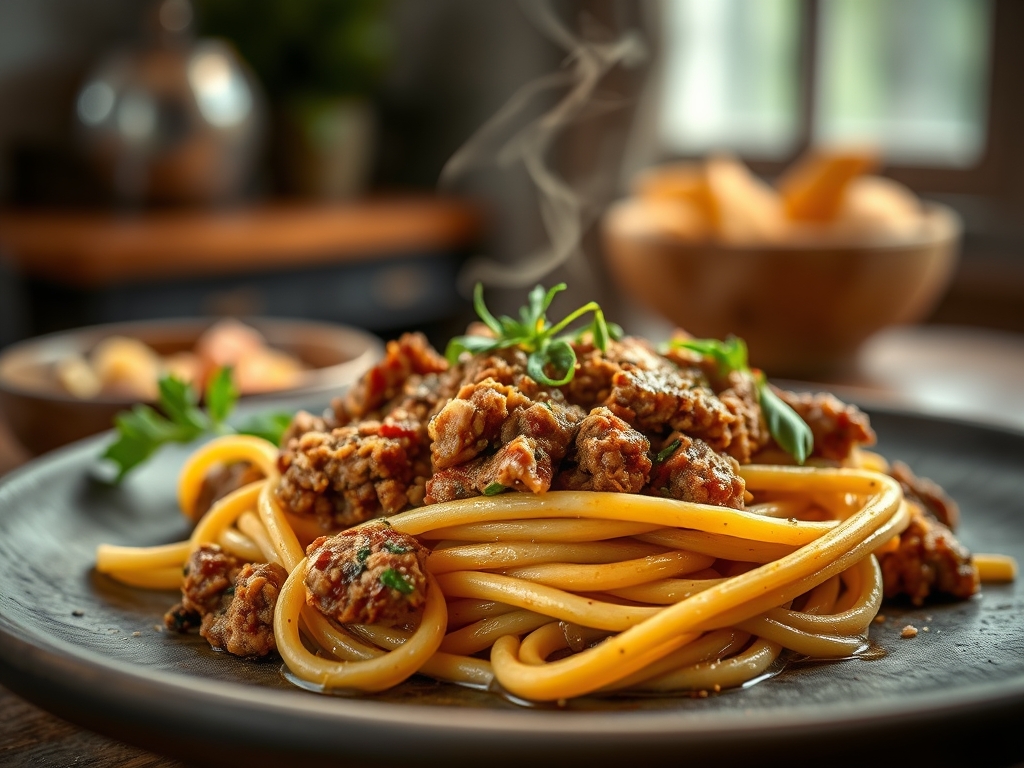
Imagine a kitchen filled with the scent of toasted garlic and searing protein; it is the ultimate sensory invitation. When you are craving comfort but want something lighter than beef, ground chicken recipes with pasta offer the perfect canvas for flavor. This combination provides a lean, high-protein base that absorbs sauces with incredible efficiency, creating a meal that feels both indulgent and remarkably clean.
Ground chicken is the chameleon of the culinary world. Unlike its more aggressive counterparts, it carries a delicate profile that allows piquant herbs and rich cheeses to shine. Whether you are tossing it with a silky fettuccine or stuffing it into jumbo shells, the texture remains tender and the finish remains light. We are moving beyond the basic red sauce today. We are exploring the science of emulsification and the magic of a perfectly deglazed pan.
The beauty of these ground chicken recipes with pasta lies in the speed of the cook. Because the meat is finely ground, it boasts a massive surface area. This means more Maillard reaction per bite and a significantly faster transition from fridge to table. Grab your favorite heavy-bottomed skillet and a glass of something crisp. We are about to transform a simple pound of poultry into ten distinct, restaurant-quality masterpieces that will redefine your weeknight rotation.
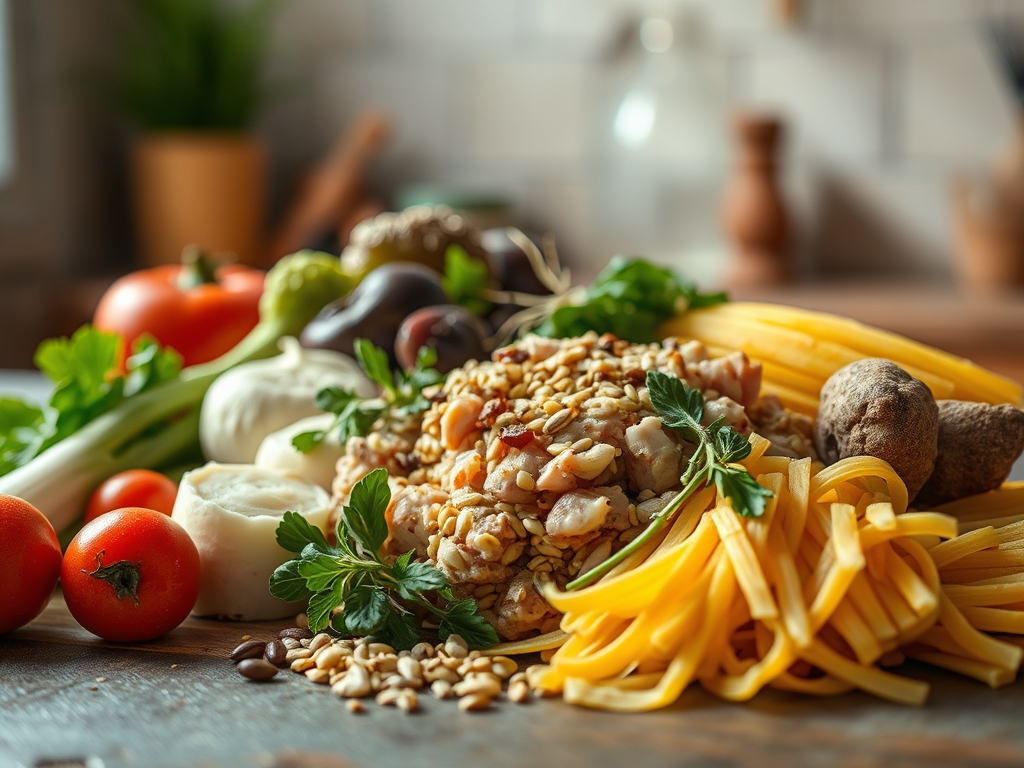
The Gathers:
To execute these dishes with precision, your mise-en-place must be impeccable. Start with high-quality ground chicken, preferably a blend of breast and thigh meat. The thigh meat provides the essential lipids needed to prevent the protein from becoming desiccated during the searing process. You will also need a variety of pasta shapes; ridged textures like penne or rigatoni are ideal for capturing viscous sauces, while long strands like linguine work best for oil-based infusions.
Your pantry should be stocked with aromatics. Freshly peeled garlic, shallots, and lacinato kale provide structural integrity and depth. Use a microplane to zest lemons and grate hard cheeses like Pecorino Romano; this tool creates a high surface-area-to-volume ratio, allowing the cheese to melt instantly into the sauce rather than clumping. Don't forget the liquid gold: high-quality chicken stock and a dry white wine for deglazing.
Smart Substitutions:
If you are looking to lighten the load, swap traditional semolina pasta for chickpea or lentil-based varieties to increase fiber. For a dairy-free creamy element, use full-fat coconut milk or a cashew cream infused with nutritional yeast. If ground chicken is unavailable, you can use a food processor to pulse chicken thighs until they reach a coarse, uniform consistency. This DIY approach often results in a juicier final product because you can control the lean-to-fat ratio.
The Clock
Efficiency in the kitchen is all about the "Chef's Flow." This means synchronizing your boiling water with your protein searing. Total prep time for most of these dishes averages 15 minutes, with a cook time of approximately 20 minutes. The goal is to have your sauce reaching its peak viscosity exactly when your pasta hits "al dente" status.
To master the flow, always start your pasta water first. It takes longer to bring a large pot of salted water to a kinetic boil than it does to sauté aromatics. While the water heats, use a bench scraper to organize your chopped vegetables. By the time the pasta is submerged, your chicken should be browning in the skillet. This overlap ensures that the pasta is transferred directly from the water to the sauce, preserving the starch for a perfect bind.
The Masterclass
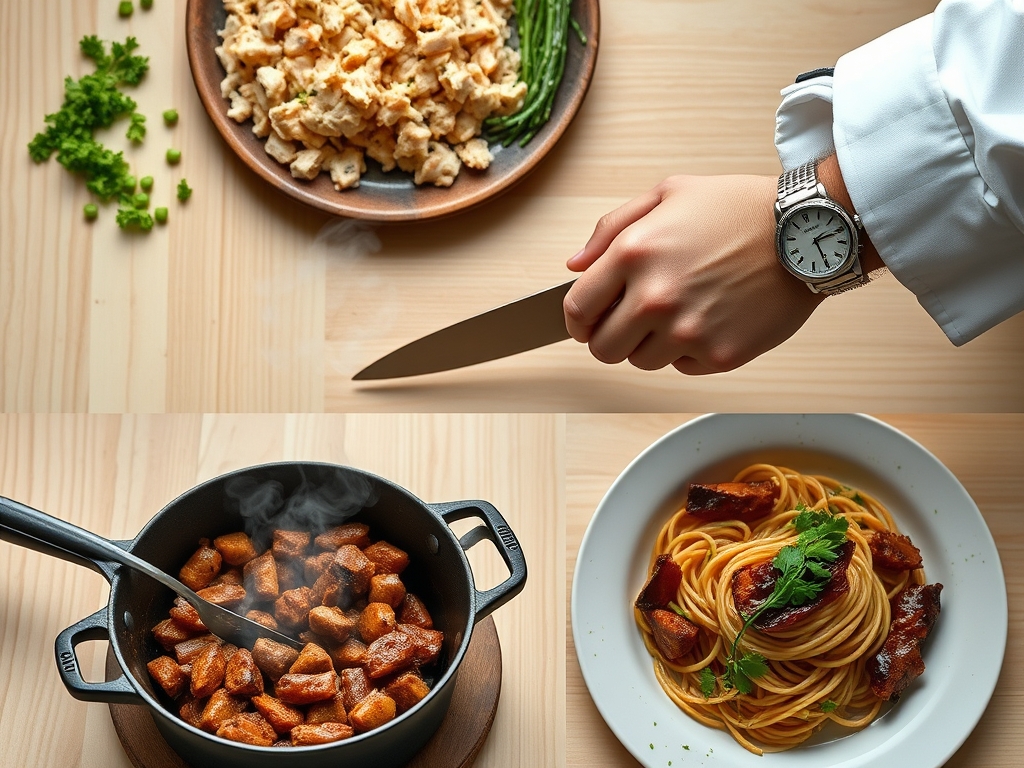
1. The Sear and Render
Place your heavy-bottomed skillet over medium-high heat. Add a high-smoke-point oil and wait for it to shimmer. Add the ground chicken in a flat layer and leave it untouched for three minutes.
Pro Tip: This patience facilitates the Maillard reaction, a chemical reaction between amino acids and reducing sugars that creates a complex, savory crust. Moving the meat too early causes it to steam rather than sear.
2. Deglazing the Fond
Once the meat is browned, remove it and look at the brown bits stuck to the bottom of the pan. This is called the "fond." Pour in a splash of white wine or stock and use a wooden spoon to scrape those bits up.
Pro Tip: This process uses solvent extraction to pull concentrated flavor compounds back into your sauce, ensuring no depth of flavor is lost to the sink.
3. Emulsifying the Sauce
Add your aromatics and liquids, then return the chicken to the pan. As the pasta finishes, use tongs to transfer it directly into the skillet, bringing a half-cup of starchy pasta water with it.
Pro Tip: The starch in the water acts as an emulsifier, binding the fats from the chicken and oil with the liquids to create a glossy, cohesive sauce that clings to the noodles.
4. The Final Infusion
Turn off the heat before adding fresh herbs or delicate cheeses. Toss vigorously to aerate the sauce and ensure even distribution.
Pro Tip: Utilizing residual heat prevents the proteins in the cheese from tightening and becoming "rubbery," maintaining a silky mouthfeel for the final presentation.
The Deep Dive
From a nutritional standpoint, ground chicken is a powerhouse. A standard 4-ounce serving provides roughly 22 grams of protein with significantly less saturated fat than ground beef. When paired with whole-grain pasta, you create a balanced macro profile of complex carbohydrates and lean tissue-building blocks.
Dietary Swaps:
For my Keto friends, replace the pasta with zoodles or spaghetti squash. The ground chicken ragu recipes work beautifully over a bed of roasted cauliflower. For a Vegan twist, the techniques remain the same, but you would substitute the chicken with a crumbled tempeh or a mushroom-walnut "meat" that mimics the crumbly texture of ground poultry.
The Fix-It:
- Dry Meat: If the chicken feels parched, whisk a teaspoon of cornstarch into a bit of cold stock and stir it into the pan to create a protective, hydrating glaze.
- Bland Sauce: Increase the acidity. A squeeze of fresh lemon or a teaspoon of capers can brighten the entire profile.
- Clumpy Cheese: This happens when the pan is too hot. Next time, remove the pan from the burner entirely before folding in your Parmesan.
Meal Prep Science:
When reheating, avoid the microwave if possible. Use a small saucier over low heat and add a tablespoon of water or milk. This re-hydrates the starches that have undergone retrogradation (the process where starch molecules realign and harden as they cool), restoring the pasta to its original supple texture.
The Wrap-Up
Mastering ground chicken recipes with pasta is about more than just following a list; it is about understanding the physics of the pan. You have the tools, the science, and the flavor profiles to turn a humble ingredient into a gourmet experience. Remember, the best cooking happens when you trust your senses. Listen for the sizzle, smell the caramelization, and always, always salt your pasta water like the sea. Now, get in that kitchen and make something incredible!
The Kitchen Table
Can I use ground turkey instead of chicken?
Yes, ground turkey is a direct 1:1 substitute. However, turkey is often leaner than chicken, so you may need to add an extra tablespoon of olive oil to the skillet to prevent the meat from sticking or becoming too dry.
How do I keep ground chicken from clumping?
Use a stiff spatula or a potato masher to break the meat apart immediately after it hits the hot pan. For an even finer crumble, add a tablespoon of water to the raw meat before cooking to loosen the protein bonds.
Is it safe to meal prep ground chicken pasta?
Absolutely. When stored in an airtight container, these dishes stay fresh for up to four days. To maintain the best texture, undercook your pasta by one minute so it stays firm during the reheating process the following day.
What is the best pasta shape for ground chicken?
Short, tubular shapes like rigatoni or fusilli are superior. Their hollow centers and ridges are designed to trap the small bits of ground meat and thick sauce, ensuring you get the perfect ratio of ingredients in every single bite.