
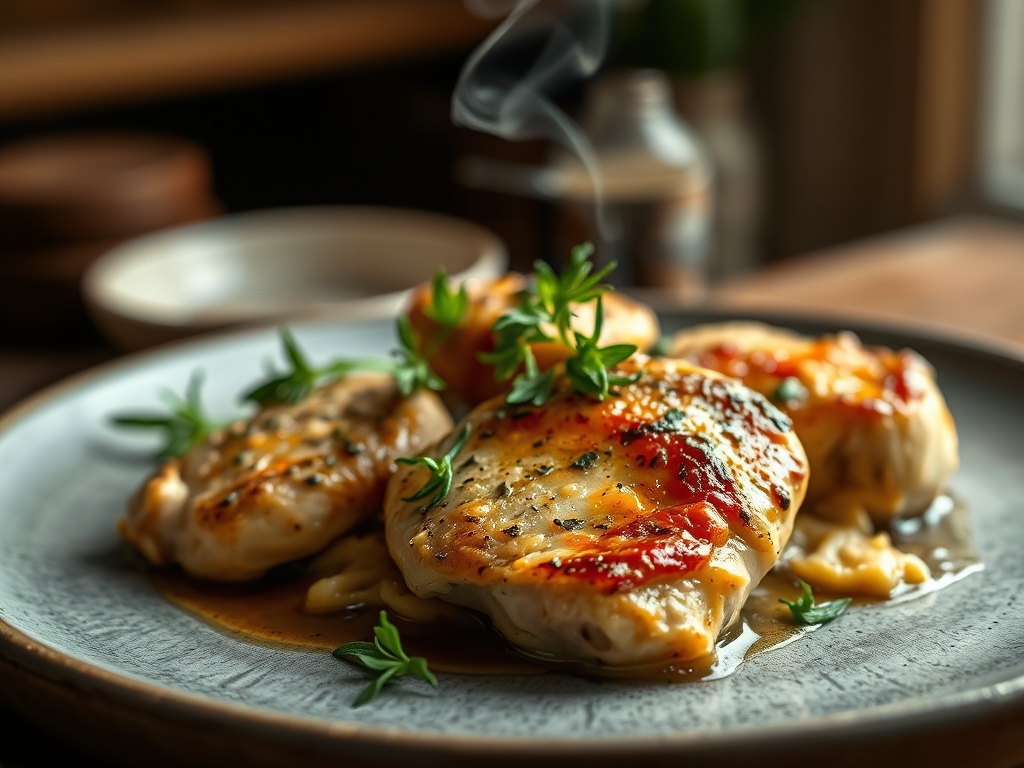
Close your eyes and imagine the scent of a Parisian bistro at dusk. It is that intoxicating mixture of sizzling butter, dry white wine, and the unmistakable, licorice-like perfume of fresh herbs hitting a hot pan. When you master tarragon chicken recipes, you are not just making dinner; you are conducting a symphony of volatile aromatic compounds. Tarragon contains estragole, a molecule that gives it that sophisticated, anise-forward profile. It is the secret weapon of French cuisine, turning a standard protein into something ethereal. Whether you are searing thighs to a golden crisp or poaching breasts in a velvet cream sauce, these seven variations will redefine your weeknight rotation. We are going beyond the basic sear. We are diving into the chemistry of flavor layering to ensure every bite is a masterclass in balance. Grab your apron and your favorite heavy-bottomed skillet; we are about to transform your kitchen into a high-end culinary studio where science meets soul.
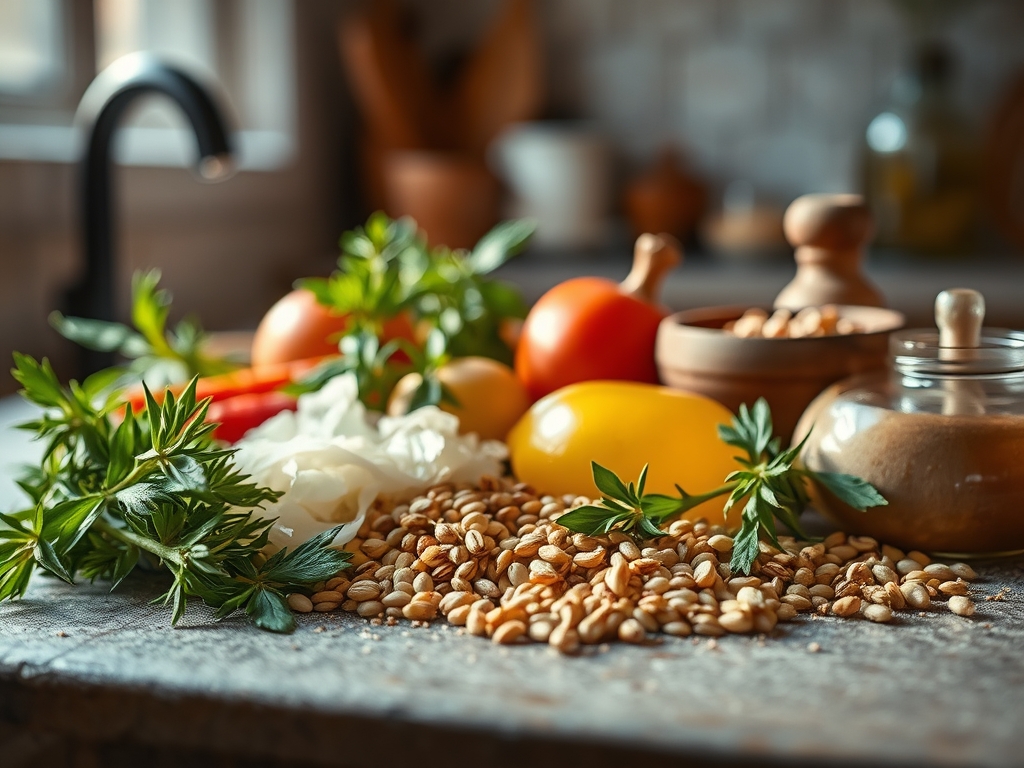
The Gathers:
To execute world-class tarragon chicken recipes, your mise-en-place must be precise. Start with high-quality poultry. I prefer organic, air-chilled chicken because it lacks the excess water weight of brine-injected birds, allowing for a superior Maillard reaction. You will need fresh French tarragon; look for vibrant green leaves that lack any bruising or blackening. Keep a bottle of dry Vermouth or a crisp Sauvignon Blanc nearby to deglaze the pan. The acidity is vital to cut through the richness of the lipids.
Your dairy should be high-fat. Use heavy cream or creme fraiche to ensure the sauce remains viscous and does not break under heat. For the aromatics, gather shallots and garlic. Shallots are preferred over onions because they contain more sugar and less sulfur, leading to a more delicate caramelization.
Smart Substitutions:
If you cannot find fresh tarragon, use half the amount of dried tarragon, but rehydrate it in your wine first to wake up the oils. For a dairy-free version, full-fat coconut milk works, though you should add a teaspoon of Dijon mustard to mimic the piquant bite of a traditional French sauce. If you are out of white wine, a splash of white wine vinegar diluted with chicken stock provides the necessary pH balance to brighten the dish.
The Clock: Timing the Masterpiece
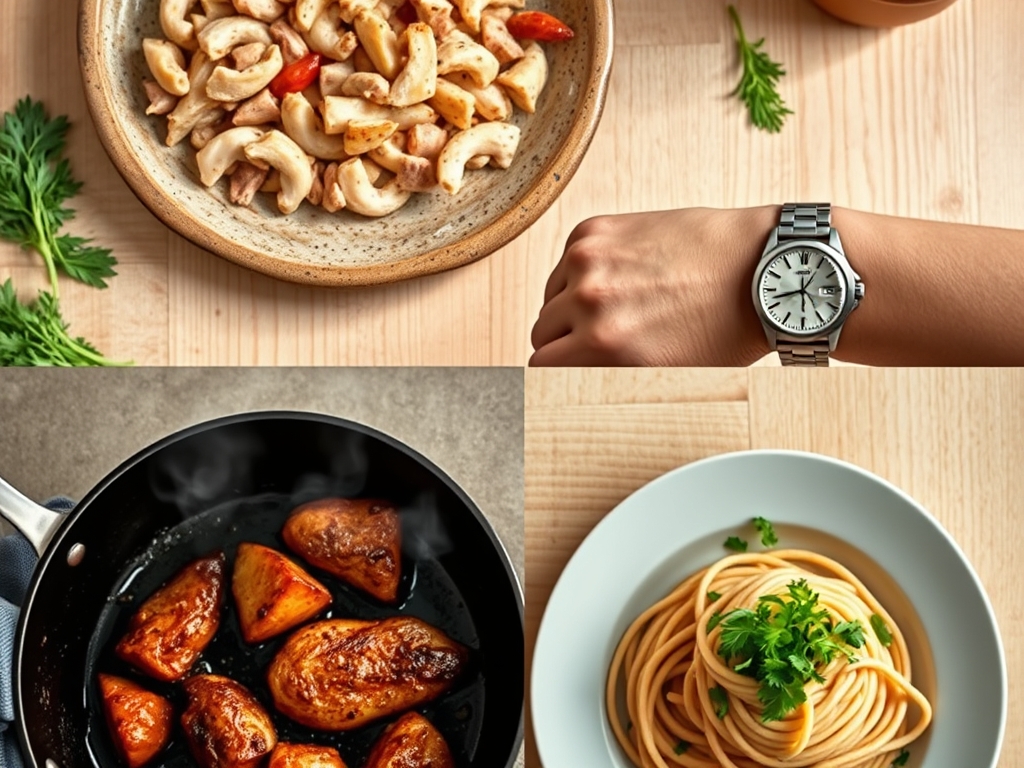
Efficiency in the kitchen is about "Chef's Flow." This means grouping tasks to minimize downtime. For these tarragon chicken recipes, expect a 15-minute prep window and a 25-minute active cook time. While your chicken is tempering on the counter (never cook meat straight from the fridge), use your bench scraper to organize your minced shallots and herbs.
The flow follows a specific rhythm: sear, aromatics, deglaze, simmer, and finish. By the time the chicken is resting, your sauce is reducing. This ensures the meat stays juicy while the sauce achieves the perfect nappe consistency, thick enough to coat the back of a spoon.
The Masterclass:
1. The Critical Sear
Pat your chicken bone-dry with paper towels. Season aggressively with kosher salt. Heat a heavy-bottomed skillet over medium-high heat with a high-smoke-point oil like grapeseed. Place the chicken skin-side down and do not move it for at least six minutes. Use tongs to check for a deep, mahogany crust.
Pro Tip: This is the Maillard reaction in action. It is a chemical reaction between amino acids and reducing sugars that creates hundreds of different flavor compounds. If the meat sticks, the bond hasn't broken yet; wait for the protein to naturally release from the pan.
2. Sautéing the Aromatics
Remove the chicken and set it aside on a warm plate. Reduce the heat to medium and add your minced shallots to the rendered chicken fat. Sauté until translucent but not browned. Use a microplane to grate in fresh garlic at the very last second to prevent burning.
Pro Tip: Garlic contains allicin, which is highly heat-sensitive. Adding it too early creates bitterness. By adding it late, you preserve the sweet, nutty notes that complement the tarragon.
3. Deglazing the Fond
Pour in your white wine or Vermouth. Use a wooden spoon to scrape up all those brown bits stuck to the bottom of the pan. This is the fond, the concentrated essence of the chicken. Reduce the liquid by half.
Pro Tip: Deglazing is a solvent-based extraction. The alcohol in the wine dissolves flavor compounds that water alone cannot reach, ensuring your sauce has incredible depth.
4. The Emulsion Phase
Whisk in your heavy cream and a dollop of Dijon mustard. Bring to a gentle simmer. Add half of your chopped tarragon now to infuse the sauce with its herbal base notes.
Pro Tip: Mustard acts as a natural emulsifier. The complex mucilage in mustard seeds helps bind the fats in the cream to the water-based stock, preventing the sauce from separating or "breaking."
5. The Gentle Finish
Return the chicken to the pan, skin-side up to keep it crispy. Simmer until the internal temperature reaches 165 degrees Fahrenheit on a digital scale or meat thermometer. Stir in the remaining fresh tarragon and a squeeze of lemon juice just before serving.
Pro Tip: Adding herbs at the end preserves the volatile oils that provide the "high notes" of the dish. This creates a multi-dimensional flavor profile that tastes fresh rather than muddy.
The Deep Dive:
Macro Nutrition: A standard serving of tarragon chicken provides roughly 35g of protein and 12g of fat. While the cream adds calories, the tarragon itself is rich in phytonutrients and may help support healthy digestion.
Dietary Swaps:
- Vegan: Use oyster mushrooms or thick-cut cauliflower steaks in place of chicken. Swap cream for cashew cream.
- Keto: This recipe is naturally low-carb. Serve over zoodles or roasted radishes.
- Gluten-Free: Ensure your chicken stock is certified GF. The sauce thickens via reduction, so no flour is needed.
The Fix-It:
- Broken Sauce: If the sauce looks oily, whisk in a tablespoon of hot water or stock very quickly to re-emulsify the fats.
- Bitter Taste: This usually comes from burnt garlic or over-reduced wine. Balance it with a pinch of sugar or a splash of heavy cream.
- Tough Chicken: This is caused by overcooking. Always use a thermometer to pull the chicken at 160 degrees; thermal carryover will bring it to 165 while it rests.
Meal Prep: To reheat, do not use the microwave. It toughens the protein fibers. Instead, place the chicken and sauce in a small saucier over low heat. Add a splash of water to loosen the sauce and cover with a lid to steam the meat back to temperature.
The Wrap-Up:
You are now officially a master of tarragon chicken recipes! By understanding the science of the sear and the chemistry of emulsification, you have elevated a simple bird into a gourmet experience. This dish is about confidence and technique. Don't be afraid of the high heat or the bold aromatics. Your kitchen should smell like a victory. Now, pour yourself a glass of that leftover wine, plate your masterpiece with a flourish of fresh herbs, and enjoy the fruits of your culinary labor. You’ve earned it!
The Kitchen Table:
Can I use dried tarragon instead of fresh?
Yes, but use one-third of the amount. Dried herbs are more concentrated. Add them during the simmering stage rather than at the end so the heat can release their stored oils and soften their texture for better integration.
Why is my chicken skin not staying crispy?
If you submerge the skin in the sauce, it will turn soggy. Always place the chicken back into the pan skin-side up, ensuring the liquid only reaches halfway up the meat. This keeps the crust dry and crunchy.
What is the best wine for tarragon chicken?
Choose a dry, high-acid white wine like Sauvignon Blanc, Pinot Grigio, or a dry Chenin Blanc. Avoid oaky Chardonnays, as the vanilla notes from the oak can clash unpleasantly with the licorice profile of the fresh tarragon.
How do I prevent the cream from curdling?
Use room temperature cream and avoid boiling the sauce vigorously. A gentle simmer is all you need. The addition of Dijon mustard also helps stabilize the mixture, creating a smooth, professional-grade emulsion that resists breaking.